How to Grow Aster in Pots: A Winter Bahar Flower Guide for Balconies
How to Grow Aster in Pots: A Winter Bahar Flower Guide for Balconies

You buy a small aster plant in December, it arrives covered in blue flowers, and by February the pot is a leggy green bush with two thin blooms on top. Nothing went wrong by accident. Aster (bahar) makes flowers on new side shoots, and a pot that never gets pinched, fed or deadheaded simply stops making them.
This guide covers how to grow aster in pots on an Indian balcony in winter: the pot and mix that keep roots healthy, the pinch that doubles the stems, and the feeding rhythm that keeps colour coming.
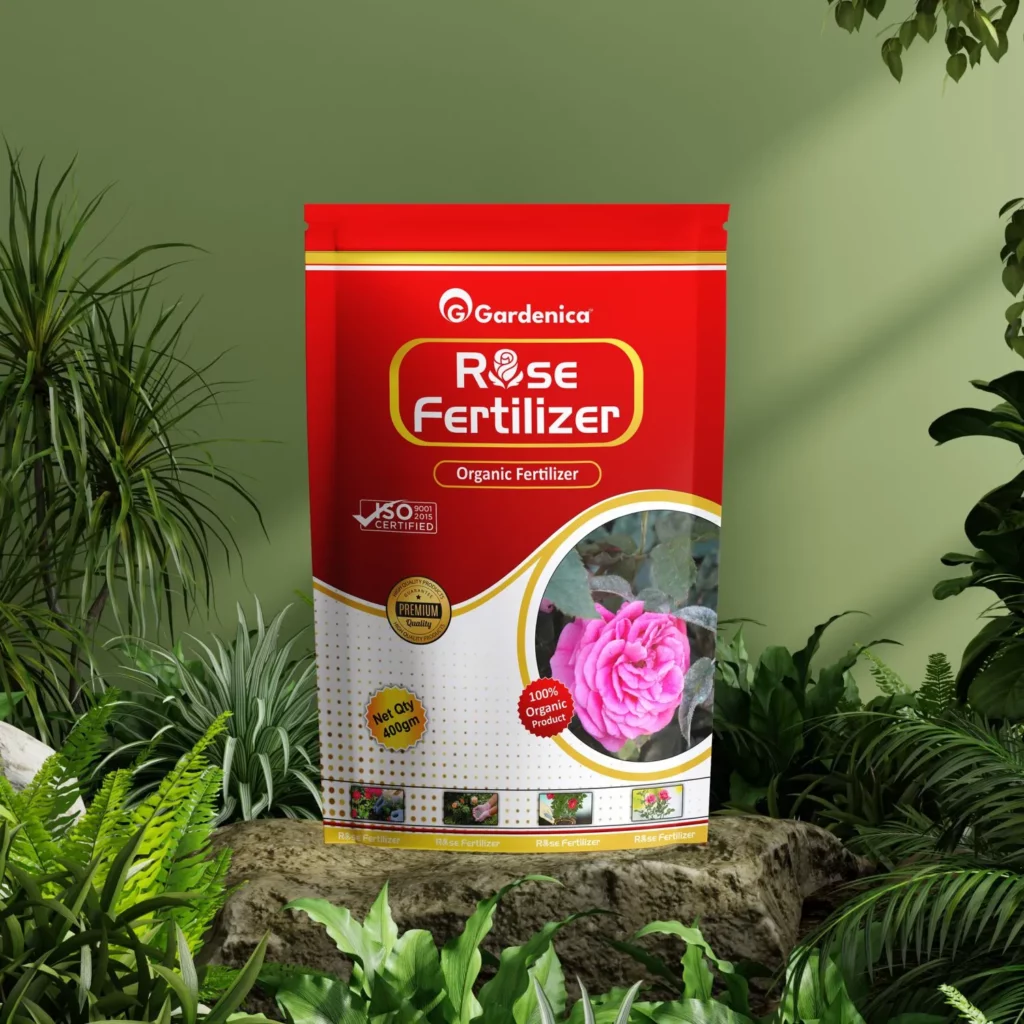
Read more: Explore Gardenica Rose Fertilizer
Why Aster Suits Winter Pots
Aster is a cool-season annual in most of India, and November to February is exactly its window. Day temperatures of 15-25 degrees with bright winter sun push it into bud, while the same plant on a hot May balcony stalls and drops buds.

It suits small spaces too. One plant in an 8-10 inch pot fills into a mound about 30-45 cm across and can carry 20-40 flower heads over the season, then finishes as the heat arrives.
Pot and Mix That Drain Well
Aster roots spread shallow and wide, so depth matters more than volume. Terracotta keeps the mix cooler and drier on a sunny rail; plastic holds moisture and needs less frequent watering.
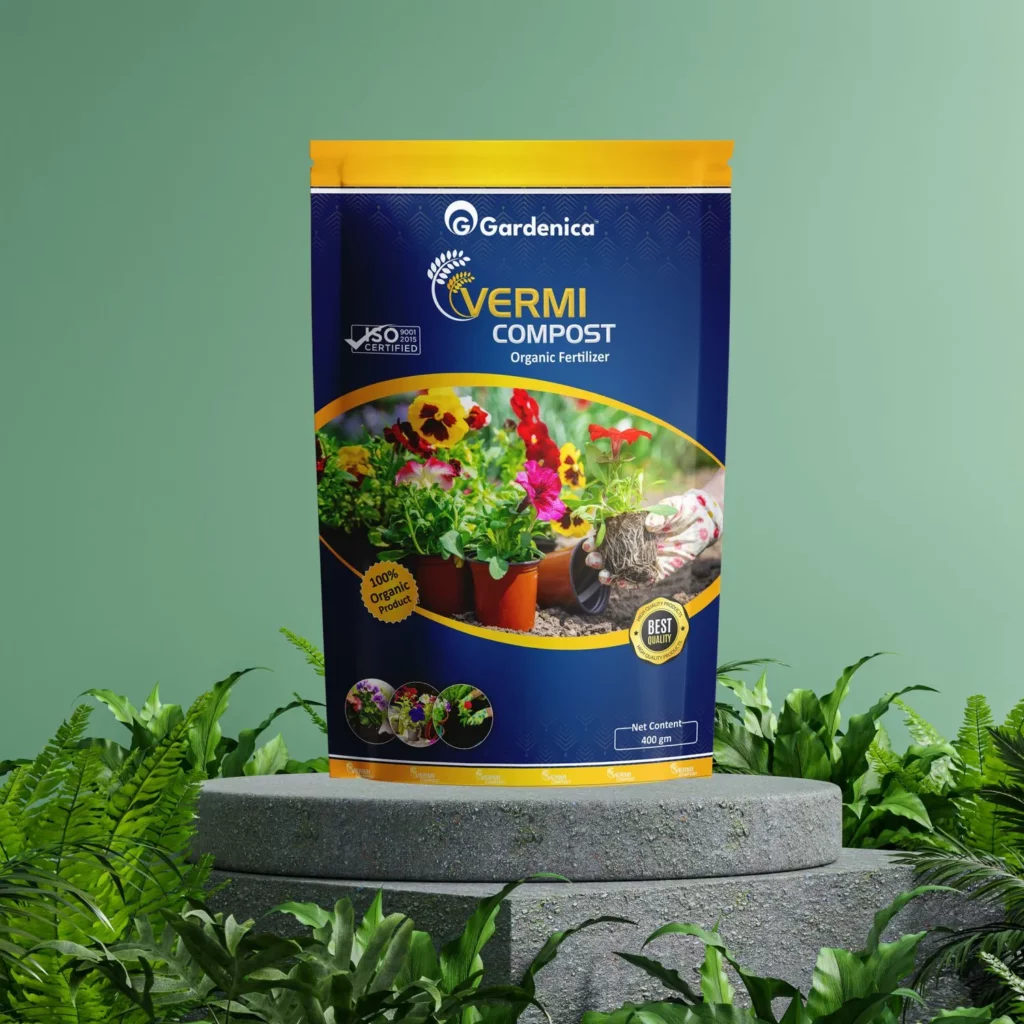
Drainage is the one thing not to compromise, because aster in a soggy pot goes soft at the base quickly. Use two parts good soil, two parts Vermicompost and one part sand or perlite for food and open drainage together.
Sunlight on the Balcony
Aster needs 5-6 hours of direct sun to hold colour and keep stems short. Winter sun is low and gentle, so a south or east facing rail works in a spot where the same plant would scorch in June.
Two position mistakes cost plants. A pot kept in shade all season and then moved into full sun burns its leaves in two days, so shift it brighter over a week. A pot pushed against a wall that throws afternoon heat back at it loses buds at the tips.
Watering in Winter Pots
Water when the top inch of mix feels dry, which on a sunny winter balcony usually means every 2-3 days, or daily during a warm spell. Water at the base in the morning so leaves dry before evening.
Aster is fussy about wet foliage. Water sitting on leaves overnight invites the grey patches and white powdery coating that show up on this plant, so skip overhead sprinkling.
Pinching for More Stems
Pinching separates a full aster pot from a sparse one. Flowers form at the tip of each stem, so one unpinned stem gives one flower, while a stem pinched once gives three to five.
- Wait for the right size. Pinch when the young plant has 4-6 true leaves and stands 10-15 cm tall, usually 20-25 days after planting.
- Snap the tip. Remove the top quarter inch above a leaf node with clean fingers or scissors.
- Let the sides take over. Two or more shoots appear at that node within 7-10 days.
- Pinch the sides once. Repeat on new shoots only while the plant is under six weeks old.
- Stop at bud set. Once small buds show, leave the plant alone, since pinching then removes flowers.
One pinch at the right time gives you more flowers than a whole season of feeding.
Feeding for Steady Colour
Aster grows fast and blooms heavily for its size, so it empties a pot of food quickly. Feed from about four weeks after planting.
- Mix setup (What to give (per 8-10 inch pot): 200-250 g vermicompost through the mix; Timing: Before planting)
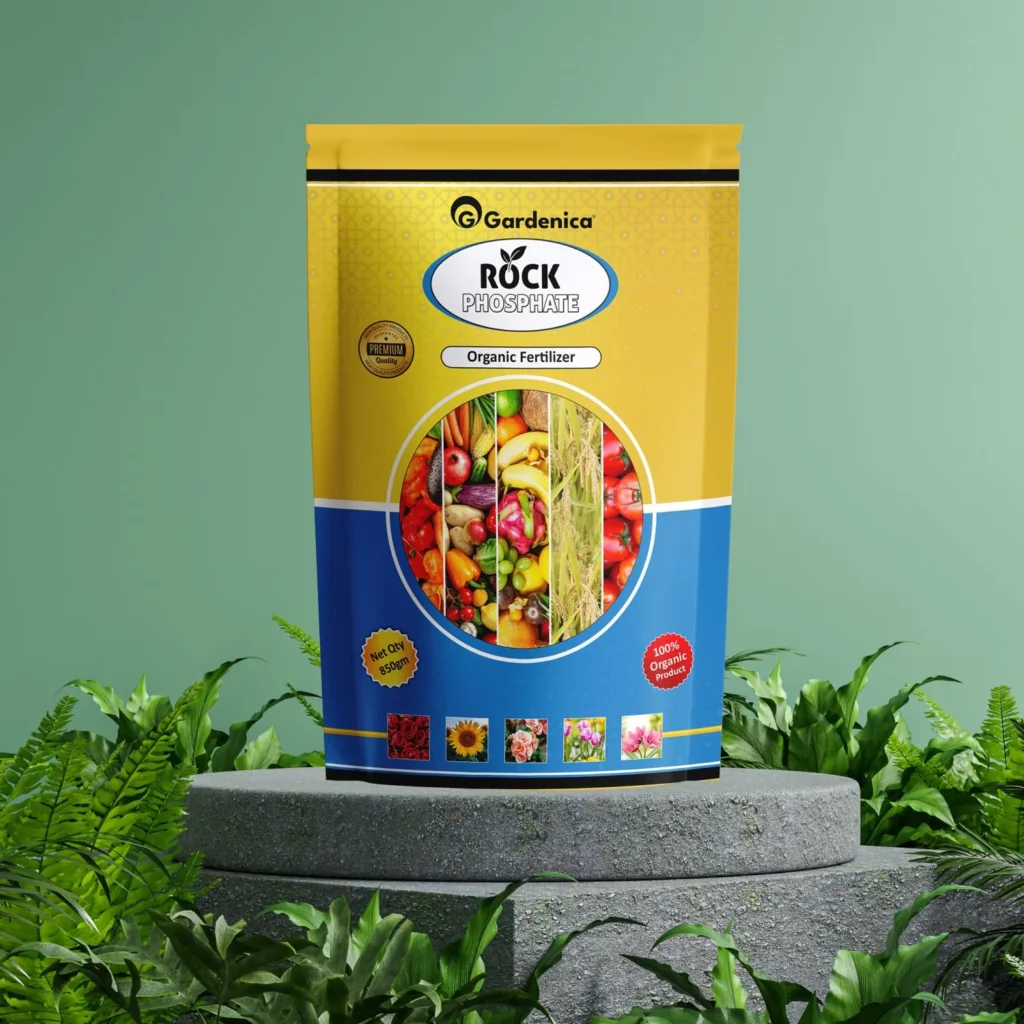
- Base for buds (What to give (per 8-10 inch pot): 20-30 g rock phosphate through the mix; Timing: Before planting)
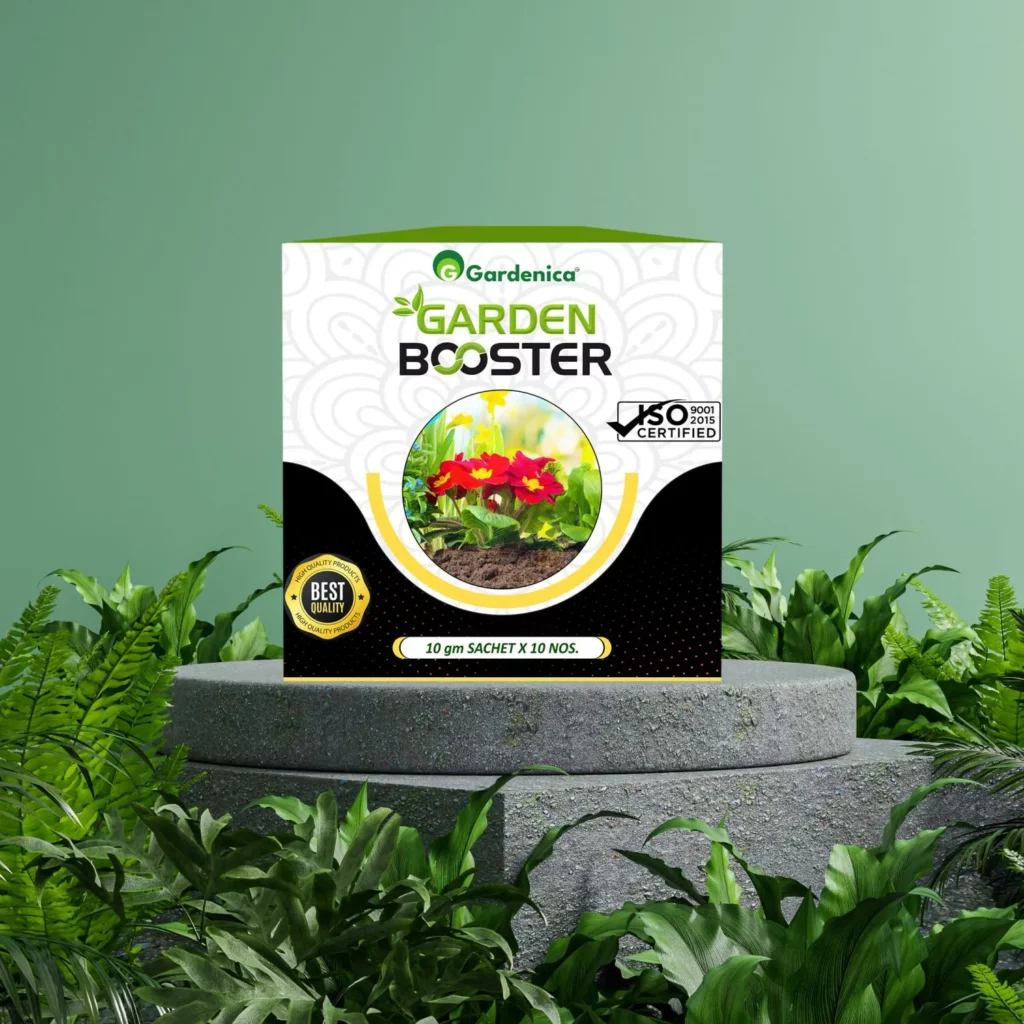
- Bud to bloom (What to give (per 8-10 inch pot): Garden Booster at label dose as a drench; Timing: Every 15 days)
Work Rock phosphate in before planting rather than top-dressing later, since it needs time and root contact. During leaf growth, Rich Fertilizer at half the label dose keeps leaves green without pushing soft growth at the cost of flowers. Once buds appear, switch to Garden Booster to support nutrient uptake through flowering. Flush the pot with plain water monthly so salts do not build up.
Have a question about this topic?
Chat on WhatsAppDeadheading and Cutting
Faded heads set seed within a week or two, and the plant then slows new buds. Snap each one off above the first healthy pair of leaves, which also removes the thin stem below.
Cut vase stems in the morning at 15-20 cm long; they last 7-10 days in clean water. Do not leave faded heads sitting on the soil, since that is where aster's few problems begin.
Fixing Leggy or Non-Flowering Asters
Most complaints come down to light, pinching or water. Work through them in this order.
- Floppy stems reaching for light. The pot gets under 4 hours of sun. Move it brighter over a week and stake it with a bamboo stick.
- Bushy plant, no buds. Pinching was late, or the feed was too heavy on nitrogen. Stop feeding for two weeks and keep the mix slightly dry.
- White powder on lower leaves. Air is stagnant and leaves stay wet. Clear the worst leaves, space pots apart and follow the Powdery mildew guide.
- Aphids on new tips. Squash a few by hand, then treat in the evening as covered in Aphids on plants, repeating weekly.
- Brown patches with wet soil. Pull back watering, clear affected leaves and improve drainage, the same approach as Root rot in potted plants.
Safe Use at Home
Wear gloves when working compost, rock phosphate or feed into a pot, and wash your hands after pinching. Keep solution away from children and pets, and store packs closed in the shade. Apply every product at the dose printed on its label, since more does not make a plant flower sooner. Spray in the early evening, not in hot sun or on open flowers that bees visit.
Growing On From Aster
Aster is cheap, fast and forgiving, a good plant to practise pinching on before perennials like Dahlia in pots. Pair it with Petunia in pots for trailing colour under the upright stems, or with Chrysanthemum plant care plants for bigger heads. If leaves go pale between the veins, the pot has run out of nitrogen, which Nitrogen deficiency in plants explains how to read.
Frequently Asked Questions
What size pot is best for aster?
An 8-10 inch pot with a drainage hole suits one aster plant. Two can share a 12-inch pot or wide trough, kept 25-30 cm apart so air moves between the leaves.
When should I plant aster seeds in India?
Sow in October and November in most of India, or buy young flowering plants in December. Seedlings take 60-80 days to bloom, so a late December sowing leaves little flowering time before the heat.
How much sunlight does aster need in a pot?
Five to six hours of direct sun a day. Winter sun is gentle enough for a full-day position, but a shade-grown plant needs a week of gradual moving first.
Why is my aster growing tall but not flowering?
Usually it was never pinched, or it is short on light and phosphorus. Pinch the tip of a young plant to force side shoots, and mix rock phosphate in at planting.
How often should I feed potted aster?
Every 15 days from about four weeks after planting, at half to full label dose depending on the product. Stop feeding a week before you pull the plant out.
Does aster come back every year?
In most of India it is grown as a winter annual and pulled out when summer heat arrives. In cold hill stations it can survive as a perennial and reshoot next winter.
Why are the leaves of my potted aster turning yellow?
Check watering first, since soggy mix yellows lower leaves fastest. If the soil is moist and yellowing starts on new leaves, the pot has likely run out of nitrogen.
Conclusion
To grow aster in pots well, give it an 8-10 inch pot with open mix, 5-6 hours of winter sun, water at the base every 2-3 days, a pinch at 20-25 days and feed every 15 days from week four. Deadhead as each head fades and the pot stays in colour till February or March.
Start with two pots this month so you can compare a pinched plant against an unpinned one, and for a feeding plan for your balcony, Contact the Gardenica team on WhatsApp at +91 95120 17162, or browse the Products page.
Disclaimer: This article is general gardening information. Results vary with plant, pot, soil, weather and care. Always read and follow the product label.
Looking for more?
Continue to our main page to explore products and services.