How to Grow Geraniums in Pots for More Flowers
How to Grow Geraniums in Pots for More Flowers

Geraniums are the classic balcony flower in Indian winters, and most people buy them in October already in bud. A fortnight later the flowers fade, the plant pushes out soft green growth, and it looks like it has given up on you. Nothing has gone wrong. The plant stopped getting what makes it flower.
This guide covers how to grow geraniums in pots through a full Indian season: the pot and mix that suit them, the sunlight number that decides blooming, the watering habit that keeps stems from rotting, and the pruning and feeding calendar that brings flowers from October to March.
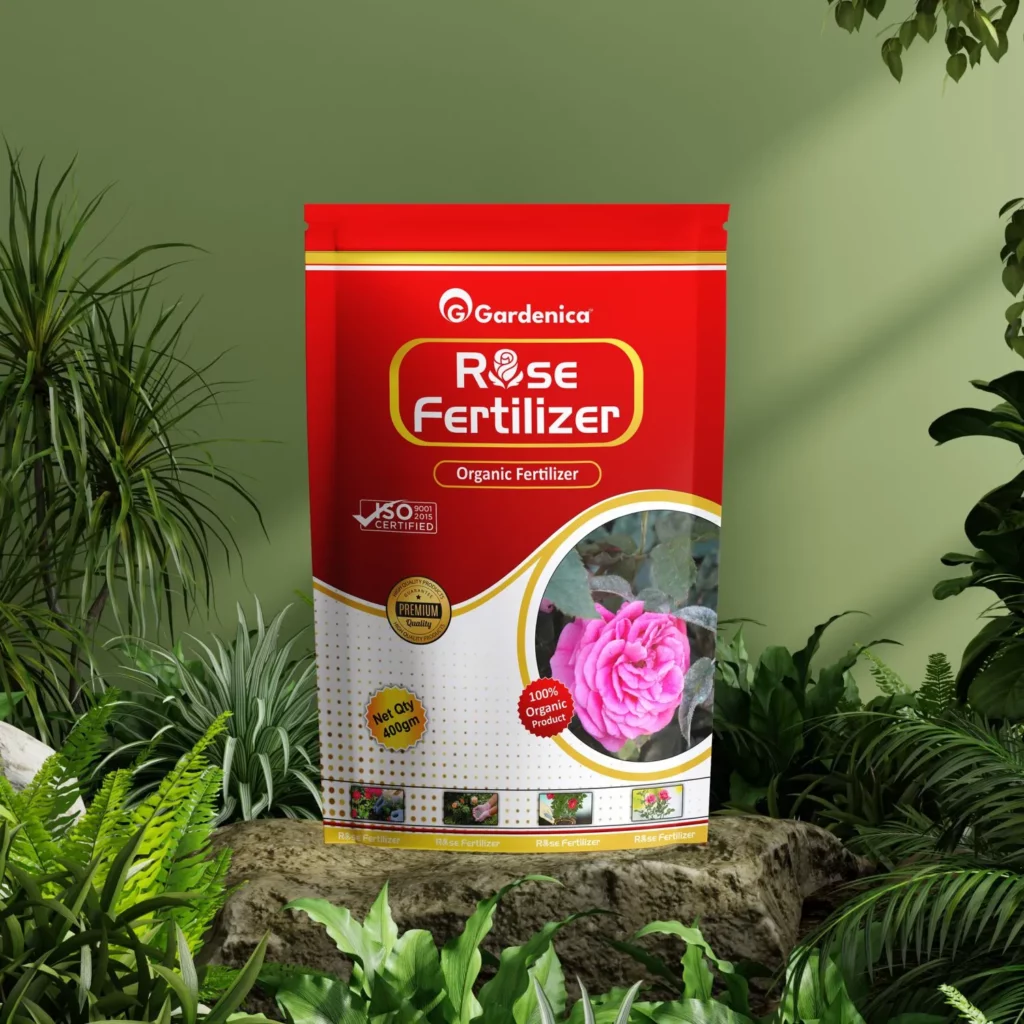
Read more: Explore Gardenica Rose Fertilizer
Why Geraniums Stop Flowering
Most "my geranium only grows leaves" cases come down to three things: too little direct sun, too much nitrogen, and a pot that has become too big. Geraniums bloom on new growth, so a plant making no fresh shoots makes no flowers. Shade and rich nitrogen send it into leaf-making mode instead.

- Less than 4 hours of sun. Growth stretches, nodes space out, and buds never form.
- Too much nitrogen. Thick dark leaves and soft stems at the expense of buds.
- A pot that is too large. Geraniums flower best when slightly root-bound.
- Warm, humid weather. Above about 32°C with heavy rain, zonal types rest.
- No pruning. Old wood and spent heads stall new flowering shoots.
Choosing the Right Pot
Geraniums want a pot they can fill but not drown in. Terracotta suits them better than glazed or plastic containers because the walls let the mix dry evenly, which is the drying cycle geraniums like. Drainage holes are not optional.
- Zonal geranium (Pot Size (inch): 8-10)
- Ivy geranium (Pot Size (inch): 10-12)
- Scented geranium (Pot Size (inch): 8-10)
- Regal geranium (Pot Size (inch): 10-12)
An 8-10 inch pot per plant is the working range for the zonal types sold in most Indian nurseries. Ivy geraniums need a wider 10-12 inch hanging basket for their trailing stems. Two plants in one 12 inch pot gives a full look; three is where trouble starts.
Potting Mix That Drains Fast
A geranium root sits happily in a mix that feels dry an inch down, and rots in one that stays wet. Heavy garden soil holds water around the stem base and invites the soft black rot that kills geraniums overnight.

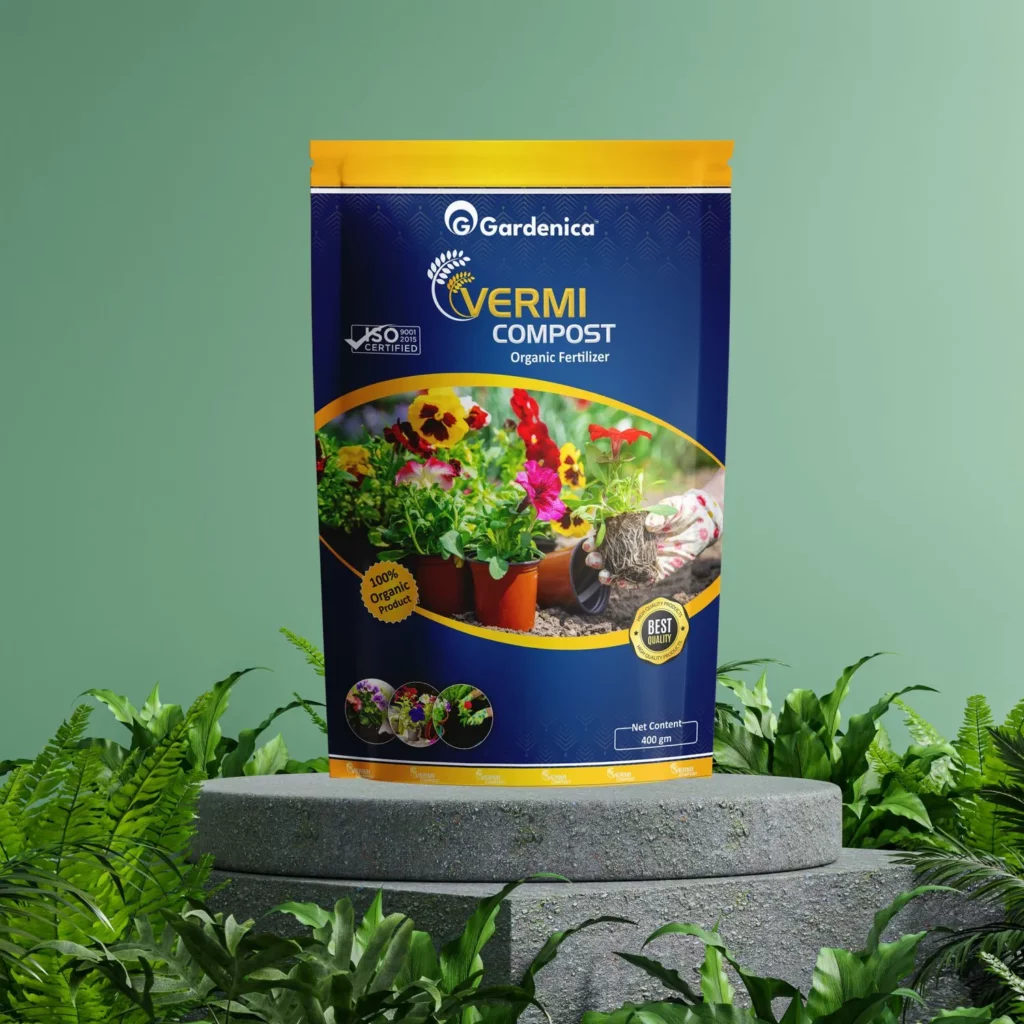
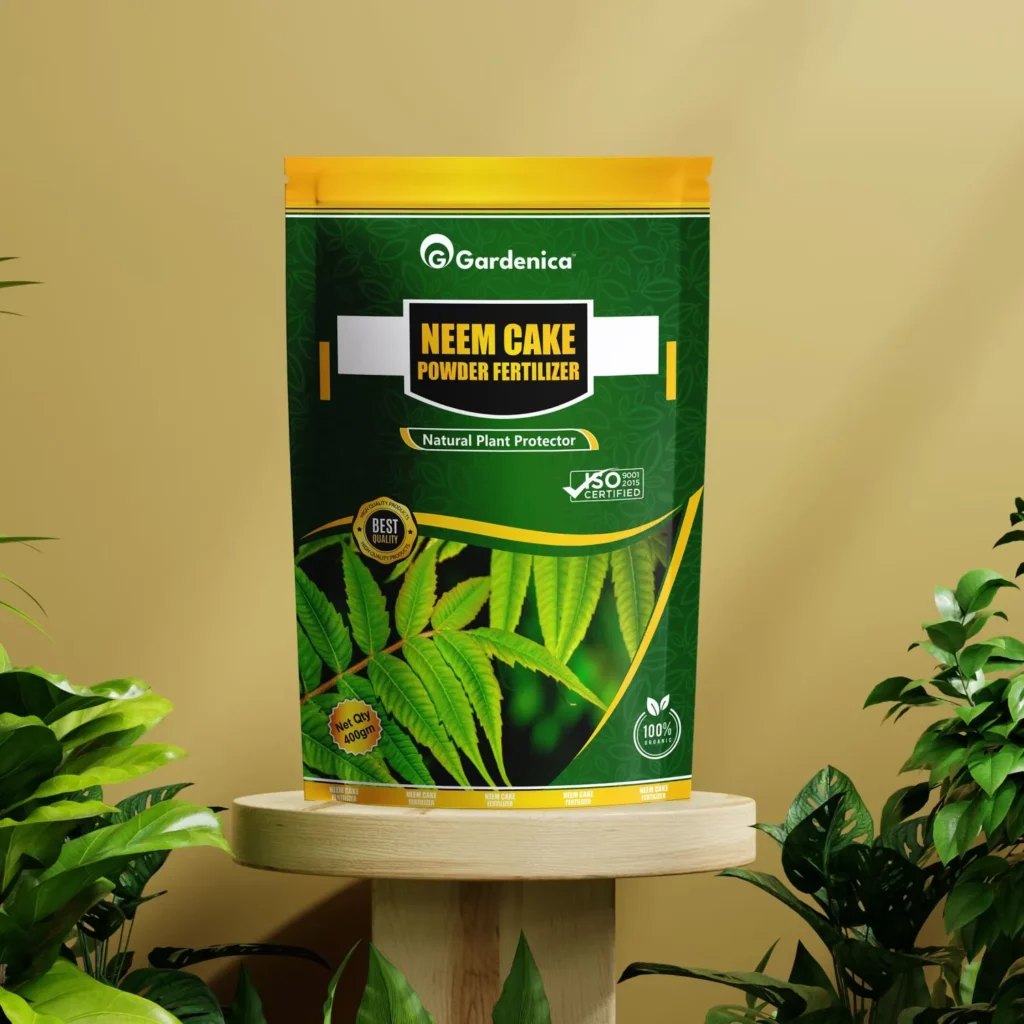
Mix two parts Potting mix for kitchen gardens or coco peat, one part coarse sand or perlite, one part Vermicompost, and a handful of Neem cake powder per pot. Fill to within 2 cm of the rim, plant at the same depth as the old root ball, and water once to settle. Do not bury the stem, since a buried stem rots. Repot only when roots circle out of the drainage holes, and go one size up at most.
Sunlight and Position
Direct sun is the strongest lever you have. Aim for 5-6 hours of it in winter, which in most of India means a south or west-facing balcony or terrace. From March, afternoon sun above 34°C scorches leaves, so move pots behind a shade net or a taller plant.
Monsoon needs a different plan. Four days of continuous rain on a potted geranium leads to stem rot and yellow drop. Keep pots under a clear roof during July to September, letting them catch only light spray.
Watering Without Rotting the Stems
Geraniums store water in thick stems and leaves, so they suffer from wet feet far more often than from thirst. A fixed daily watering schedule is the commonest mistake.
- Touch the mix. Push a finger 2-3 cm in and water only if that layer is dry.
- Water the mix, not the plant. Pour at the base until water runs from the holes, keeping leaves dry.
- Empty the saucer. Leave no standing water under the pot after 30 minutes.
- Water in the morning. This lets the surface dry before night, lowering fungal risk.
- Cut back in cool weather. In December and January, most pots need water every 3-4 days.
Feeding for Flower Flushes
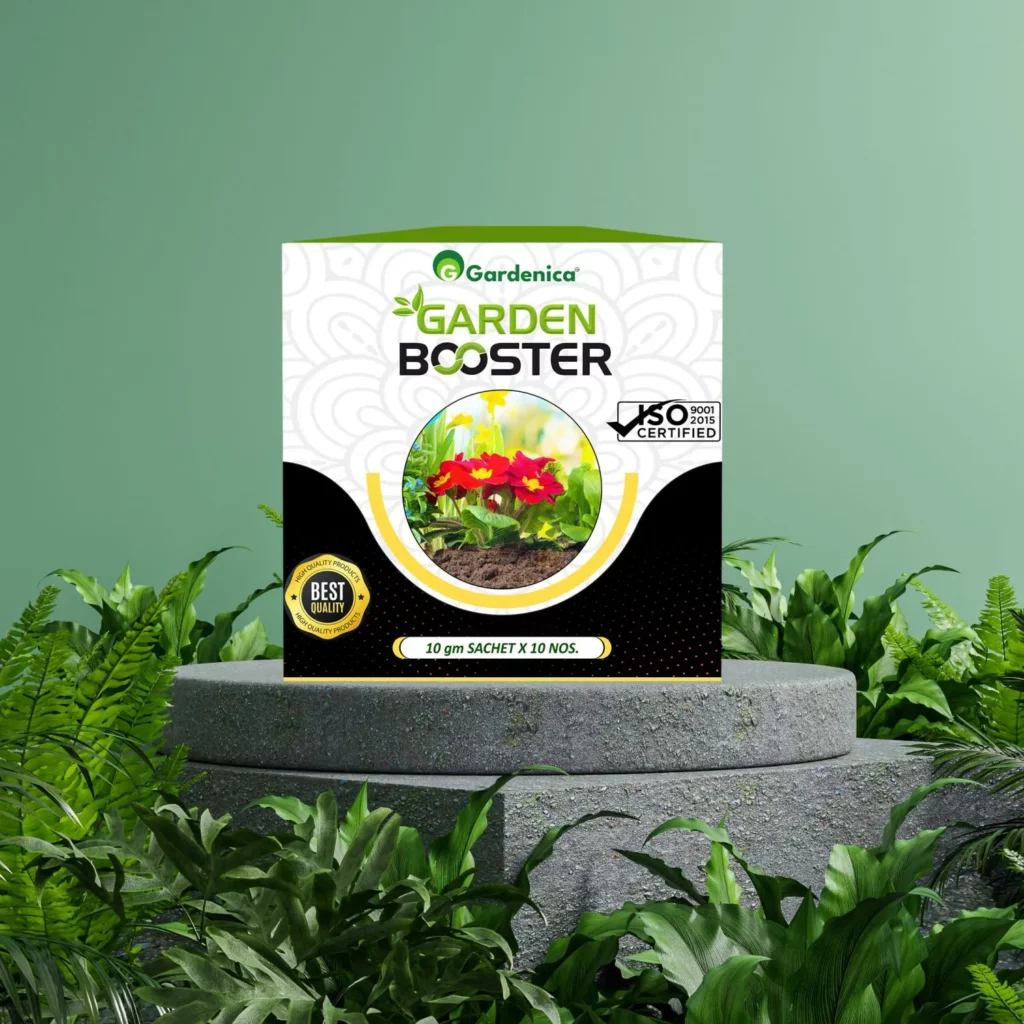
Nitrogen grows leaves, while phosphorus and potash support buds, and that balance decides flowering. A feed made for flowering plants suits them well, such as this Rose plant feed, which supports branching and flowering in roses. Use it at the dose printed on the pack. A spoon of Garden Booster once a month supports nutrient uptake and roots.
- Oct to Nov (Feed (g per pot): 10-15)
- Dec to Feb (Feed (g per pot): 15-20)
- Mar (Feed (g per pot): 10)
- Apr to Jun (Feed (g per pot): 0-5)
- Jul to Sep (Feed (g per pot): 0)
Pruning for More Blooms
Deadheading is not decoration. A spent head sets seed, and the plant slows new bud formation while it does. Pinching each faded head off above the first healthy leaf pair pushes the branch below to split into two flowering shoots.
Have a question about this topic?
Chat on WhatsApp- Deadhead weekly. Snap each faded head above the first healthy leaf pair.
- Trim leggy shoots in October. Cut long stems back by one third to an outward-facing bud.
- Clear the base. Remove fallen leaves lying on the mix, where rot starts.
- Pinch young tips. Nip the tip above a leaf pair to force side branches that each carry a flower head.
- Hard prune after flowering. In late spring, cut the plant back by half to rebuild it.
Fixing Common Geranium Problems
Read the symptom, then the cause, then the change. Yellow lower leaves with a soft stem base point to overwatering; stop watering, improve drainage and remove affected stems. Yellow leaves with green veins suggest feeding has been too frequent or the mix has compacted.
- Buds drop before opening. Warm nights, irregular watering, or too much shade.
- White powdery patches. Powdery mildew in cool humid weather; move the pot into airflow and follow Powdery mildew on plants.
- White insects under leaves. Whiteflies on a sheltered balcony; see Whiteflies on plants.
- Sticky curling growth. Aphids; see Aphids on plants.
- No flowers after two months. Almost always sunlight or pot size, not feeding.
Safe Use at Home
Wear gloves when pruning, since geranium sap is sticky and can irritate sensitive skin, and wipe the cutter between plants. Keep feeding granules away from children and pets, store the pack closed and dry, and always follow the label dose. More feed does not mean more flowers; it means burnt root tips.
Frequently Asked Questions
What size pot is best for geraniums?
An 8-10 inch pot for one zonal geranium, and a 10-12 inch basket or pot for one ivy geranium. Terracotta suits them best because it dries evenly.
How much sunlight do geraniums need to flower?
5-6 hours of direct sun a day in winter. Below about 4 hours the plant grows leaves and stretches, and buds rarely form.
How often should I water potted geraniums?
When the top 2-3 cm of the mix feels dry, which is every 2-3 days in cool weather and every 3-4 days in December and January. Water at the base in the morning.
What fertilizer makes geraniums flower more?
A feed with steady phosphorus and potash rather than high nitrogen, such as a rose or flowering feed, applied every 15 days at the label dose. Too much nitrogen gives leaves instead of buds.
When do geraniums flower in India?
Mainly October to March. Above 32-34°C and through the humid monsoon, most zonal types rest and stop producing buds.
Why are the leaves of my potted geranium turning yellow?
Usually overwatering or poor drainage. Clear the drainage holes, let the mix dry further between waterings, and remove yellow leaves from the surface.
Do geraniums need pruning?
Yes. Deadhead faded heads weekly, trim leggy shoots by one third in October, and hard prune by half in late spring for the next season.
Conclusion
To grow geraniums in pots well, give 5-6 hours of direct sun, an 8-10 inch terracotta pot in a fast-draining mix, water only when the top two centimetres are dry, feed every 15 days through the cool months, and deadhead weekly. Those five habits keep one plant flowering from October to March.
For a feed matched to flowering plants, browse Gardenica rose fertilizer or Contact the Gardenica team on WhatsApp at +91 95120 17162.
Disclaimer: This article is general gardening information. Results vary with plant, pot, soil, weather and care. Always read and follow the product label.
Looking for more?
Continue to our main page to explore products and services.