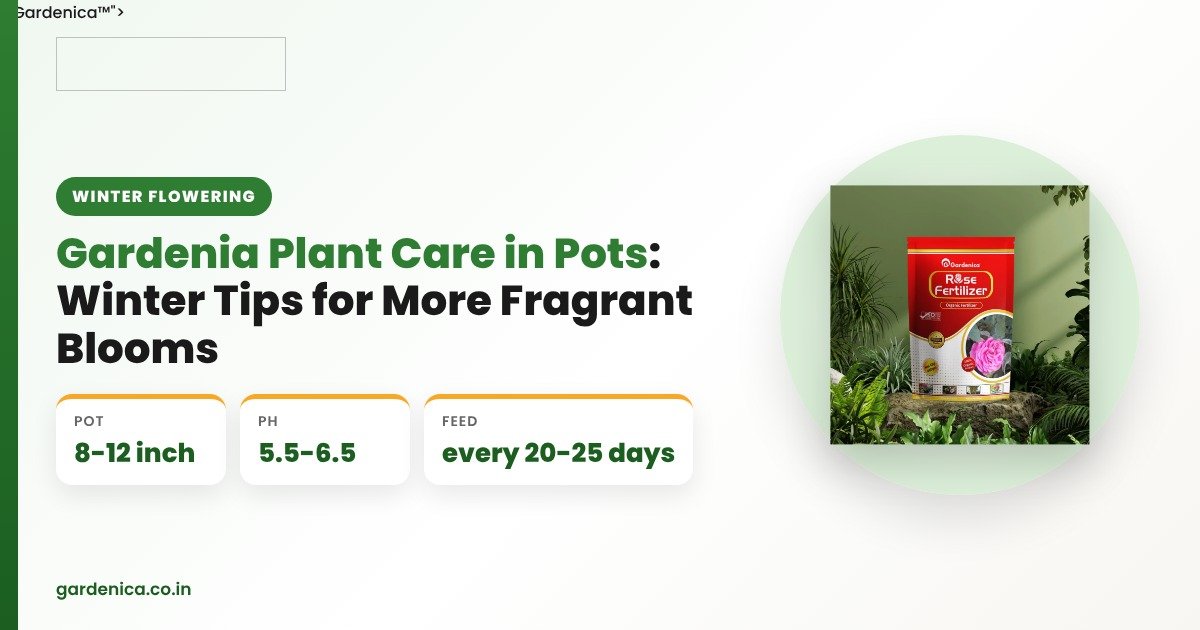
Gardenia Plant Care in Pots: Winter Tips for More Fragrant Blooms
Gardenia Plant Care in Pots: Winter Tips for More Fragrant Blooms
There is a winter evening when the whole balcony smells of gardenia, and the flowers are still shut. Then the buds turn yellow and drop a week later, leaving green leaves and no bloom. That is the usual story with gardenia (chandan in Hindi) in Indian pots, and most of it comes down to soil pH, pot size and steady watering. This guide covers gardenia plant care in pots through the winter months.
Why Gardenia Is Difficult in Pots
Gardenia comes from acidic soils in warm, humid parts of Asia. Indian tap water is hard, and most bagged potting mixes lean neutral to alkaline. The plant keeps growing but cannot pull iron out of that mix, so new leaves come out pale while the veins stay green.
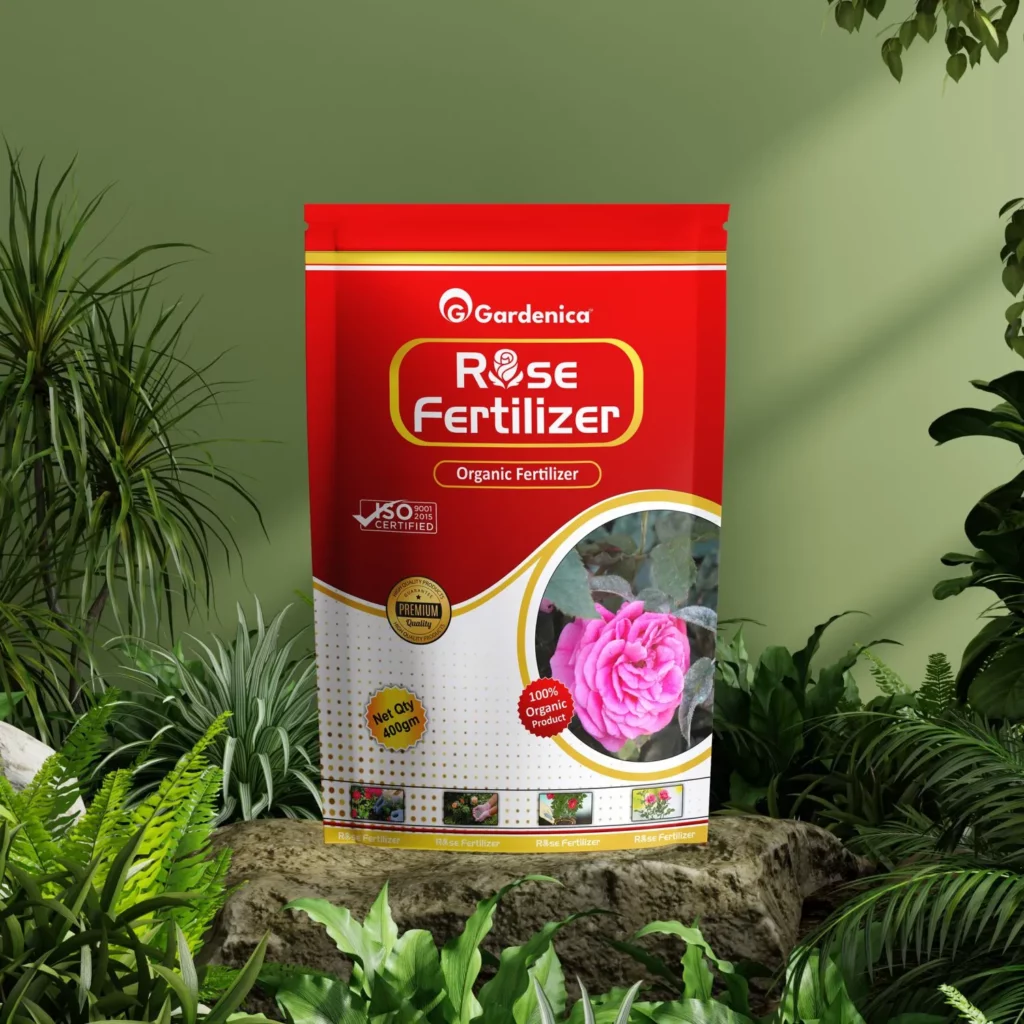
Read more: Explore Gardenica Rose Fertilizer
Winter adds a second problem. Cool nights slow the roots, so a plant that drank a litre a day in June now needs far less, and wet cold soil is how root rot starts. Pale leaves from lime and yellowing from soggy soil look alike, but the fixes differ.
Choosing the Right Pot
Gardenia roots are thin and fine, and they like a snug pot. A 6-8 inch pot suits a young cutting plant, a nursery plant bought in flower wants 8-12 inch, and a mature shrub settles into 12-16 inch.
The Mix That Keeps the pH Right
This is the biggest reason gardenia fails where jasmine and rose do fine. Build a mix that drains fast and stays slightly acidic, in the 5.5-6.5 range:
- Garden soil or loam. Two parts, sieved, so roots push through easily.
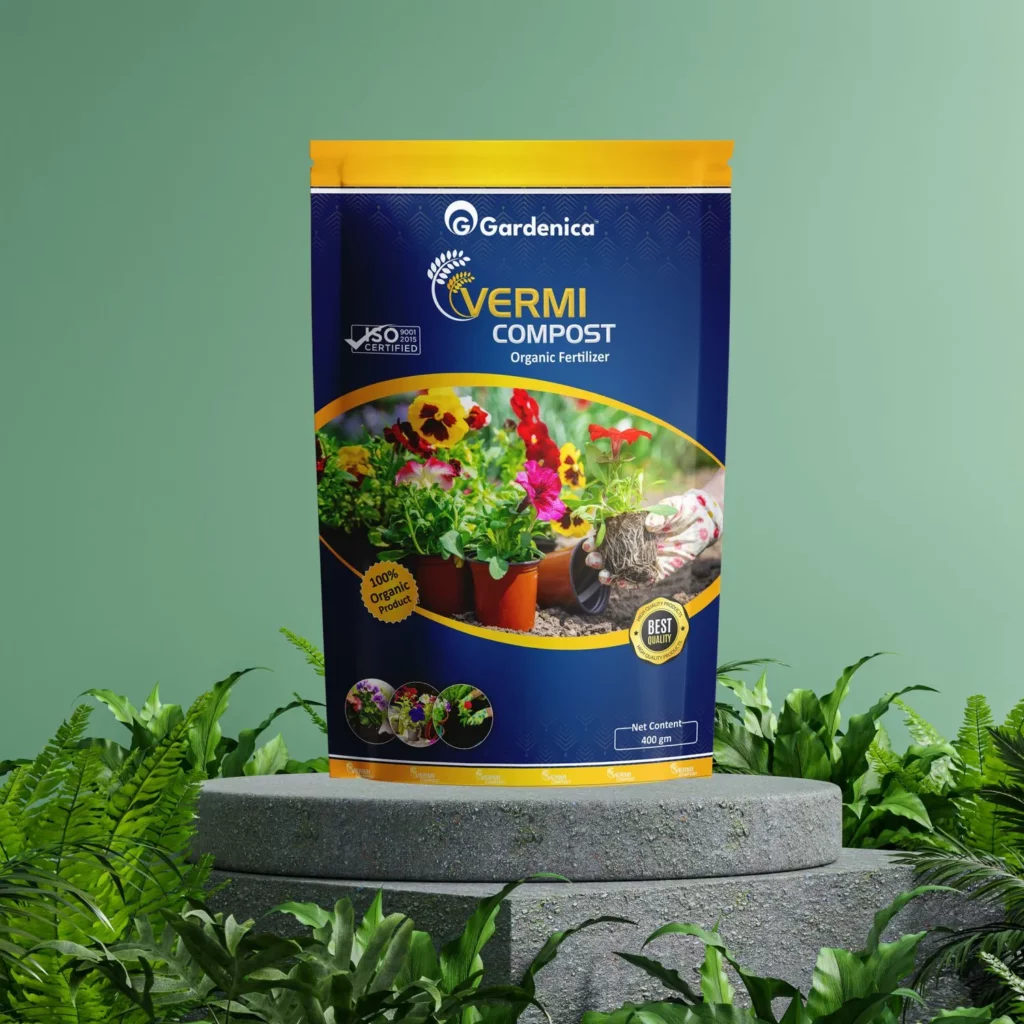
- Vermicompost. One part, well-rotted and dark. Vermicompost for plants covers telling mature compost from raw.
- River sand or perlite. One part, so no water sits against the roots.
- Coir pith or leaf mould. Half a part, for a mild acidic tilt.
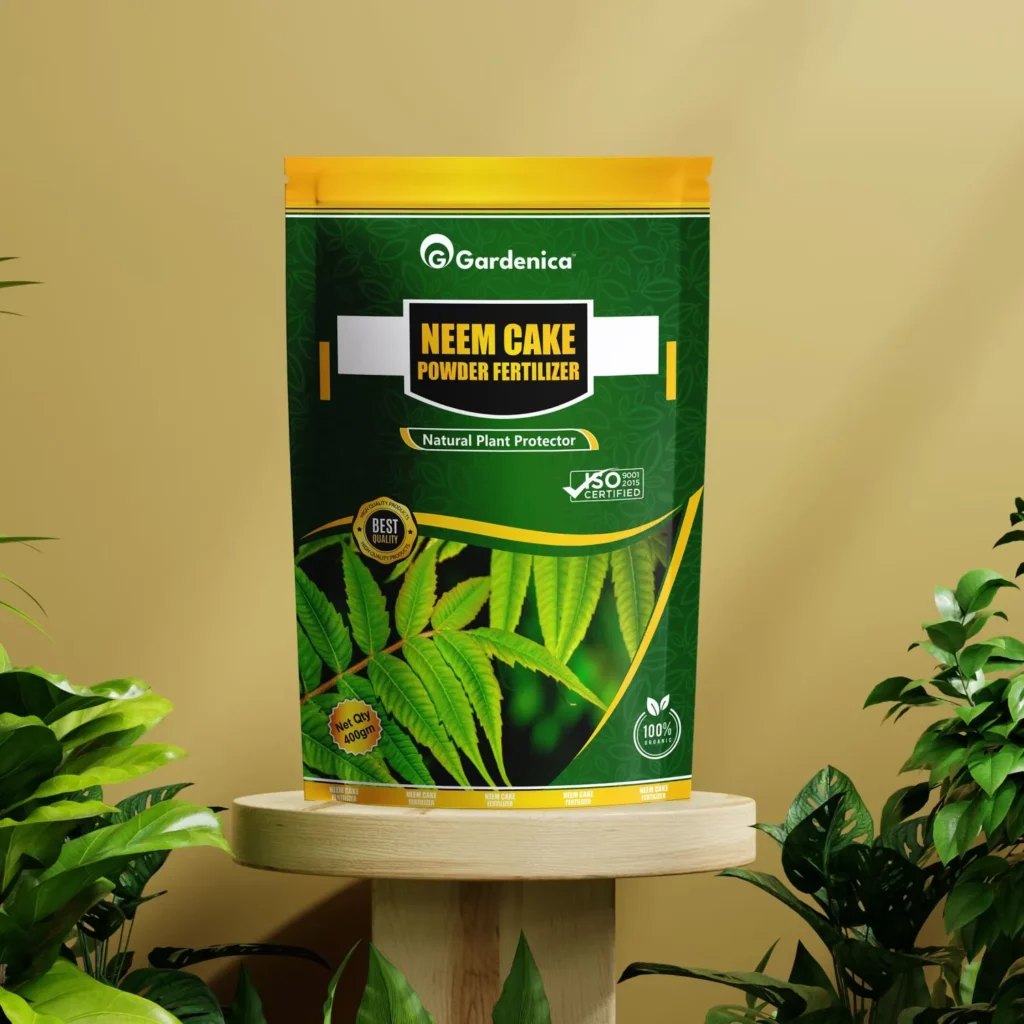
Work in a handful of Neem cake powder per 10 litres of mix. Skip garden lime, shell lime and bone flour.
Watering Through Winter
Cold roots take up little, and hard water leaves a white lime crust on the pot rim. Keep to a 3-5 day gap in winter and 1-2 days in summer, with 1-1.5 litres per pot in the cold months and 2-3 litres in the heat. Feed every 20-25 days in winter and every 12-15 days in summer.
Feeding for Flowers, Not Just Leaves
Feed on moist soil, never on a dry root ball, and keep it light.
- Rose fertilizer. A balanced feed for flowering shrubs that supports branching and bud set, at the dose on the label.
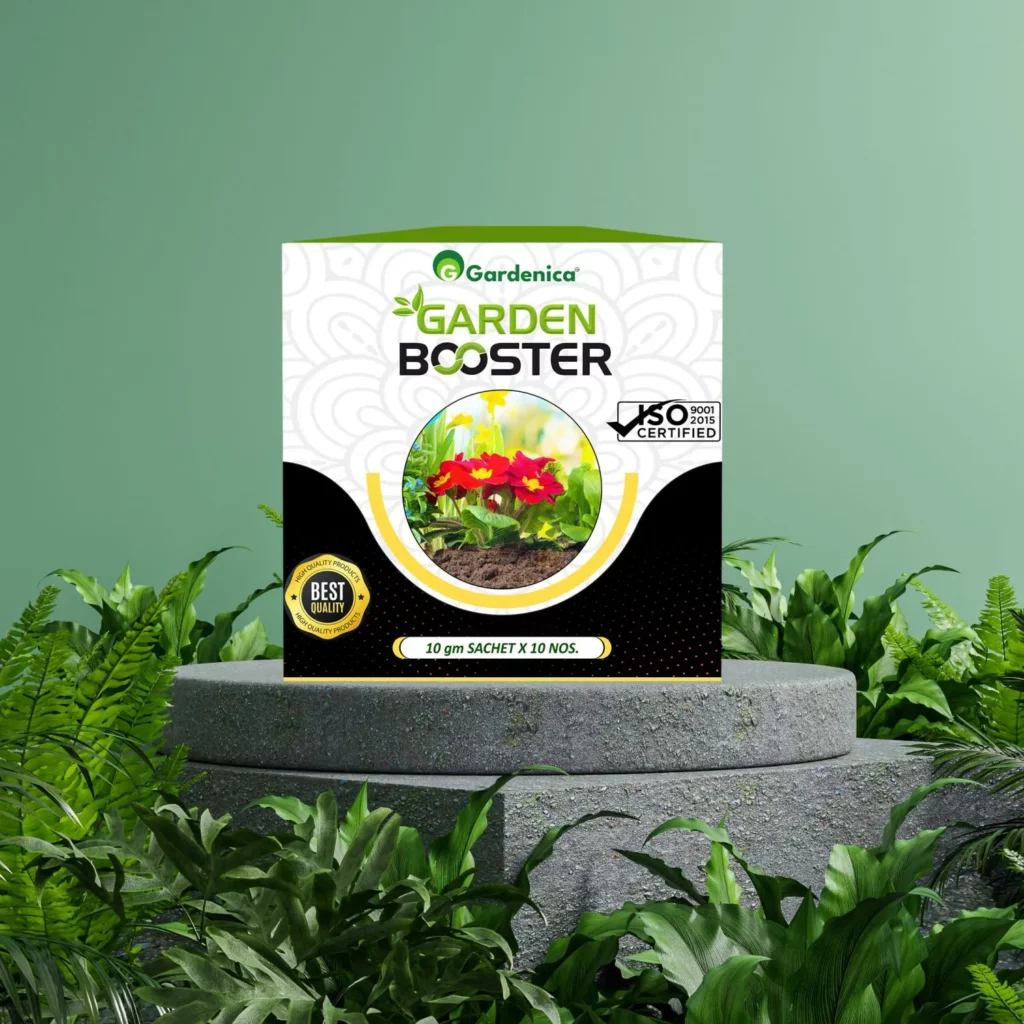
- Garden booster. Humic acid with micronutrients, which helps roots take up iron in an alkaline mix. Alternate it with the feed above.
- Vermicompost top dress. A handful scratched into the top every two months, kept off the stem.
Light and Position
Gardenia wants four to six hours of direct sun in winter, in the same spot all through December and January. Full shade gives leaves and almost no flowers. In May and June, move it behind a shade net, because hot afternoon sun scorches leaf edges.
Do not shift the pot while buds form. A plant carried from a sunny corner to a shaded corridor often drops every bud within a week, since the light change reads as stress. Pick one winter position and leave it until March.
Pruning for More Blooms
Gardenia flowers on wood made in the previous warm season, so heavy winter cutting removes next winter's flowers.
Have a question about this topic?
Chat on WhatsApp- Wait for the flush to finish. Prune only after the current flowers fade.
- Cut above a leaf pair. Take the stem back to just above an outward-facing pair, at a slight angle.
- Thin the middle. Remove two or three of the oldest inner stems so light reaches the centre.
- Pinch new shoots. When a shoot passes six leaves, pinch the tip to push side branches, since flowers form there.
Fixing Bud Drop and Yellow Leaves
Work down this list in order. Bud drop is nearly always water, light or position before it is a pest.
- Buds yellow and fall, leaves fine. Soil dried between waterings, or the pot moved. Hold a steady morning schedule and stop shifting it.
- New leaves pale, veins green. Iron locked out by lime. Switch to stored or rain water and feed humic at the label dose.
- Old leaves yellow, soil soggy. Overwatering in cold weather. Let the top two inches dry and check the drainage holes.
Safe Use at Home
Wear gloves when pruning, since gardenia bleeds a sticky sap that clings to skin, and disinfect shears with spirit between plants. Keep fertiliser and sprays away from children and pets, and do not spray a plant bees are working in the morning. Store packs closed and in the shade, and follow the label on every product, including the dose.
What to Check Before You Buy
Nurseries sell gardenia in bright flower, which is when it settles into your pot least easily.
- Pot size. Buy a plant in a 6-8 inch nursery pot rather than a forced specimen loaded with open flowers.
- Mix ingredients. Look for compost and coir in the bag, and check that no lime or bone flour is listed.
- Use per pot. Match the fertiliser pack to the number of pots you have.
- Plant condition. Reject plants with yellow new leaves or bud scars, since you are buying someone else's pH problem.
Frequently Asked Questions
Does gardenia need full sun?
In winter it wants four to six hours of direct sun, which is the strongest light most Indian balconies get. In summer, protect it from harsh afternoon sun after 1 pm so the leaf edges do not scorch.
Why are the buds on my gardenia falling off before opening?
The usual cause is the soil drying out between waterings, or the pot being moved while buds were forming. Keep watering steady in the morning and leave the pot in one position until the flowers open.
What is the best soil for gardenia in pots?
Two parts garden soil, one part well-rotted vermicompost, one part river sand and half a part coir or leaf mould, aiming for a pH of 5.5-6.5. Do not add garden lime, shell lime or bone flour, because gardenia needs slightly acidic soil to take up iron.
When should I prune a potted gardenia?
Lightly, right after the current flowers fade, so late winter or early spring. Cut above an outward-facing leaf pair and thin two or three old inner stems. Avoid hard cutting, since flowers form on wood made in the previous warm season.
How often should I feed gardenia in winter?
Every 20-25 days at the dose printed on the label, on soil that is already moist. Alternate a balanced flowering feed with a humic acid feed so the roots can use iron in the mix.
Is gardenia a good plant for a balcony?
Yes, if the balcony gets real sun for part of the day and you can keep the pot in one place. It suits a corner with 4-6 hours of winter light, and the scent is strongest in the evening near a corridor or seating area.
Why are the new leaves on my gardenia yellow with green veins?
That is iron chlorosis from lime in hard water or alkaline soil, not a lack of fertiliser. Switch to stored, rain or filtered water, work compost into the top layer, and feed with humic acid. New growth should green up over two or three flushes.
Conclusion
Good gardenia plant care in pots comes down to a slightly acidic, free-draining mix, a snug terracotta pot, steady morning watering with stored water, a light feed every 20-25 days in winter, and one pruning after the flush rather than a hard cut. Keep the position fixed while buds form, and work down the bud-drop list before reaching for a stronger product. Start with the mix and the pot this month. See the Flowering plant range or Contact the Gardenica team on WhatsApp at +91 95120 17162 for help choosing feeds for your pots.
Disclaimer: This article is general gardening information. Results vary with plant, pot, soil, weather and care. Always read and follow the product label.
Looking for more?
Continue to our main page to explore products and services.