How to Grow Balsam in Pots: A Gulmehndi Guide for Indian Balconies
How to Grow Balsam in Pots: A Gulmehndi Guide for Indian Balconies
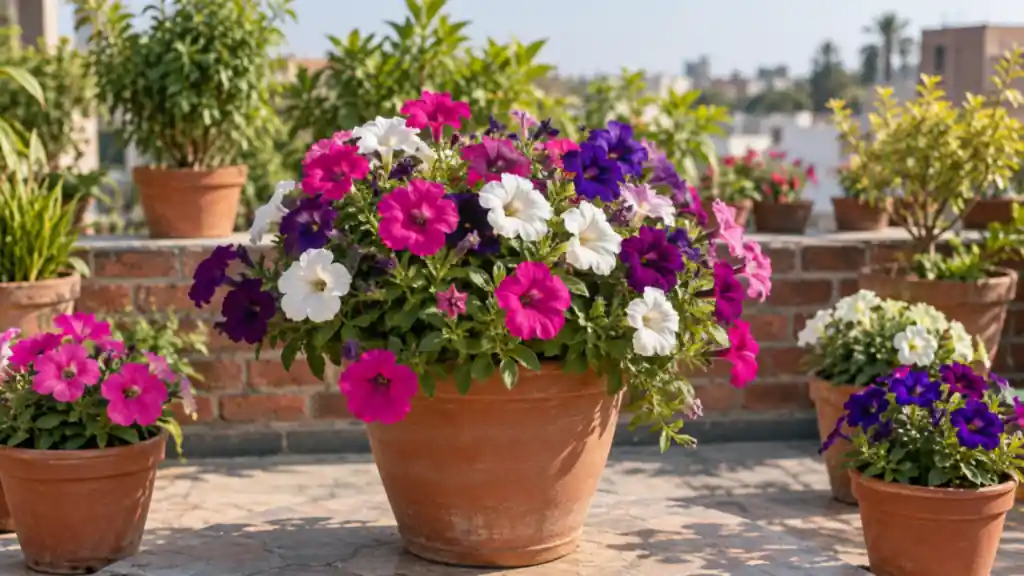
A row of balsam pots along a balcony railing, each one loaded with pink, red, orange and white blooms from December to March, is one of the cheapest winter displays an Indian home can make. This guide shows you how to grow balsam in pots from seed or cutting, how to pinch it so it branches instead of growing one tall leggy stem, and what to feed it so flowers keep coming instead of buds dropping.
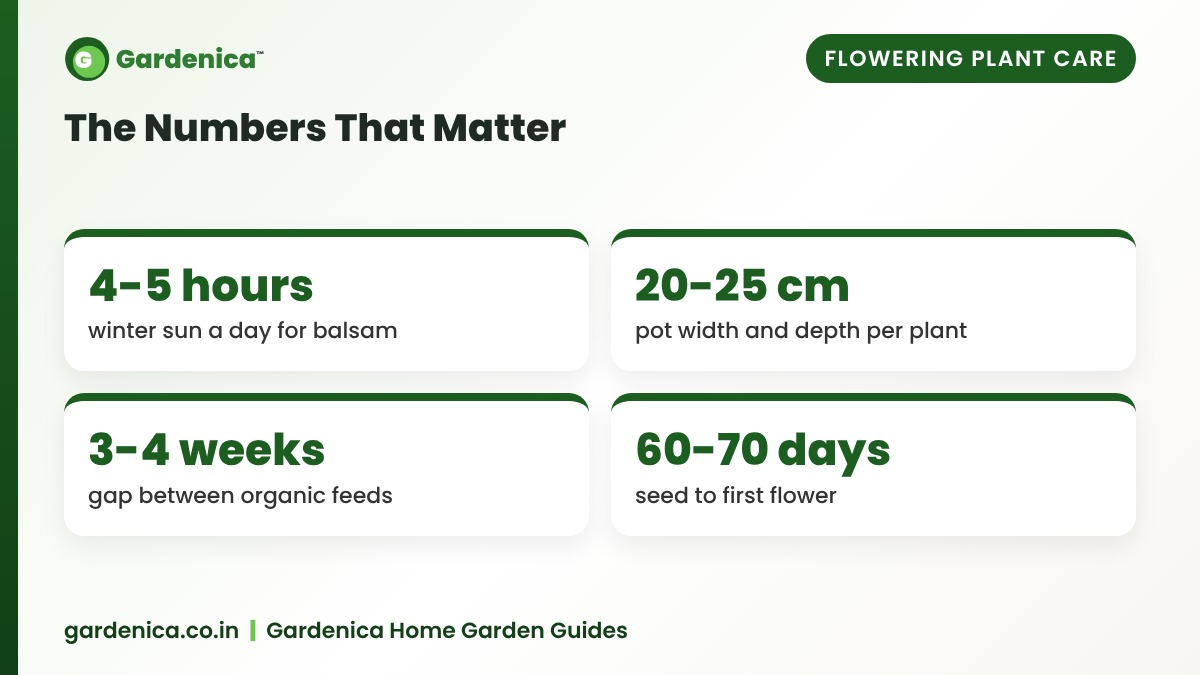
Balsam, called gulmehndi or phool dhara in Hindi, is a soft-stemmed annual that germinates in about a week and flowers in roughly two months. It loves the cool, dry weeks of the Indian winter and struggles in the humid monsoon, when stems go soft and flowers fall. If your balcony gets four hours of winter sun, you already have what it needs.
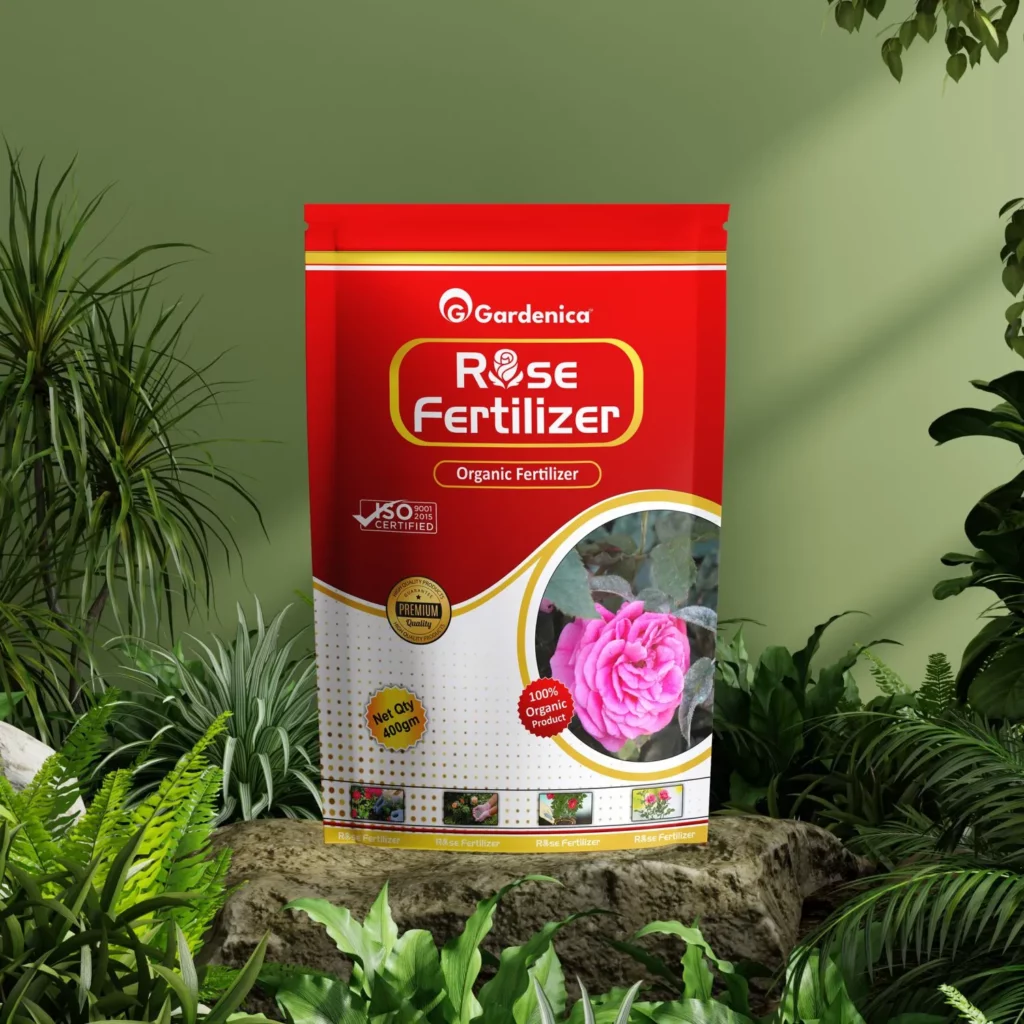
Read more: Explore Gardenica Rose Fertilizer
Why Balsam Suits Winter Pots
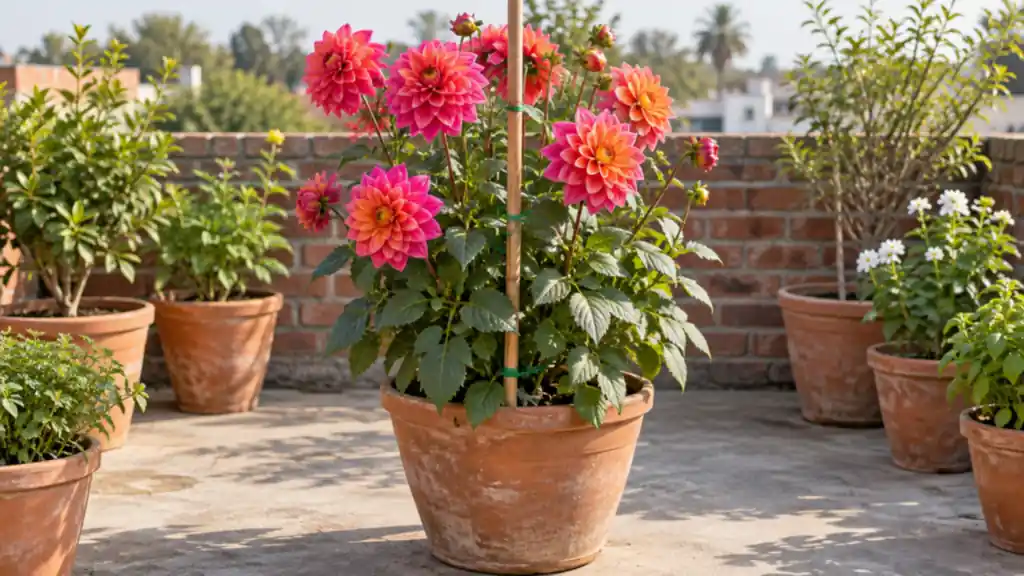
Gulmehndi flowers best when nights sit between 15 and 25 degrees Celsius and the sun is mild, which is what most of the plains get from November to February. It also tolerates shade better than most flowering plants, so a balcony that only gets morning light still works, where roses or dahlias would stay thin.
Two things decide success. Drainage, because fleshy stems turn watery the moment soil stays soggy. And pinching, because an unpinched balsam grows one tall stem with a few flowers at the top and looks bare at the base.
Pot and Potting Mix
Pot size
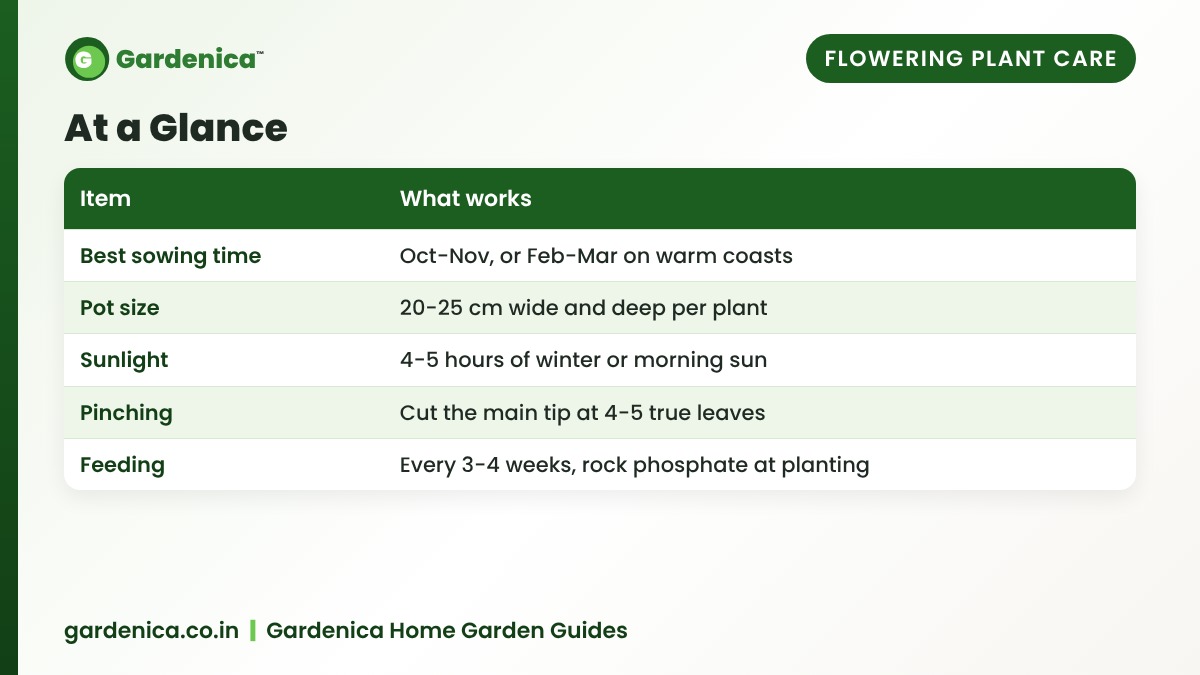
Use a 20-25 cm pot, as wide as it is deep, for one plant. Balsam roots spread shallowly, so a wide tub or a long balcony planter with plants 25 cm apart beats a tall narrow pot. Terracotta dries faster and suits humid coasts; glazed or plastic pots hold moisture better on a hot, windy terrace.
Best soil for balsam
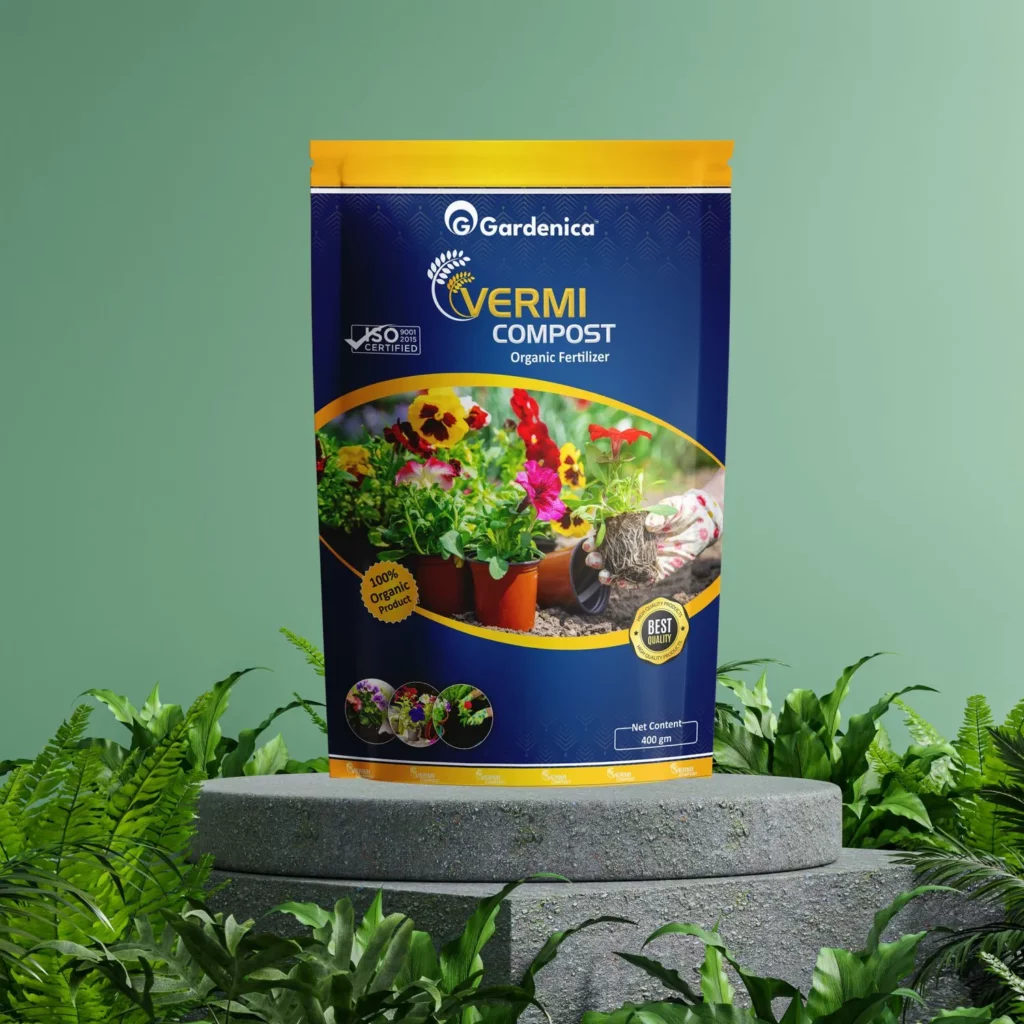
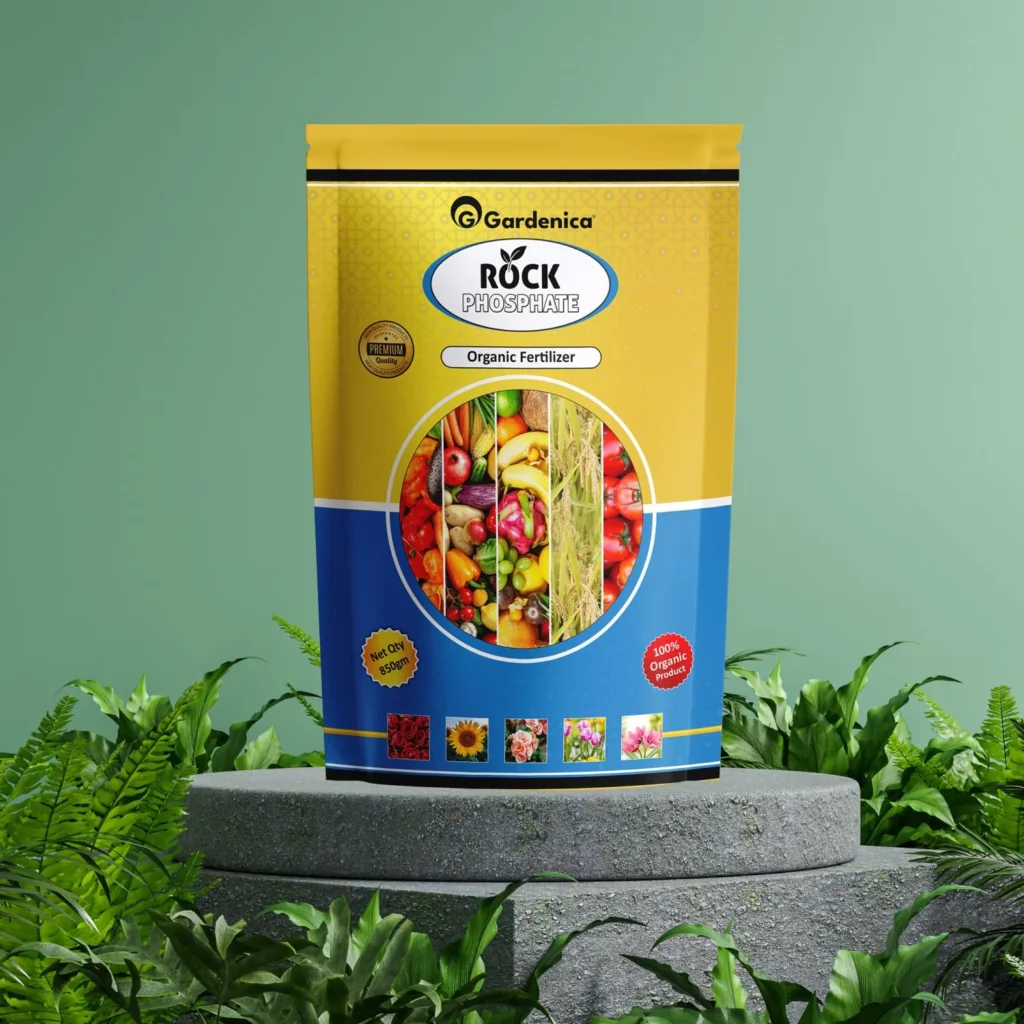
Use a light mix that drains within a minute or two: two parts garden soil or vermicompost, one part cocopeat and one part sand or perlite. Work a handful of rock phosphate in at planting, at the dose on the label, since phosphorus supports roots, flowering and fruiting. Our potting mix for kitchen gardens guide follows the same rules.
Sowing Seeds or Rooting Cuttings
Balsam seeds are black, round and slightly wrinkled, and stay viable for a year or two in a dry jar. Fresh seed is quickest; cuttings let you copy a colour you like.
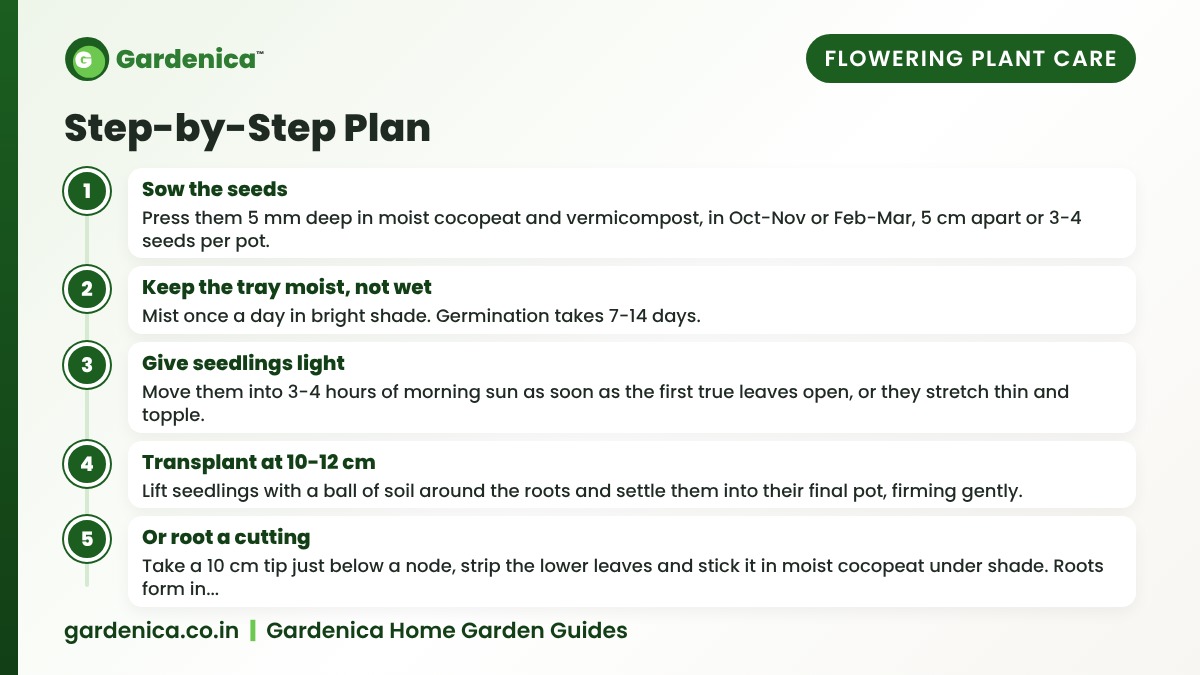
- Sow the seeds. Press them 5 mm deep in moist cocopeat and vermicompost, in Oct-Nov or Feb-Mar, 5 cm apart or 3-4 seeds per pot.
- Keep the tray moist, not wet. Mist once a day in bright shade. Germination takes 7-14 days.
- Give seedlings light. Move them into 3-4 hours of morning sun as soon as the first true leaves open, or they stretch thin and topple.
- Transplant at 10-12 cm. Lift seedlings with a ball of soil around the roots and settle them into their final pot, firming gently.
- Or root a cutting. Take a 10 cm tip just below a node, strip the lower leaves and stick it in moist cocopeat under shade. Roots form in 2-3 weeks.
See our guide to damping off in seedlings, the most common reason balsam seedlings collapse at the soil line.
Pinch the main tip at four to five leaves and one balsam stem becomes eight flowering stems.
Pinching and Pruning for More Flowers
When a seedling has 4-5 true leaves beyond the seed leaves, cut the growing tip off just above a pair of leaves with clean scissors. Two side shoots take over, and each can be pinched once after 3-4 nodes. Two rounds give a low, wide bush carrying dozens of flowers instead of a few at the top.
Deadheading
Balsam makes a pod that bursts and scatters seed as soon as a flower is pollinated. Snap off faded flowers and young pods every few days so the plant keeps making new buds. This habit is the honest answer to how to get more flowers on balsam.
Cleanup pruning
Trim yellow or rubbing lower leaves and cut back stems that flop onto the soil. Do not cut the whole plant to a single node, since old balsam wood often fails to push fresh shoots.
Watering, Sunlight and Feeding
Watering
Water when the top 2 cm feels dry, usually once a day in winter and twice on hot, windy afternoons. Water the soil, not the flowers, and empty the saucer. Repeated sogginess turns stems translucent and black at the base, the pattern in our post on root rot in potted plants.
Have a question about this topic?
Chat on WhatsAppSunlight
Aim for 4-5 hours of direct sun in winter. A Delhi balcony in December takes full sun all day; a Chennai or Mumbai balcony does better with the pot behind a sheer curtain after 1 pm, since harsh light bleaches petals.
Feeding
Mix in vermicompost and rock phosphate at planting, then feed every 3-4 weeks. A balanced organic feed such as Rich Fertilizer keeps growth steady, Rose Fertilizer supports flowering, and a seaweed feed like All In One helps through heat stress. Always use the dose on the label. Yellowing with pale veins means the feed is too weak, not that the plant needs more water. Neem cake on the top layer keeps soil healthy between feeds, as in our neem cake powder for plants guide.
Fixing Dropping Buds and Few Flowers
Buds fall before opening
The usual causes are a dry spell followed by heavy watering, no pinch so the plant pushes one tall stem, or a pot in a cold, still corner. Even watering, one more pinch on a young plant and a brighter spot fix most cases.
Leggy plant with flowers only on top
Not enough light plus no pinching. Move the pot into more winter sun and cut out the tip; new side shoots appear within a fortnight.
Soft, watery stems and rot at the base
Almost always a waterlogged mix or monsoon rain on a plant that cannot dry out. Tip the pot sideways, scrape off the wet top layer, replace it with dry cocopeat and hold water for two days.
Sticky leaves, sooty film, distorted buds
Check the growing tip for white, cottony clusters. Our page on mealybugs on plants explains the organic spray routine, and preventive neem oil sprays at the label dose help keep soft-bodied insects off new shoots.
Common Mistakes to Avoid
- Sowing or transplanting in the peak of the monsoon, when humid air rots stems.
- Never pinching the seedling, which gives one tall, bare, floppy stem.
- Letting seed pods ripen on the plant, which slows new flowering.
- Watering a little every day so the top layer stays wet and the base rots.
- Using a tall, narrow pot or a heavy clay-soil mix that does not drain.
- Hard pruning in summer heat instead of shifting the pot to lighter shade.
Frequently Asked Questions
When should I sow balsam seeds in India?
Sow in Oct-Nov for blooms from December to March, or in Feb-Mar in cooler regions for a shorter spring show.
Does balsam need full sun?
It flowers best with 4-5 hours of direct sun but tolerates bright shade after that, which makes it good for a balcony with only morning light.
Why are my balsam buds falling off?
Irregular watering, weak light or an unpinned, leggy plant. Water on a steady schedule, move the pot to brighter light and pinch young plants.
How do I make balsam grow bushy?
Pinch the main tip above a pair of leaves at 4-5 true leaves, then pinch each new shoot once after 3-4 nodes.
Is balsam a perennial?
No, gulmehndi is an annual that finishes after setting seed, usually by early summer. Save a few ripe pods and sow the fresh seed next October.
Which fertiliser gives more balsam flowers?
Work rock phosphate and vermicompost in at planting, then feed every 3-4 weeks with a balanced or bloom-oriented organic feed at the dose on the label.
Grow a Healthy Balsam Pot This Winter
Balsam rewards attention faster than almost any other pot flower: sow in October, pinch once in November and you are picking blooms in January. Keep the mix free-draining, water on a rhythm, deadhead weekly and feed monthly, and one 25 cm pot holds colour on your railing all winter. A rose and flowering plant feed is a simple monthly addition when you want the display to last. For help choosing feeds for your balcony, Contact the Gardenica team.
Looking for more?
Continue to our main page to explore products and services.