Damping Off in Seedlings: Why Young Plants Collapse and How to Stop It
Damping Off in Seedlings: Why Young Plants Collapse and How to Stop It
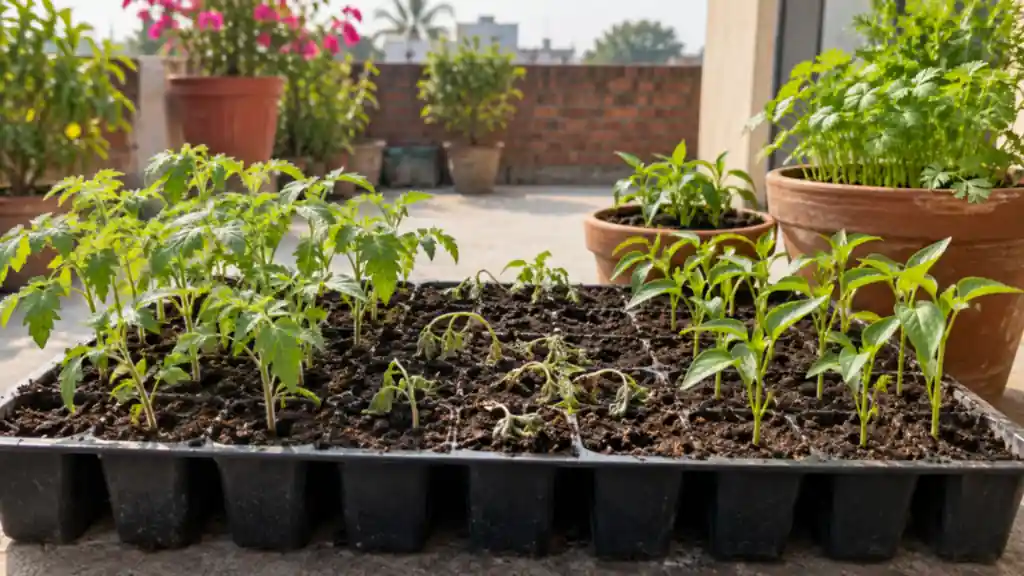
You sow a tray of tomato or chilli seeds, they sprout evenly, and a few days later a patch of seedlings has fallen over as if someone pinched each stem at the soil. This is damping off in seedlings, one of the most common reasons home gardeners lose young plants in seed trays and small pots. The good news is that it is largely preventable once you understand what causes it. This guide explains the signs, the reasons it happens on Indian terraces and balconies, and the practical steps that keep your next batch standing.
What is damping off in seedlings?
Damping off is not one single disease. It is the name for seedling death caused by several soil-borne fungi and water moulds, most often Pythium, Rhizoctonia, Fusarium and Phytophthora. These organisms live in soil, old potting mix, unwashed pots and garden debris, and they attack soft young tissue before it has a chance to toughen.
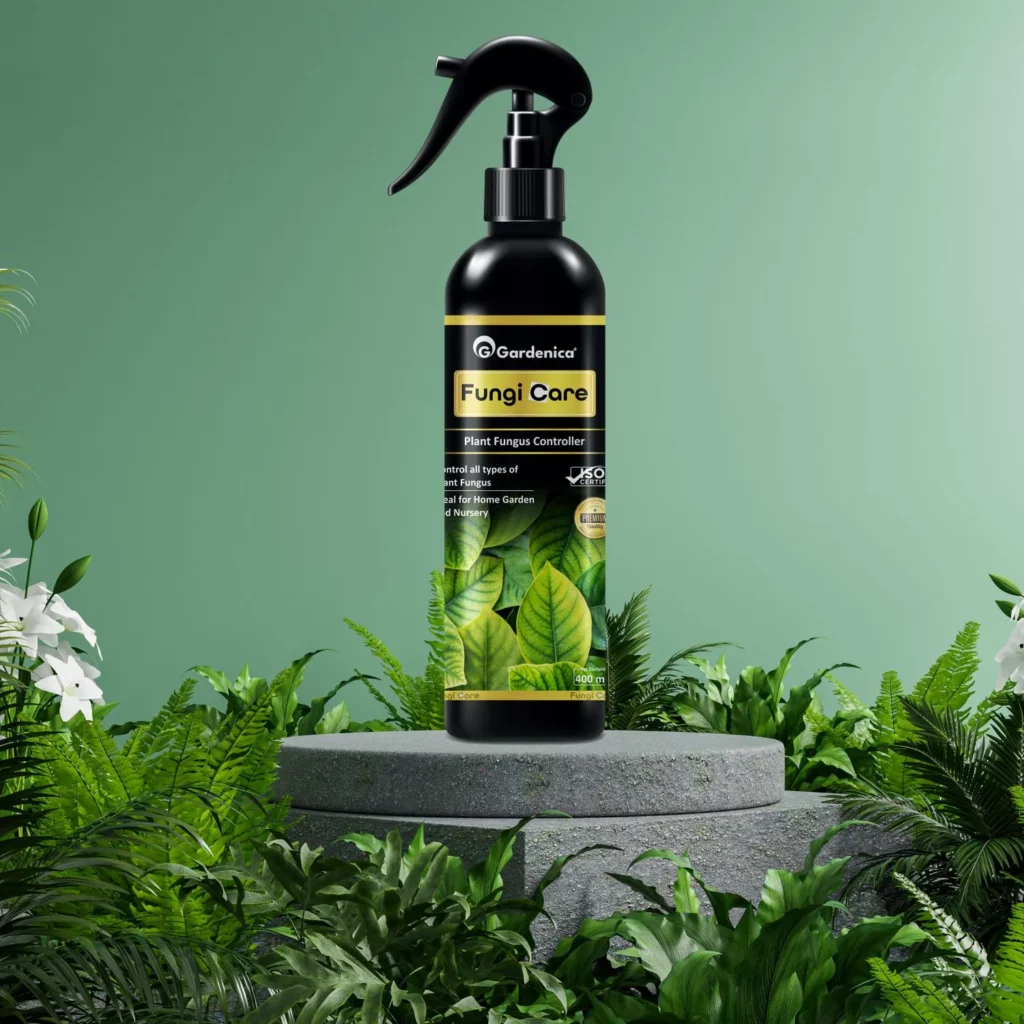
Read more: Explore Gardenica Fungi Care
Pre-emergence and post-emergence damping off
Gardeners usually notice only one type, but there are two:
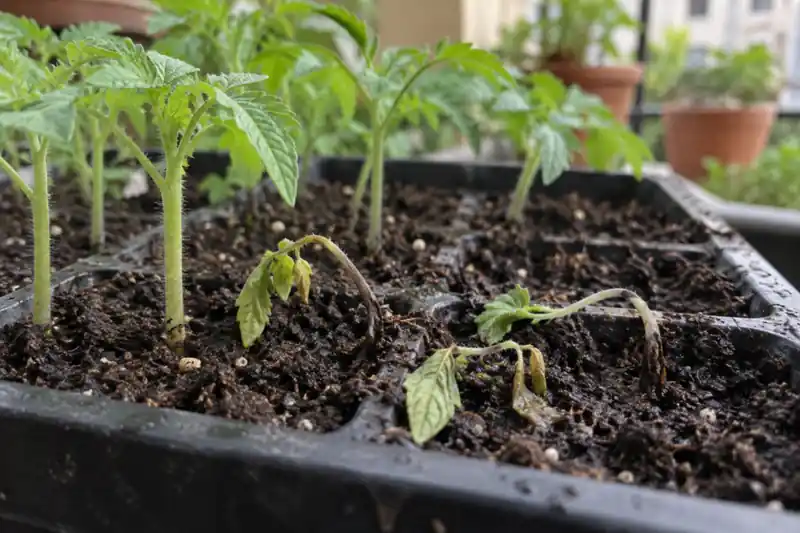
- Pre-emergence: the seed rots or the sprout dies under the soil, so it looks like poor germination.
- Post-emergence: the seedling comes up, then collapses at the soil line within days or a couple of weeks.
Which plants are affected?
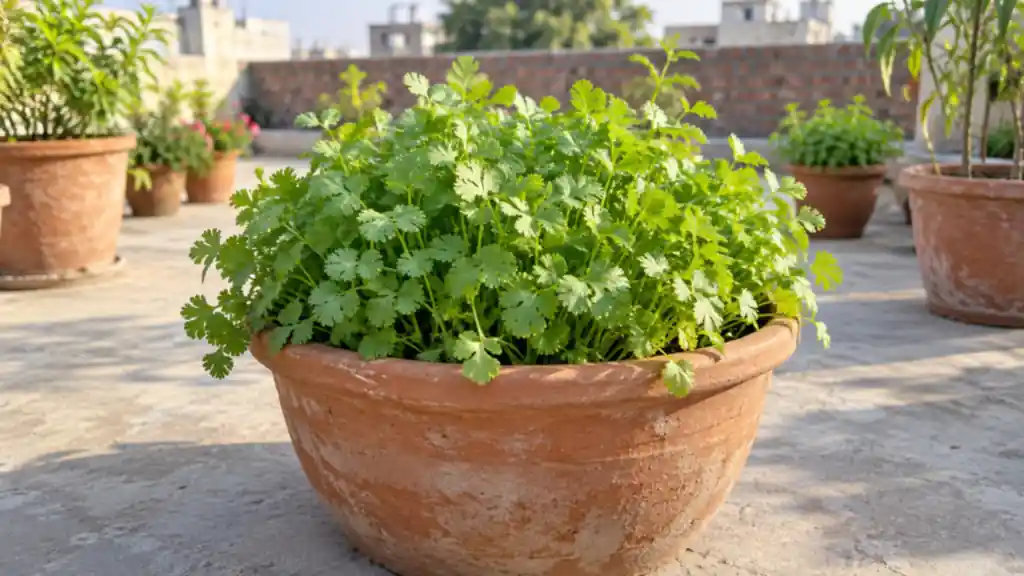
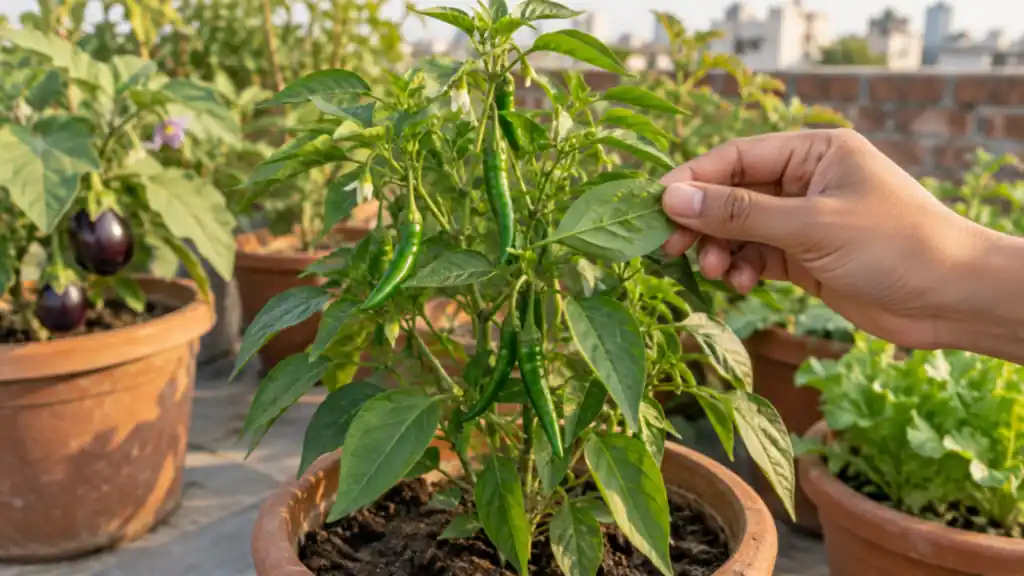
Almost any seedling can be hit, but tomato, chilli, brinjal, capsicum, cabbage, cauliflower, coriander, spinach and many flower seedlings are frequent victims in kitchen gardens.
Damping off disease symptoms to look for
Catching the problem early helps you protect the rest of the tray, even though seedlings that have already collapsed cannot be saved.
- A thin, water-soaked or brown, pinched area on the stem right at the soil surface.
- Healthy-looking seedlings that suddenly topple over and wilt.
- Bare patches in a tray where seeds were sown but nothing came up.
- Roots that look brown and thin instead of white.
- Sometimes a faint white, cottony growth on the soil surface in very humid conditions.
The losses usually spread outward in a circle from the first affected spot, because the fungi move through wet mix from plant to plant.
Why seedlings die after germination: the main causes
The fungi are common, but they only cause serious losses when conditions favour them. In most home setups, one or more of these is to blame.
Too much water
Constantly soggy mix is the biggest trigger. Water moulds such as Pythium spread easily through saturated soil, and seedling roots suffocate without air.
Heavy or reused soil
Garden soil, clay-rich mixes and old potting mix from a plant that died can carry fungal spores. Dense mixes also hold water for too long.
Crowding, low light and still air
Seeds sown thickly produce weak, leggy seedlings that stay damp and shaded. Poor airflow keeps the soil surface wet, which suits the fungi.
Dirty trays and tools
Pots and trays reused without washing can carry infected soil from the last crop.
Have a question about this topic?
Chat on WhatsAppHow to prevent damping off: step by step
October and November are busy sowing months across much of India, so this is the right time to set up good habits. If you are planning your winter crops, our guide to vegetables to grow in October pairs well with the steps below.
- Clean your containers. Scrub old trays and pots with soapy water, rinse well and let them dry in full sun.
- Use a fresh, light seed-raising mix. Avoid plain garden soil. A loose mix of cocopeat and well-rotted compost or vermicompost drains well. Our potting mix guide for kitchen gardens explains the basics.
- Sow thinly and shallowly. Follow the depth on the seed packet and leave space between seeds so air can move.
- Water gently and only when needed. Keep the mix just moist, not wet. Let the top layer dry slightly between waterings.
- Give bright light and airflow. Move trays to a spot with morning sun once seeds sprout, and avoid closed, humid corners.
- Thin out early. Snip extra seedlings at soil level with scissors rather than pulling them, which disturbs neighbouring roots.
Smart watering for seed trays
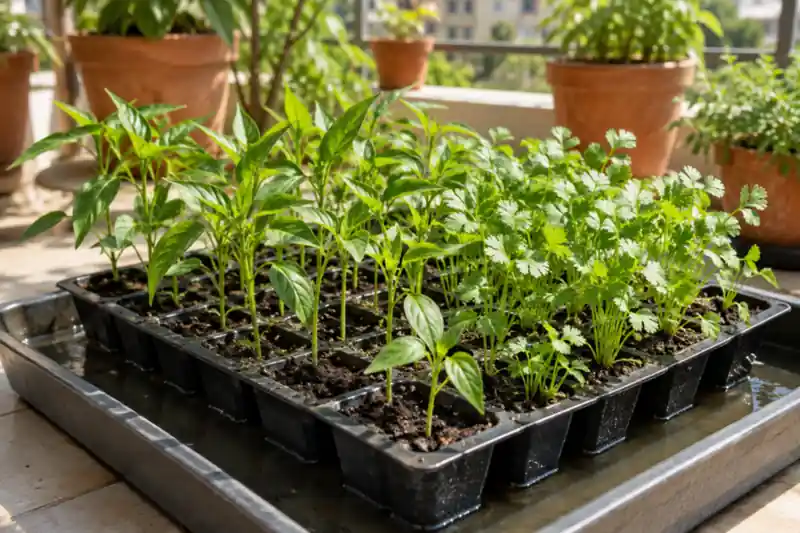
Since overwatering is the most common trigger, it deserves its own section. Many experienced gardeners water seed trays from below: place the tray in a shallow dish of water for 10 to 15 minutes, then remove it once the surface looks moist. This keeps stems and the soil surface drier. Water in the morning so any splashes dry during the day, and always use trays with drainage holes. For more on judging moisture, read our article on watering kitchen garden plants.
A quick finger test
Touch the surface of the mix. If it feels damp, wait. If it feels dry to the first knuckle in a deeper pot, water. Seedlings in small cells may need water daily in hot weather but much less on cool, cloudy days.
Organic and protective inputs that can help
Good hygiene and watering do most of the work, but some inputs can support healthy seedling soil.
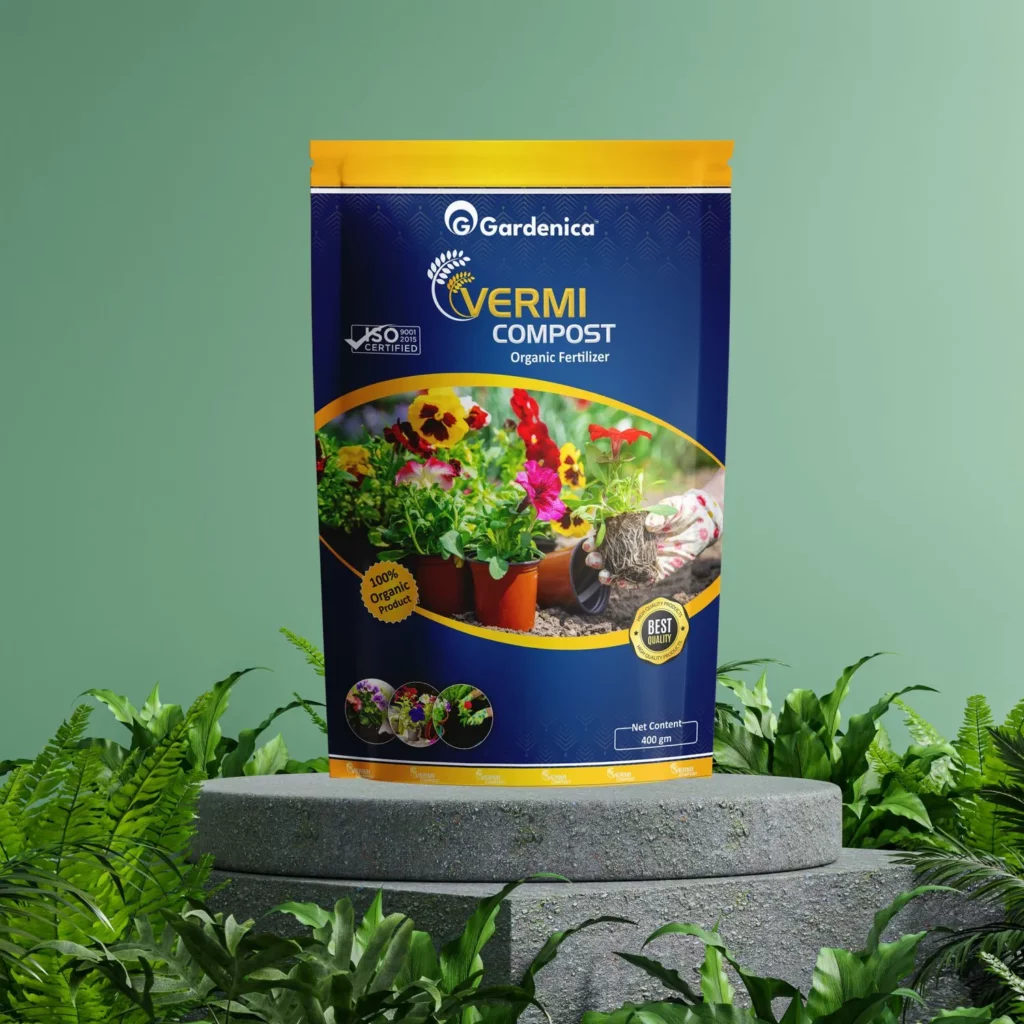
- Well-rotted compost or vermicompost: adds organic matter and beneficial microbes when used in moderate amounts. Use only fully decomposed material.
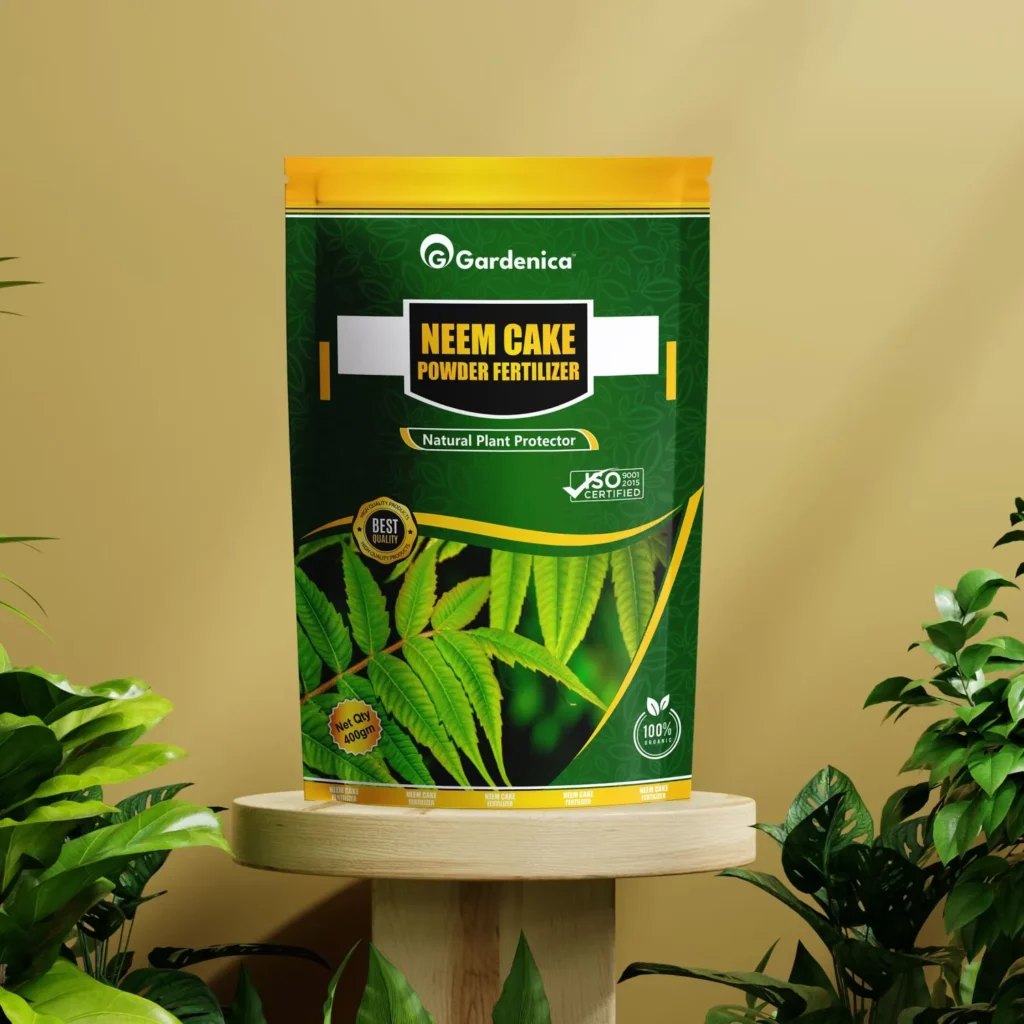
- Neem cake powder: many gardeners mix a small quantity into potting mix as an organic soil conditioner. See our neem cake powder guide for how to use it in pots.
- Trichoderma-based products: widely recommended in Indian agriculture for seed and soil treatment against soil-borne fungi. Buy from a reliable source and follow the label.
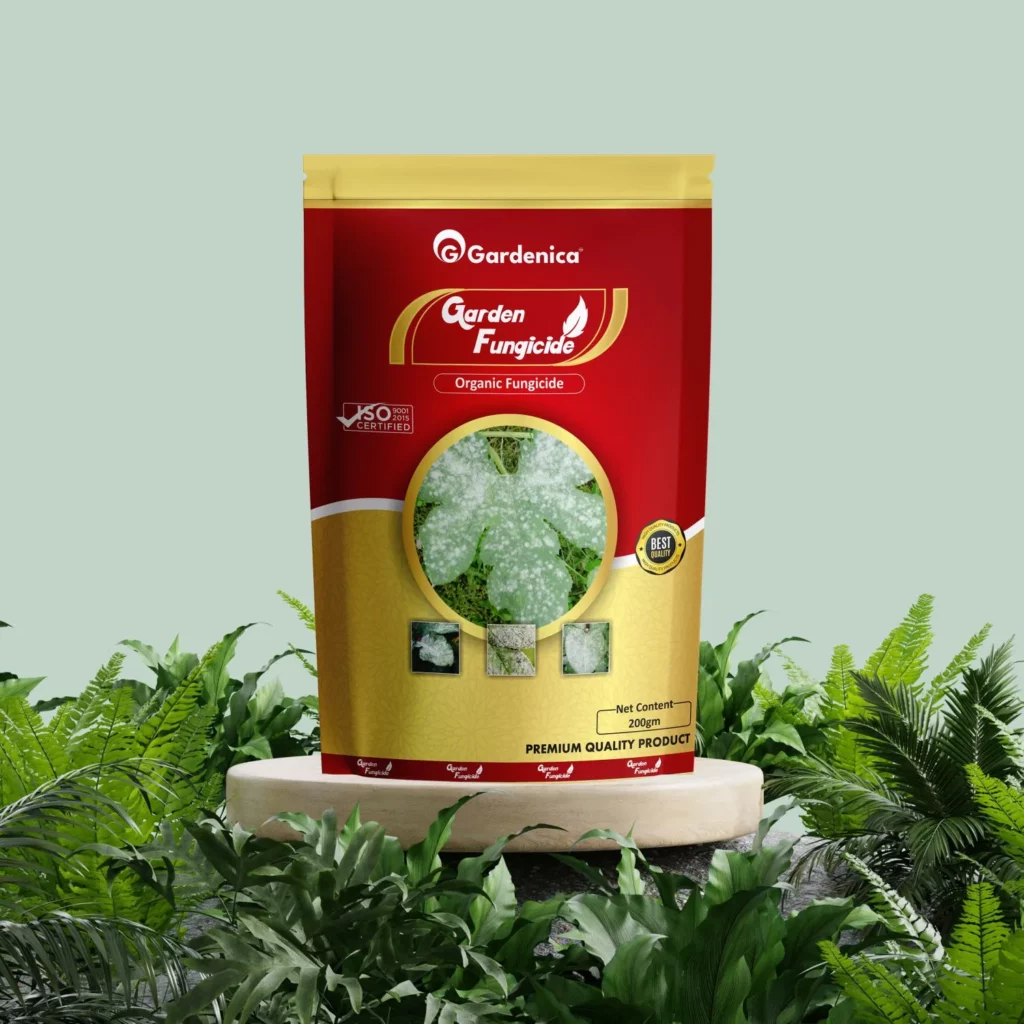
- Garden fungicides: if damping off keeps returning, a fungicide labelled for seedlings or soil drenching can protect the next sowing. Always read the label for dose, suitable crops and safety, and keep products away from children and pets.
What to do if damping off appears
Act quickly to limit the spread:
- Remove collapsed seedlings along with a little of the mix around them and discard them, not into compost.
- Stop watering for a day or two so the surface can dry.
- Improve airflow and light around the tray.
- If many seedlings are lost, empty the tray, clean it, and resow in fresh mix rather than reusing the infected soil.
Common mistakes to avoid
- Using garden soil or old pot soil for seed sowing.
- Watering on a fixed schedule instead of checking moisture.
- Covering trays with plastic and forgetting to remove it after germination.
- Sowing a whole packet in one small pot.
- Adding fresh, unrotted cow dung or kitchen waste to seed-raising mix.
- Keeping trays in a dark corner indoors for days after sprouting.
Frequently asked questions
Can seedlings recover from damping off?
No. Once the stem has collapsed at the soil line, the seedling cannot be saved. Focus on protecting the healthy ones nearby and preventing it in the next sowing.
Is damping off caused by overwatering?
Overwatering does not cause it directly, but constantly wet mix creates the ideal conditions for the fungi responsible. Correct watering is the single most useful prevention step.
Can I reuse soil after damping off?
It is safer not to use it for seedlings. Old mix can be added to an active compost pile or used for established, mature plants, while new sowings get fresh mix.
Does cinnamon prevent damping off?
Some gardeners sprinkle cinnamon powder on the soil surface as a home remedy. Evidence for it is limited, so treat it as an extra, not a replacement for clean mix and careful watering.
Which season sees the most damping off in India?
Losses are often higher in humid, cloudy spells such as the monsoon, and in cool, damp mornings during winter sowing, whenever seed trays stay wet for long periods.
Should I use a fungicide on every batch of seedlings?
Not usually. Start with hygiene, a light mix and careful watering. Consider a labelled fungicide or Trichoderma treatment if the problem keeps returning.
Grow stronger seedlings this season
Damping off is frustrating, but clean trays, a light mix, thin sowing and careful watering prevent most losses. If you need help choosing a plant-protection product, explore Gardenica Fungi Care and follow the label directions, or contact the Gardenica team for advice on your kitchen garden.
Looking for more?
Continue to our main page to explore products and services.