Mealybugs on Plants: How to Get Rid of White Cottony Pests in Pots
Mealybugs on Plants: How to Get Rid of White Cottony Pests in Pots
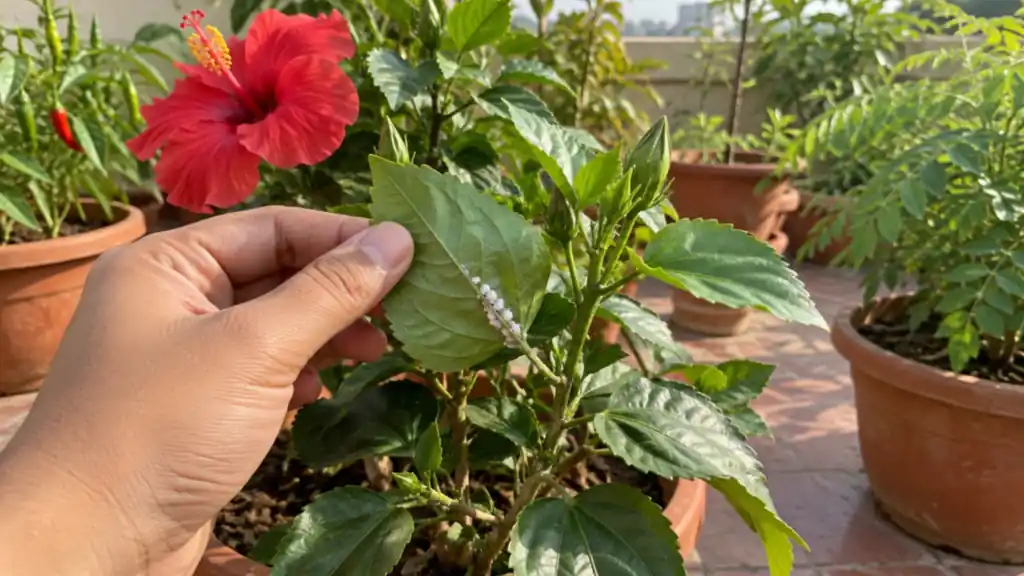
You water your hibiscus one morning and notice small white fluffy patches along the stems, and the new leaves look curled and dull. That is very often mealybugs on plants, one of the most common pests on Indian terraces and balconies. The good news is that they are easy to spot once you know what to look for, and a steady routine of cleaning, spraying and checking can bring them under control without harsh chemicals.
This guide explains how to identify mealybugs, why they keep coming back, and a practical plan to get rid of them from pots and kitchen gardens.
Read more: Explore Gardenica Pest-O-Care
What Are Mealybugs?
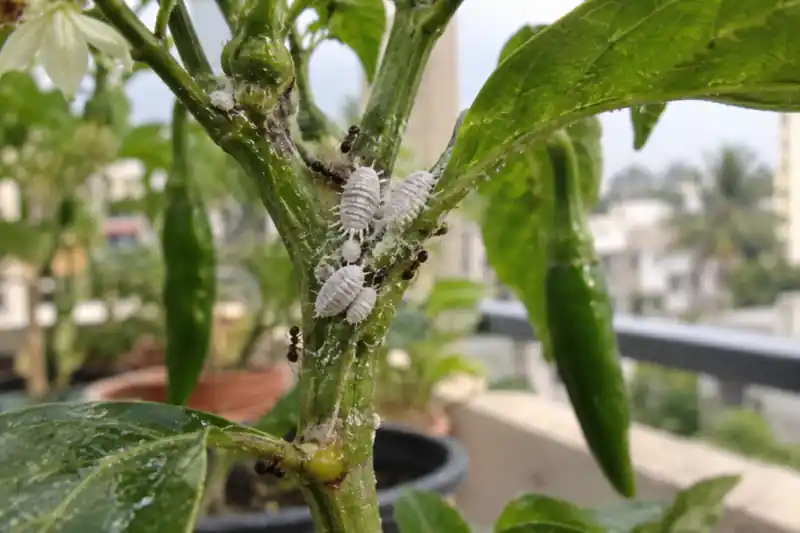
Mealybugs are small, soft-bodied insects that suck sap from leaves, stems and sometimes roots. Their bodies are covered in a white, waxy coating that looks like cotton or flour, which is how they got their name. That wax also protects them from water and many sprays, so they need a little more patience than most pests.
Plants they love in Indian gardens
- Hibiscus (gudhal), one of their favourite hosts
- Chilli, brinjal, okra (bhindi) and tomato
- Curry leaf, tulsi and jasmine (mogra)
- Papaya, guava and citrus in large pots or ground beds
- Succulents, crotons and many indoor plants
Why they spread so fast
Adult females lay hundreds of eggs inside white cottony sacs. Young crawlers walk or get carried by wind, ants, tools and new plants to other pots. In warm, dry weather and in crowded corners with poor air movement, numbers can build up within a few weeks.
How to Identify Mealybugs Early
Catching an infestation early makes control much easier. Check your plants once a week, especially new growth and hidden spots.
Signs on leaves and stems
- White, cottony clusters in leaf joints, under leaves and along stems
- Oval insects, about 2 to 4 mm long, that look dusted with powder
- Sticky honeydew on leaves and black sooty mould growing on it
- Ants walking up and down the stem; they protect mealybugs for the honeydew
- Curled, yellowing or stunted new leaves and dropping flower buds
Root mealybugs
Some mealybugs live in the soil. If a plant wilts even though it is watered, slide it out of the pot and look for white, waxy specks on the roots and the inner wall of the pot.
Mealybugs or something else?
Whiteflies fly up when you shake the plant; mealybugs stay put. Powdery mildew is a flat white coating that wipes off as dust, while mealybugs are raised and move slowly when touched. If you also see small green or black insects in groups, read our guide on aphids on plants.
How to Get Rid of Mealybugs: Step-by-Step Plan
No single spray clears mealybugs in one go. A combined plan works best, repeated over three to four weeks to catch new crawlers as eggs hatch.
- Isolate the plant. Move the affected pot away from others so crawlers do not spread.
- Prune the worst parts. Cut off heavily covered shoots and dispose of them in a sealed bag, not in your compost.
- Wash them off. Use a firm jet of water to knock off insects and egg sacs, holding a hand behind tender stems.
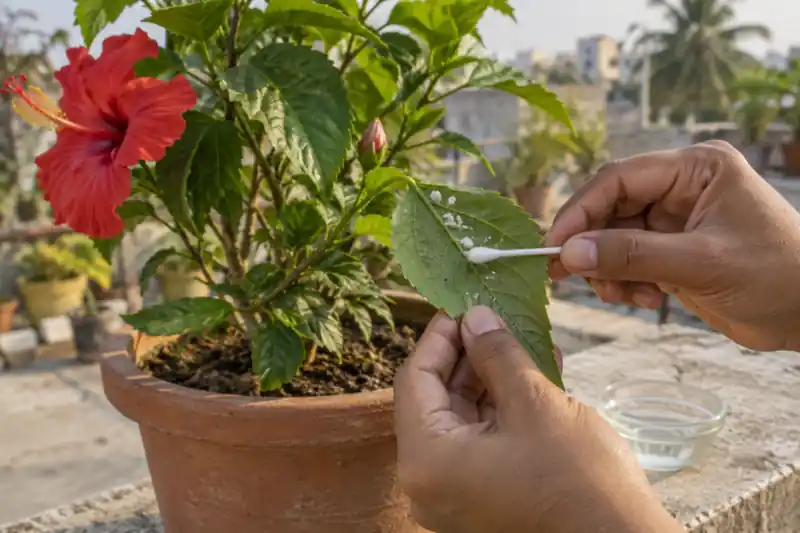
- Spot-clean with a cotton swab. Dip a cotton bud in rubbing alcohol (isopropyl) and touch each cluster. Test on one leaf first and wait a day, as some soft leaves can scorch.
- Spray the whole plant. Use a neem-based or plant-protection spray, covering leaf undersides, joints and stems.
- Repeat. Check and spray every 5 to 7 days until no new white patches appear for two weeks.
Natural and Organic Sprays That Help
Gentle sprays work by coating soft-bodied insects and disturbing their feeding. They work only on contact, so thorough coverage matters more than strength.
Neem oil spray
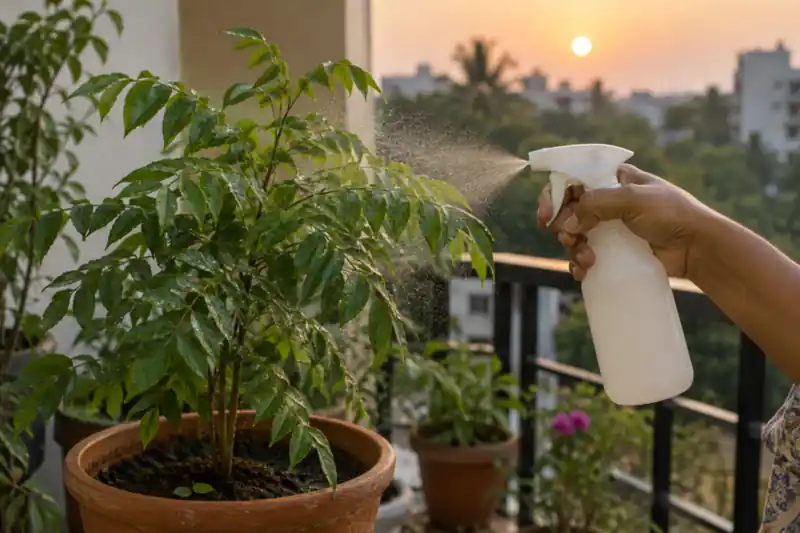
Neem oil is the most popular home remedy for sap-sucking pests. Mix it with a little mild liquid soap so it blends with water, and spray in the early morning or evening, never in harsh afternoon sun. Our guide on neem oil for plants covers mixing and safe spraying in detail. With any ready-made product, follow the label for dose.
Mild soap water
A weak solution of plain liquid soap in water can soften the waxy coat. Avoid detergents with bleach or strong fragrance, and rinse leaves with clean water after a few hours if you notice spotting.
Have a question about this topic?
Chat on WhatsAppReady-to-use plant protection
For repeat infestations, a dedicated plant-protection product saves time. Read the label for the plants it suits, the dose and the gap between sprays, and wear gloves while spraying.
Dealing With Root Mealybugs
Root mealybugs are harder to see and need a different approach.
- Take the plant out of its pot and shake off as much old soil as you can.
- Rinse the roots under running water and trim any brown, mushy roots.
- Wash the pot well with soap and hot water, or use a fresh pot.
- Repot in fresh, well-draining mix. Our guide to potting mix for kitchen gardens explains a simple recipe.
Many gardeners also mix neem cake powder into the top layer of soil as part of their routine soil care. You can read more in our post on neem cake powder for plants.
How to Prevent Mealybugs From Coming Back
Prevention is mostly about habits and healthy plants.
- Quarantine new plants for two weeks before placing them near your collection.
- Control ants around pots, since they carry and guard mealybugs.
- Avoid too much nitrogen. Soft, lush growth from heavy feeding attracts sap-suckers. Feed in balanced amounts as per the product label.
- Give space and airflow. Do not crowd pots against walls or each other.
- Welcome natural enemies. Ladybird beetles and lacewings feed on mealybugs, so avoid broad sprays when you see them.
- Inspect weekly, turning over leaves and checking stem joints.
Common Mistakes to Avoid
- Spraying once and stopping. Eggs hatch later, so the problem returns.
- Spraying only the top of leaves and missing joints and undersides.
- Spraying in strong midday sun, which can burn leaves.
- Using strong homemade mixes such as kerosene or concentrated detergent that damage plants.
- Throwing infested cuttings into the compost bin.
- Ignoring the ants that keep bringing the colony back.
Frequently Asked Questions
Are mealybugs harmful to humans or pets?
Mealybugs do not bite people or pets. They harm plants by sucking sap, and the honeydew they leave can lead to sooty mould on leaves.
Why do mealybugs keep coming back on my hibiscus?
Hibiscus is a favourite host, and hidden eggs or ants often restart the colony. Keep spraying every 5 to 7 days for three to four weeks and control ants around the pot.
Can I eat vegetables from a plant that had mealybugs?
Yes, after washing them well. If you used any spray, follow the waiting period given on the product label before harvesting.
Does neem oil kill mealybugs?
Neem oil helps control mealybugs, especially young crawlers, when it is sprayed thoroughly and repeated. It works best combined with washing and spot cleaning.
How long does it take to get rid of mealybugs?
With regular treatment, most pot plants are clear in about three to four weeks. Heavy or root infestations may take longer.
What is the best time to spray for mealybugs?
Early morning or evening, when the sun is mild. Avoid spraying just before rain or when plants are dry and stressed; water them a few hours earlier instead.
Keep Your Plants Clean and Healthy
Mealybugs are stubborn, but regular checks, a few weeks of patient spraying and healthy growing habits will keep them in check. For a ready-to-use option, explore Gardenica Pest-O-Care and follow the label directions. Have a question about your plants? Contact the Gardenica team and we will be happy to help.
Looking for more?
Continue to our main page to explore products and services.