Neem Cake Powder for Plants: How to Use Neem Khali in Pots
Neem Cake Powder for Plants: How to Use Neem Khali in Pots
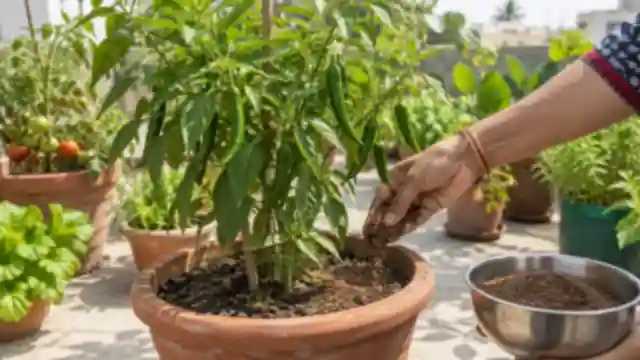
Every terrace gardener eventually meets the same problems: soil that turns tired after a season, tiny grubs chewing at roots and plants that look fed but never quite thrive. One of the oldest answers in Indian gardening is a humble brown powder called neem khali. Used the right way, neem cake powder for plants feeds the soil slowly and makes the root zone less welcoming to pests. Here is what it is, how to use it in pots and beds, how much to add and the mistakes to avoid.
What is neem cake powder (neem khali)?
Neem cake is what remains after oil is pressed out of neem seeds. The leftover seed material is dried and ground into a coarse powder, which gardeners in India know as neem khali. Because it comes from the same seed as neem oil, it carries some of the same natural compounds, including limonoids such as azadirachtin, along with organic matter and small amounts of plant nutrients.
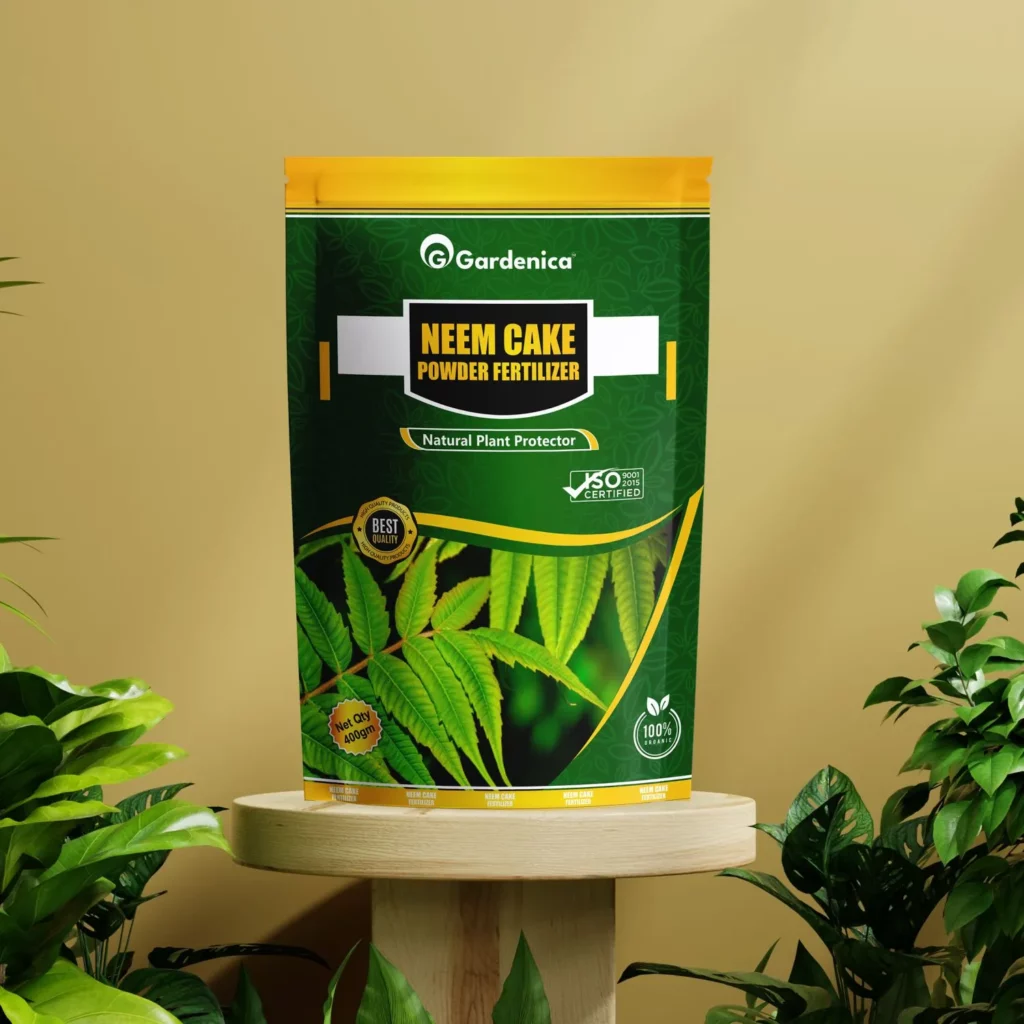
Read more: Explore Gardenica Neem Cake Powder
Neem cake vs neem oil
The two are related but do different jobs. Neem oil is diluted and sprayed on leaves to deal with pests you can see. Neem cake goes into the soil, where it breaks down slowly and works around the roots. If leaf pests are your main worry, read our guide on neem oil for plants. For soil health and root protection, neem cake is the better tool.
Is it a fertilizer or a pesticide?
It is best thought of as an organic soil conditioner with mild protective benefits. It adds organic matter and a gentle, slow supply of nutrients, but it is not a complete plant food on its own. Pair it with compost or a balanced organic fertilizer for steady growth.
Benefits of neem cake for plants and soil
Gardeners keep coming back to neem khali because it helps in several small ways at once:
- Slow, steady feeding. As it decomposes, it releases nutrients gradually instead of all at once, so there is less risk of a sudden surge of soft growth.
- Healthier soil structure. The organic matter improves texture and supports beneficial soil life, which matters a lot in pots where soil gets compacted.
- A less inviting root zone. Gardeners commonly use it to discourage soil pests such as grubs, termites and root-feeding nematodes. Results vary, so treat it as prevention rather than a cure for a heavy infestation.
- Works with organic routines. It fits naturally alongside compost, vermicompost and other organic inputs.
How to use neem cake powder in pots and beds
There are three common ways to use it. Pick the one that matches what you are doing in the garden this week.
1. Mix it into new potting soil
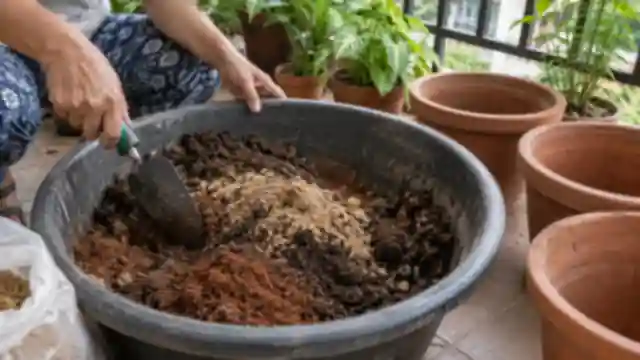
This is the most effective method. When preparing a fresh mix or repotting, blend neem cake evenly through the soil along with compost and cocopeat. Many gardeners mix it in a week or two before planting so it starts breaking down first. If you are building a mix from scratch, our guide to potting mix for kitchen gardens walks through the base recipe.
2. Top-dress established plants
For plants already growing, sprinkle the powder in a ring around the base, keeping it a little away from the stem. Gently scratch it into the top inch of soil, then water well so it settles into the root zone.
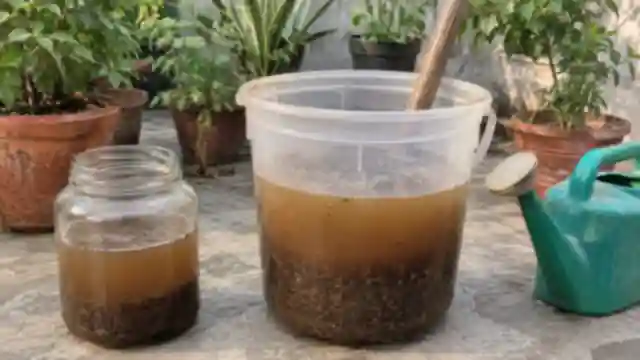
3. Make a neem cake soil drench
Soak a small amount of neem cake in water for about a day, stir, and use the strained liquid to water the soil around your plants. Dilute it well, apply it to the soil rather than the leaves, and expect a strong earthy smell.
How much neem cake to use
Always start with the rate printed on the pack, because concentration varies between products. As a light starting point for top-dressing, many home gardeners use roughly:
- Small pots (4 to 6 inch): about 1 teaspoon
- Medium pots (8 to 10 inch): about 2 teaspoons
- Large pots and grow bags (12 inch and above): about 1 tablespoon
Repeat every three to four weeks during active growth rather than adding a large amount at once. Neem cake works gradually, so give it time before deciding whether to add more.
Have a question about this topic?
Chat on WhatsAppWhich plants benefit most?
Neem khali suits almost every home garden plant, but some get more out of it than others.
Vegetables and herbs
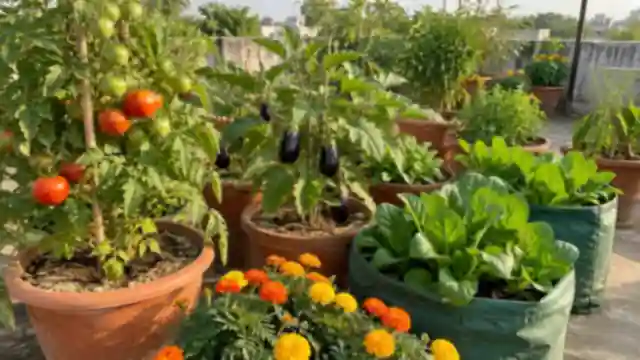
Tomato, brinjal, chilli, okra and leafy greens benefit from the extra organic matter and the protection for young roots, especially in the first weeks after transplanting.
Flowering plants
Roses, hibiscus, marigold and jasmine are often troubled by soil pests and appreciate a slow-feeding, soil-building input at the start of each season.
Indoor and balcony plants
Indoor plants can use it too, but use the smallest amounts and mix it into the soil rather than leaving it on the surface, where the smell is more noticeable.
Common mistakes to avoid
- Using too much. More is not better. Heavy doses can disturb soil balance and harm sensitive plants.
- Piling it against the stem. Keep a small gap between the powder and the main stem to avoid rot.
- Treating it as complete food. It does not replace compost or a balanced fertilizer. Our post on vermicompost for plants explains how the two work well together.
- Overwatering after applying. Water enough to settle it, then return to your usual routine. Our guide on watering kitchen garden plants can help you find the right rhythm.
- Storing it damp. Keep the pack sealed in a cool, dry place so it does not clump or grow mould.
Frequently asked questions
How often should I add neem cake powder to pots?
Every three to four weeks during the growing season is a common routine for top-dressing. In cooler months, when plants grow slowly, you can space it out further.
Can neem cake burn plant roots?
At sensible amounts it is gentle, but overdoing it can stress plants. Stick to the label rate and mix it well into the soil.
Is neem cake safe for edible plants?
Neem cake is widely used in organic vegetable growing. As with any garden input, wash your harvest before eating and follow the product label.
Why does neem khali smell so strong?
The smell comes from the natural compounds in neem seed. It fades within a few days once the powder is mixed into moist soil.
Can I use neem cake and neem oil together?
Yes. Neem cake works in the soil and neem oil works on the leaves, so they complement each other in an organic pest-care routine.
Does neem cake work in winter?
It still works, but it breaks down more slowly in cool soil. Winter is a good time to mix it into beds and pots you are preparing for the next sowing.
Give your soil a natural boost
Neem khali is one of the simplest ways to keep potted soil healthy: mix it in when you plant, top-dress lightly through the season and pair it with good compost. For a ready-to-use option, explore Gardenica Neem Cake Powder. Have a question about your plants? Contact the Gardenica team and we will be glad to help.
Looking for more?
Continue to our main page to explore products and services.