Winter Plant Care in India: How to Protect Potted Plants From Cold and Frost
Winter Plant Care in India: How to Protect Potted Plants From Cold and Frost
It is 5 am on a Delhi terrace in January. The tomato leaves look dull and the chilli plant has dropped a few lower leaves, and you realise the cold did more damage overnight than any pest all month. Good winter plant care in India is mostly about three things: warmth at the roots, water at the right hour, and shelter from cold wind. This guide shows how to protect potted plants from cold and frost on a terrace, balcony or small bed, without heaters or costly gear.
Cold hurts pots more than ground beds, because a pot's root zone is exposed to air on all four sides. A plant whose roots sit in cold, wet soil cannot take up water even when the soil is full, so it wilts in the middle of a sunny winter day.
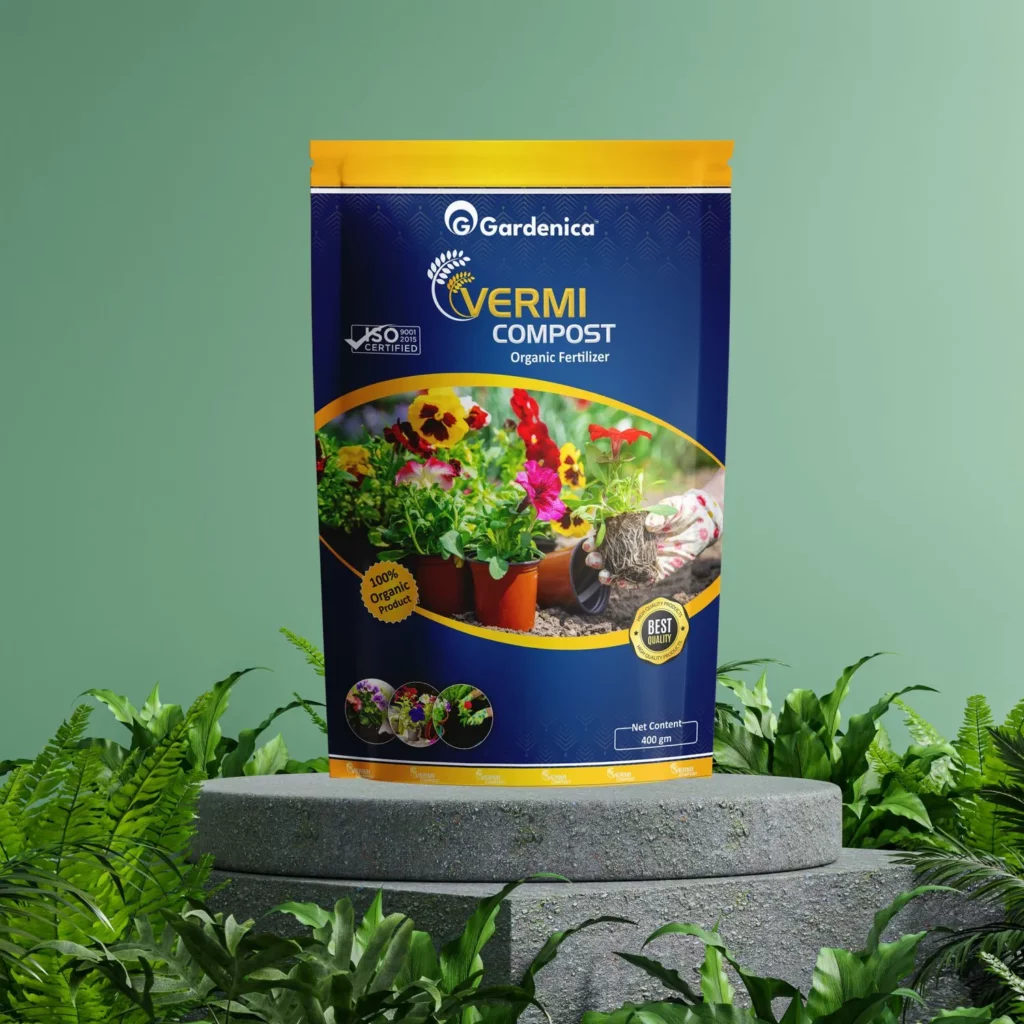
Read more: Explore Gardenica Vermi Compost
How Cold Damages Potted Plants
Most Indian garden plants are tropical. They slow down below about 15 degrees and suffer at 5 degrees or lower, and the damage starts at the roots, not the leaves.
Cold soil, thirsty plant
When soil is cold, root activity drops. The midday sun still pulls moisture from the leaves but the roots cannot replace it, so leaf edges crisp even when the pot feels damp. Tender plants like tomato, brinjal (baingan), chilli and okra (bhindi) show this first as purple or bronze leaves in the morning that partly recover by afternoon.
Frost and cold wind
Frost forms on clear, still nights, so a sheltered courtyard may stay frost-free while an open terrace does not. Wind does the same job quietly: a dry north wind in December and January pulls moisture from leaves faster than roots supply it, leaving brown, papery margins on the windward side.
Arrange Your Pots for Winter Warmth
Where a pot sits matters as much as what is in it. A north or east facing spot with four to six hours of direct winter sun is worth more than any fertiliser.
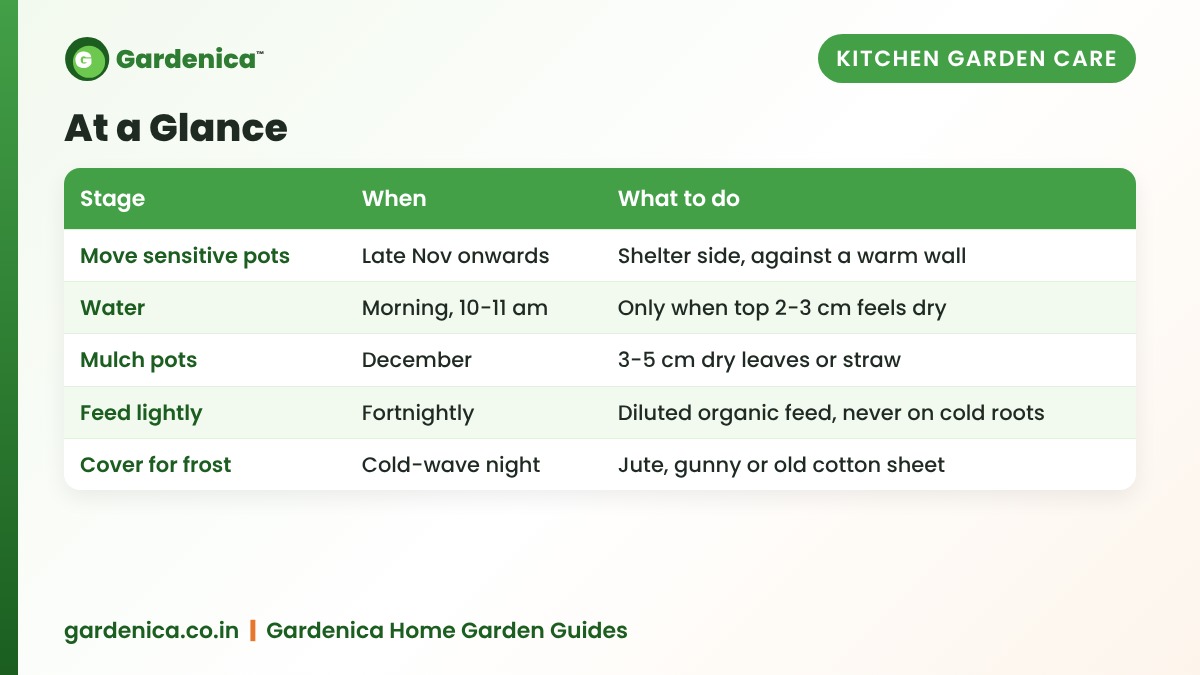
- Move pots, not plants. Shift tender pots to the shelter side of the terrace, against a wall that holds afternoon warmth.
- Group them. Pots clustered together share humidity and lose heat slower than lonely pots spread across a slab.
- Lift them off the slab. A brick or wooden pallet under the pot stops cold concrete from draining root heat at night.
- Block the wind. A jute curtain or shade-net screen on the windward edge cuts the drying effect of cold gusts.
Watering in Winter: The Hour Matters Most
Winter watering is the biggest cause of winter losses in pots. Cold, soggy soil invites root rot, while bone-dry soil chills faster than moist soil.
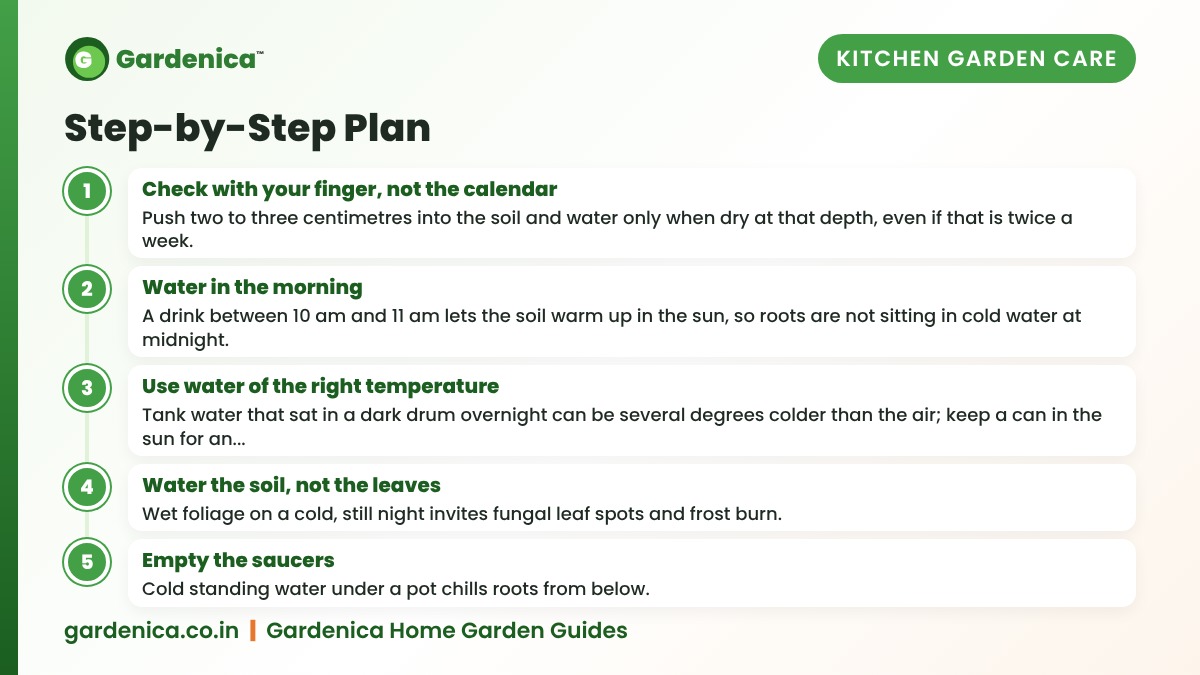
- Check with your finger, not the calendar. Push two to three centimetres into the soil and water only when dry at that depth, even if that is twice a week.
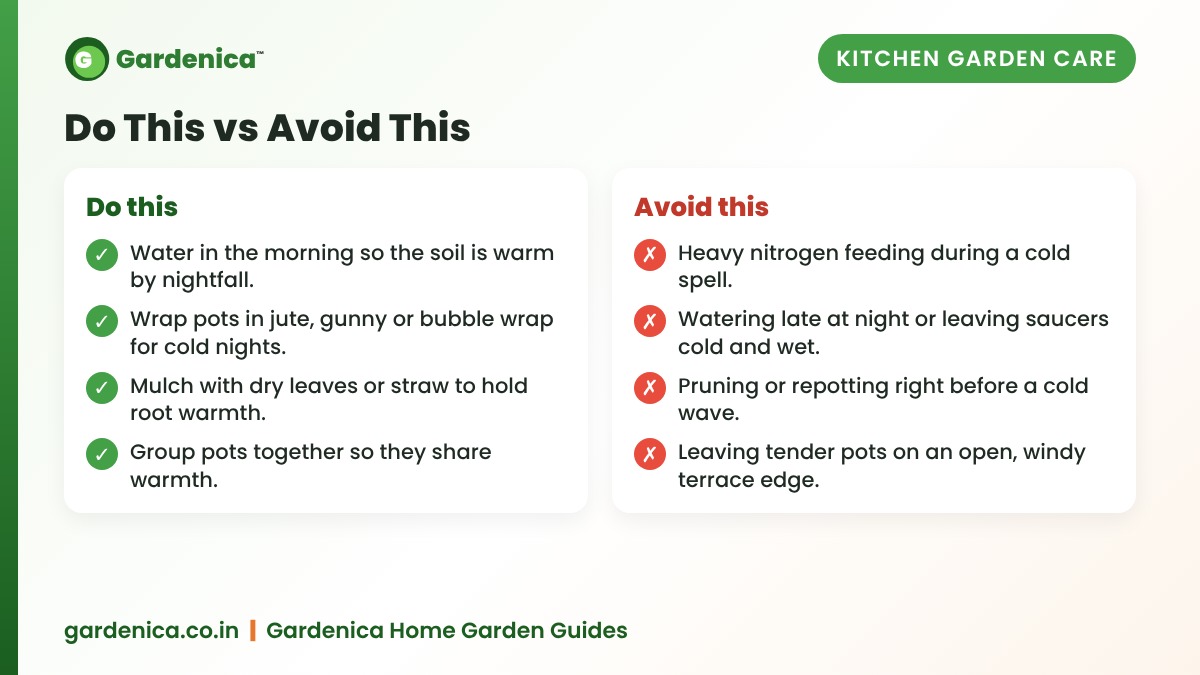
- Water in the morning. A drink between 10 am and 11 am lets the soil warm up in the sun, so roots are not sitting in cold water at midnight.
- Use water of the right temperature. Tank water that sat in a dark drum overnight can be several degrees colder than the air; keep a can in the sun for an hour first.
- Water the soil, not the leaves. Wet foliage on a cold, still night invites fungal leaf spots and frost burn.
- Empty the saucers. Cold standing water under a pot chills roots from below.
In winter, water in the morning sun and let the roots sleep in warm soil, not in cold water.
Feed Lightly With the Right Organic Inputs
Growth is slow in winter, so the goal is steady roots and flowering, not a flush of soft new leaves that frost destroys in one night.
- Compost first. Top-dress pots with a centimetre of vermicompost and scratch it into the surface; it feeds slowly and insulates too.
- Neem cake for the soil. Neem cake powder at the label dose supports soil life and releases nutrients gradually.
- Phosphorus and potash. Rock phosphate and a humic feed like Garden Booster support roots and flowering while nitrogen stays low. See rock phosphate for plants.
- Seaweed as a tonic. Diluted All In One at label dose helps plants cope with cold stress; spray on a warm sunny afternoon, never at night.
Feed at half the summer strength, on moist soil, when the forecast shows a few mild days ahead. More detail is in vermicompost for plants.
Have a question about this topic?
Chat on WhatsAppFrost Night Plan for Terrace Pots
When a cold wave or frost is forecast, act in the evening, not at dawn.
- Water lightly mid-afternoon. Moist soil holds daytime heat far better than dry soil, so give a small drink around 3 pm.
- Mulch the surface. Spread 3 to 5 cm of dry leaves or straw, keeping it a finger's width from the stem.
- Wrap the pot. Jute, gunny or bubble wrap around the pot walls holds root warmth in.
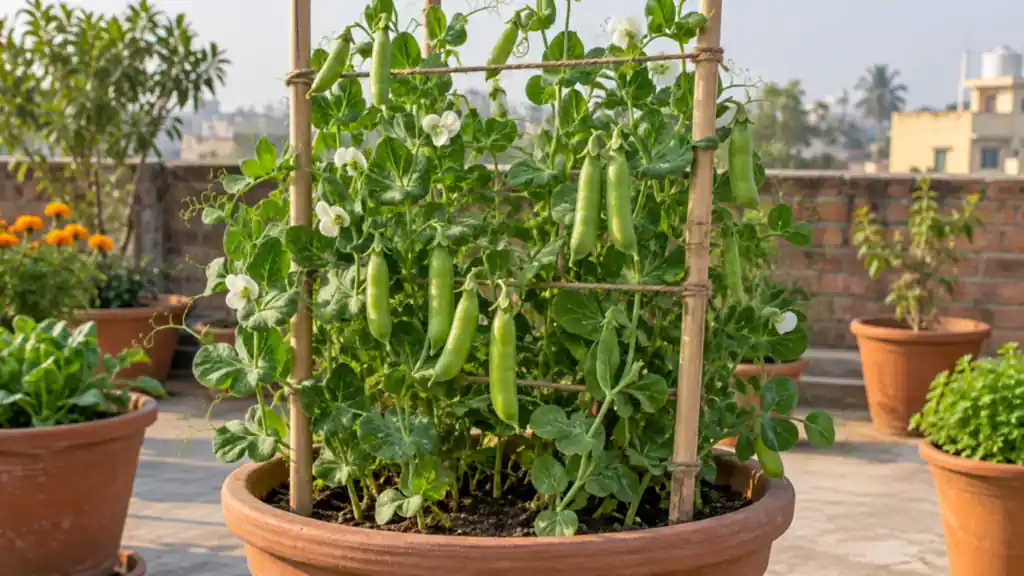
- Cover the plant. Drape cloth over a bamboo frame so it never touches growing tips, and remove it by 11 am.
- Move tender ones indoors. Strawberry, gerbera, coleus and young papaya do best in a bright hallway for the night.
- Do not touch frosted leaves at dawn. Frozen tissue is fragile; let the sun thaw it, then trim only what turns black by the next day.
Winter Soil and Pot Fixes
Cold makes poor drainage twice as damaging. If winter pots stay wet two days after watering, fix the mix now instead of losing the plant. Work one part cocopeat and one part compost into the surface, and add a handful of bentonite granules per large pot for structure and drainage; details are in bentonite for potted plants and our potting mix guide. Terracotta breathes better than glazed plastic in wet cold, and dark pots warm up faster in morning sun.
Common Mistakes to Avoid
- Watering every morning out of summer habit, leaving roots in cold, airless soil.
- Strong nitrogen or fresh cow dung during a cold spell, pushing out soft growth frost kills.
- Pruning, repotting or transplanting in the first week of a cold wave.
- Covering plants with sealed plastic and leaving it on all day, trapping damp that invites fungus.
- Keeping pots on an open terrace edge or on bare concrete with nothing underneath.
- Calling yellow lower leaves "normal winter fall" when the soil has stayed wet for days.
Frequently Asked Questions
Do I water plants every day in winter?
No. Most pots need water two or three times a week in December and January. Check the top two to three centimetres and water only when dry, always in the morning.
Which temperature is too cold for terrace plants?
Below about 15 degrees growth slows for most vegetables, and below 5 degrees tender plants like tomato, chilli and gerbera take damage.
Should I cover plants with plastic on frost nights?
Use cloth, jute or gunny instead. Plastic touching leaves transfers cold directly and traps moisture, so keep it off foliage and remove it by 11 am.
Is seaweed spray helpful in cold weather?
Yes, as a stress tonic at the label dose on a warm sunny afternoon before a cold spell, never at night or on frosted leaves.
Why are my tomato leaves turning purple in winter?
Usually cold-stressed roots cannot take up phosphorus, not true hunger. Warm the pot with mulch and a jute wrap, water in the morning, and the colour fades as weather settles.
Should I stop fertilising in winter?
Do not stop, just slow down: compost, neem cake and a phosphorus-supporting feed at half strength every two to three weeks, skipping the days around a cold wave.
Keep Your Pots Healthy Through the Cold
Winter rewards gardeners who work with the season: warm roots, morning water, light organic feeding and a cloth cover on the worst nights. Move tender pots now and lay mulch before the cold wave is announced, and your terrace will still be producing in February. For the right inputs, browse the Gardenica product range or Contact the Gardenica team for advice for your city and your pots.
Looking for more?
Continue to our main page to explore products and services.