Vegetables to Grow in November in India: A Winter Pot Guide
Vegetables to Grow in November in India: A Winter Pot Guide
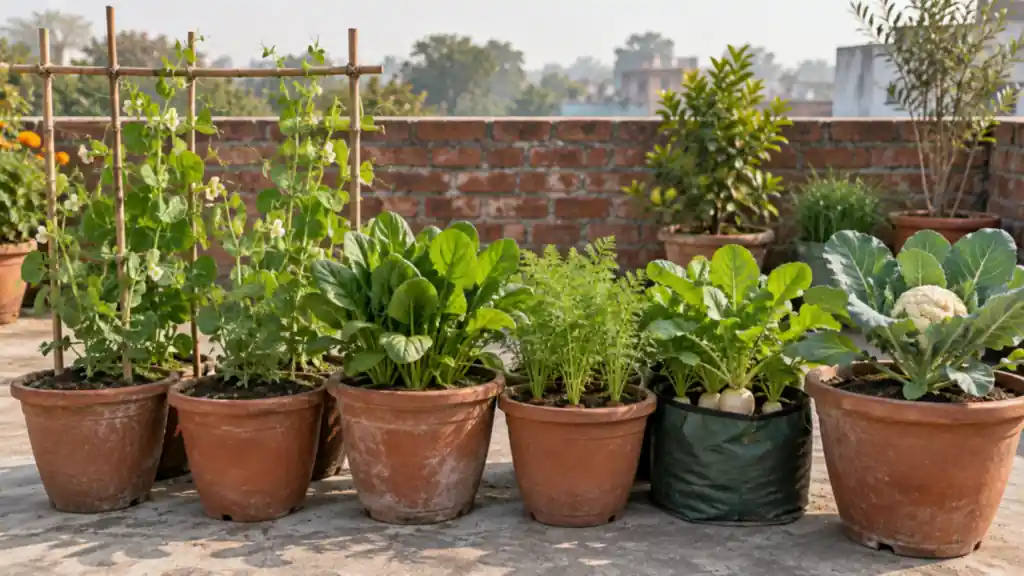
November is when terrace and balcony gardens across most of India really come alive. Days are mild, nights are cool, and pests that troubled you in the monsoon are fewer. If you have been wondering which vegetables to grow in November in India, the short answer is: most leafy greens, root crops, peas and the cabbage family. This guide lists what to sow from seed, what to plant as seedlings, how to prepare pots and how to keep winter crops healthy until harvest.
If you sowed some crops last month, this list picks up where our October vegetable guide left off.
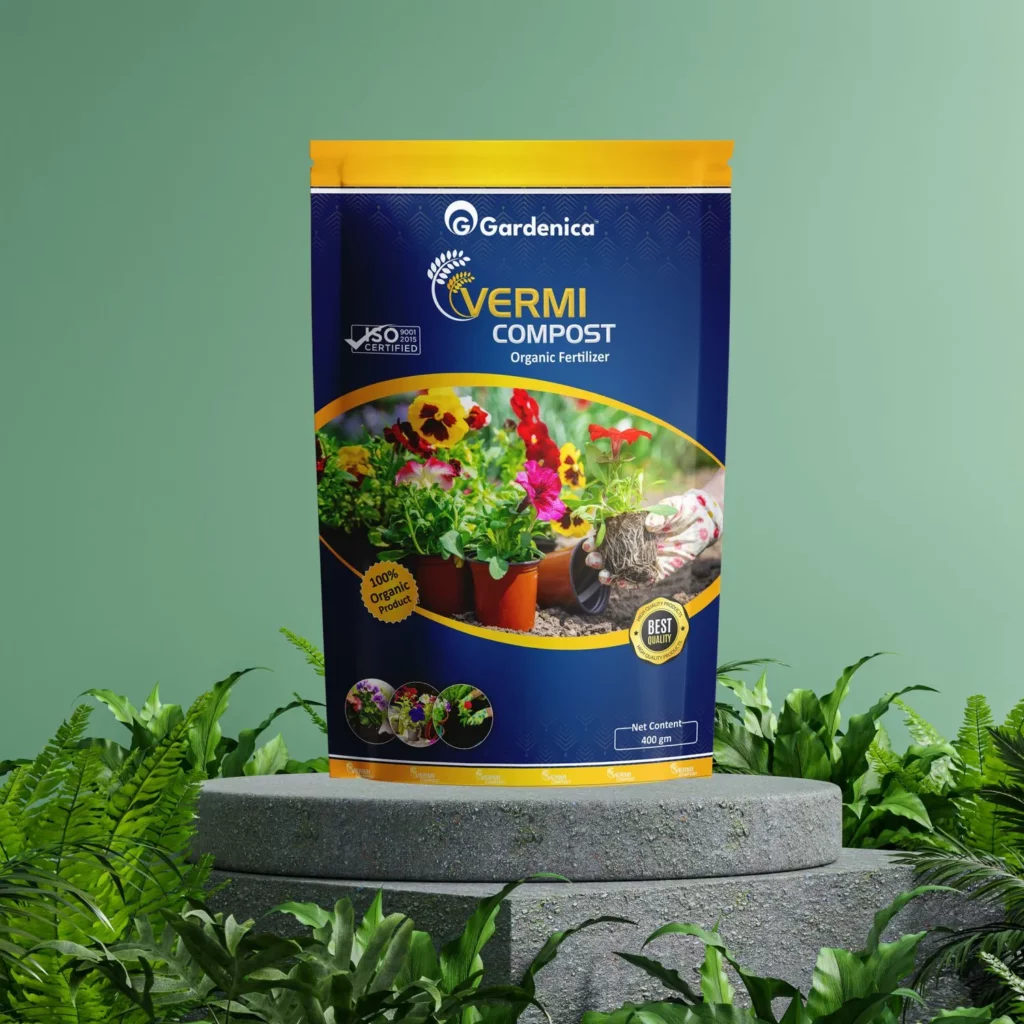
Read more: Explore Gardenica Vermi Compost
Why November Is a Good Month for a Kitchen Garden
Cool-season vegetables like day temperatures of roughly 15 to 25°C. In much of north, central and west India, November falls right in that range. Seeds of peas, carrots and spinach germinate well, and leaves stay tender instead of turning bitter.
- Less heat stress: pots dry out more slowly, so watering is easier.
- Fewer fungal problems: lower humidity than the monsoon means less rot.
- Long harvest window: crops sown now can be picked through December to February.
Vegetables to Sow From Seed in November
These crops are best sown directly in the pot where they will grow. Most root vegetables dislike being transplanted.
Peas (Matar)
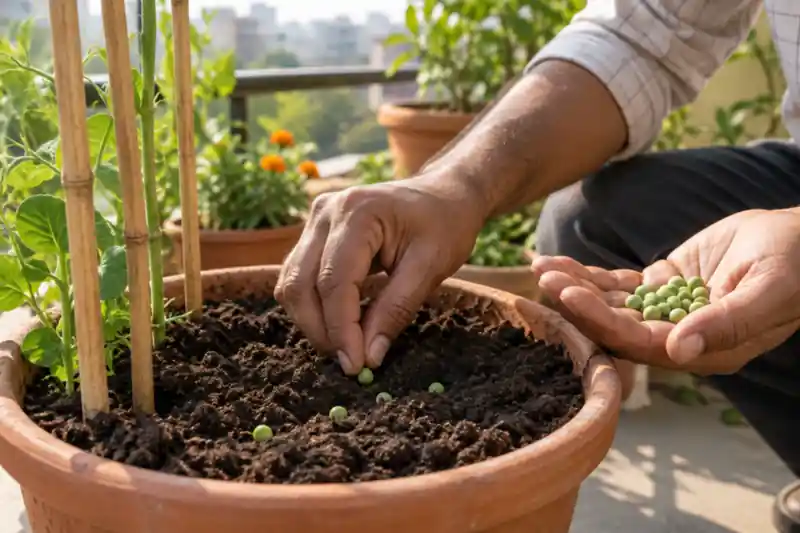
Peas are one of the most rewarding November crops. Sow seeds about 2 to 3 cm deep in a pot at least 30 cm deep and give the vines a small trellis or bamboo stakes. Soaking seeds in water for a few hours before sowing can speed up germination.
Carrot, Radish, Beetroot and Turnip
- Carrot (gajar): needs loose, stone-free soil and a pot at least 30 cm deep. Thin seedlings so roots have space.
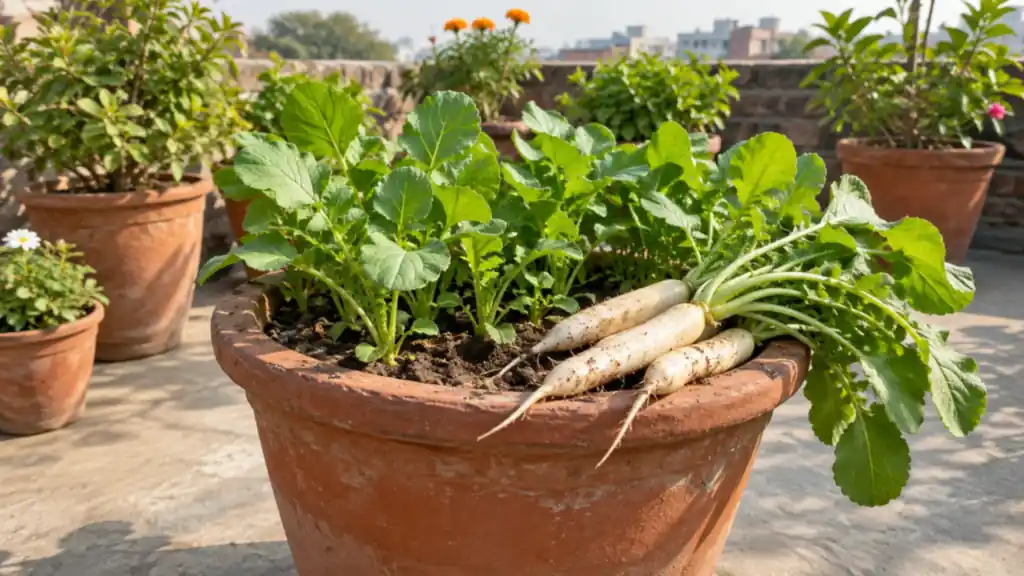
- Radish (mooli): fast and forgiving, often ready in 30 to 45 days. See our radish in pots guide.
- Beetroot: each seed cluster gives several seedlings, so thin them early.
- Turnip (shalgam): grows well in wide, medium-depth pots.
Leafy Greens
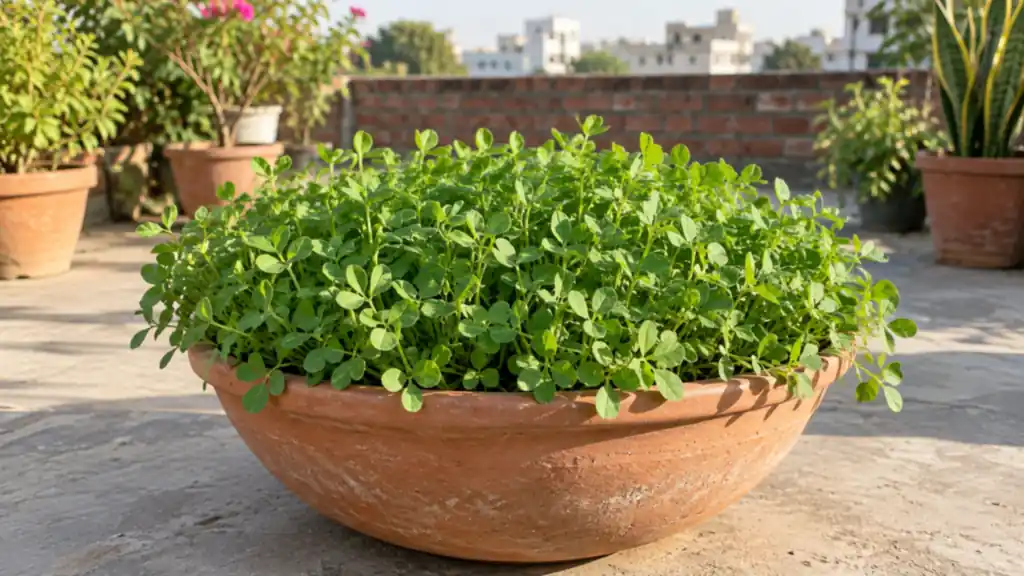
Spinach (palak), fenugreek (methi), coriander (dhaniya), mustard greens (sarson), lettuce and dill (suva) all suit November sowing. Shallow, wide containers of 15 to 20 cm depth are enough. Sow small batches every two to three weeks for a steady supply. Our palak in pots guide covers spinach in detail.
Winter Vegetable Seedlings to Transplant in November
Some crops are easier when you start with healthy nursery seedlings, or with plants you raised in trays in October.
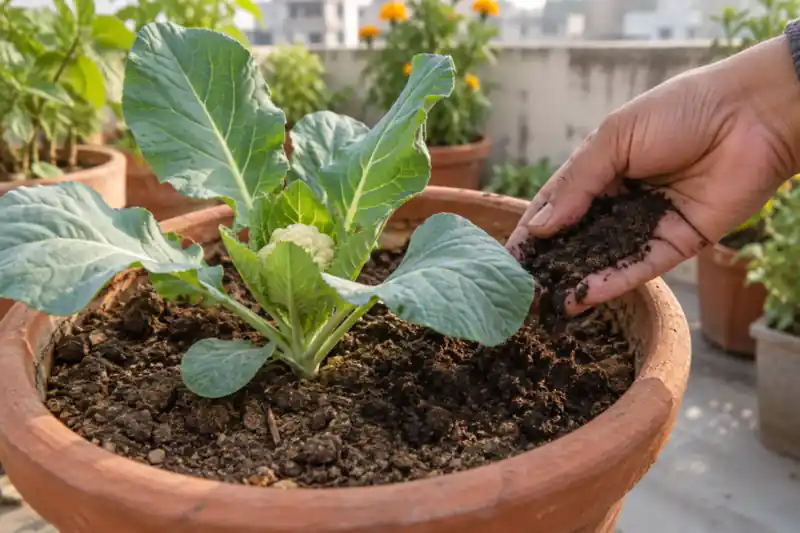
- Cauliflower and cabbage: use one plant per pot of about 30 to 35 cm width.
- Broccoli and knol-khol: similar needs to cabbage, with knol-khol maturing faster.
- Onion: seedlings or sets can go into wide containers for green onions or bulbs.
- Tomato and brinjal: worth planting in milder regions; in colder northern areas growth slows during December and January.
Transplant in the evening, water well and keep new seedlings out of harsh afternoon sun for two or three days.
What to Plant in November: Regional Notes
India's climate varies a lot, so adjust the list to your area.
North India
Early November is ideal for peas, carrots, radish, spinach and mustard greens. Sow as early in the month as you can, because seedlings grow slowly once nights turn cold in December.
West and Central India (Gujarat, Maharashtra, MP)
Nearly everything on this list does well. Winters are mild, so cabbage family crops, peas, root vegetables and greens all have a comfortable season.
South India and Coastal Areas
Winters are warm, so tomatoes, brinjal, chillies and beans continue to grow. Leafy greens and radish still work, but carrots and cauliflower may need heat-tolerant varieties. Check seed packets for suitability.
Preparing Pots and Soil for November Sowing
Good soil matters more than anything else in a container garden. Follow these steps before sowing:
Have a question about this topic?
Chat on WhatsApp- Choose pots with drainage holes. Use deep pots for carrots and peas, wide ones for greens.
- Prepare a light, well-draining mix of garden soil, compost such as vermicompost, and coco peat or sand. Roughly equal parts of each works for most vegetables.
- Water the mix a day before sowing so it is moist, not soggy.
- Sow seeds at a depth of about two to three times their size and press the soil lightly.
- Keep the surface moist with a gentle spray until seedlings appear.
Feeding Winter Vegetables in Pots
Winter crops grow steadily and need regular, gentle feeding rather than heavy doses.
- At sowing: mix well-rotted compost or vermicompost into the potting mix.
- For leafy crops: a light top-up of organic compost every three to four weeks keeps leaves green.
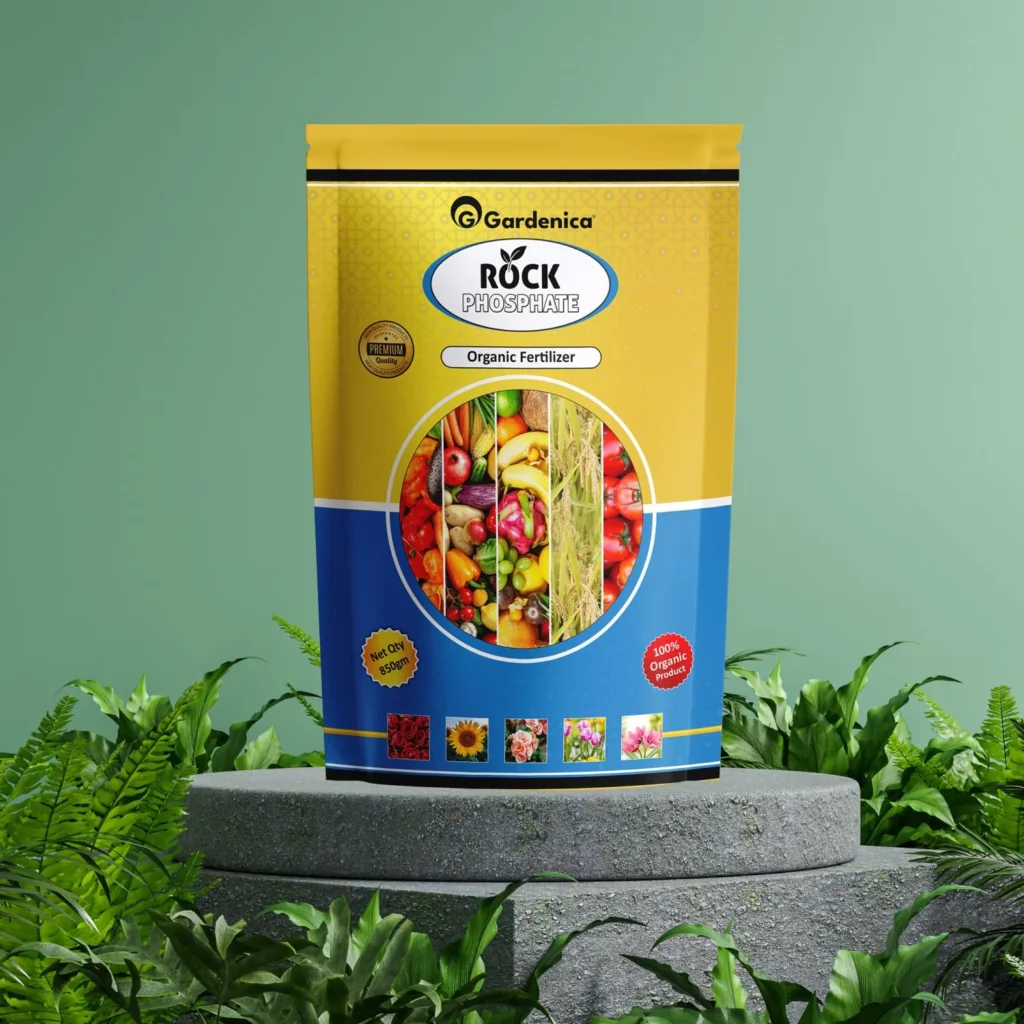
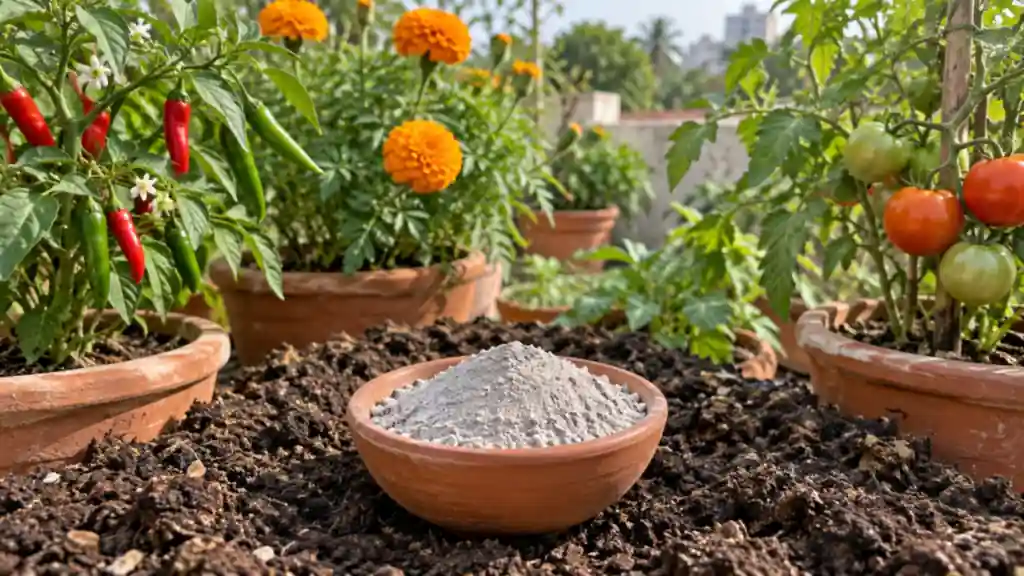
- For roots and flowering crops: phosphorus sources such as rock phosphate support root and flower development.
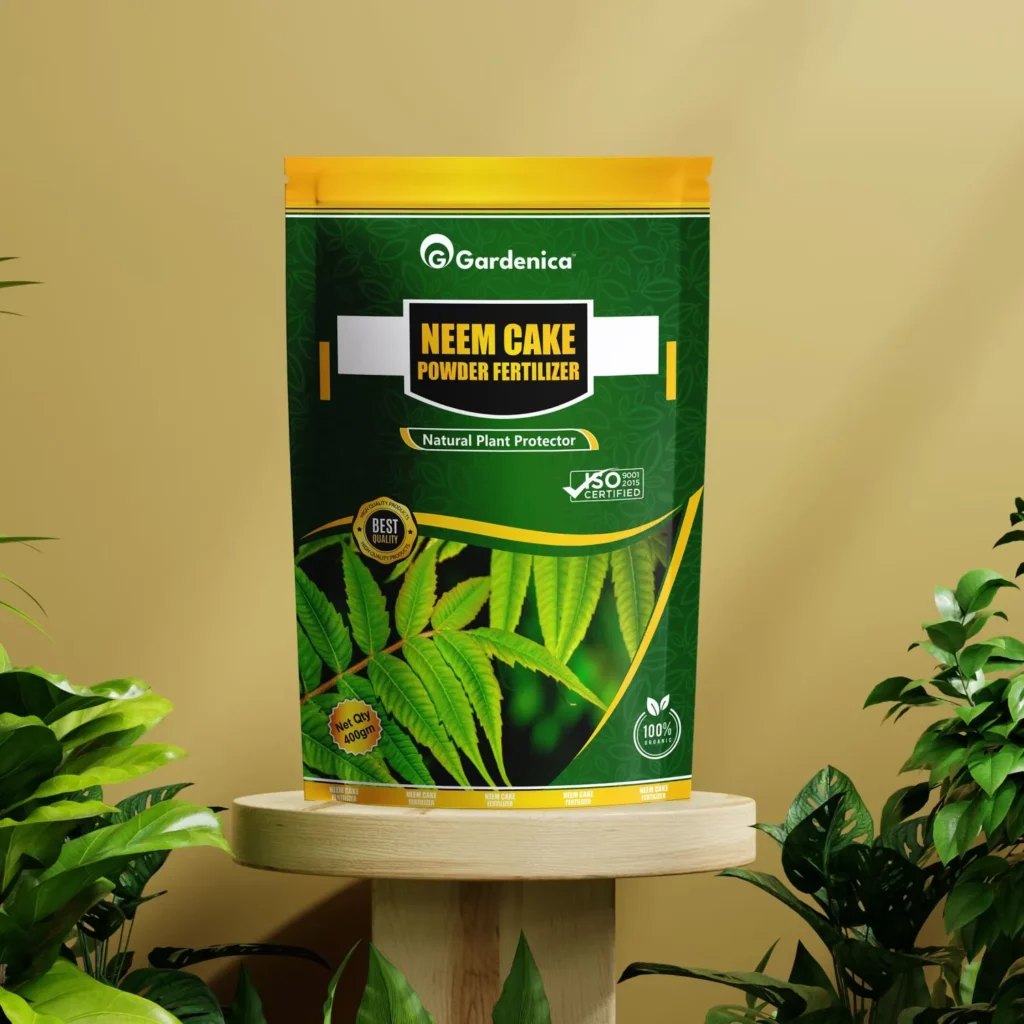
- Neem cake powder: often mixed into soil as an organic input that also helps discourage some soil pests.
Whatever product you use, follow the dose and frequency on its label. Overfeeding in cool weather can harm roots because plants take up nutrients more slowly.
Pests and Problems to Watch in November
Cooler weather brings fewer pests, but a few still show up in winter gardens.
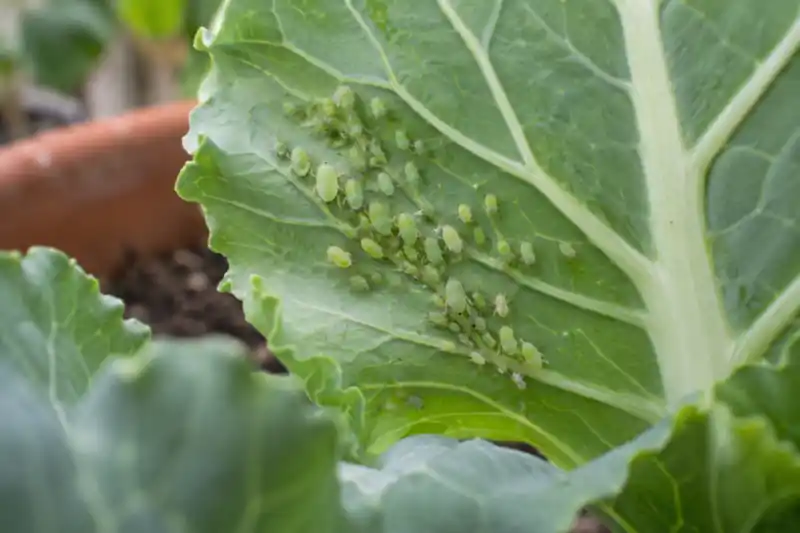
Aphids
Small soft-bodied insects that cluster under leaves of cabbage, mustard, peas and lettuce. Check leaf undersides twice a week. Read our guide to aphids on plants for control steps.
Caterpillars on the Cabbage Family
Look for holes in cabbage and cauliflower leaves and hand-pick larvae early in the morning.
Powdery Mildew on Peas
A white powdery coat on leaves, common when days are dry and nights are damp. Good spacing and morning watering help prevent it.
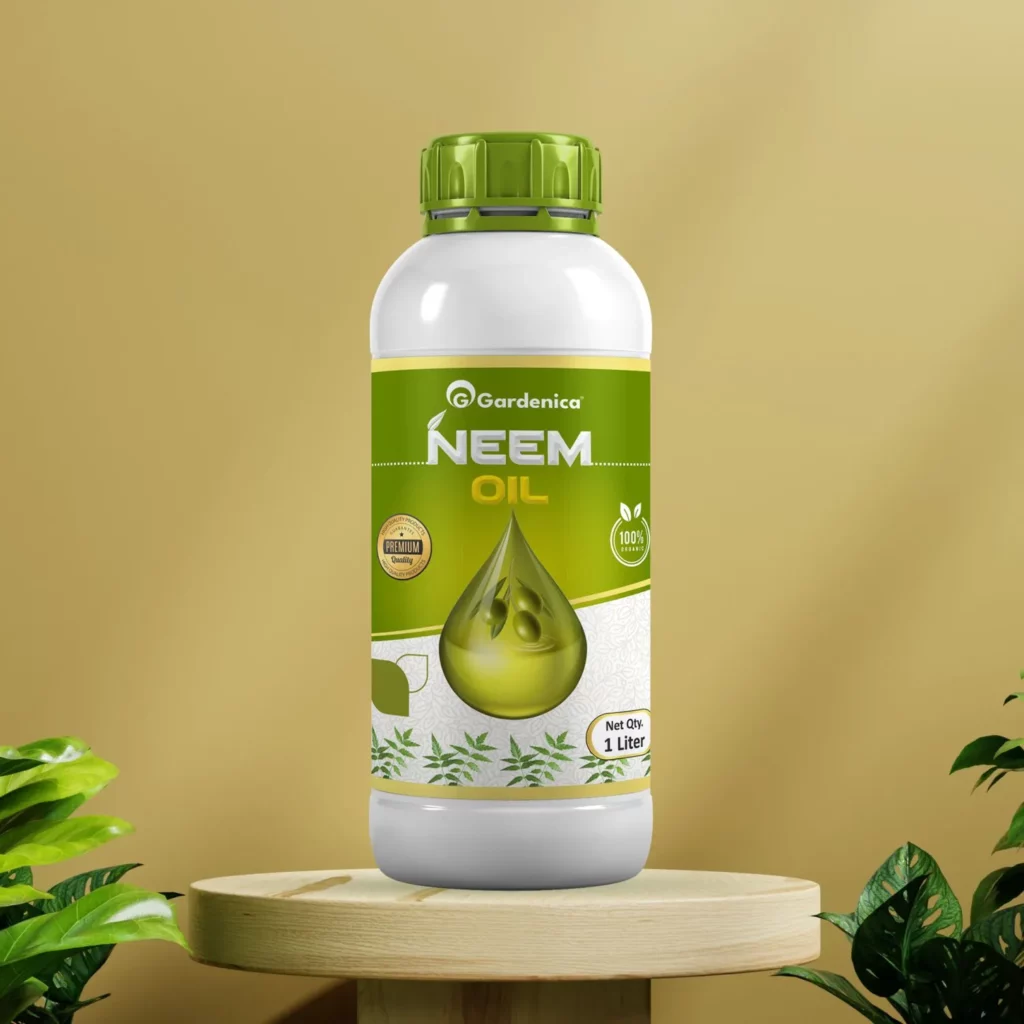
Many home gardeners use neem-based sprays as a first step. Always test on a few leaves, spray in the evening and follow label directions.
Common Mistakes to Avoid
- Using pots that are too shallow: carrots and peas need depth, or roots stay stunted.
- Overwatering: soil stays wet longer in winter, which can rot seeds and roots.
- Sowing everything at once: staggered sowing gives a longer harvest.
- Too little sun: most winter vegetables need at least five to six hours of direct sunlight.
- Not thinning seedlings: crowded root crops produce small, twisted roots.
- Ignoring the underside of leaves: that is where aphids and eggs hide.
Frequently Asked Questions
Which vegetables grow fastest in November?
Radish, spinach, methi, mustard greens and coriander are among the quickest. Many greens can be cut within four to six weeks.
Can I grow peas in pots on a balcony?
Yes. Use a pot at least 30 cm deep, give the vines a support to climb and place them where they get at least five hours of sun.
Is it too late to plant cauliflower in November?
In most of India, early to mid-November is still fine for transplanting cauliflower seedlings. In the far north, plant as early in the month as possible.
How often should I water winter vegetables in pots?
Water when the top 2 to 3 cm of soil feels dry. In November that may be every two to three days, depending on sun, wind and pot size.
Do winter vegetables need fertilizer?
Yes, but lightly. Start with compost in the mix, then feed every few weeks with an organic fertilizer, following the label.
Can I grow tomatoes in November?
In west, central and south India, yes. In colder northern regions, growth slows in winter, so many gardeners wait for February.
A few deep pots of peas and carrots and a wide tray of greens are enough to enjoy fresh vegetables all winter. For gentle, steady feeding through the season, explore Gardenica Vermi Compost. Have a question about your plants? Contact the Gardenica team.
Looking for more?
Continue to our main page to explore products and services.