Neem Oil for Plants: How to Mix and Spray It Safely
Neem Oil for Plants: How to Mix and Spray It Safely

Tiny white fluff on your hibiscus stems. A sticky film on the chilli leaves. Curled tips on the tomato plant with green dots clustered underneath. If you grow vegetables or flowers on a balcony or terrace, you have probably met at least one of these. Neem oil for plants is often the first thing Indian gardeners reach for, and with good reason: used correctly, it handles many soft-bodied pests without harsh chemicals. Used carelessly, it can scorch leaves and barely touch the insects you are targeting.
This guide covers what neem oil actually does, how to mix it with water, when to spray, and the mistakes that make it fail. Treat it as general guidance and always follow the directions printed on your product.
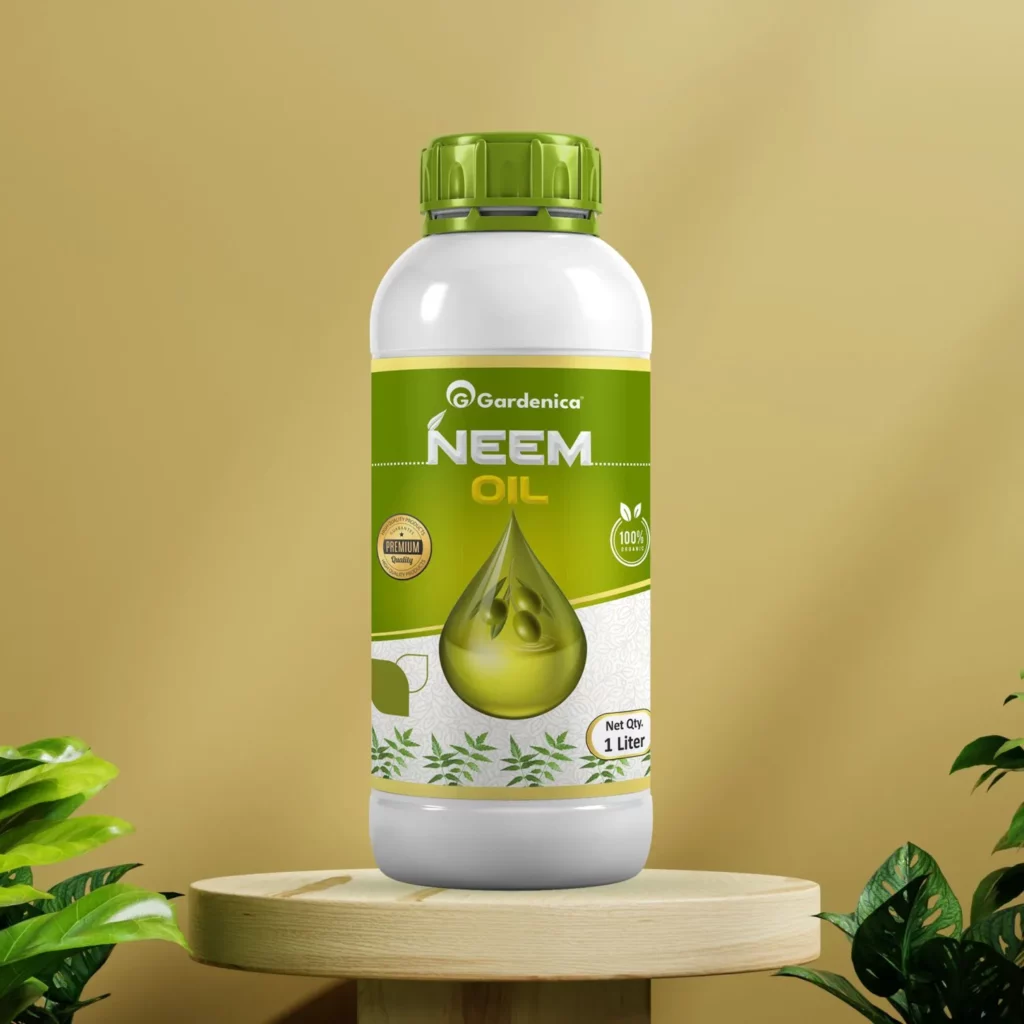
Read more: Explore Gardenica Neem Oil
What neem oil does on plants
Neem oil is pressed from the seeds of the neem tree (Azadirachta indica). It works in two ways. As an oil, it coats and smothers small insects and their eggs on contact. Compounds in the oil, including azadirachtin, can also put insects off feeding and interfere with their growth. The US National Pesticide Information Center summarises this in its neem oil fact sheet.
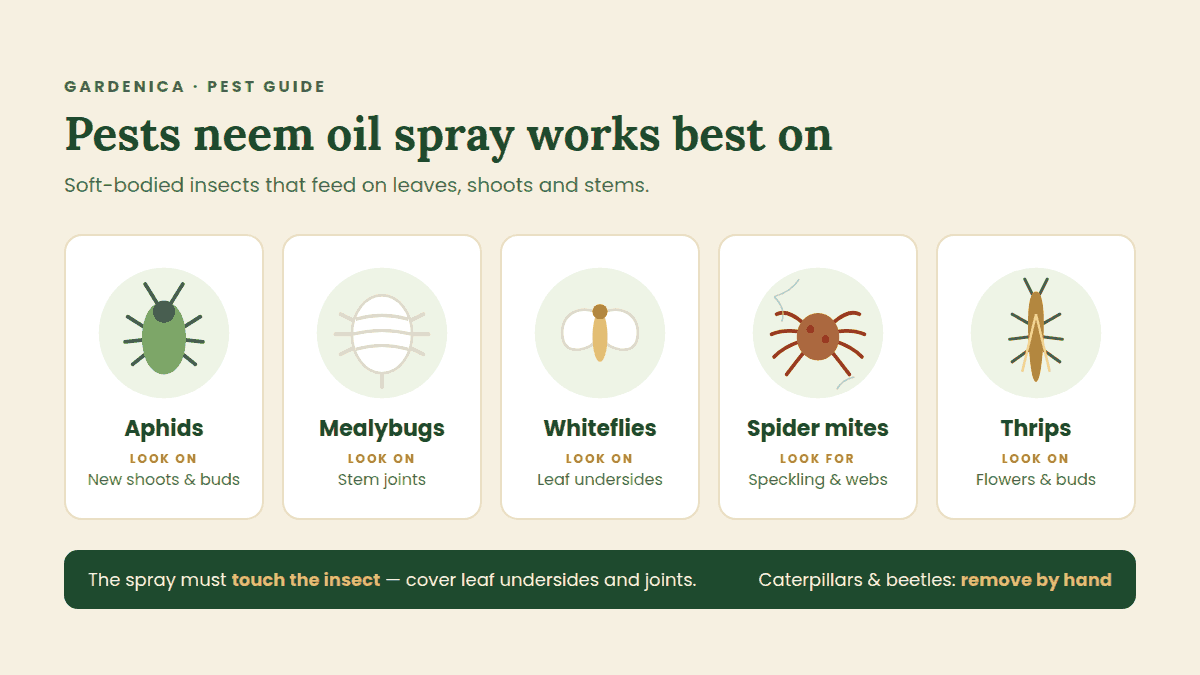
The important word is contact. A neem oil spray is not a shield that protects a plant for weeks. It has to reach the pest.
Pests neem oil spray works best on
It is most useful against small, soft-bodied insects that feed on leaves and stems:
- Aphids on new shoots of chilli, brinjal, rose and mustard greens
- Mealybugs, the cottony clusters common on hibiscus, croton and tulsi
- Whiteflies that rise in a small cloud when you brush tomato or okra leaves
- Spider mites, which leave fine speckling and webbing in dry weather
- Thrips and young scale insects before their shells harden
Large caterpillars and beetles are usually less affected, so pick those off by hand. Neem oil can also help slow powdery mildew when you spray at the first white patches, but it will not restore leaves that are already badly damaged.
Neem oil vs neem cake
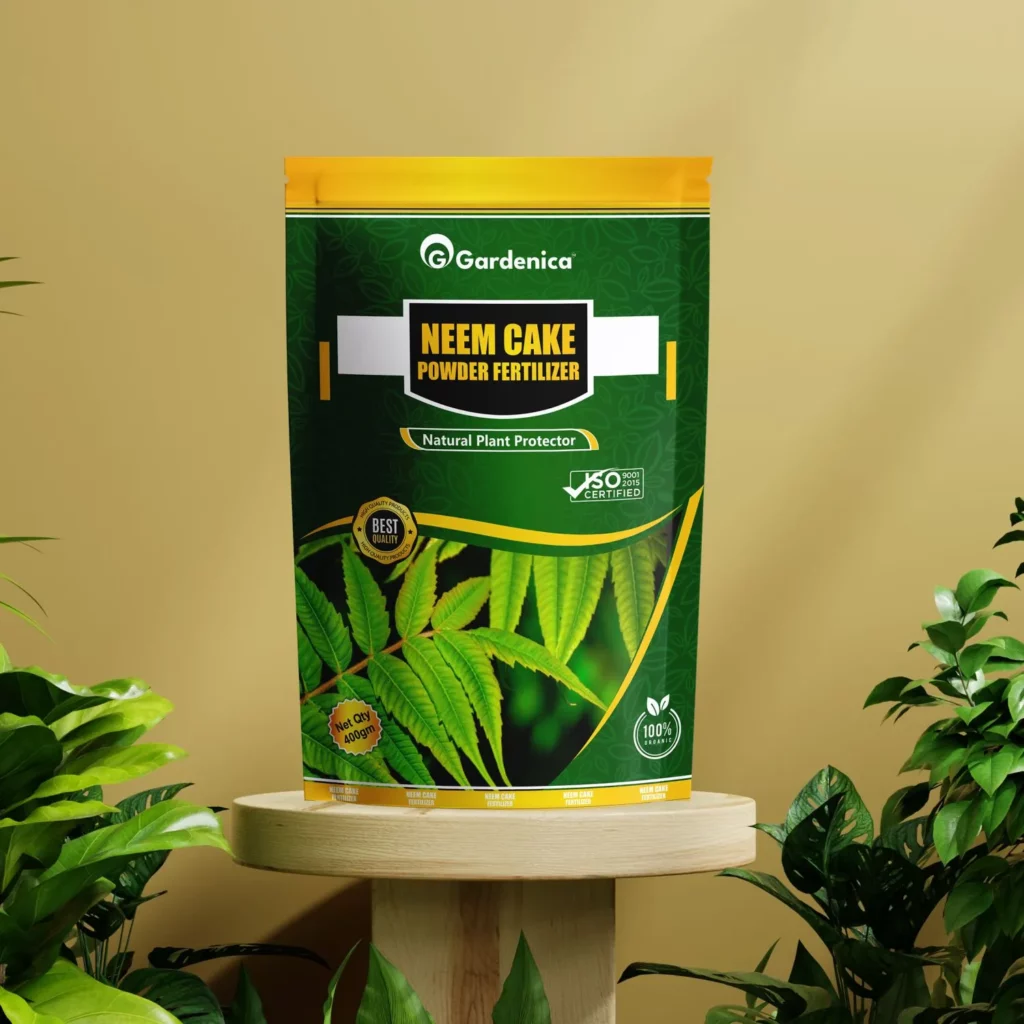
These two are often confused. Neem cake is what remains after the oil is pressed out of the seed. It is mixed into soil as an organic amendment rather than sprayed on leaves. Gardenica offers Neem Oil for foliar sprays and Neem Cake Powder for soil care. One does not replace the other.
Check the plant before you spray
Spend two minutes looking before you mix anything. Turn leaves over, check the joints where leaves meet stems, and look closely at the newest growth. Note which pots are affected. If only one plant has aphids, there is no reason to spray the whole terrace.
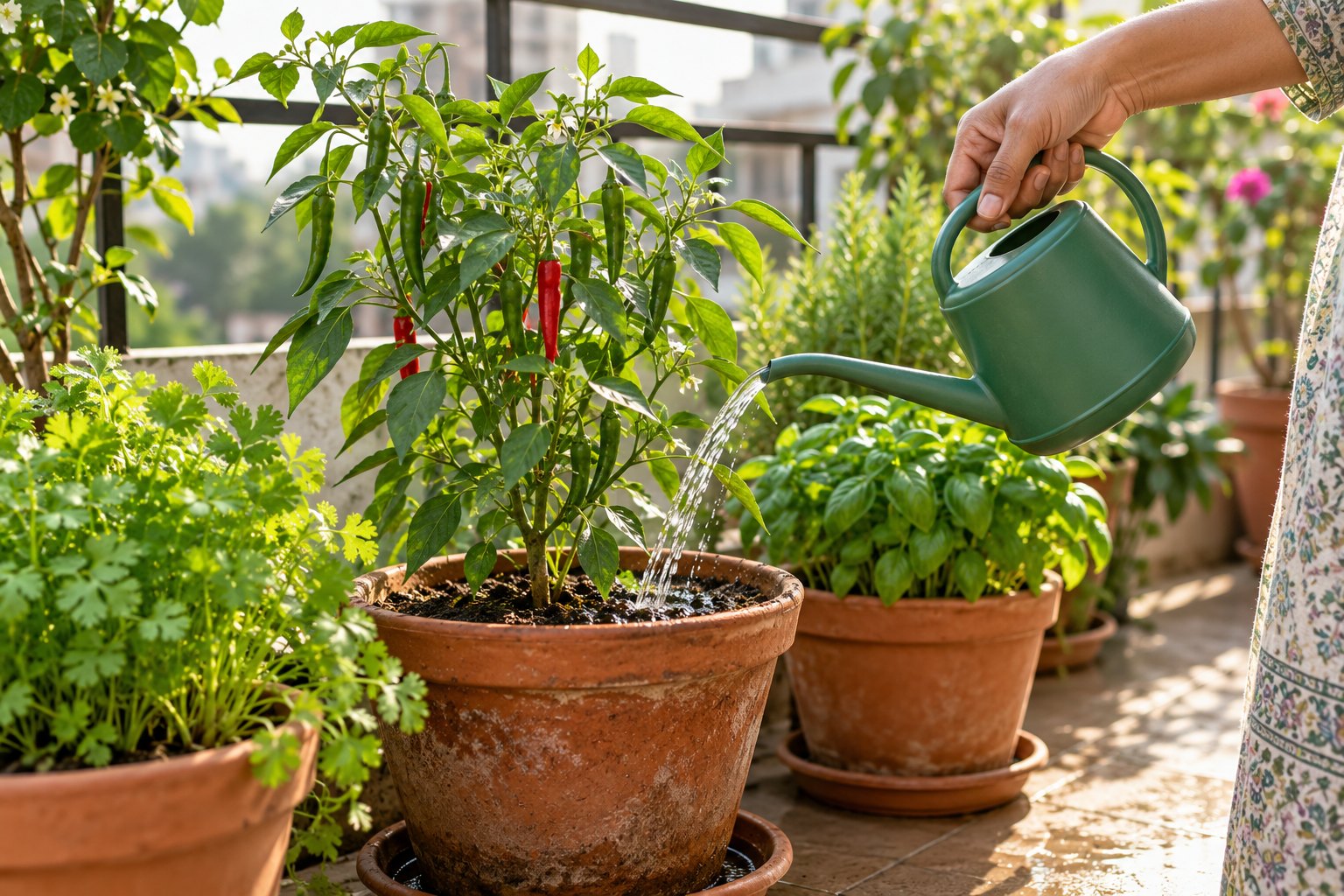
Also check whether the plant is thirsty. A dry, wilting plant is more likely to be scorched by any oil spray. Water it the day before and spray once it has recovered. Our guide on watering kitchen garden plants explains how to judge moisture in pots.
How to mix neem oil with water
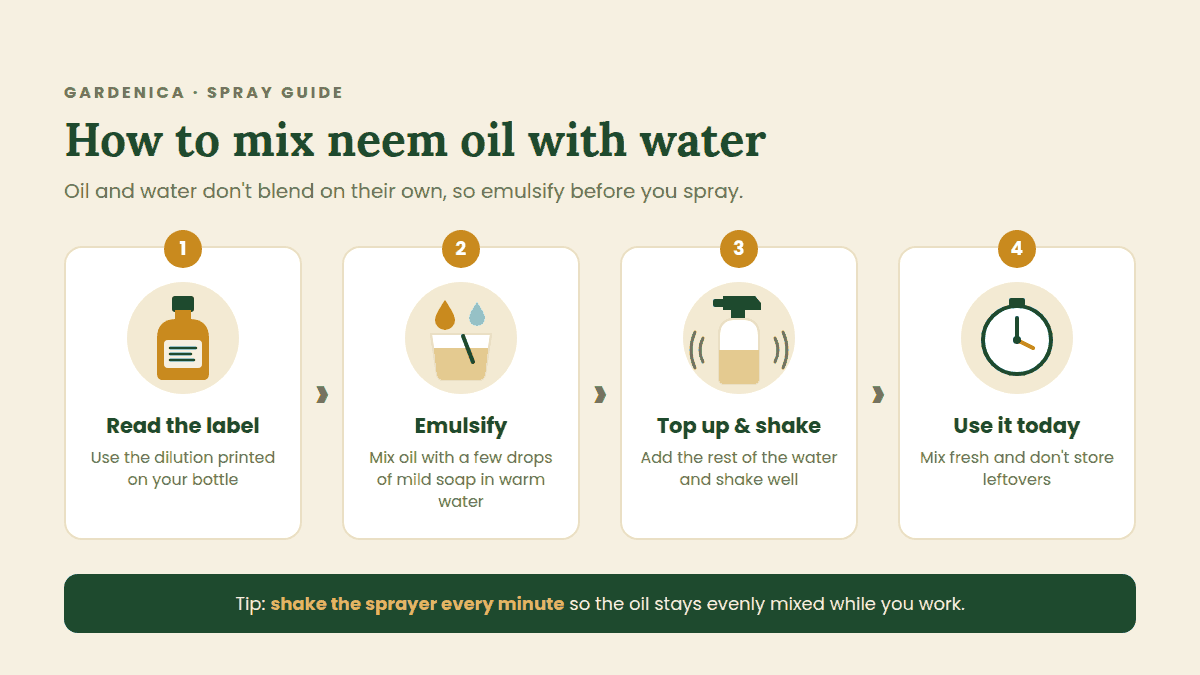
Oil and water do not mix on their own. Without an emulsifier, the neem floats on top and you end up spraying plain water followed by a blob of concentrated oil. Here is a simple way to get an even spray:
- Read the label. Use the dilution printed on your bottle. Products differ in strength, so a ratio copied from a video or a different brand may be wrong for yours.
- Warm the oil if it has set. Neem oil thickens or turns solid in cool weather. Stand the closed bottle in a mug of warm water for a few minutes.
- Emulsify first. Unless your product is already pre-mixed, stir the measured oil with a few drops of mild liquid soap in a small cup of lukewarm water.
- Top up and shake. Pour this into your spray bottle, add the rest of the water and shake well.
- Mix only what you will use today. The mixture separates and loses strength once it sits, so do not store leftovers for next week.
Shake the bottle every minute or so while spraying to keep the oil evenly spread through the water.
How to use neem oil on plants, step by step
Patch-test first
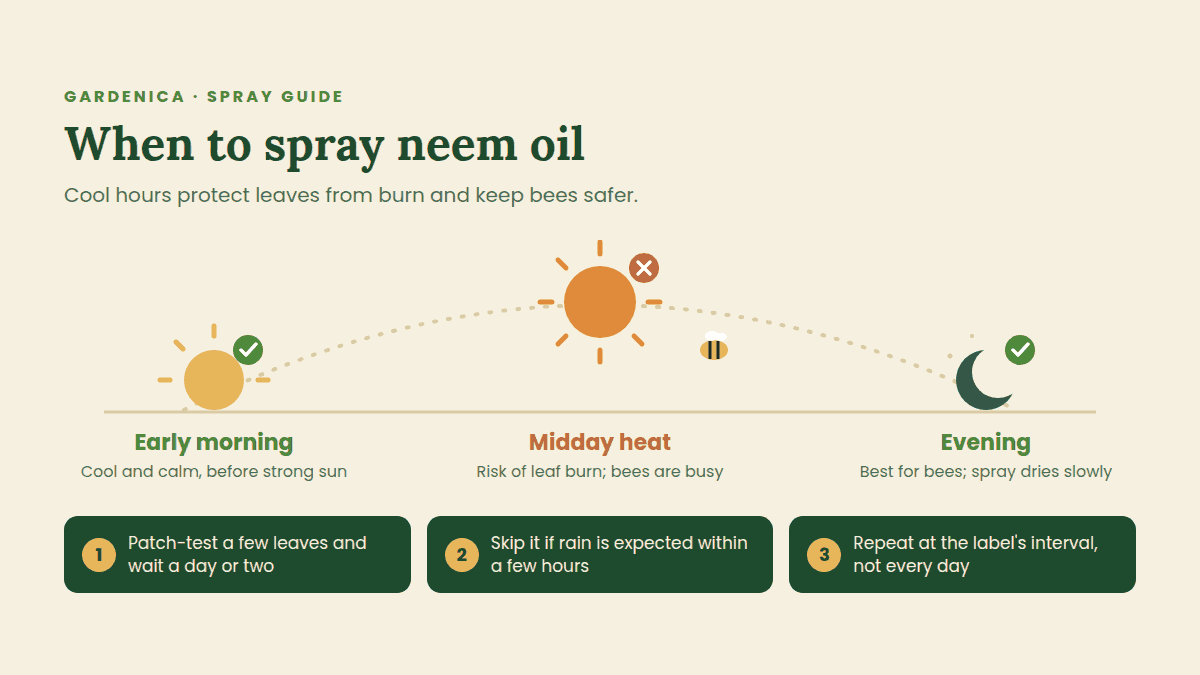
Spray a few leaves on one plant and wait a day or two. If you see no browning, spotting or curling, treat the rest. This matters most for tender seedlings, soft herbs like coriander and basil, and any plant you have not sprayed before.
Cover the undersides
Most pests shelter beneath leaves and in the folds of new growth. Hold each leaf, spray the underside, then the top, and finish with the stems and joints. Aim for an even coating that is just starting to drip. Soaking the pot does not help, because the spray needs to land on the insects.
Have a question about this topic?
Chat on WhatsAppWhen to spray neem oil
Avoid the heat of the day
Early morning or evening is best. Strong sun on oil-coated leaves raises the risk of leaf burn, especially during Indian summers. Evening sprays also dry more slowly, which gives the oil more time on the pests. If rain is expected within a few hours, wait, because it will wash the spray away.
Protect bees and helpful insects
Any oil spray can harm a beneficial insect it coats directly, including bees, ladybirds and hoverflies. Avoid spraying open flowers while pollinators are visiting. Spraying after sunset, when most bees have left, is an easy way to reduce this risk.
How often to repeat, and when to stop
A single spray rarely clears an infestation, because eggs and hidden insects survive. Repeat at the interval given on the label rather than every day. Spraying more often will not make it work faster and can stress the leaves.
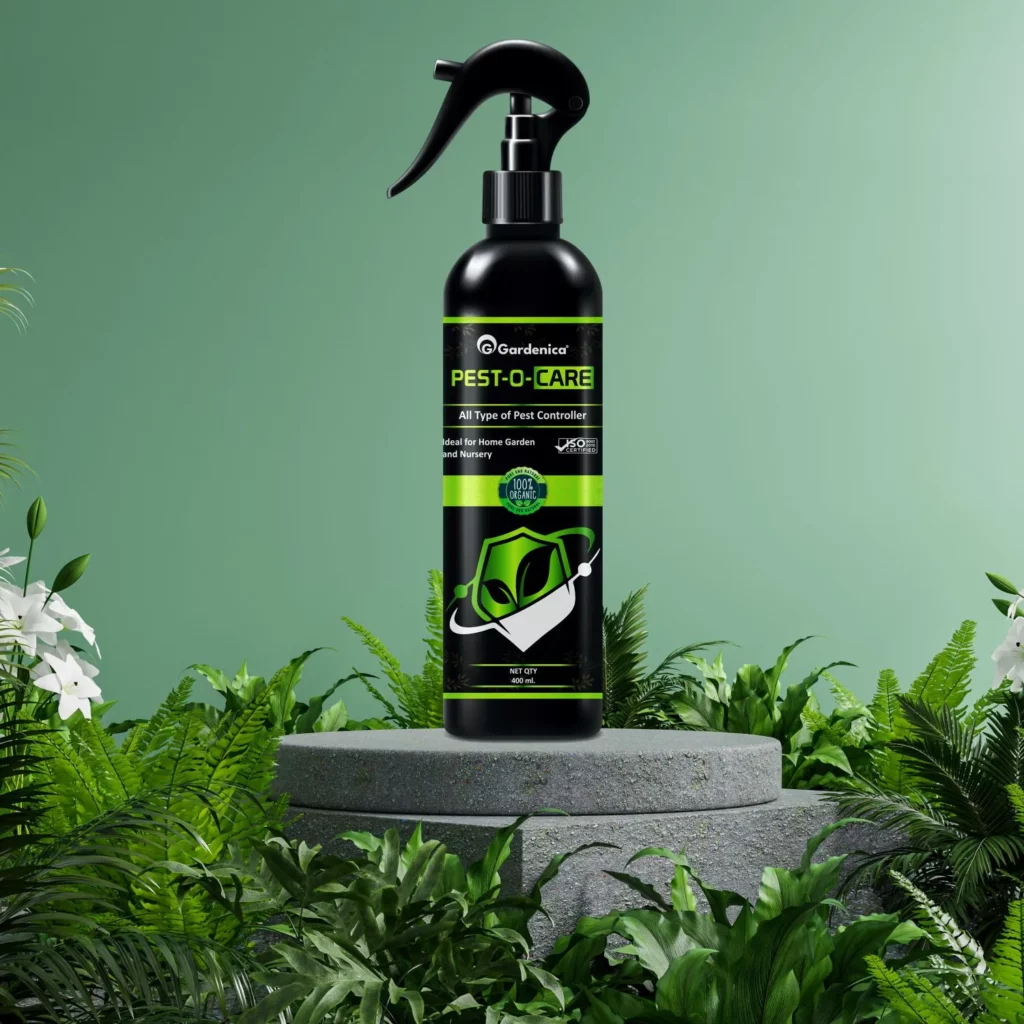
Keep a short note of when you sprayed and what you saw. Stop once new growth stays clean for a couple of weeks. If pest numbers keep climbing after several rounds, the problem may need a different approach. Gardenica's Pest-O-Care is another plant protection option; check its label for suitability, or contact Gardenica with photos of the problem.
Using neem oil in a kitchen garden you eat from
Neem is popular with people growing their own food, but treat it as a pest control product, not a kitchen ingredient. Follow any waiting period the label gives before harvest, and wash leafy greens, herbs and fruit well before eating.
Keep the concentrate away from children and pets, avoid getting spray in your eyes, and wash your hands after handling it. Do not let spray or rinse water drain into a fish pond or aquarium.
Common neem oil mistakes
- Spraying at midday in full sun and scorching the leaves.
- Skipping the soap or emulsifier, so the oil never mixes.
- Spraying only the tops of leaves while pests sit underneath.
- Making a large batch and using it over several days.
- Combining neem oil with another spray or fungicide without checking both labels.
- Expecting one spray to finish the job.
Frequently asked questions
Is neem oil safe for vegetable plants?
It is widely used on vegetables in home gardens. Follow the label, patch-test tender crops and wash produce before eating.
How much neem oil should I mix in 1 litre of water?
Use the dilution on your product's label. Strength differs between brands, so there is no single figure that suits every bottle.
Can I spray neem oil every day?
No. Daily spraying can stress leaves. Repeat at the interval on the label and keep checking the plant in between.
Does neem oil kill mealybugs?
It can help control them when the spray reaches the insects directly. Their waxy coating makes thorough coverage and repeat rounds important.
Should I spray neem oil in the morning or evening?
Either works if it is cool. Evening is often the better choice for protecting bees and avoiding leaf burn.
Can I use neem oil on indoor plants?
Yes. Spray them outdoors or over a covered floor, keep them out of direct sun until dry, and ventilate the room, since neem has a strong smell.
Start small and watch closely
Neem oil works best as part of a routine: check plants often, treat problems early, spray in cool hours and repeat sensibly. Begin with the pots that need it, keep notes and adjust based on what you see. To get started, explore Gardenica Neem Oil and read the current directions before you spray.
Looking for more?
Continue to our main page to explore products and services.