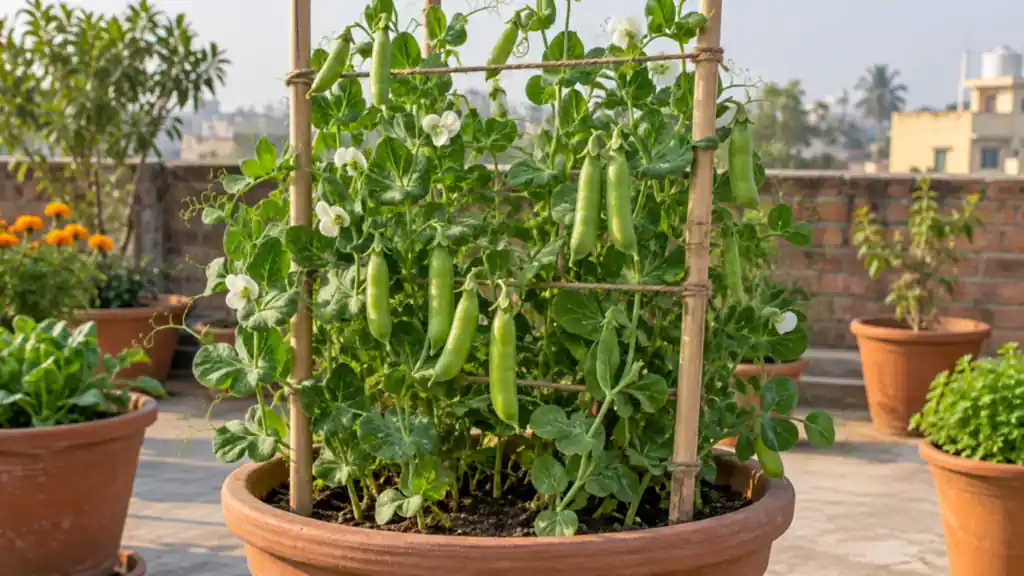
How to Grow Pumpkin in Pots: A Winter Kaddu Guide for Terraces
How to Grow Pumpkin in Pots: A Winter Kaddu Guide for Terraces

You sow three pumpkin seeds, and three months later you have a metre of healthy vine, one big yellow flower that closes by noon, and no fruit at all. On a terrace that is the usual story, and it is usually about space, pollen and water rather than luck.
Winter is the right season to Grow pumpkin in pots in most of India, because the plant gets the cool, dry weather it likes and a long, calm flowering window. This guide covers pot and grow bag size, the trellis, a stage-wise feeding plan, hand pollination, the problems that stop fruit set, and how to tell when a kaddu is ready to cut.
Read more: Explore Gardenica Vermi Compost
Why Pumpkins Work on Terraces
Pumpkin (kaddu, lou) is a creeper, so it needs somewhere to climb and enough root room to fill. A trained vine on a wall or railing takes almost no floor space, and one plant can give 4-6 fruits in a good season.

The trade-off is weight. Fruits get heavy fast, so the trellis and a fruit sling matter more than the variety you pick. Long, light types suit a terrace better than round ones because they hang straight down.
Pot, Grow Bag and Trellis
One plant needs one container. A 20-24 inch pot that is 18-20 inch deep holds enough soil for a full season, and a 15-20 litre grow bag works if you keep it off the floor on a brick so the drainage hole stays clear.
- Pot diameter (Size (inch): 20-24; Note: One plant only)
- Pot depth (Size (inch): 18-20; Note: Deep roots hold the vine)
- Grow bag (Size (inch): 15-20; Note: Height in litre capacity)
- Spacing between pots (Size (inch): 36-48; Note: Keep leaves airy)
Soil Mix for a Heavy Feeder
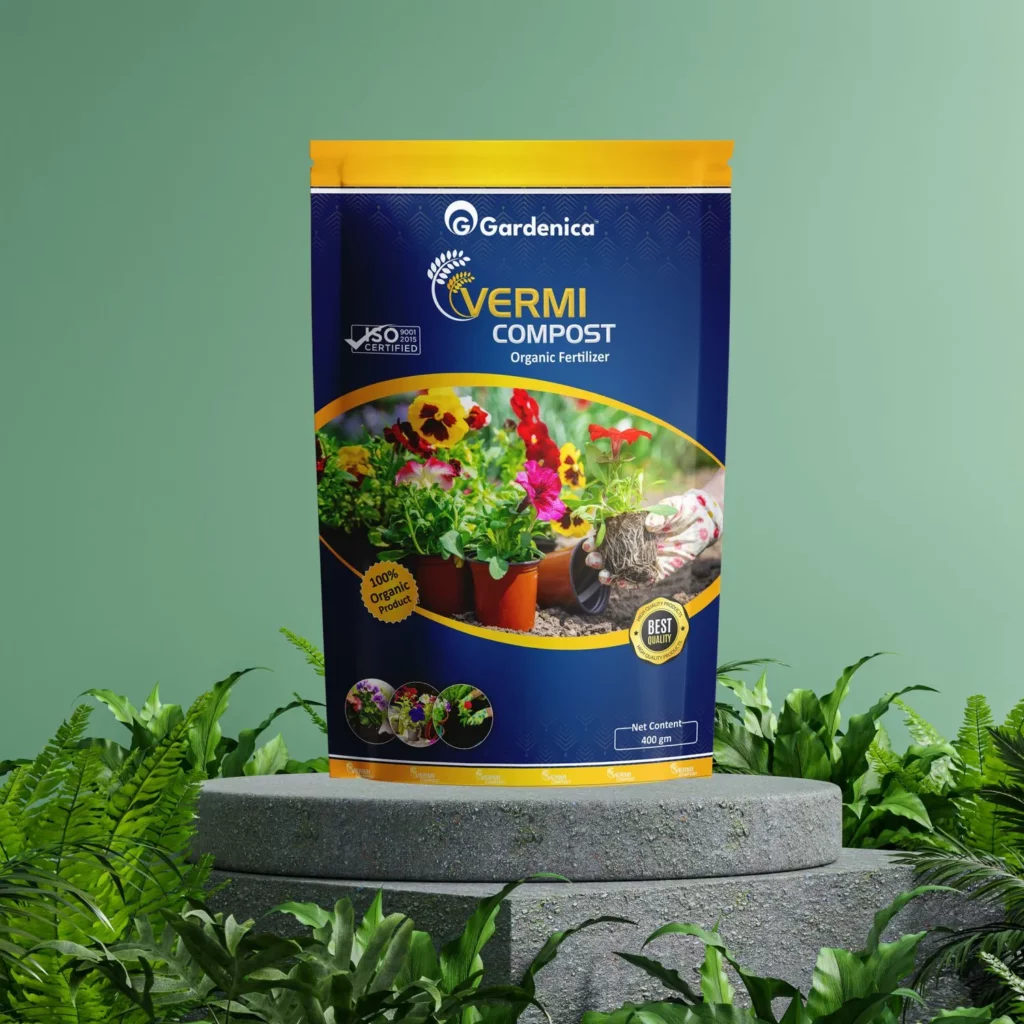
Pumpkin roots run far and drink a lot, so the mix must hold moisture without going soggy. Use two parts garden soil, one part Vermicompost and one part coarse sand or perlite, with a handful of Neem cake worked through it.

Wet the mix and let the pot stand a day before sowing so the compost settles. Only use well-rotted compost, since fresh material burns young roots. The same thinking applies as in our Potting mix for kitchen gardens.
Sow or Transplant, Step by Step
Sow from October to mid-February in north and central India, and October to March in coastal and southern areas. Start seeds indoors if nights drop below 12 degrees C.
- Soak the seeds. Keep them in water for 6-8 hours, then wrap them in a damp cloth for a day until the tip cracks.
- Sow sideways and shallow. Push each seed 15-20 mm deep in a cup of moist mix, pointed end sideways.
- Keep them warm. Cups in a warm shaded corner germinate in 5-10 days.
Watering a Thirsty Vine
Pumpkin leaves are large and lose water fast, so a dry pot on a sunny February afternoon can wilt a whole vine by evening.
- Morning is best. Water before 9 am so leaves dry off before dark, which lowers leaf spot trouble.
- Keep the soil even. Soak deeply until water runs from the drainage hole, then wait for the top inch to dry.
- Never wet the leaves. Overhead watering spreads leaf spots in winter humidity.
- Mulch the top. A 20-25 mm layer of dry grass clippings or coir keeps the surface cool.
Feeding Stage by Stage
Pumpkin is the hungriest plant on most terraces. Build the soil first, push leaves during the vine run, then switch to phosphorus at flowering and stop dry feeds in the last month.
- Establishing (Days after transplant: 0-20; What to give: Vermicompost in the mix only)
- Vine run (Days after transplant: 20-45; What to give: All In One as per label, every 15 days)
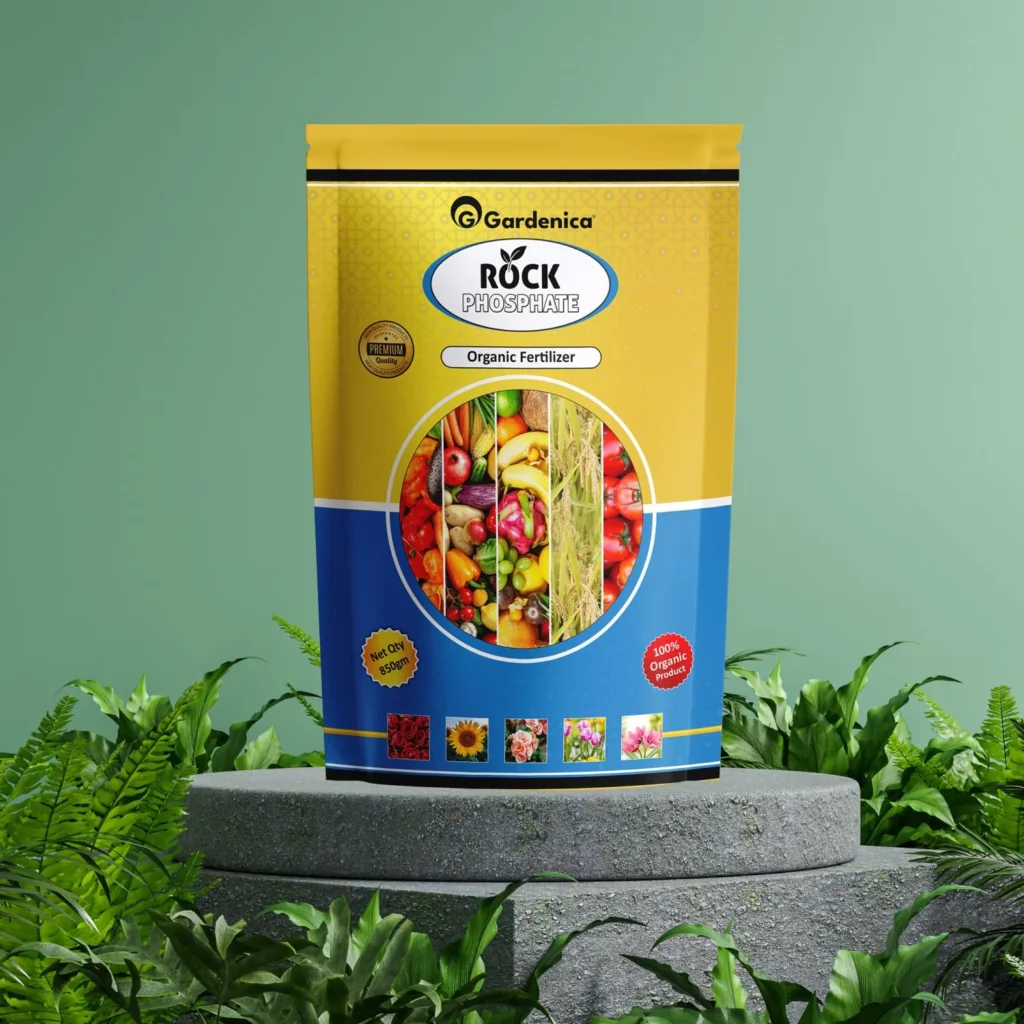
- Flowering (Days after transplant: 45-60; What to give: Rock phosphate as per label, monthly)
Why Flowers Drop and No Fruit Sets
Male flowers open first for a week or two and fall off without setting anything. That is normal. A male sits on a thin, straight stalk; a female has a tiny fruit swelling at the base of the petal.
Have a question about this topic?
Chat on WhatsAppFix the Pollination
- Pick a male flower. Choose one that just opened and strip the petals back to expose the pollen.
- Touch it to the female. Brush the anther over the sticky centre of a female with a swelling at its base.
- Do it before 10 am. Repeat on 2-3 females, one per fruit you want.
Fix the Other Causes
Pests and Leaf Trouble
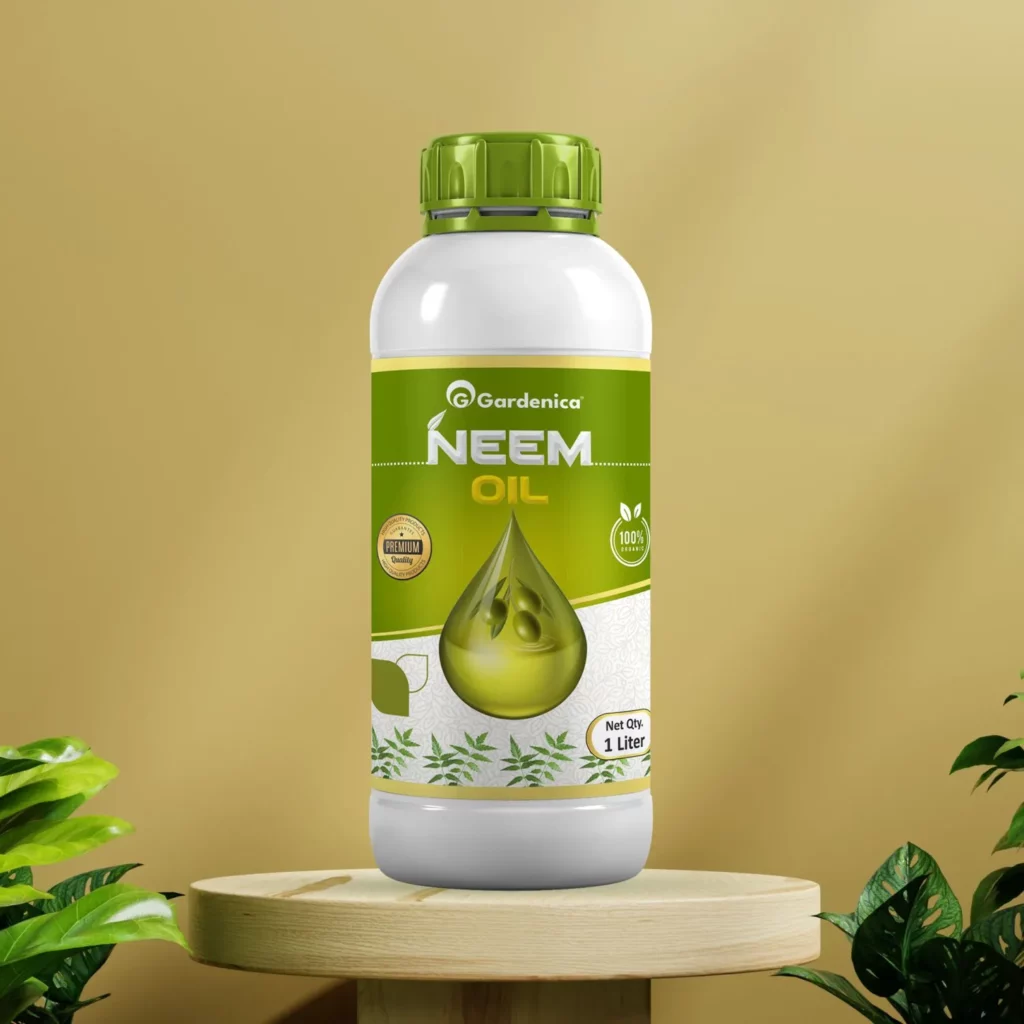
In dry winter air, Whiteflies on plants gather under pumpkin leaves and aphids cluster on the growing tip. A plain-water jet in the morning knocks numbers down, followed by a Neem oil spray at the label dose. A powdery white coating on older leaves shows up in cool, still weather; see Powdery mildew on plants for the airflow and pruning fix.
Harvest and What to Do Next
Cut a kaddu when the skin stops shining, the rind resists your thumbnail and the stalk joining the fruit turns brown and dry, usually 45-55 days after the flower opened and 90-120 days after transplant.
- Cut, do not pull. Use a secateur and leave a 20-25 mm piece of stalk on the fruit.
- Harvest in the morning. Cool fruits store longer.
- Cure in shade. Rest them 7-10 days on a dry rack before storing.
- Keep picking. Regular picking keeps the vine cropping for 3-4 months.
Safe Use at Home
- Wear gloves. Pumpkin stems and leaves are rough and scratch bare forearms.
- Anchor the trellis. A wet net carrying fruit can pull a loose railing clip off in wind.
- Sling the fruit. Rest each fruit over 500 g in a cloth or net sling on the wire.
- Store sprays away. Keep bottles out of reach of children and pets, and read the label before use.
Frequently Asked Questions
What size pot is best for growing pumpkin?
Use a pot 20-24 inch across and 18-20 inch deep, or a 15-20 litre grow bag, and keep only one plant in it. Smaller pots dry out during fruit filling and drop the young fruit.
Which month is best to sow pumpkin in India?
October to mid-February works in north and central India, and October to March in coastal and southern areas. Avoid sowing in a cold wave, and start seeds in cups indoors if nights fall below 12 degrees C.
Why is my pumpkin plant only growing leaves?
Too much nitrogen or too little sun. Give the vine 6-7 hours of direct light, stop leaf-heavy feeding, and switch to a phosphorus feed such as rock phosphate at the label dose once flowering starts.
How do I hand pollinate a pumpkin in a pot?
In the early morning, take a newly opened male flower, peel the petals back and brush its pollen onto the centre of a female flower that has a tiny swelling at its base. Do this before 10 am, since the flowers close by late morning.
How many pumpkins can one plant give in a pot?
Keep 4-6 fruits per plant and remove the extras while they are small. That keeps the remaining fruits uniform and stops the vine from running out before the season ends.
How do I know when a pot-grown pumpkin is ready?
The skin loses its shine, the rind resists your thumbnail and the stalk where the fruit joins the vine turns brown and dry, usually 45-55 days after flowering and 90-120 days after transplant.
Does pumpkin need a trellis in a pot?
Yes on a terrace. A trellis 60-72 inch high keeps the fruit off wet soil and saves floor space. Hang each fruit over 500 g in a cloth or net sling so the weight does not tear the vine.
Conclusion
To grow pumpkin in pots well, give one plant one deep pot, a solid trellis with a fruit sling, even water at the root, phosphorus at flowering and a hand pollination before ten in the morning. Do those five things and a terrace vine will carry 4-6 fruits through the winter.
For a feeding plan matched to your pot size and soil, Contact the Gardenica team on WhatsApp at +91 95120 17162, or browse the full range on the Category page.
Disclaimer: This article is general gardening information. Results vary with plant, pot, soil, weather and care. Always read and follow the product label.
Looking for more?
Continue to our main page to explore products and services.