Whiteflies on Plants: How to Spot, Control and Prevent Them in Pots
Whiteflies on Plants: How to Spot, Control and Prevent Them in Pots
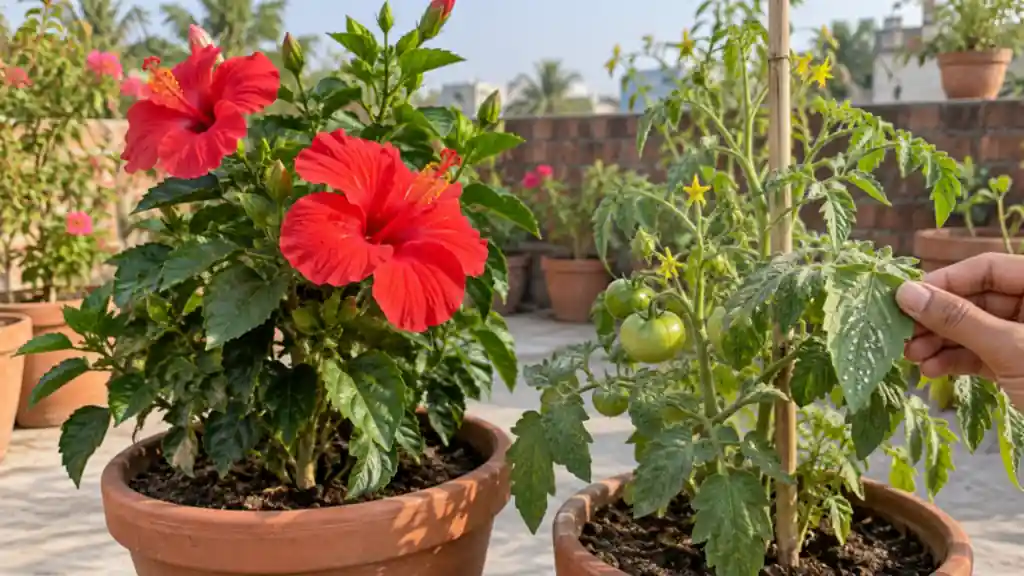
Brush past a hibiscus or tomato plant and see a small white cloud lift off the leaves? You are looking at whiteflies on plants, one of the most common sap-sucking pests on Indian terraces and balconies. They are tiny, they multiply quickly in warm weather, and they hide where you rarely look: the underside of the leaf. With early spotting, a steady spray routine and a few habits, you can bring numbers down and keep them low.
This guide explains how to identify whiteflies, why they matter, and a step-by-step plan for whitefly control in pots using simple, home-friendly methods.
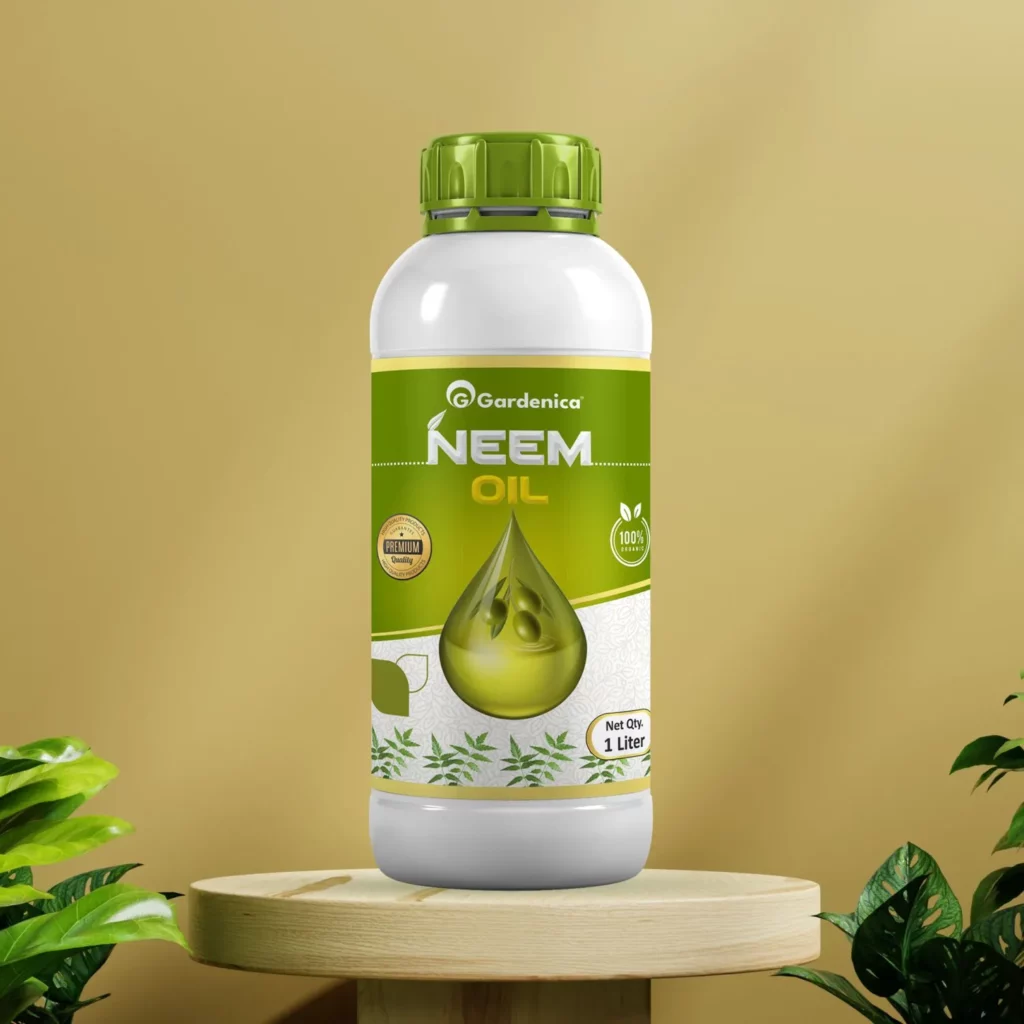
Read more: Explore Gardenica Neem Oil
What Are Whiteflies?
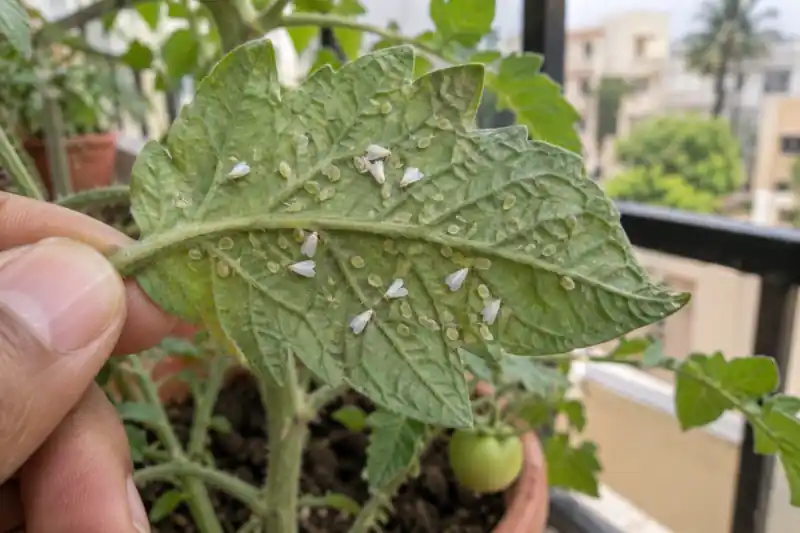
Whiteflies are small insects, only about 1 to 2 mm long, related to aphids and mealybugs rather than true flies. Adults have powdery white wings held flat over the body like a little tent. In Indian gardens the most common species is the silverleaf or sweet potato whitefly, which feeds on hundreds of plants.
The life cycle in brief
A female lays tiny eggs, often in a circle, on the underside of young leaves. These hatch into flat, pale nymphs that settle in one spot and feed. To the eye they look like specks of scale. After a short pupal stage, new winged adults emerge. In warm weather one generation can be completed in roughly three to four weeks, which is why a few flies can become hundreds in a month.
Plants they love
- Vegetables: tomato, chilli, capsicum, brinjal, okra and beans
- Flowers: hibiscus, lantana, poinsettia and gerbera
- Herbs and others: tulsi, mint and sweet potato vines
How to Spot Whiteflies Early
Early detection is the single biggest factor in easy control. Make a habit of checking plants twice a week, especially new growth.
- Tap the plant. Gently shake a stem in the morning. A puff of tiny white insects is the clearest sign.
- Turn the leaves over. Look for adults, oval nymphs and fine white waxy dust on the underside.
- Feel for stickiness. Shiny, sticky leaves or a sticky floor below the pot point to honeydew.
- Watch for black film. A sooty black coating on leaves usually follows honeydew.
If you see cottony white clusters that do not fly, you may be dealing with a different pest. Our guide to mealybugs on plants will help you tell the two apart.
Why Whiteflies Damage Plants
A few whiteflies cause little harm. Large numbers weaken a plant in several ways.
Sap loss and yellowing
Both adults and nymphs suck sap from leaf tissue. Heavily infested leaves turn pale or yellow, growth slows and older leaves may drop early.
Honeydew and sooty mould
Whiteflies excrete a sugary liquid called honeydew. A black sooty mould grows on it, blocking light from the leaf surface and making the plant look dirty.
Virus spread
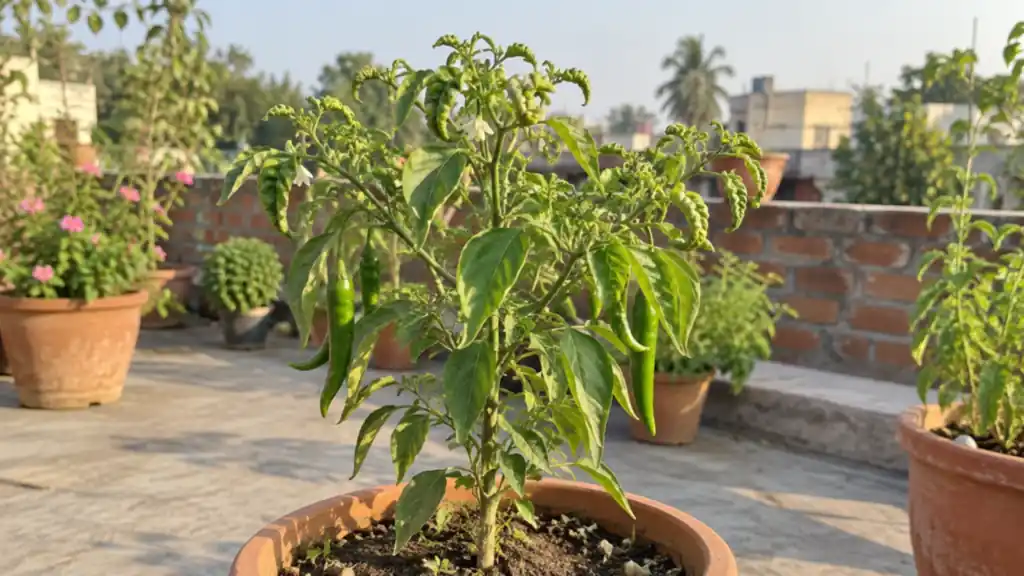
The most serious problem is that whiteflies can carry plant viruses from plant to plant. Leaf curl in tomato and chilli and yellow mosaic in beans and okra are commonly linked to whitefly feeding. If your chillies show crinkled, upward-curling leaves, read our guide on chilli leaf curl, because controlling the insect is part of the solution.
How to Get Rid of Whiteflies in Pots: Step by Step
No single spray clears whiteflies in one go, because eggs and pupae are harder to reach than adults. A combined plan over two to three weeks works far better.
Step 1: Isolate and clean up
Move the affected pot away from healthy plants if you can. Pinch off and bag leaves that are heavily coated with nymphs, then throw them out rather than adding them to compost.
Step 2: Wash the leaves
Spray the undersides of the leaves with a firm stream of plain water in the morning. This knocks off many adults and some nymphs and rinses away honeydew.
Step 3: Hang yellow sticky traps
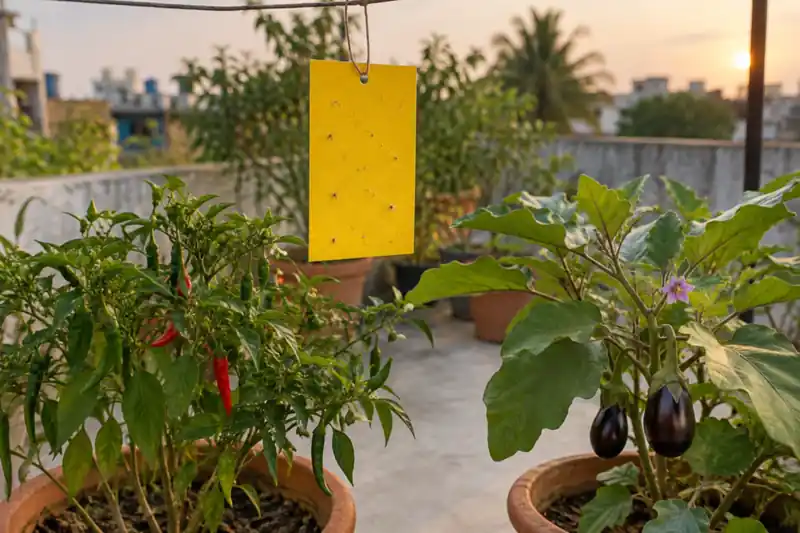
Adult whiteflies are strongly attracted to bright yellow. Hang yellow sticky traps just above the plant canopy. They catch flying adults and also show you whether numbers are rising or falling week to week.
Have a question about this topic?
Chat on WhatsAppStep 4: Start a neem oil spray routine
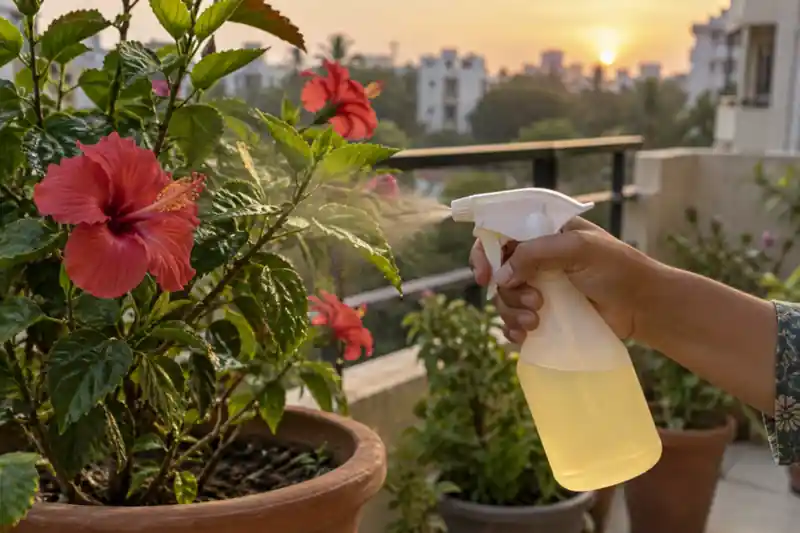
Neem oil for whiteflies works best on nymphs and young stages and as a feeding deterrent. Mix it with water and a mild emulsifier as directed on the product label, and spray thoroughly on the underside of every leaf. Our article on neem oil for plants explains mixing and safe spraying in detail.
- Spray in the evening or early morning, never in hot afternoon sun.
- Test on a few leaves first and check for marks after a day.
- Repeat at the interval given on the label, usually every five to seven days, for at least three rounds.
Step 5: Use a garden pest spray for heavy infestations
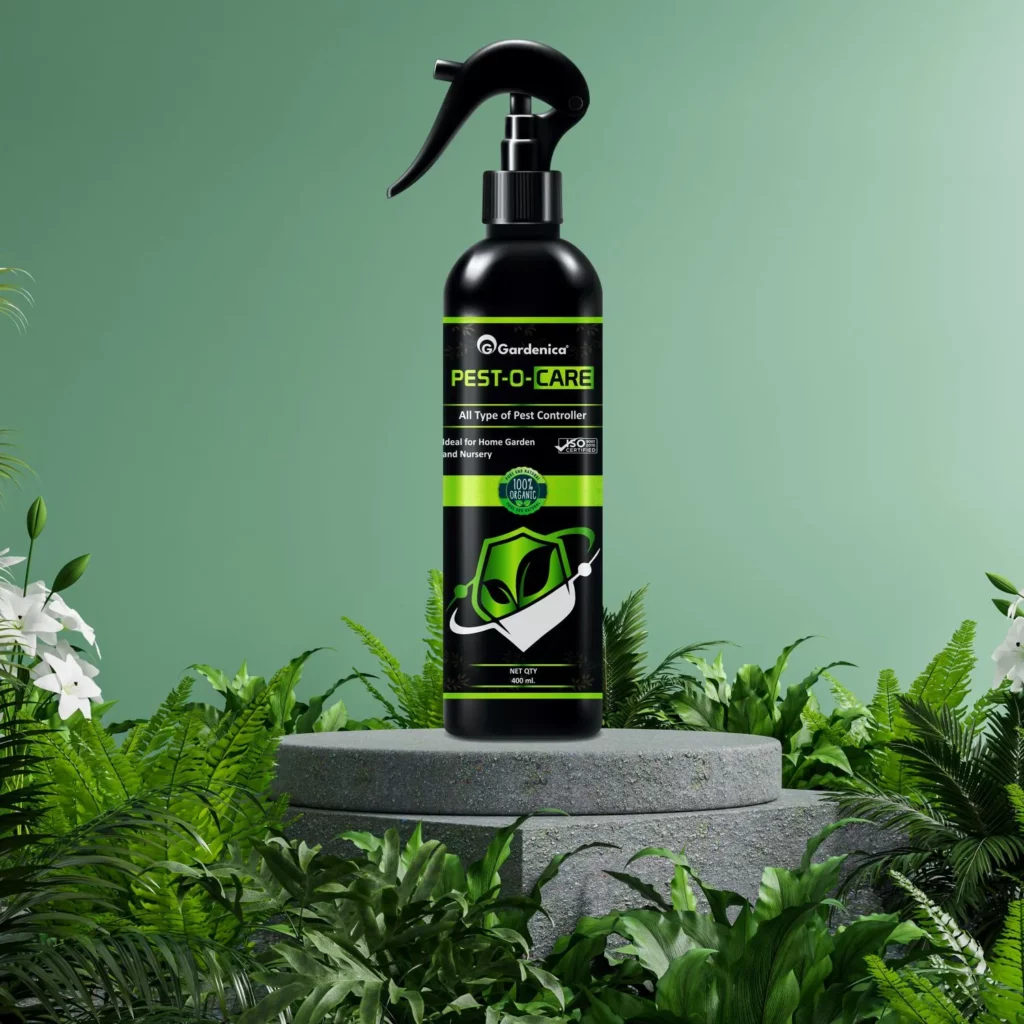
If numbers stay high after two weeks, a ready garden pest-care product made for home gardens can be added to the rotation. Always read the label for crop suitability, dose and waiting period before harvest on edible plants.
Whitefly on Hibiscus and Tomato Plants
These two plants are among the most frequent victims on Indian terraces, and each needs a little extra attention.
Hibiscus
Whitefly on hibiscus often hides deep in dense, leafy growth. Light pruning to open the centre makes spraying easier and improves airflow. For full care tips, see our hibiscus plant care in pots guide.
Tomato and chilli
Whitefly on tomato plants is a bigger concern because of leaf curl virus. Start checking from the seedling stage, remove any plant showing strong curling and stunting, and keep the sticky traps up for the whole season.
Preventing Whiteflies From Coming Back
Once numbers are under control, a few habits keep them from building up again.
- Inspect new plants. Check nursery plants under the leaves before bringing them home.
- Feed in balance. Too much nitrogen produces soft, lush growth that sap-feeders prefer. Use compost and balanced nutrition rather than heavy feeding.
- Keep plants healthy. Water deeply but not too often, and give good sunlight. Stressed plants suffer more.
- Encourage helpers. Ladybirds, lacewings and small wasps eat whiteflies. Avoid unnecessary broad sprays that harm them.
- Keep traps as a monitor. One sticky card per group of pots gives an early warning.
Whiteflies often share plants with other sap-suckers. Our guide to aphids on plants covers a similar prevention routine.
Common Mistakes in Whitefly Control
- Spraying only the top of leaves. Most whiteflies live underneath, so top-only sprays miss them.
- Stopping after one spray. Eggs and pupae survive and hatch later. Repeat the routine for several weeks.
- Spraying in strong sun. Oil sprays in midday heat can scorch leaves.
- Making sprays stronger than the label. A stronger mix does not work faster and can damage plants.
- Ignoring the black film. Sooty mould means honeydew, which means a pest is still active.
- Moving infested pots among healthy ones. Adults fly easily to nearby plants.
Frequently Asked Questions
Are whiteflies harmful to humans or pets?
No. Whiteflies do not bite people or pets. The damage is limited to plants.
How long does it take to get rid of whiteflies?
With a steady routine of washing, sticky traps and repeated sprays, most pot gardeners see a clear drop within two to three weeks.
Does neem oil kill whitefly eggs?
Neem oil works mainly on nymphs and young stages and discourages feeding. It is less reliable on eggs, which is why repeat sprays are needed to catch newly hatched nymphs.
Can I eat tomatoes from a plant that had whiteflies?
Yes. Wash the fruit well. If you used any spray, follow the waiting period on the product label before harvesting.
Why do whiteflies keep returning to my terrace?
They fly in from nearby gardens and weeds, and eggs left on leaves hatch later. Regular checks, sticky traps and early action keep numbers low.
Do yellow sticky traps alone solve the problem?
No. Yellow sticky traps for whiteflies catch adults and help with monitoring, but nymphs on the leaves need washing and sprays as well.
Protect Your Plants This Season
Whiteflies are a nuisance, but a patient routine of checking leaves, washing, trapping and regular spraying keeps them in check in most home gardens. For a neem-based spray, explore Gardenica Neem Oil. Need help choosing the right plant-care product? Contact the Gardenica team and we will guide you.
Looking for more?
Continue to our main page to explore products and services.