How to Grow Amaranth in Pots: A Chaulai Saag Guide for Winter Balconies
How to Grow Amaranth in Pots: A Chaulai Saag Guide for Winter Balconies

You sow amaranth on a Wednesday, and by the following weekend the whole tray is a green carpet you did not ask for. That is how to grow amaranth in pots, and that sudden density is the only real difficulty with this leaf. The plant asks for very little: a six inch depth of mix, four hours of winter sun, and water that keeps the top inch dark.
This guide covers chaulai saag (lal saag, thothakura, keerai) from seed to a second cut, with the pot sizes, seed counts and feeding intervals that work in a flat with a wall on one side.
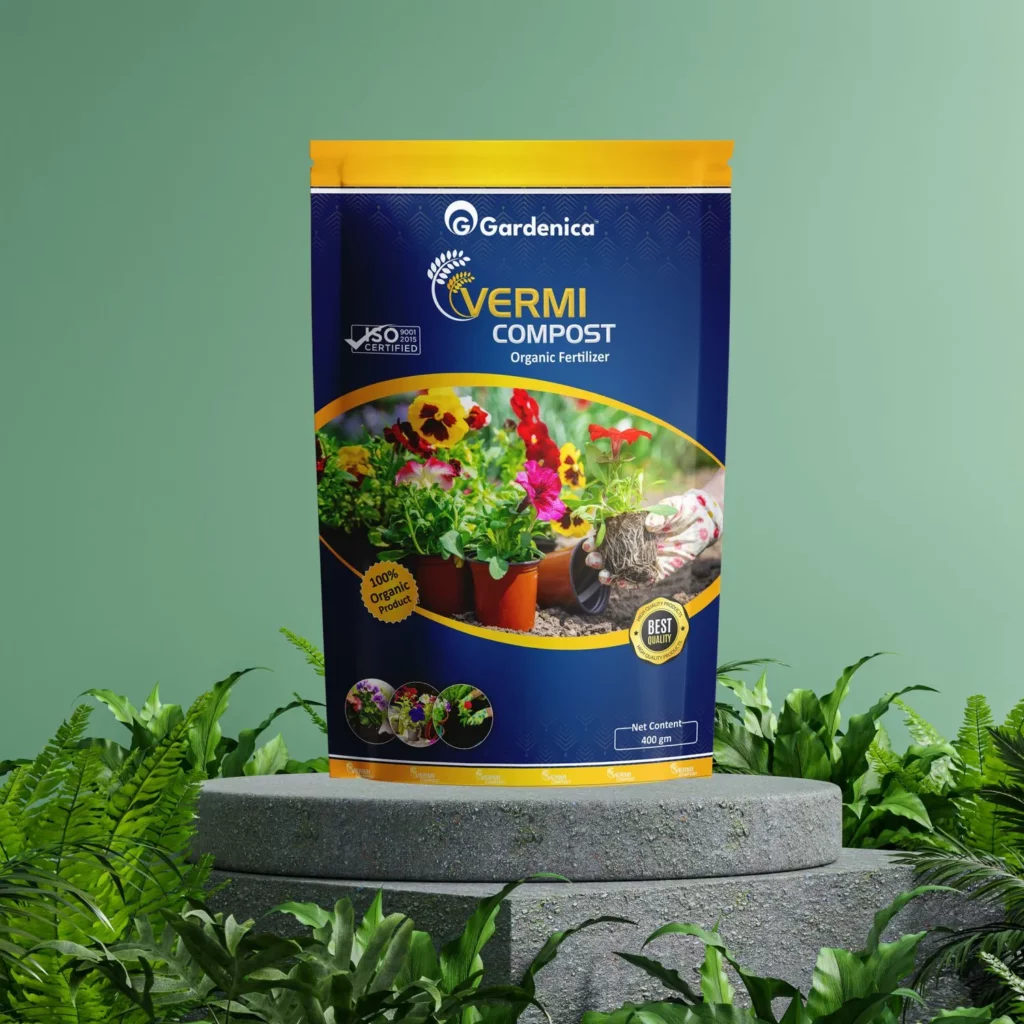
Read more: Explore Gardenica Vermi Compost
Why Amaranth Earns Its Pot in Winter
Amaranth is the fastest leaf you can run on a terrace in the cool months. Sowing goes in during October and November, and the first cut lands 25 to 35 days later, quicker than the Palak you can grow in pots. It handles the dry spells of an Indian winter better than spinach, and it does not bolt the moment the thermometer moves. After the cut it pushes side shoots that give a second harvest from the same pot.

Choose the Pot and Mix First
Depth matters more than width, because amaranth is shallow rooted and topples if the roots have nowhere to go. A tray or pot 6 to 8 inch deep with three or four drainage holes works well. Keep the mix loose:
- 4 parts cocopeat or garden soil. The body of the mix, wetted through before filling.
- 1 part Vermi compost. Feeds seedlings gently for two weeks.
- 1 part river sand or perlite. Stops winter rain holding the mix wet around thin stems.
Rake the surface flat and water before sowing, not after. Seed washed into a crust of dry mix germinates patchily.
How Much Seed Per Pot
Amaranth seed is dust fine, a thousand seeds to a handful. Sowing straight from the packet is why a tray ends up as a mat of leggy stems. Mix a pinch of seed with a fistful of dry cocopeat and scatter that, or blend it with sand in a salt shaker.
- 12 inch round pot (Seeds sown: 8-10; Plants kept: 3-4)
- 18 x 12 inch tray (Seeds sown: 12-15; Plants kept: 5-6)
- Grow bag top (Seeds sown: 20-25; Plants kept: 8-10)
- 6 inch pot (Seeds sown: 5-6; Plants kept: 2)
Sun, Water and Cold Weeks
Amaranth wants the sunniest spot you have. Four to six hours of direct winter light gives stocky plants; a shaded corner gives pale stems that fall over at the first watering. In North India, pull trays away from the parapet when frost is forecast, as with any Winter plant care in India.
Watering follows the mix, not the calendar. A winter tray usually needs a gentle morning watering once a day, or every second day in a cloudy stretch. Use a rose can so the jet does not flatten the seedlings, and water at the base.
Thin While the Seedlings Are Tiny
Thin when two true leaves show, around day 10 to 12. Snip the extras with scissors rather than pulling them, so the roots of the plants you keep stay put. The thinnings are the tenderest leaves of the whole crop and go straight into a dal.
Skip this and you get thin, pale stems competing for light, which is where fungal losses start. Crowded seedlings and Damping off in seedlings share one cause: wet leaves, still air, no room between stems.
Feeding for Dark Green Leaves
Amaranth is grown for leaf, so nitrogen leads and the schedule stays light. The mix already carries compost, so the first feed waits until the plants have real leaves to spend it on.
- Day 12 to 15, first feed. Water a seaweed promoter such as All In One at the dose on the pack, after a normal watering so roots are not dry.
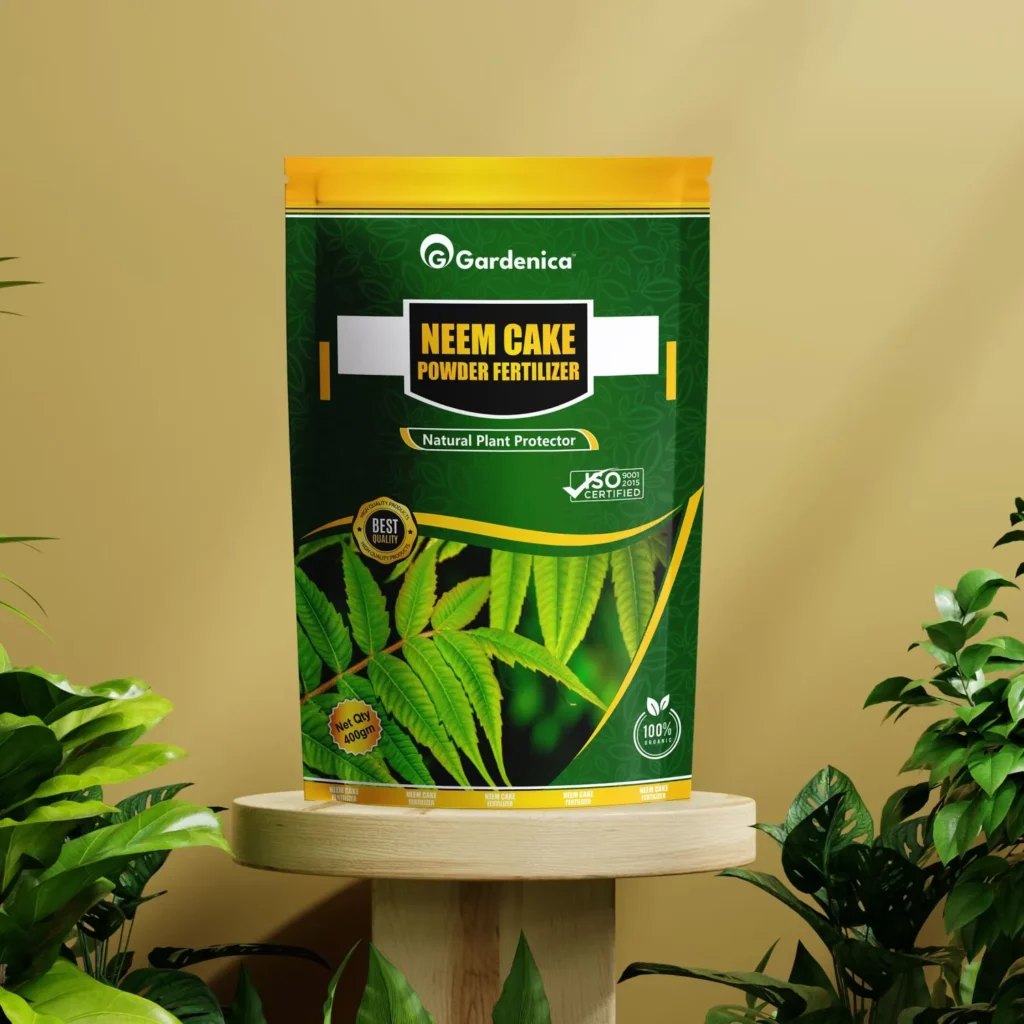
- Day 20, top dressing. Scratch Neem cake powder into the top inch for slow, steady feeding.
- Every 12 to 15 days after. A balanced feed such as Rich Fertilizer at label dose until 5 days before the cut.
The 30 Day Cut and Second Harvest
Cut when plants stand 15 to 20 cm tall, which is 25 to 35 days from sowing. Take clean scissors and cut the whole tray 5 cm above the mix rather than picking leaves from crowded stems. Cut in the cool morning after the leaves have dried off.
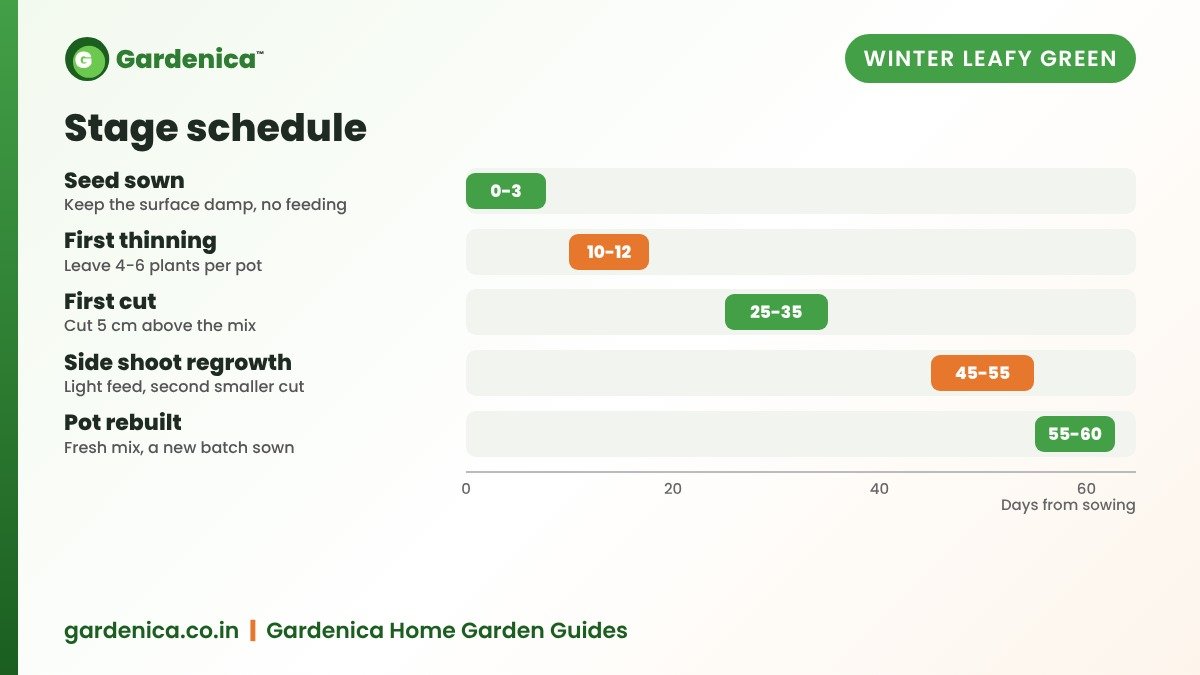
- Seed sown (Days from sowing: 0-3; What you do: Keep the surface damp, no feeding)
- First thinning (Days from sowing: 10-12; What you do: Leave 4-6 plants per pot)
- First cut (Days from sowing: 25-35; What you do: Cut 5 cm above the mix)
- Side shoot regrowth (Days from sowing: 45-55; What you do: Light feed, second smaller cut)
When the Crop Goes Wrong
Leggy seedlings falling over. Too many plants, too little light. Thin at once and move the tray into more sun.
Have a question about this topic?
Chat on WhatsAppYellow leaves from the bottom up. Nitrogen has run out in a lean mix. Feed at label dose after watering.
Reddish or purple leaves. Many varieties carry red pigment naturally. If plants are also stunted, check the pot is not on a cold slab.
White powder on the leaves. Powdery growth in a dry, still balcony corner. The fix is on Powdery mildew on plants: space the pots and treat early.
Safe Use at Home
Wear gloves when working compost or neem cake into a tray, and wash your hands before handling leaves you will eat. Keep pots off the walking edge of a balcony. Store any feed or botanical spray in its original labelled pack, closed and high up, away from children and pets. Spray in the evening on the leaves rather than into the air, and keep everyone away until it has dried. Harvest no leaves for 5 days after an application, and read the label before every use.
What to Check Before You Buy
- Seed lot. Amaranth loses vigour fast. Germinate ten seeds on a wet paper towel before sowing a tray.
- Mix size. A 5 kg bag of cocopeat expands to about 10 litres and fills two 12 inch trays.
- Use per pot. Check the dose per plant on the feed pack rather than guessing a handful.
- Storage. Keep opened compost and neem cake closed and dry, or fungus gnats move in.
Frequently Asked Questions
What size pot is best for amaranth in a balcony garden?
Any container 6 to 8 inch deep with drainage holes. A 12 inch round pot or an 18 x 12 inch tray holds enough plants for one plate of saag, and wide and shallow works better than a tall narrow pot.
How many seeds should I sow per pot?
Eight to ten seeds in a 12 inch pot, mixed with dry cocopeat and scattered, then thinned to 3 or 4 plants when the seedlings show two true leaves around day 10 to 12.
How long does amaranth take to grow in pots?
25 to 35 days from sowing to the first cut at 15 to 20 cm height, with a second smaller cut 45 to 55 days from sowing off the side shoots.
Is amaranth the same as saag or lal saag?
Yes. Chaulai, lal saag, thothakura, keerai and red spinach are all names for amaranth grown as a leaf vegetable in India.
Does amaranth need full sun?
Four to six hours of direct sun keeps stems short and leaves dark. In a shaded balcony the plants grow thin and flop, so move the tray to the sunniest spot.
How often should I feed potted amaranth?
Every 12 to 15 days at the dose on the pack, starting around day 12 to 15, and stop 5 days before the cut.
Conclusion
Amaranth rewards a gardener who sows thinly, thins on time and feeds lightly. Get How to grow amaranth in pots right once and one tray gives saag in 25 to 35 days, with a second cut still to come. Start a tray this week and sow the next a fortnight later.
For the right pot size, mix and feeding plan for your balcony, The Gardenica team is on WhatsApp at +91 95120 17162, and the full range is on the Products page.
Disclaimer: This article is general gardening information. Results vary with plant, pot, soil, weather and care. Always read and follow the product label.
Looking for more?
Continue to our main page to explore products and services.