How to Grow Palak in Pots: A Winter Spinach Guide for Indian Homes
How to Grow Palak in Pots: A Winter Spinach Guide for Indian Homes
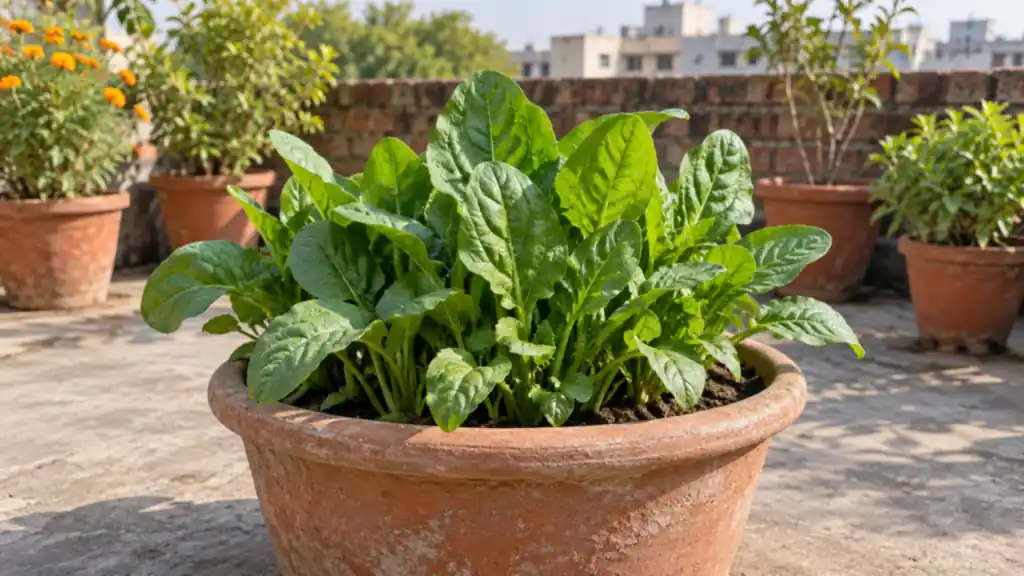
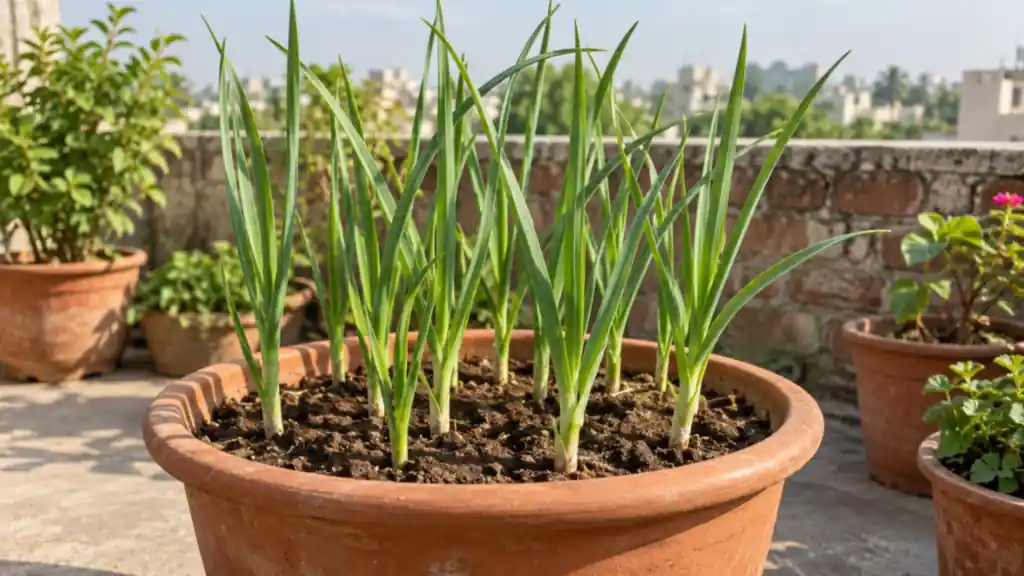
Few leafy greens reward a balcony gardener as quickly as palak. A shallow pot, a sunny railing and a handful of seeds can give you fresh leaves for dal, saag and parathas within about six weeks. If you have been wondering how to grow palak in pots, late October and November are among the best times to start in most of India, because palak prefers cool weather. This guide walks you through choosing a pot, sowing, watering, feeding, harvesting and fixing common problems.
Indian palak (often called beet leaf spinach) is a fast, forgiving crop. Its roots stay fairly shallow, it does not need staking, and you can cut leaves several times from the same plants.
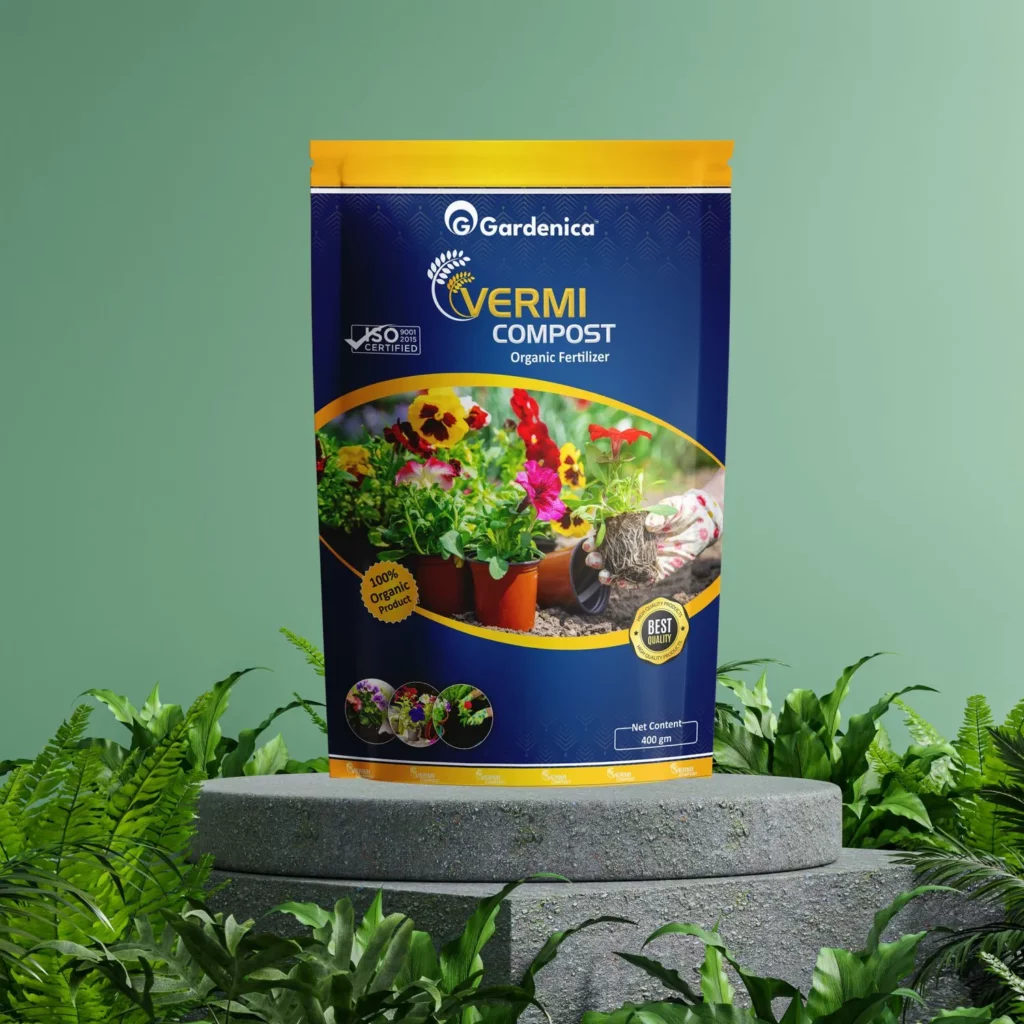
Read more: Explore Gardenica Vermi Compost
- Quick returns: the first cutting is usually ready 30 to 45 days after sowing, depending on weather and variety.
- Repeat harvests: many varieties regrow after cutting, giving several pickings over the season.
- Small space: a 10 to 12 inch pot or a window box can hold enough plants for regular kitchen use.
- Few demands: palak needs steady moisture, rich soil and four to six hours of sun.
Best Time to Grow Palak in India
Palak grows best when days are mild and nights are cool. Very hot weather makes plants bolt (send up a flower stalk) and leaves turn small and bitter.
North and Central India
Sow from September to November. In regions with mild winters you can keep sowing small batches until early February. Light frost rarely harms established plants, but cover pots on the coldest nights.
Gujarat, Maharashtra and the South
October to January is the most reliable window in plains areas. In milder hill climates palak can be grown for much of the year. For more crops that suit this season, see our list of vegetables to grow in October.
Sow in batches
Sowing a small pot every two to three weeks gives you a steady supply instead of one large harvest that you cannot use in time.
Choosing the Right Pot and Soil Mix
Pot size and drainage
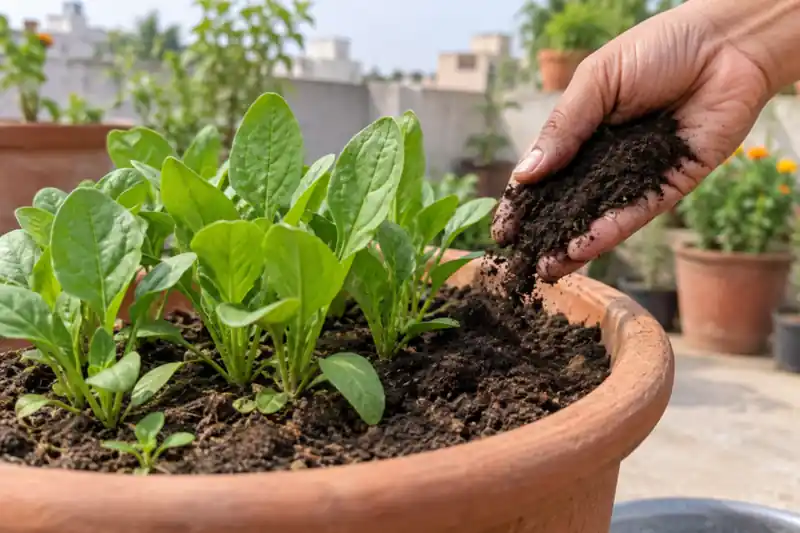
Choose a container at least 6 to 8 inches deep. Wide, shallow pots, grow bags and rectangular troughs work well because palak spreads sideways more than down. Every pot must have drainage holes, since soggy roots lead to rot.
A loose, rich potting mix
Palak is a leafy crop, so it needs soil rich in organic matter. A simple home mix is:
- About 50 percent garden soil or cocopeat
- About 30 to 40 percent well-rotted compost or vermicompost for plants
- A little sand or perlite for drainage
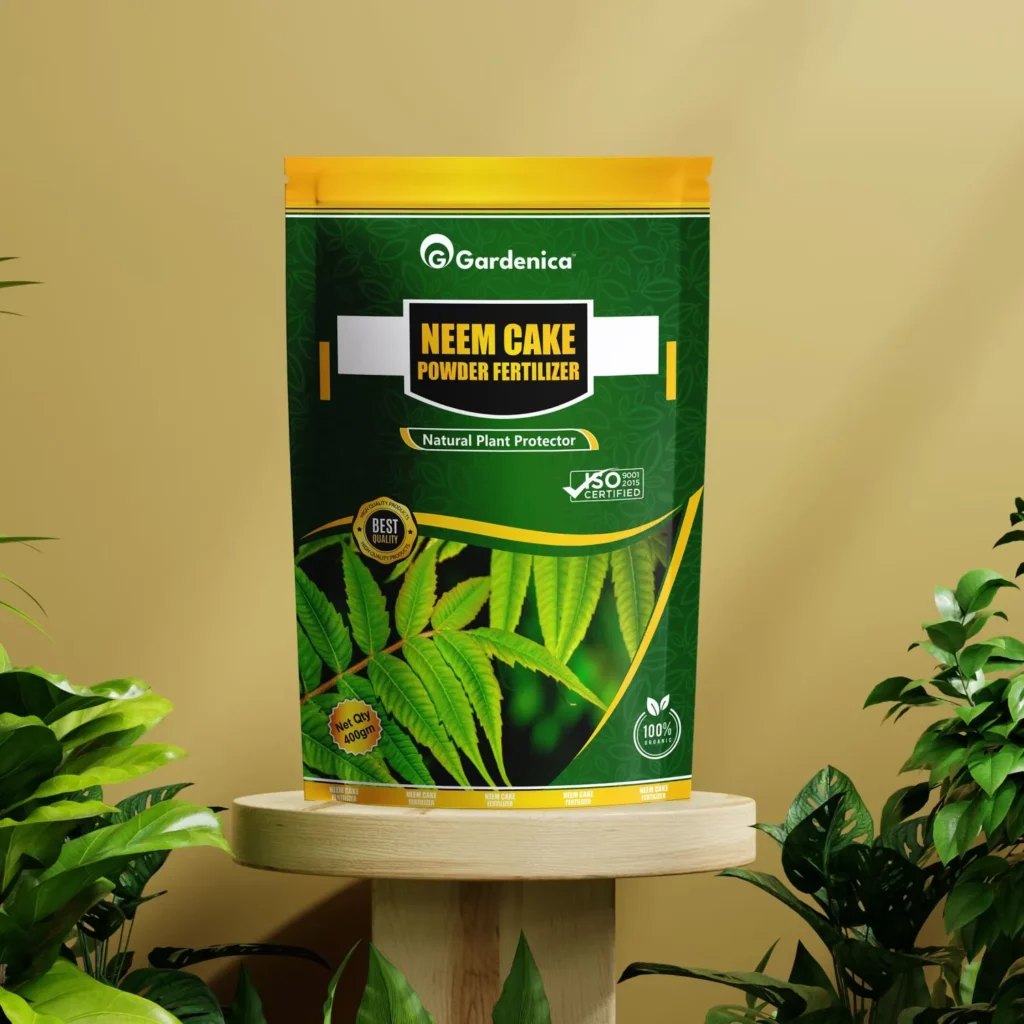
Palak grows well in soil that is neutral to slightly alkaline. Our guide to potting mix for kitchen gardens explains how to balance each ingredient. Some gardeners also mix in a little neem cake powder at planting time; follow the product label for the amount.
How to Sow Palak Seeds in Pots: Step by Step
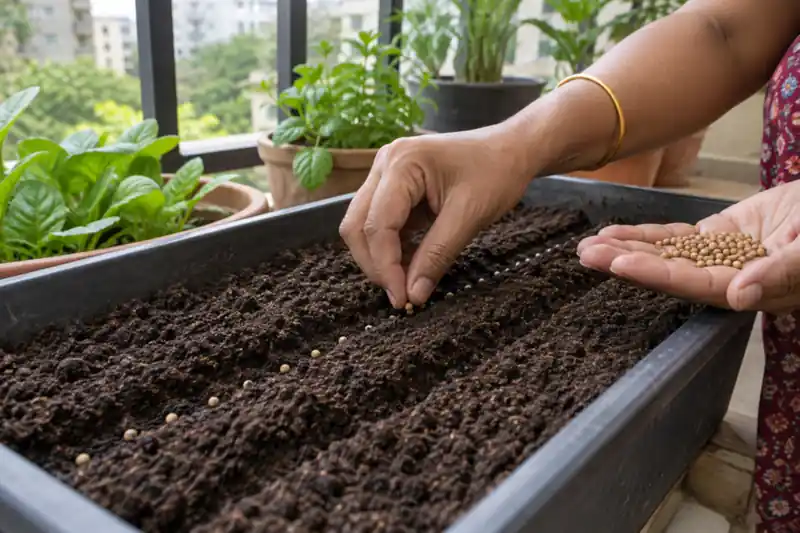
Palak "seeds" are actually small, corky clusters that may hold more than one seed, so expect a few seedlings from each.
- Soak the seeds in plain water for 8 to 12 hours. This softens the hard coat and can speed up germination.
- Fill and moisten the pot with your mix, leaving about an inch at the top for watering.
- Make shallow furrows about half an inch to one inch deep and roughly 4 to 6 inches apart, or simply scatter the seeds evenly.
- Cover lightly with soil and press gently so the seeds are in contact with the mix.
- Water with a fine spray so the seeds are not washed away.
- Keep the surface moist but not wet. Seedlings usually appear in about 7 to 10 days in cool weather.
- Thin the seedlings when they have two or three true leaves, leaving about 3 to 4 inches between plants. Thinned seedlings can be eaten as microgreens.
Watering, Sunlight and Feeding
Watering
Palak has tender, juicy leaves, and uneven watering is one of the main reasons for poor growth. Water when the top inch of soil feels dry, usually every one to two days in sunny spots and less often in cloudy, cool spells. Water at the base in the morning so the leaves dry before evening.
Sunlight
Four to six hours of direct sun is enough. An east-facing balcony with morning sun is ideal. In warmer areas, light afternoon shade helps prevent early bolting.
Feeding for leafy growth
Leafy greens use plenty of nitrogen. A rich starting mix covers the first few weeks. After that:
Have a question about this topic?
Chat on WhatsApp- Add a thin top layer of vermicompost every two to three weeks.
- After each harvest, feed lightly to help the plants regrow.
- If you use a general plant nutrient, follow the label dose and avoid overfeeding, which can cause soft, weak growth.
How and When to Harvest Palak
Start harvesting when the leaves are about 6 to 8 inches long, usually 30 to 45 days after sowing.
The cut-and-come-again method
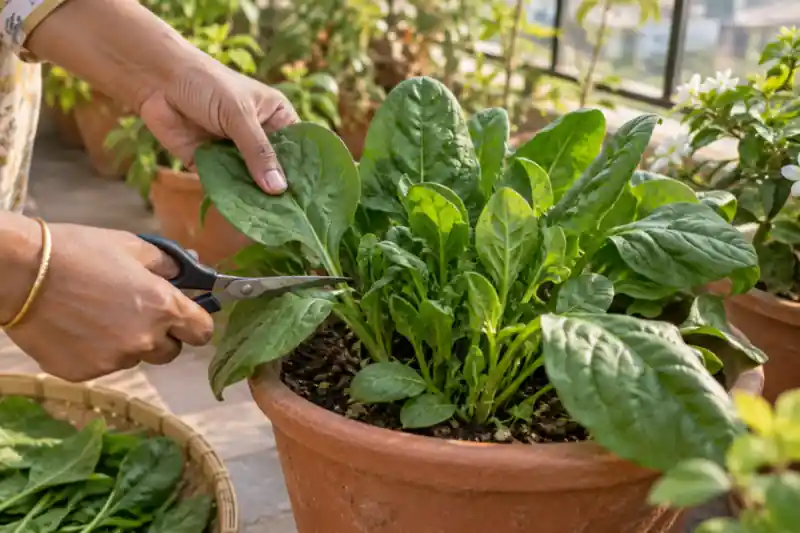
Cut the outer, mature leaves about an inch above the soil with clean scissors and leave the small centre leaves to keep growing. Plants usually produce a fresh flush in about two to three weeks, so you can take several cuttings in one season.
When to stop
Once a central flower stalk appears, leaves become smaller and may taste bitter. At this point, harvest everything and resow the pot with fresh compost mixed in.
Common Pests and Leaf Problems
Palak in pots is usually trouble-free in winter, but keep an eye on a few issues.
Aphids and caterpillars
Small green or black aphids cluster on new leaves and under leaf surfaces. Hose them off or use a neem-based spray as described in our guide to aphids on plants. Pick off caterpillars by hand in the early morning.
Leaf miners
Wavy, pale tunnels inside the leaves are the work of leaf miner larvae. Remove affected leaves early and dispose of them away from the garden.
Leaf spots and yellowing
Brown spots with pale centres often point to fungal leaf spot, which spreads in wet, crowded conditions. Improve spacing and avoid wetting the leaves. Even yellowing of older leaves usually means the plants need feeding.
Common Mistakes to Avoid
- Sowing too thickly and never thinning, which gives weak, leggy plants.
- Sowing in hot months, which leads to quick bolting and bitter leaves.
- Using heavy, clayey soil without compost, which stays wet and causes root rot.
- Letting the pot dry out between waterings, which makes leaves tough.
- Cutting the whole plant at ground level on the first harvest, which ends regrowth.
- Overfeeding with strong fertilisers instead of following the label.
Frequently Asked Questions
How long does palak take to grow in a pot?
Seeds usually sprout in 7 to 10 days, and the first leaves are ready to cut about 30 to 45 days after sowing, depending on temperature and variety.
Can I grow palak on a balcony with limited sun?
Yes. Palak manages with four to six hours of direct sun. With less light it grows more slowly and the leaves may be paler and thinner.
How many times can I harvest palak from one sowing?
With the cut-and-come-again method, many gardeners get three to five cuttings before the plants flower.
Why are my palak leaves turning yellow?
Common causes are overwatering, poor drainage or lack of nutrients. Check that the pot drains well and add compost if the plants have not been fed for a few weeks.
Can I grow palak from kitchen market stems?
Palak is best grown from seed. Store-bought bunches rarely root well, so start with fresh seeds from a reliable source.
Is palak the same as English spinach?
Not exactly. Indian palak is a heat-tolerant leaf beet, while English spinach is a different plant that prefers colder climates. Both are grown and cooked in similar ways.
Start Your Palak Pot This Week
A deep enough pot, a compost-rich mix, steady watering and regular light cutting are all it takes to keep fresh palak coming through winter. Gardenica Vermi Compost is a simple way to enrich your potting mix and top-dress plants between harvests. If you have questions about your own balcony or terrace garden, contact the Gardenica team.
Looking for more?
Continue to our main page to explore products and services.