Vegetables to Grow in October in India: A Pot-by-Pot Guide
Vegetables to Grow in October in India: A Pot-by-Pot Guide
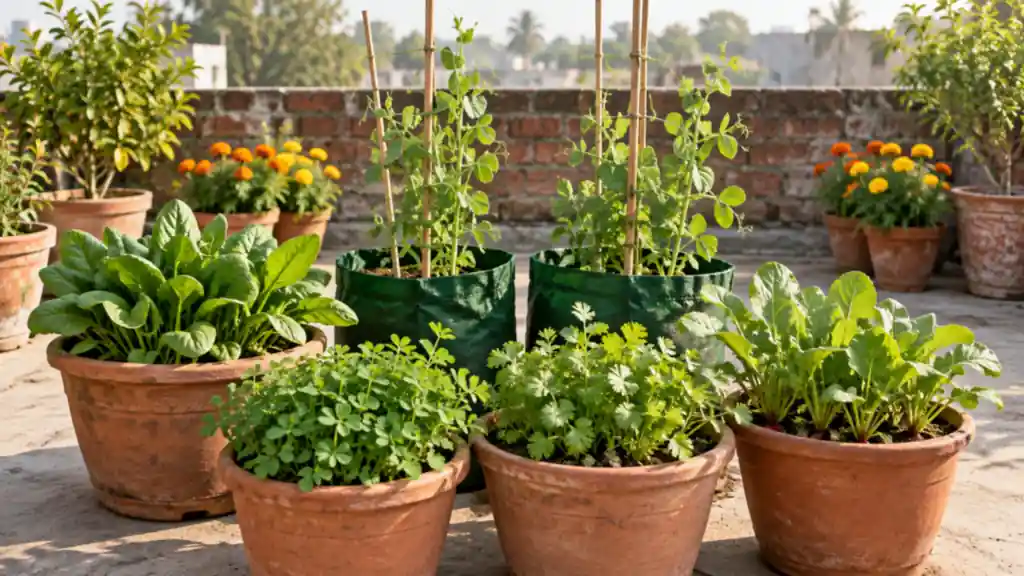
The monsoon has eased, mornings feel cooler and the sun is gentler on the terrace. For most of India, this is the start of the best sowing window of the year. If you have been wondering about the vegetables to grow in October in India, the list is long and friendly to beginners: leafy greens, crunchy roots, peas and the cabbage family all prefer the mild days ahead. Here is what to sow, the pot size each crop needs and how to care for it until harvest.
Why October is the best month to start a winter kitchen garden
Most winter vegetables germinate and grow best when days are warm and nights are cool. In north, central and western India, including Gujarat, October usually brings exactly that. With heavy rain over, seeds are less likely to rot.
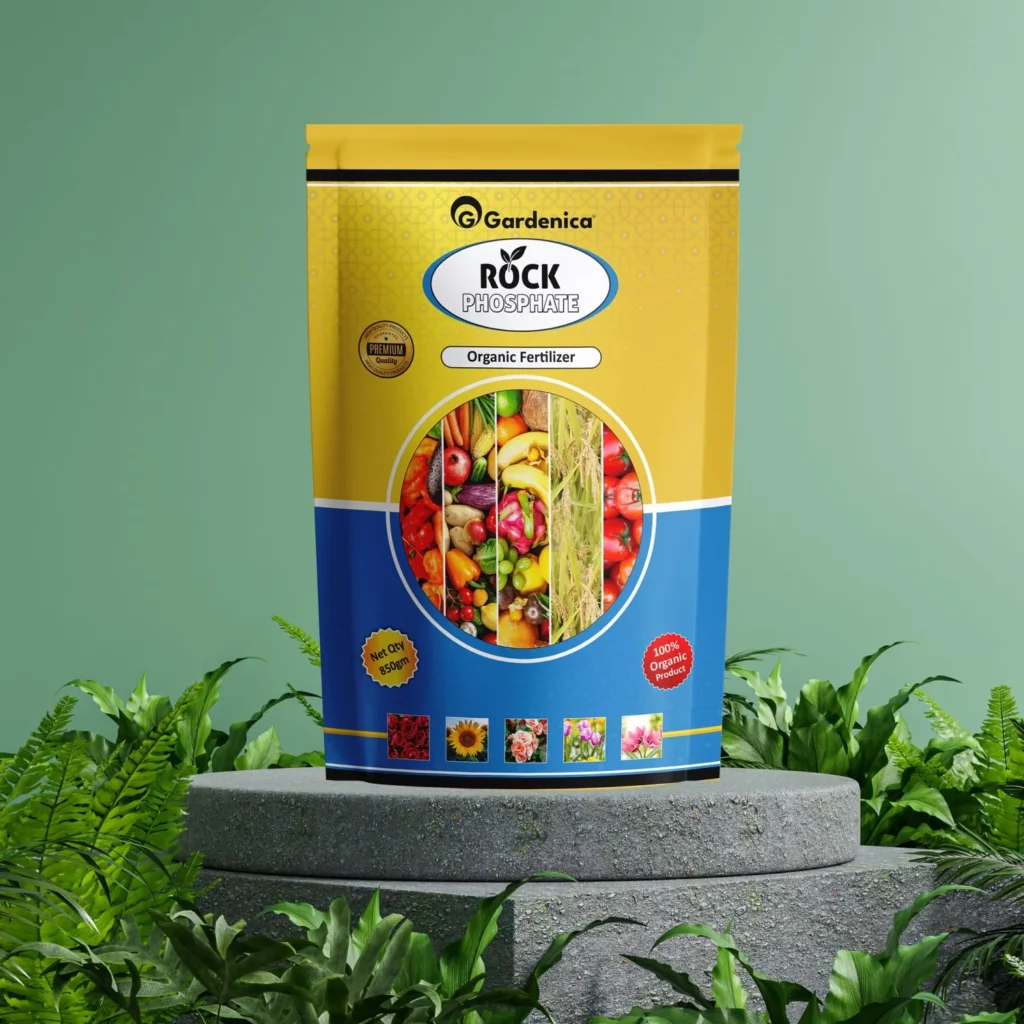
Read more: Explore Gardenica Rock Phosphate
Gardeners in the south and on the coasts have milder winters, so the season runs longer and the choice of crops is a little different. A few practical points apply everywhere:
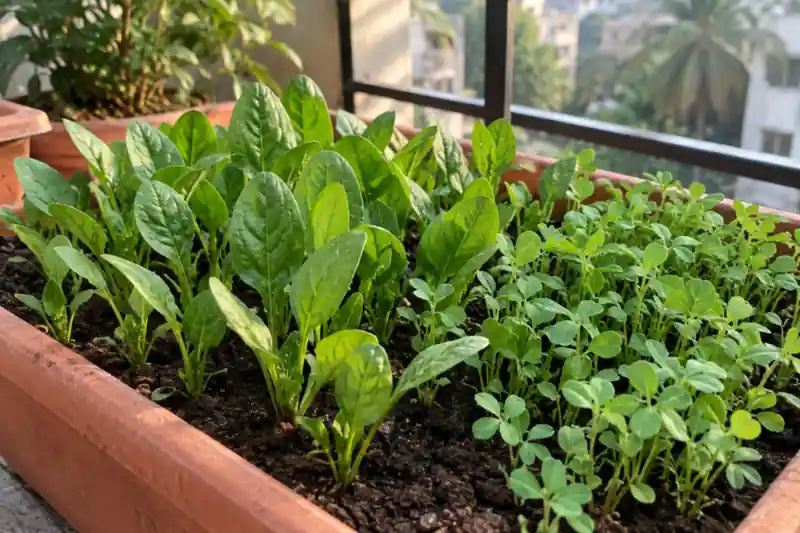
- Sow in the first half of October if your area gets a sharp winter, so plants are established before the coldest weeks.
- If October is still hot where you live, start with leafy greens and radish, and sow peas and carrots a couple of weeks later.
- Stagger sowing every two to three weeks so you harvest a little at a time instead of everything at once.
Quick leafy greens for October sowing
Leafy greens are the easiest October sowing vegetables. They need shallow pots, grow fast and can be cut several times.
Spinach (palak)
Spinach grows well in a pot or trough about 6 to 8 inches deep. Soak seeds overnight, sow them 1 to 2 cm deep and thin seedlings. Young leaves are usually ready to pick in about a month, and regular picking keeps new leaves coming.
Fenugreek (methi)
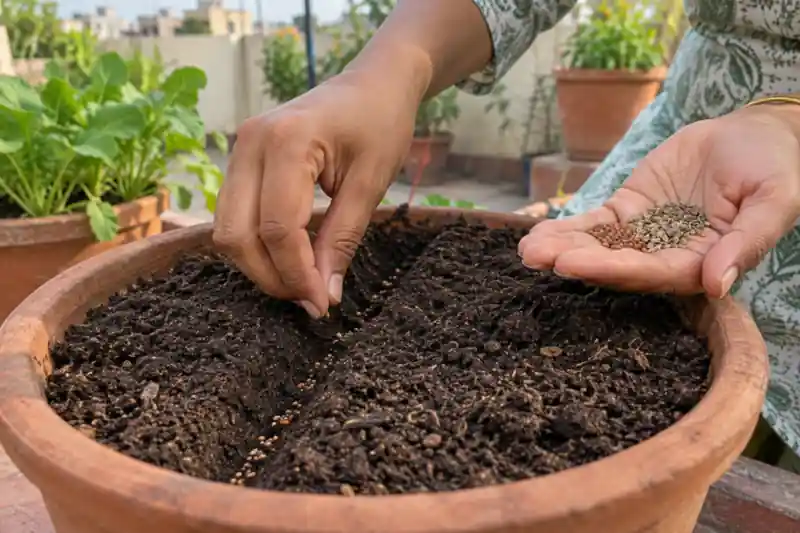
Methi is almost foolproof. Scatter the seeds on the soil, cover with a thin layer of mix and water gently. You can cut it as tender greens within a few weeks.
Coriander and lettuce
Coriander seeds germinate better if you lightly crush each round seed into two halves before sowing. Lettuce likes the same cool weather and partial afternoon shade on very sunny terraces.
Root vegetables that need deeper pots
Root crops are sown directly where they will grow, because they do not like being transplanted. Depth matters more than width here, and the mix must stay loose. If you need help building a light, airy mix, read our guide on potting mix for kitchen gardens.
Radish (mooli)
Radish is one of the fastest winter vegetables in pots. Small round varieties fit in an 8 to 10 inch deep pot, while long white mooli needs 12 inches or more. Many varieties are ready in roughly 30 to 45 days. Pull them on time; radish left too long turns woody and pungent.
Carrot and beetroot
Carrots need a deep container of at least 10 to 12 inches and a stone-free, fine mix. Keep the surface moist until the slow seeds sprout. Beetroot is more forgiving and grows well in a pot about 8 to 10 inches deep. Each beetroot "seed" is a cluster, so thin to one seedling per spot.
Peas, tomatoes and the cabbage family
These crops take longer and need bigger pots, more sun and a little more feeding.
Peas (matar)
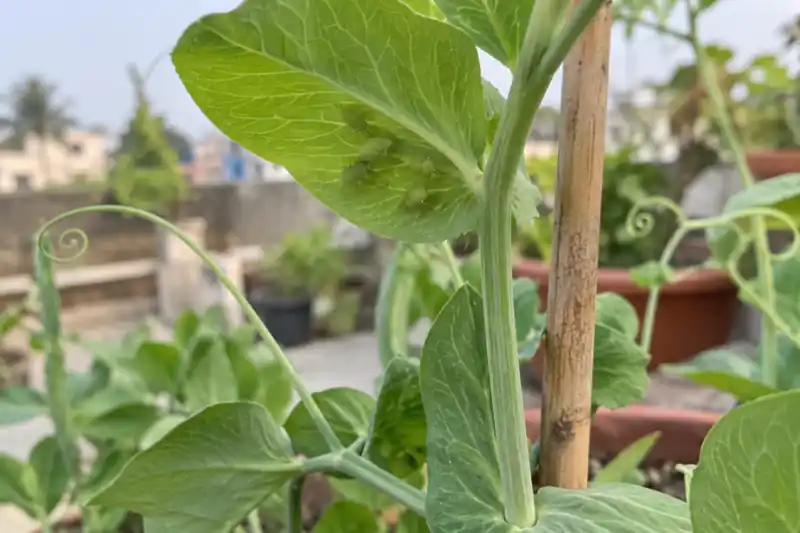
Peas prefer cool weather and are sown directly in a pot or grow bag 10 to 12 inches deep. Give them a small trellis, bamboo sticks or a net to climb. Pods usually start forming in two to three months, depending on the variety.
Have a question about this topic?
Chat on WhatsAppTomato seedlings
Tomato seedlings planted in October generally grow through the mild winter and fruit as days warm up. Use a pot of at least 12 to 14 inches and give stakes early.
Cauliflower, cabbage and broccoli
For beginners, buying healthy nursery seedlings is easier than raising these from seed. Each plant needs its own large pot, roughly 12 to 15 inches wide, plus full sun and steady moisture.
How to sow seeds in pots: step by step
Follow these steps for any of the crops above:
- Pick the right pot. Match the depth to the crop and make sure there are drainage holes.
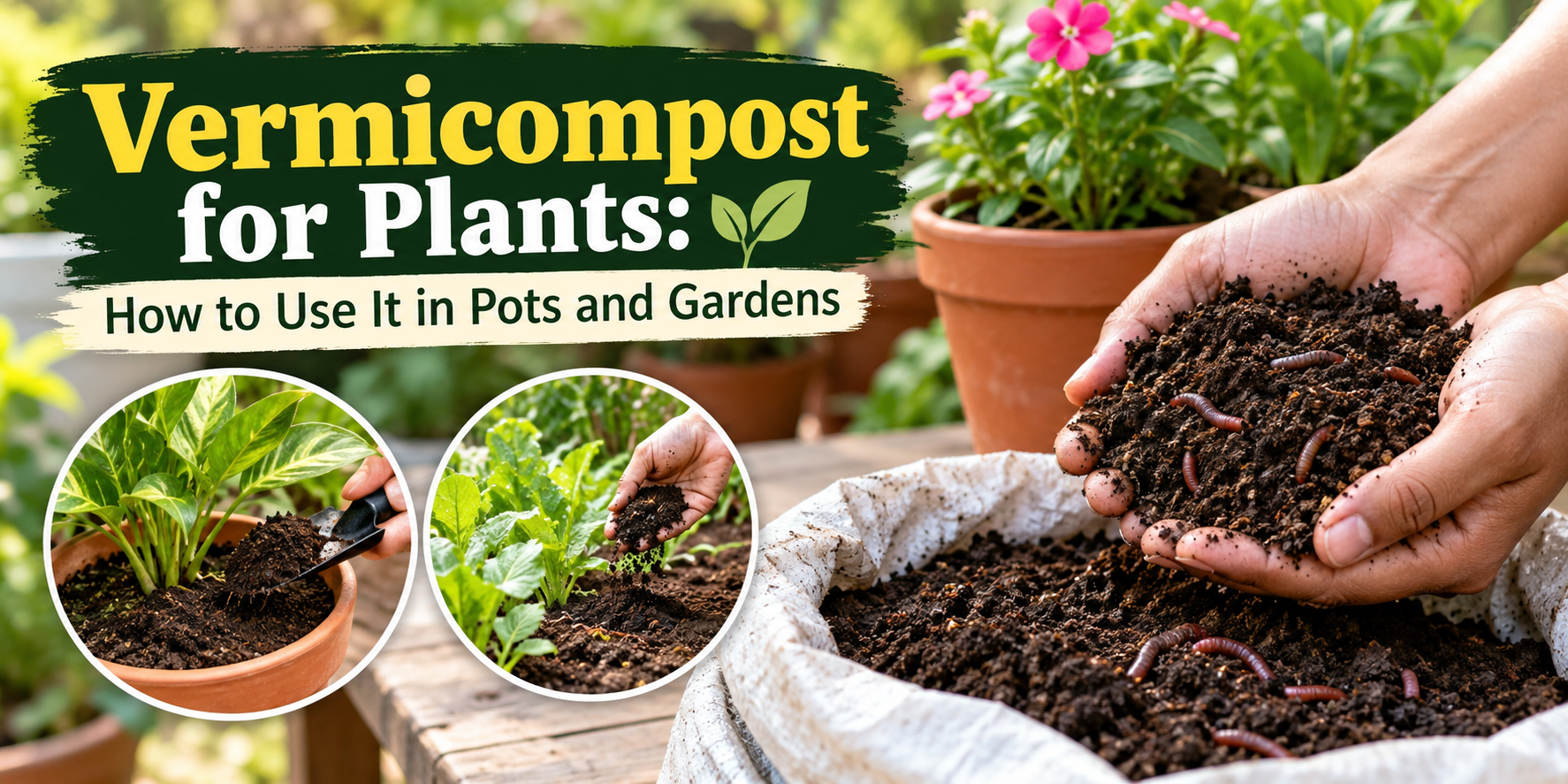
- Prepare the mix. Combine garden soil, compost and a little cocopeat or sand for drainage. Well-rotted organic matter such as vermicompost improves texture; our post on vermicompost for plants explains how much to use.
- Add a slow-release base. Mix in an organic input such as rock phosphate or neem cake powder before sowing, at the rate given on the product label.
- Moisten before sowing. Water the mix and let it drain so it is damp, not soggy.
- Sow at the right depth. A simple rule is to sow about two to three times the seed's own thickness.
- Keep the surface moist. Mist or water gently until seedlings appear.
- Thin seedlings. Remove weak seedlings so the rest have space to grow.
Feeding, watering and protecting winter vegetables
Water less often than in summer, because pots dry more slowly in cool weather. Always check the top inch of soil first. Our guide to watering kitchen garden plants covers this in detail.
Feeding
Leafy greens benefit from a light organic feed every few weeks once they have a few true leaves. Fruiting crops like tomato and peas need more support once flowering starts. Use any fertilizer at the dose printed on its label, and avoid heavy feeding of root crops, which can produce lots of leaves and small roots.
Pests to watch
Aphids on peas and mustard greens, caterpillars on cabbage and cauliflower, and whiteflies on tomato are common winter visitors. Pick off caterpillars by hand and wash off small aphid colonies with water. For larger numbers, a neem-based spray can help; see our guide on neem oil for plants for safe mixing and spraying.
Sunlight
Most winter vegetables need at least four to six hours of direct sun. Winter shadows are longer, so move pots if a corner loses light.
Common mistakes with October sowing
- Using shallow pots for roots. Carrots and long radish stay stunted or fork in shallow containers.
- Sowing too thickly. Crowded seedlings compete for light and nutrients and are more prone to disease.
- Overwatering in cool weather. Soggy soil leads to damping off and root rot in young seedlings.
- Ignoring early pest signs. A few aphids are easy to manage; a full infestation is not.
- Overfeeding. More fertilizer than the label suggests can burn roots and harm soil life.
Frequently asked questions
Which vegetable grows fastest in October?
Methi, spinach and small radish are among the quickest. Methi greens and spinach leaves can often be picked within about a month, and radish within roughly 30 to 45 days.
Can I grow winter vegetables on a balcony with partial sun?
Yes. Leafy greens such as spinach, methi, coriander and lettuce manage with about four hours of sun. Fruiting crops and the cabbage family need more direct light to produce well.
Is it too late to sow peas in late October?
In most of north and west India, peas can still be sown through October and into early November. In warmer southern regions, check local conditions, as peas struggle in heat.
How often should I water winter vegetables in pots?
There is no fixed schedule. Water when the top inch of soil feels dry, usually less often than in summer.
Do I need fertilizer before sowing?
A nutrient-rich mix with compost is usually enough to start. Adding a slow-release organic input at the label rate and feeding lightly once plants establish helps longer crops like peas and tomato.
Start your winter kitchen garden this week
October gives Indian home gardeners a generous window, so pick three or four crops, prepare a good mix and sow in small batches. For a natural, slow-release source of phosphorus in your potting mix, explore Gardenica Rock Phosphate. Have a question about your plants? Contact the Gardenica team and we will be happy to help.
Looking for more?
Continue to our main page to explore products and services.