How to Grow Coriander in Pots: A Dhaniya Guide for Indian Homes
How to Grow Coriander in Pots: A Dhaniya Guide for Indian Homes
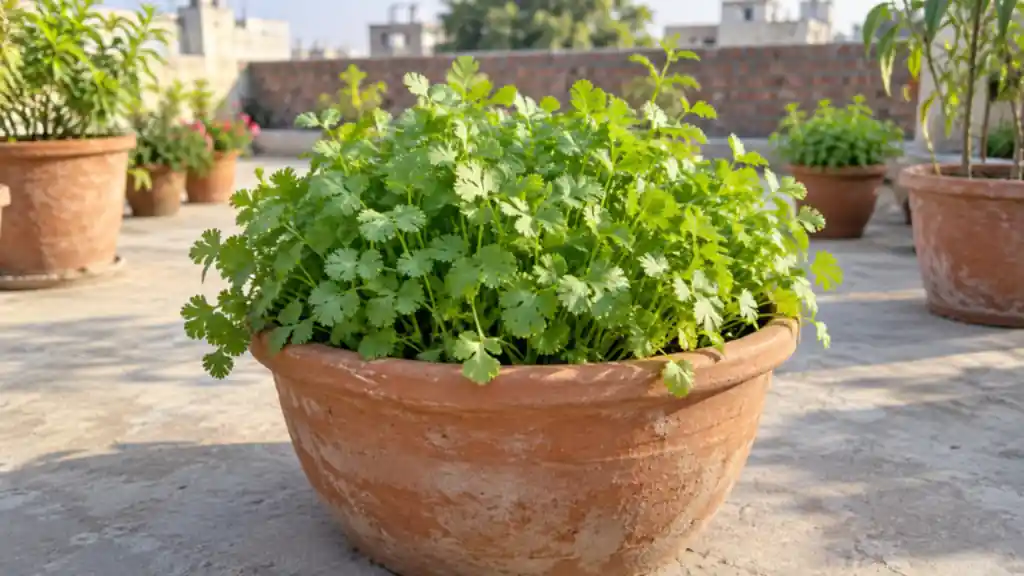
Fresh dhaniya is the herb most Indian kitchens run out of first, and the bunch from the market rarely lasts more than a few days. The good news is that how to grow coriander in pots is one of the easiest skills a balcony or terrace gardener can learn. Coriander is quick, needs little space and grows best in the cool months, which makes October to February the ideal window across most of India. This guide walks you through choosing a pot, preparing seeds, sowing, feeding, harvesting and fixing the problems that make dhaniya bolt or wilt.
Why October Is the Best Time to Grow Coriander in India
Coriander is a cool-season herb. In warm weather it rushes to flower (called bolting), the leaves turn thin and feathery, and the taste becomes harsh. When nights cool down after the monsoon, plants stay leafy for much longer.
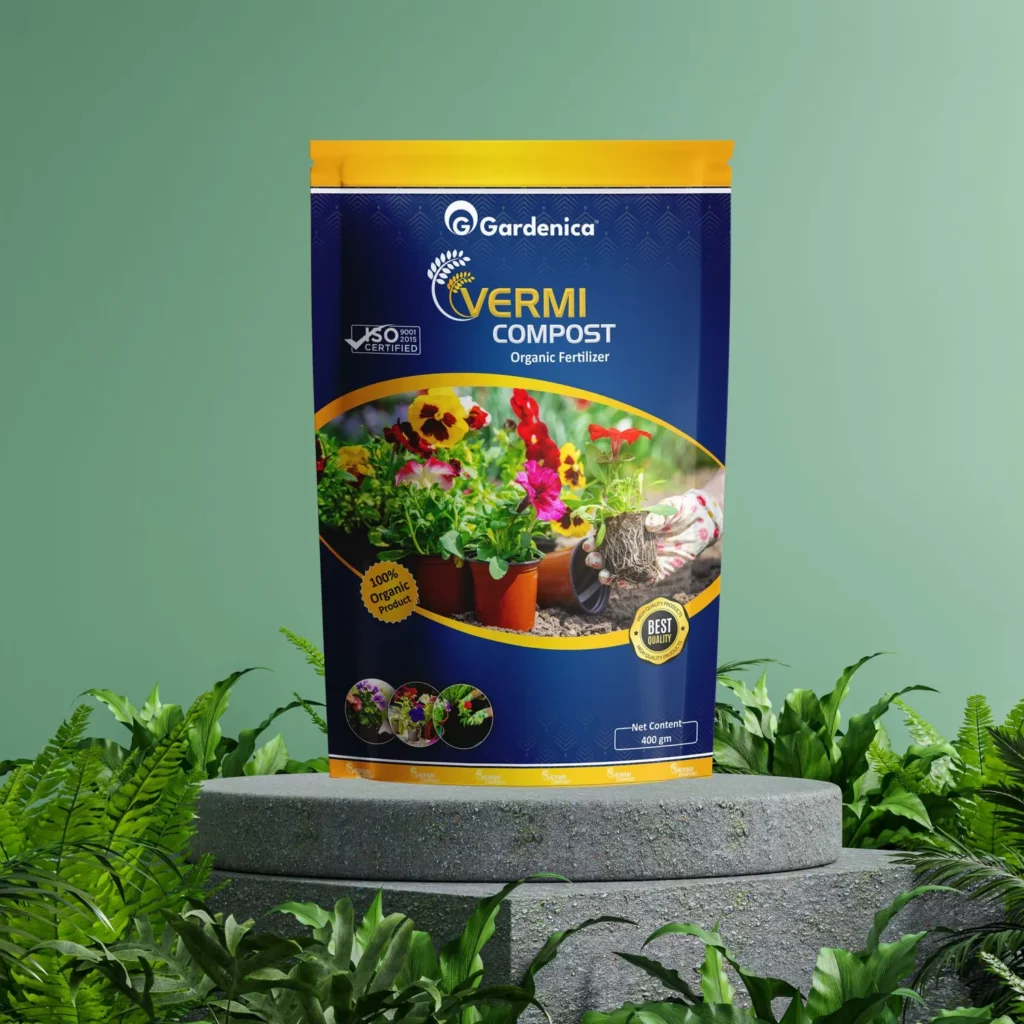
Read more: Explore Gardenica Vermi Compost
Season by region
- North and central India: sow from late September to February; winter gives the longest harvests.
- Gujarat, Maharashtra and the Deccan: October to January is the most reliable period.
- South India and coastal areas: sowing is possible for much of the year, but plants in summer need afternoon shade.
If you are planning a full winter kitchen garden, see our guide to vegetables to grow in October for crops that pair well with dhaniya.
Choosing the Pot, Location and Soil
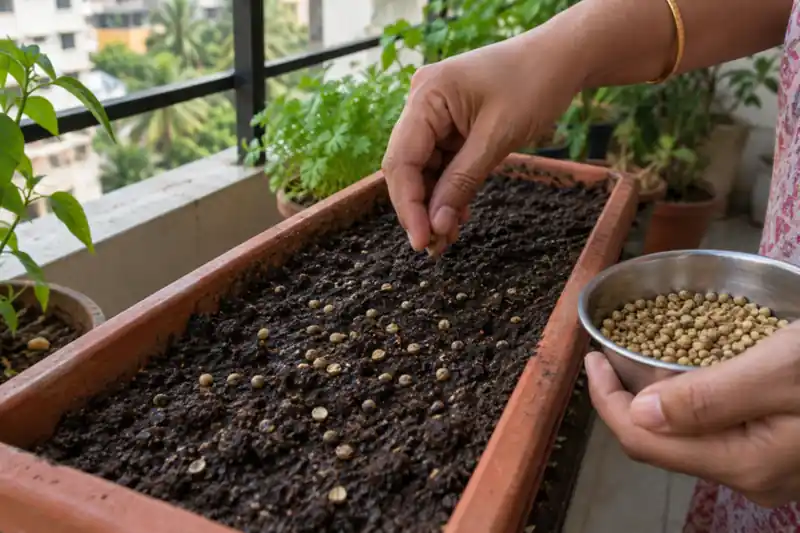
Coriander has a long taproot and dislikes being transplanted, so sow it directly in the container where it will grow.
Pot size and shape
- Choose a pot or trough at least 6 to 8 inches deep. Wide, shallow troughs give you more plants per sowing.
- Terracotta, plastic and grow bags all work, as long as there are drainage holes at the bottom.
- A rectangular balcony planter of about 2 feet can supply a small family with leaves for weeks.
Sunlight
Give the pot 4 to 6 hours of direct sun. In winter, full sun is fine. When temperatures climb, move the pot where it gets morning sun and light shade in the afternoon.
Preparing the soil for dhaniya
A loose, well-drained mix rich in organic matter gives the best leaf growth. Heavy garden soil stays wet and compact, which slows germination and can rot young roots.
A simple home mix that works well:
- About 50% garden soil or cocopeat-soil blend
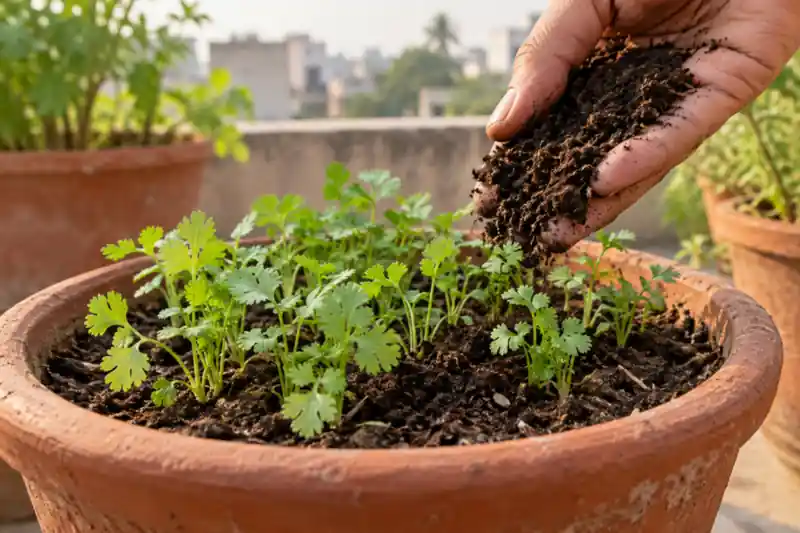
- About 30% well-rotted vermicompost or compost
- About 20% coarse sand or perlite for drainage
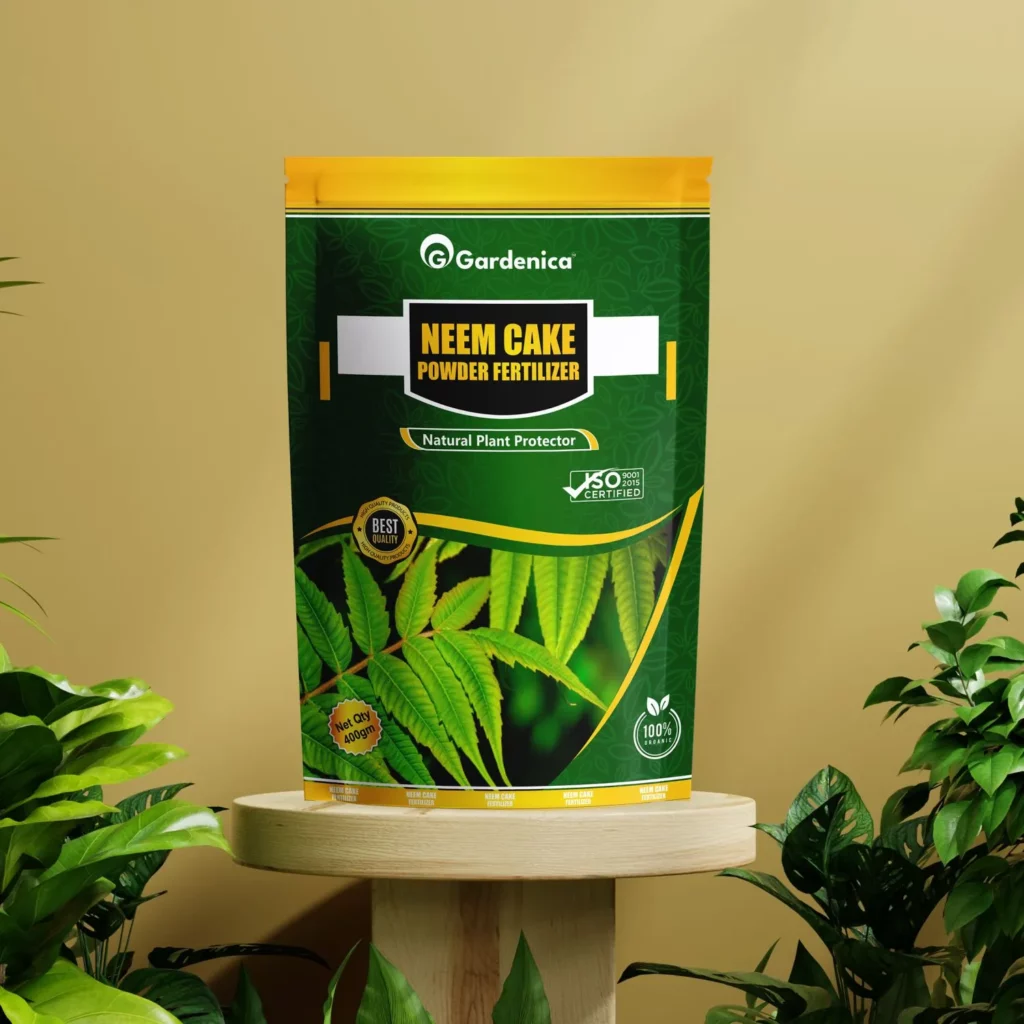
- A small handful of neem cake powder mixed in, following the product label
For more detail on ratios and ingredients, read our potting mix guide for kitchen gardens.
How to Sow Coriander Seeds Step by Step
Most failures happen at this stage. Each round coriander "seed" is really a fruit holding two seeds, and splitting it helps germination.
- Split the seeds. Place seeds on a cloth and press gently with a rolling pin or the bottom of a bowl until each one splits into two halves. Do not grind them.
- Soak them. Soak the split seeds in plain water for 8 to 12 hours. Discard any that float.
- Moisten the mix. Water the pot well and let excess water drain before sowing.
- Sow thinly. Scatter seeds over the surface or sow in shallow rows, about 1 to 2 cm apart.
- Cover lightly. Cover with about half a centimetre of fine soil or compost and press gently.
- Keep it moist. Mist or sprinkle water daily so the top layer never dries out.
How long coriander takes to germinate
Expect sprouts in about 7 to 15 days, depending on seed freshness and temperature. Old seeds and hot soil both slow things down, so use seeds from a recent season where you can.
Sow in batches
Coriander has a short leafy life. Sow a fresh pot every 2 to 3 weeks so you always have plants ready to cut.
Watering and Feeding Your Coriander Plants
Young dhaniya needs steady moisture, not soggy soil.
Watering
- Water when the top 2 to 3 cm of the mix feels dry to the touch.
- Water gently at the base so seedlings are not knocked over.
- Always empty saucers so roots do not sit in water.
Our guide on watering kitchen garden plants explains how to judge moisture in different pot types.
Have a question about this topic?
Chat on WhatsAppFeeding
Coriander is a light feeder, and you eat the leaves, so organic inputs are a sensible choice. About 2 to 3 weeks after germination, sprinkle a thin layer of vermicompost around the plants and water it in. You can repeat this every 2 to 3 weeks during harvest. If leaves look pale, a balanced organic plant nutrition product can help; follow the label for quantity and frequency, and avoid overfeeding, which gives soft, weak growth.
Harvesting Coriander Leaves the Right Way
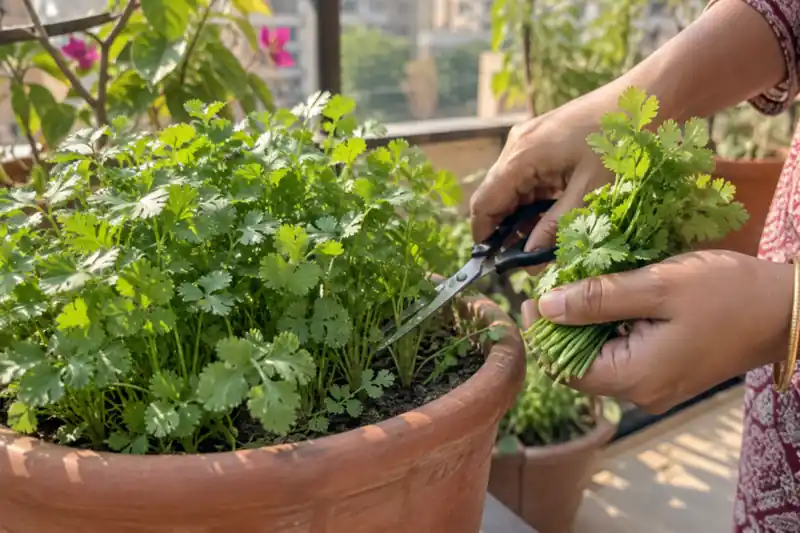
Leaves are usually ready to pick about 30 to 45 days after sowing, when plants are around 10 to 15 cm tall.
- Cut the outer, older stems first, close to the base, using clean scissors.
- Leave the small centre growth so the plant keeps producing.
- Take no more than one third of the plant at a time.
- Harvest in the morning, when leaves are crisp and full of moisture.
Once a plant sends up a tall, thin central stalk with fine leaves, it is starting to flower. You can let a few plants go to seed and collect dry seeds for the next sowing or for your spice box.
Pests and Problems in Dhaniya Plants
Coriander grown in the right season usually has few problems, but watch for these.
Aphids
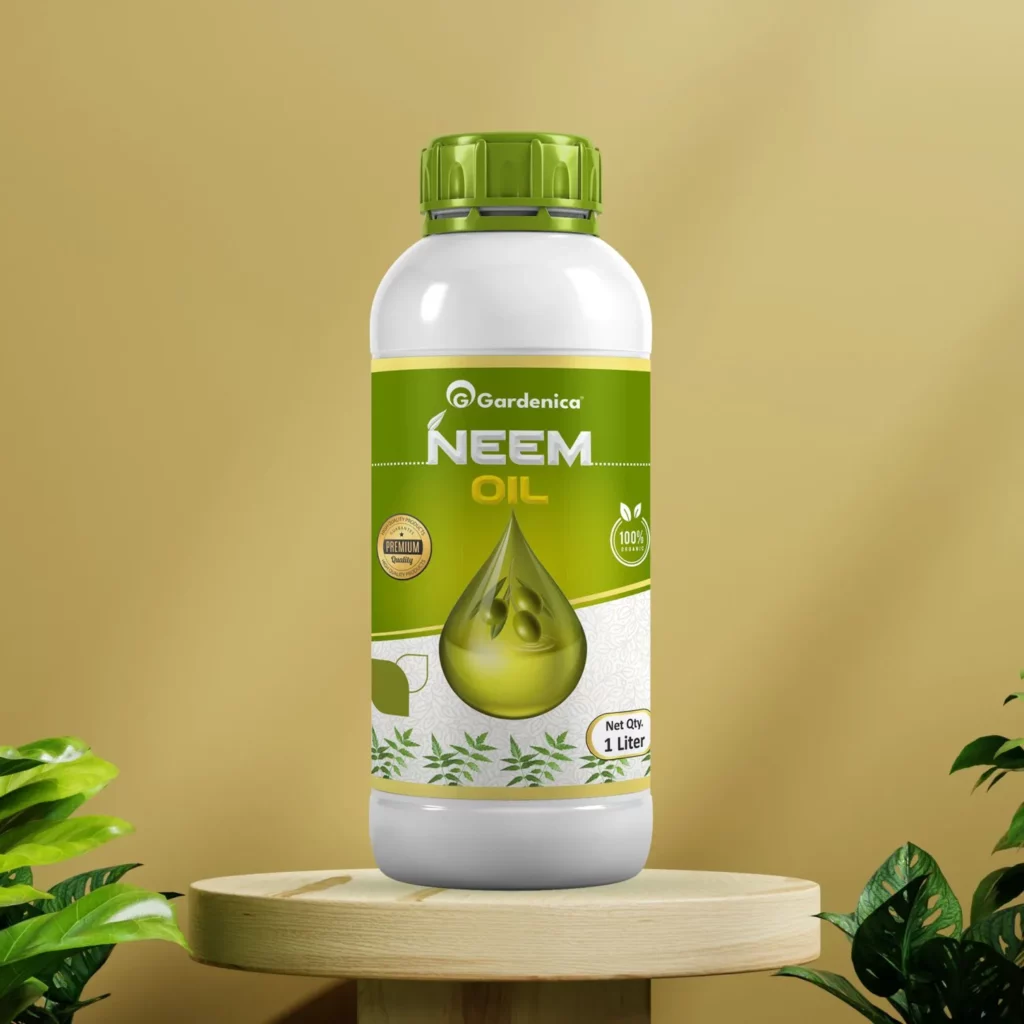
Small green or black insects cluster on tender tips and flower stalks. Wash them off with a jet of water and, if they return, use a neem-based spray as directed on the label. See our guide to aphids on plants for a full plan.
Damping off and wilting
Seedlings that collapse at the soil line are often affected by fungal problems linked to wet, cold, poorly drained soil. Improve drainage, water less often and avoid sowing too thickly.
Yellow leaves
Yellowing can come from overwatering, poor drainage or lack of nutrients. Check moisture first before adding fertilizer.
Common Mistakes When Growing Coriander in Pots
- Sowing whole seeds: unsplit seeds germinate slowly and unevenly.
- Sowing too deep: seeds buried more than a centimetre may never come up.
- Transplanting seedlings: moving coriander disturbs its taproot and often triggers early bolting.
- Growing in peak summer without shade: heat makes plants flower within weeks.
- Overcrowding: very dense sowing leads to thin stems and fungal trouble.
- Letting the soil dry out during germination: even one dry day can stop sprouting.
Frequently Asked Questions
Can I grow coriander from the dhaniya seeds in my kitchen?
Often yes, if the seeds are whole and not roasted. Kitchen seeds can be old, so germination may be patchy. Split and soak them, and sow a little more thickly than usual.
How many days does coriander take to grow?
Seeds usually sprout in 7 to 15 days, and leaves are ready to cut in about 30 to 45 days, depending on the variety and weather.
Why is my coriander flowering so early?
Heat, long days, stress from dry soil and transplanting all push coriander to flower. Sow in the cool season, keep moisture steady and give afternoon shade in warmer weather.
Can coriander grow indoors?
It can grow near a bright window that receives several hours of direct sun. With low light, plants become leggy and weak.
Does coriander grow back after cutting?
Plants keep producing for a few cuts if you harvest the outer stems and leave the centre. Yield drops over time, which is why batch sowing every few weeks helps.
What is the best fertilizer for coriander in pots?
A rich potting mix with vermicompost, plus a light top-up of compost every few weeks, is enough for most pots. Use any fertilizer according to its label.
Start Your Dhaniya Pot This Week
With a deep pot, split seeds, steady moisture and the cool weather now arriving, you can be cutting your own fresh coriander within about six weeks. Build your mix with Gardenica Vermi Compost for healthy leafy growth, and if you need help choosing inputs for your kitchen garden, contact the Gardenica team.
Looking for more?
Continue to our main page to explore products and services.