How to Grow Onions in Pots: A Pyaz Guide for Indian Homes
How to Grow Onions in Pots: A Pyaz Guide for Indian Homes
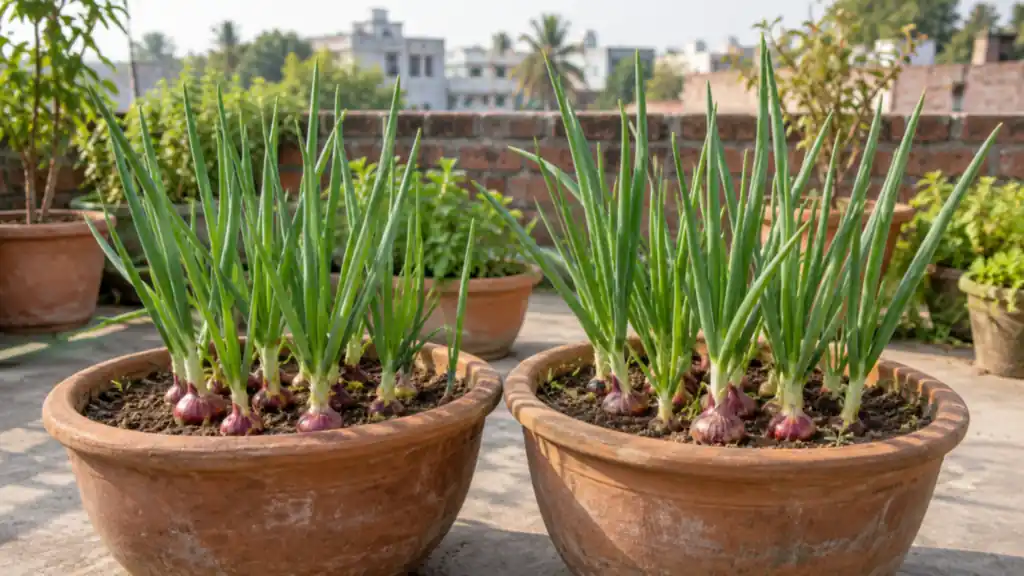
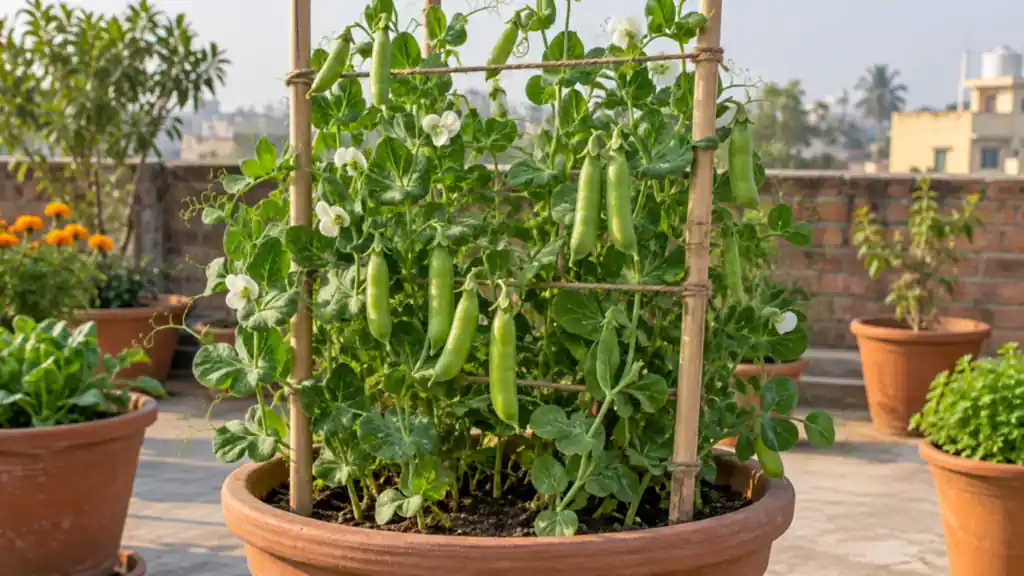
Onions are used in almost every Indian kitchen, yet few home gardeners try growing them. The good news is that you can grow onions in pots on a terrace or balcony with very little fuss. November is a good time to begin in most of India, because the cool, dry months that follow suit young onion plants well. This guide covers both bulb onions (pyaz) and spring onions (hari pyaz), from choosing a pot to curing your harvest.
Onion Growing Season in India
Onion is a cool-season crop, and timing matters more than almost anything else. Bulbs form as days lengthen and temperatures rise, so the plant needs a good leafy start in the cool months first.
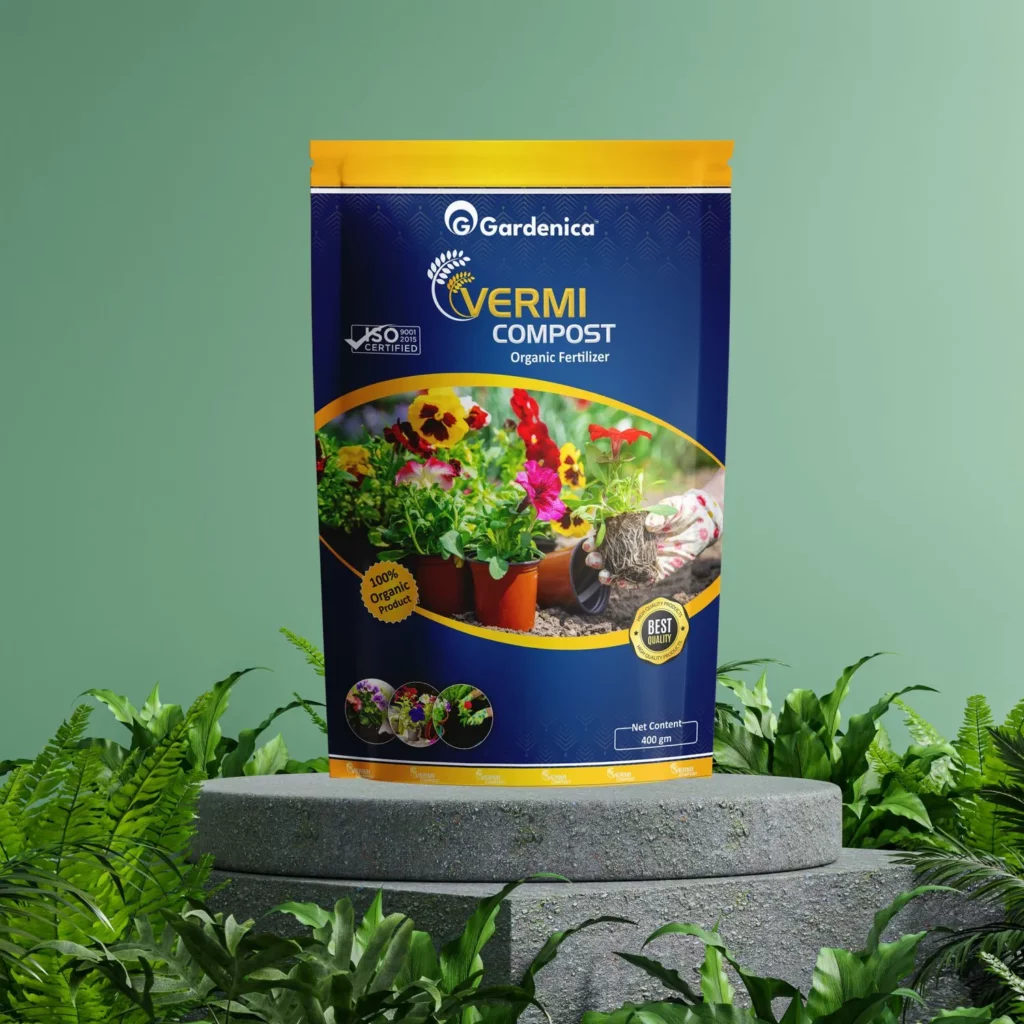
Read more: Explore Gardenica Vermi Compost
Rabi (Winter) Crop
For most of North, Central and West India, including Gujarat, the main home-garden window is the rabi season. Sow seeds in a nursery tray from October to November, transplant seedlings in December or early January, and harvest bulbs around April to May.
Spring Onions
Spring onions are far more forgiving. You can sow them from October to February in most regions and keep sowing a small batch every two to three weeks for a continuous supply.
Choosing a Variety
Pick a short-day variety suited to Indian conditions from a local seed shop or nursery. Red and pink onions are hardy and store well.
Choosing the Right Pot and Potting Mix
Onion roots are shallow, but bulbs need loose soil to swell properly.
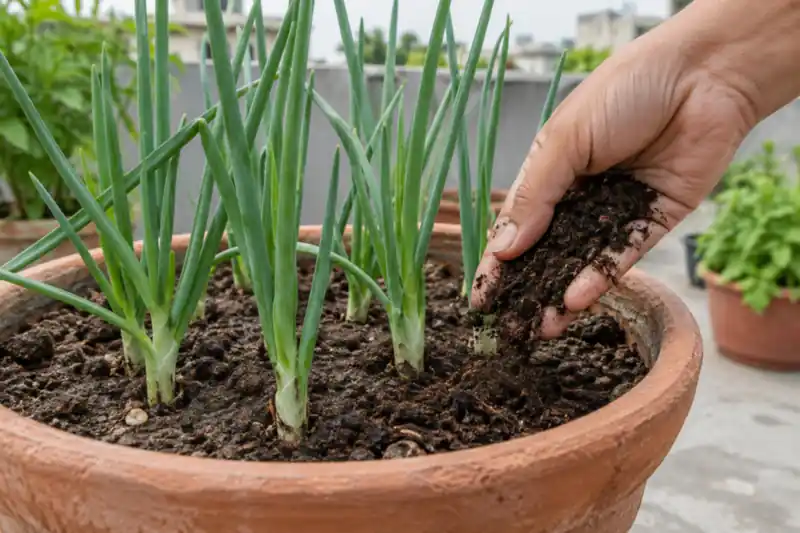
Pot Size
- Use a pot at least 8 to 10 inches deep for bulb onions.
- Wide, shallow troughs or grow bags work well because you can fit more plants.
- Spring onions grow happily in pots only 6 inches deep.
- Every container must have drainage holes.
Potting Mix
Aim for a light, crumbly mix that drains freely. A simple blend is garden soil, well-rotted compost or vermicompost, and coco peat or sand in roughly equal parts. Our guide to potting mix for kitchen gardens explains how to adjust this for your climate.
How to Grow Onion at Home: Sowing to Transplanting
You can start onions from seeds, from small sets (baby bulbs) or from kitchen onions that have sprouted. Seeds give the best bulbs; sets and sprouted onions are quicker for greens.
Sowing Seeds in a Nursery Tray
- Fill a shallow tray with fine, moist potting mix.
- Scatter seeds thinly in rows and cover with a thin layer of mix.
- Keep the tray in bright shade and mist the surface so it never dries out.
- Seeds usually sprout within a week to ten days.
Onion Seedlings Transplanting
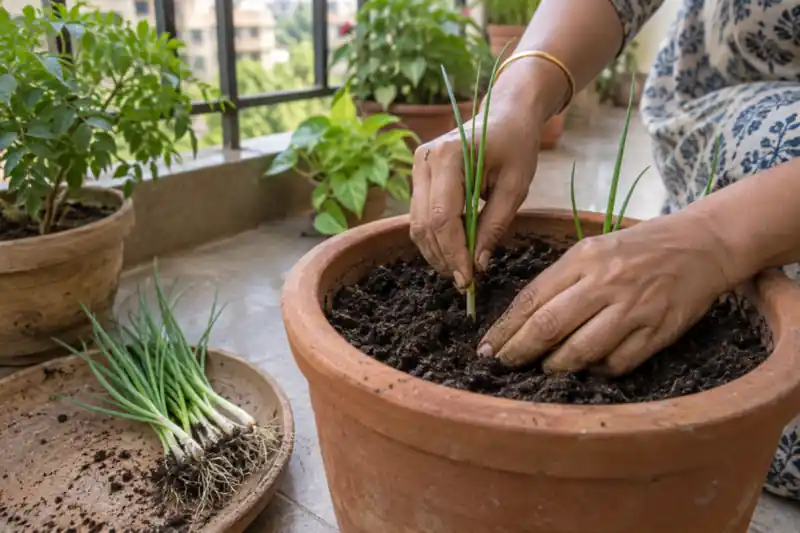
Seedlings are ready to move when they are about six to eight weeks old and roughly the thickness of a pencil lead. Lift them gently from a watered tray. Plant them about 1 inch deep and 3 to 4 inches apart, firm the soil and water well. Transplant in the evening so the young plants settle overnight.
Using Sets or Sprouted Onions
Push small sets into the soil with the pointed end up, leaving the tip just visible. A sprouted kitchen onion can be planted whole for greens, though it rarely forms a good new bulb.
Onion Plant Care in Pots
Once established, onion plant care is mostly about steady conditions.
Sunlight
Give onions at least six hours of direct sun. A south- or east-facing terrace is ideal. Plants grown in shade stay thin and form small bulbs.
Watering
Water when the top inch of soil feels dry. In winter this may be every two to three days in pots. Avoid waterlogging, which invites rot. For a deeper look at timing and quantity, see our guide on watering kitchen garden plants.
Feeding
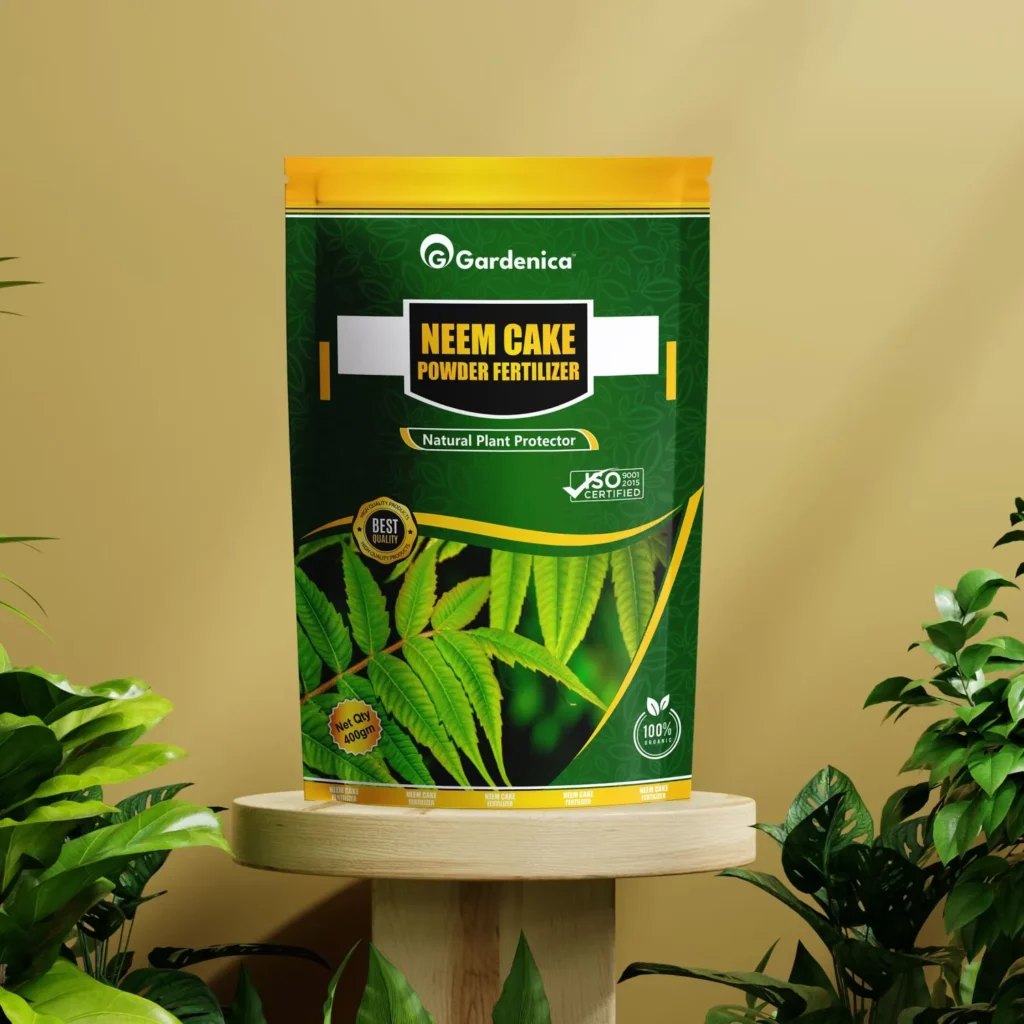
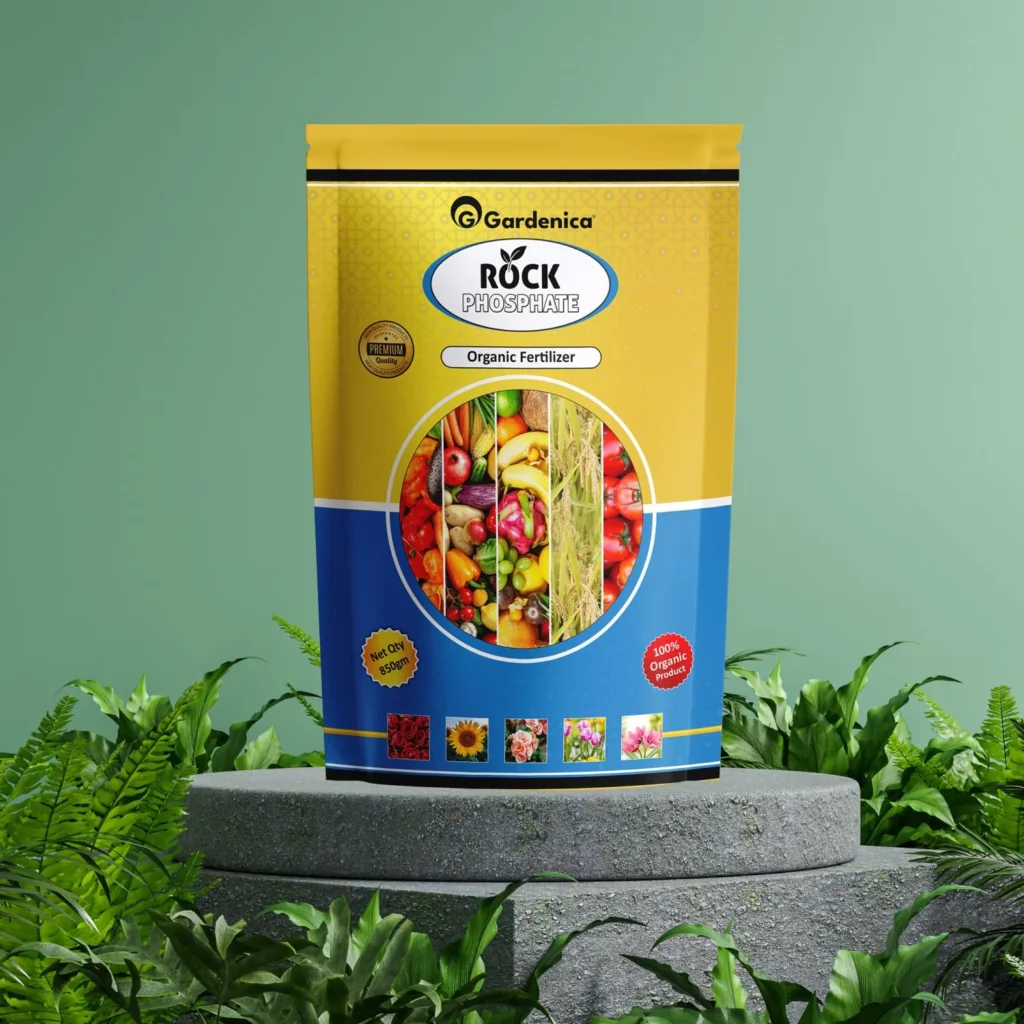
Onions prefer gentle, organic feeding rather than heavy doses. Mix compost into the potting soil at planting, then top-dress with a thin layer of vermicompost every three to four weeks during leafy growth. Rock phosphate mixed in at planting can support root development. Neem cake powder worked lightly into the topsoil is a traditional organic soil input. For any product, follow the quantity on the label. Stop extra feeding once bulbs begin to swell, as late feeding can delay maturity and reduce storage life.
Have a question about this topic?
Chat on WhatsAppCommon Onion Pests and Diseases
Check the leaves every few days and act early.
Thrips
Thrips are tiny insects that rasp the leaves, leaving silvery streaks and twisted tips. They are most active in dry, warm weather. Rinse leaves with water, remove badly damaged leaves and use a neem-based spray in the evening if needed. Our article on neem oil for plants explains how to mix and spray it safely.
Purple Blotch and Leaf Spots
Purple blotch starts as small, water-soaked spots that turn purplish with a yellow edge. It spreads in humid weather and when leaves stay wet. Water at the base, improve air flow between pots and remove affected leaves. If it spreads, use a fungicide labelled for vegetables and follow the label directions.
Bulb and Root Rot
A soft, smelly base usually means too much water. Improve drainage and let the soil dry slightly between waterings.
Harvesting and Curing Onions
When to harvest depends on whether you want greens or bulbs.
Harvesting Spring Onions
Cut leaves about 1 inch above the soil once plants are 6 to 8 inches tall. The plant will regrow for another cutting or two. You can also pull whole young plants for their white stems.
Harvesting Bulb Onions
Bulbs are ready when most of the tops turn yellow and fall over, usually three to four months after transplanting. Stop watering about a week or two before you expect to harvest. Lift the bulbs gently on a dry day.
Curing and Storing
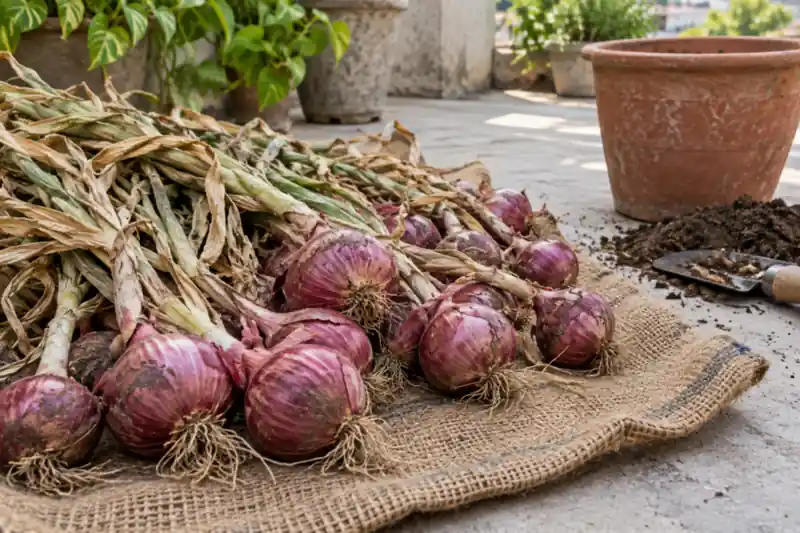
- Spread bulbs with their tops in a single layer in an airy, shaded spot.
- Leave them for one to two weeks until the necks are dry and papery.
- Trim the tops and roots, then store in a basket or mesh bag in a cool, dry place.
Common Mistakes When Growing Onions in Pots
- Sowing too late: plants that start in warm weather bulb early and stay small.
- Overcrowding: bulbs need 3 to 4 inches of space each; greens can be closer.
- Heavy, clay-like soil: it restricts bulb growth and holds too much water.
- Overwatering near harvest: wet soil at maturity causes rot and poor storage.
- Too much nitrogen late: it keeps leaves growing and delays bulb formation.
- Planting too deep: sets and seedlings buried deep form elongated bulbs.
Onions pair well with other winter crops. If you are planning more pots this season, see our list of vegetables to grow in November.
Frequently Asked Questions
Can I grow onions from a sprouted kitchen onion?
Yes, for greens. Plant it whole with the sprout above the soil and you will get leaves within a few weeks. It usually does not produce a good new bulb.
How long does it take to grow onions in pots?
Spring onion greens take about four to eight weeks. Bulb onions take roughly five to six months from seed, including the nursery stage.
How many onions can I grow in one pot?
A 12-inch wide pot can hold about eight to ten bulb onions at 3 to 4 inch spacing, or many more spring onions planted closer.
Why are my onion bulbs so small?
Common reasons are late sowing, too little sun, crowding, compacted soil or too much nitrogen late in the season.
Can I grow onions in summer?
Bulb onions do best in the rabi season. Spring onions can be grown for greens in milder months, but extreme heat slows growth and makes leaves tough.
Should I cut the onion flower stalk?
Yes, if you want bulbs. Snap off any flower stalk early so the plant puts its energy into the bulb.
Start Your Onion Pots This Season
A couple of pots sown this month can give you fresh greens before the new year and home-grown bulbs by spring. Begin with a loose, compost-rich mix such as one prepared with Gardenica Vermi Compost, and keep watering and feeding steady. If you have questions about your plants, contact the Gardenica team.
Looking for more?
Continue to our main page to explore products and services.