How to Grow Cabbage in Pots: A Patta Gobhi Guide for Indian Homes
How to Grow Cabbage in Pots: A Patta Gobhi Guide for Indian Homes
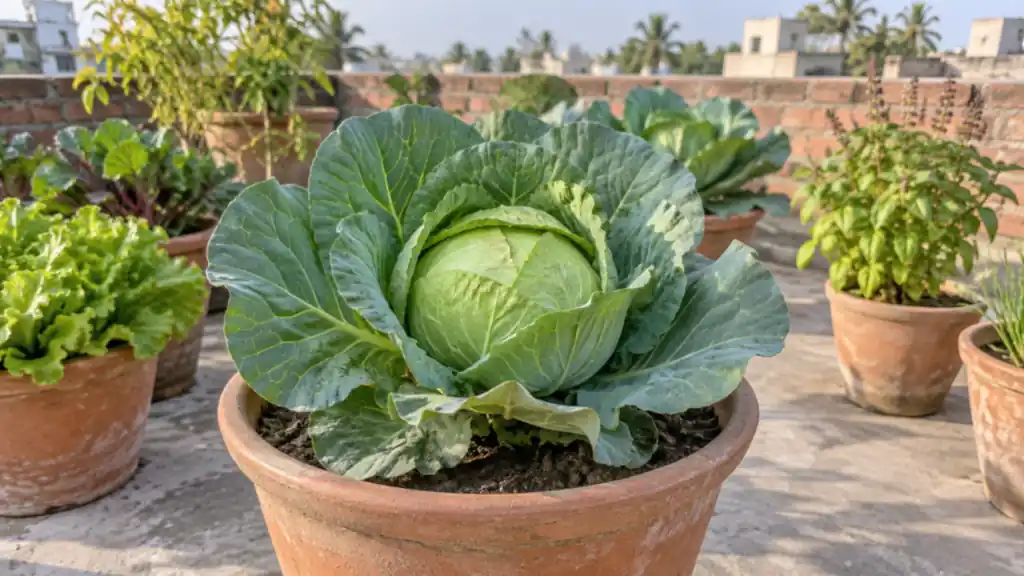
Few vegetables look as satisfying on a terrace as a tight green cabbage head sitting in its pot. If you have wondered how to grow cabbage in pots, winter is the time to start. Patta gobhi loves cool days, steady moisture and rich soil, and a single large container can give you one firm head in about three months. This guide covers the right season, pot size, soil, feeding, pest control and harvest, written for balcony and terrace gardeners across India.
Why bother with patta gobhi at home? Cabbage is a cool-season crop from the same family as cauliflower and broccoli. It grows well in containers because it has a fairly compact root system and only needs one plant per pot. Growing it at home also lets you pick the head when it is fresh and crisp, without the heavy sprays often used on market crops.
Read more: Explore Gardenica Rich Fertilizer
- One plant per pot keeps care simple.
- Compact and round varieties suit balconies.
- Outer leaves can be cooked too, so very little goes to waste.
- It pairs well with other winter crops such as peas, palak and methi.
Best Time to Grow Cabbage in India
Cabbage forms good heads when day temperatures stay roughly between 15°C and 25°C. Heat makes the plant bolt or form loose, bitter heads, so timing matters more than almost anything else.
North and Central India
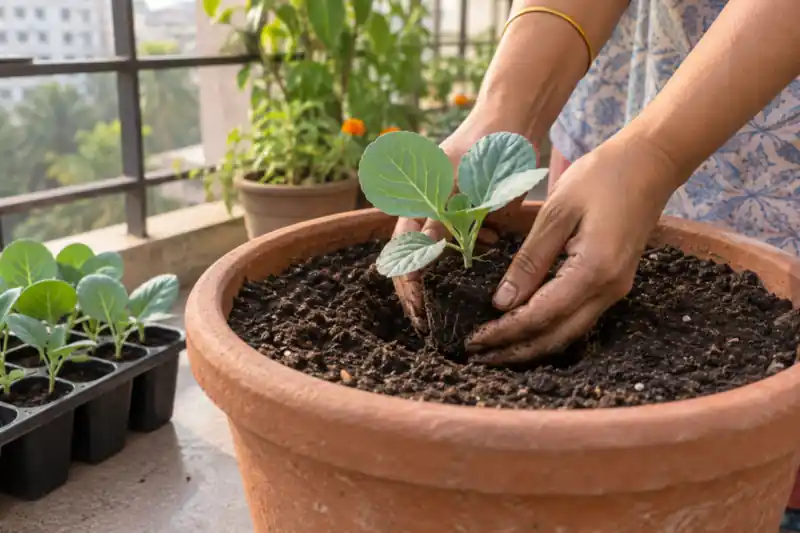
Sow seeds in nursery trays from September to early November and transplant seedlings in October and November. A November start still works well in most northern plains if you choose an early or mid-season variety.
West, South and Coastal Regions
In Gujarat, Maharashtra and the Deccan, sow from October to November so the heads mature before the February warmth. In milder hill and southern areas, many gardeners can sow across a longer window. For more crops that fit this month, see our guide to vegetables to grow in November.
Choosing the Right Pot and Potting Mix
A cabbage plant spreads its leaves wide before it forms a head, so the container needs width as well as depth.
Pot Size
- Use a pot or grow bag at least 12 to 14 inches deep and about as wide.
- Grow only one plant per pot; crowded plants form small heads.
- Terracotta, plastic and fabric grow bags all work if they have drainage holes.
Potting Mix
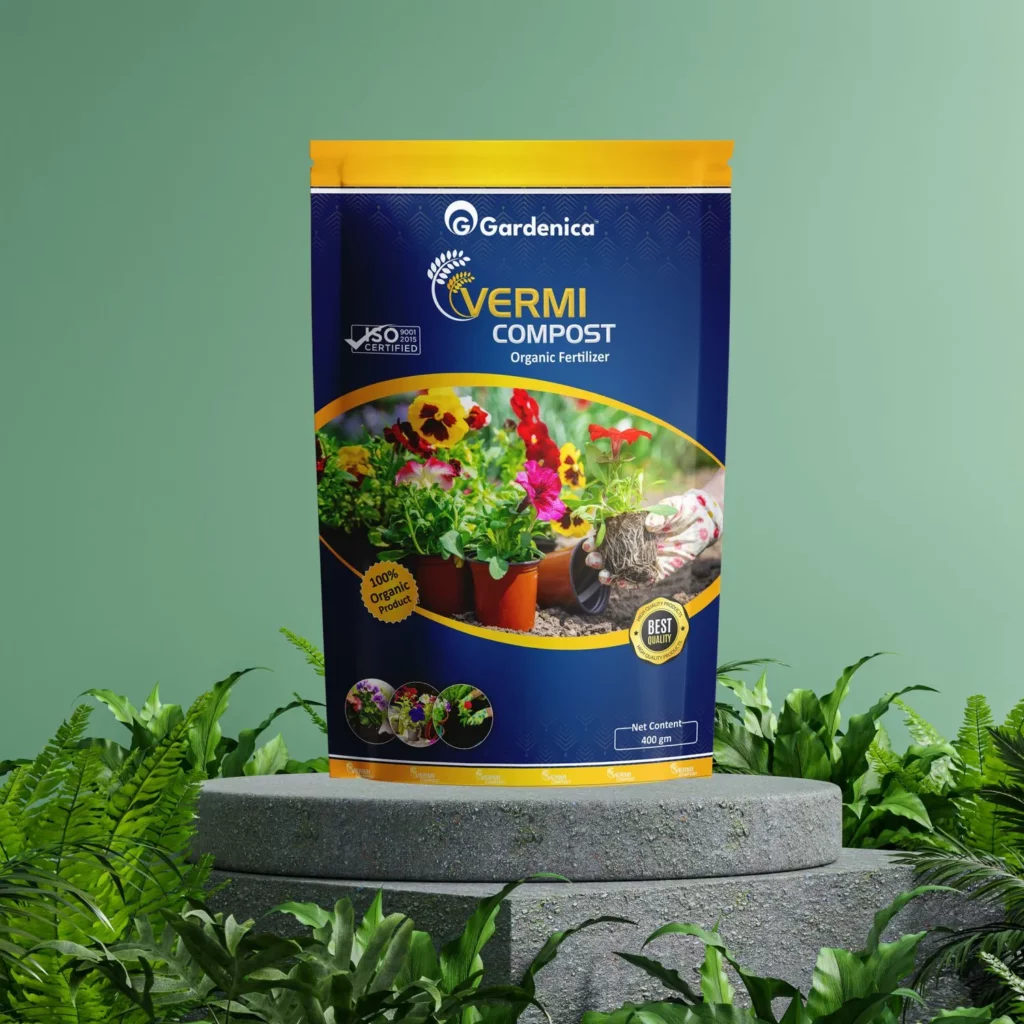
Cabbage is a heavy feeder and likes loose, moisture-holding soil. A simple mix is roughly one part garden soil, one part well-rotted compost or vermicompost, and one part cocopeat or sand for drainage. A small handful of neem cake mixed in at planting is a common practice among home gardeners. Our guide on vermicompost for plants explains how much organic matter to add.
How to Grow Cabbage in Pots: Step by Step
Most gardeners raise seedlings in a tray first, then shift the strongest ones into final pots. You can also buy healthy seedlings from a local nursery.
- Sow seeds: Fill a seedling tray with a light mix and sow seeds about half a centimetre deep. Keep the mix just moist, not soggy.
- Germination: Seeds usually sprout in 5 to 10 days in cool weather. Give the tray morning sun once they come up.
- Harden seedlings: When seedlings are 4 to 6 weeks old with 4 to 5 true leaves, expose them to more sun for a few days.
- Transplant: Plant one seedling per pot, slightly deeper than it sat in the tray, firm the soil and water gently.
- Shade briefly: Keep the pot in light shade for two days, then move it to full sun.
Tip: Transplant in the evening so the young plant gets a cool night to settle before facing full sun.
Cabbage Plant Care: Sun, Water and Feeding
Sunlight
Give the pot at least 6 hours of direct sun. Low light leads to tall, weak plants and slow head formation.
Watering
Steady moisture is the secret to a firm head. Water when the top inch of soil feels dry, and avoid long dry spells followed by heavy watering, which can cause heads to split. In winter most pots need water every two to three days, but always check the soil first. Read our full guide on watering kitchen garden plants for more detail.
Fertilizer for Cabbage Plant
Leafy growth in the first month needs nitrogen, and the head needs steady nutrition after that. A practical routine for pots:
Have a question about this topic?
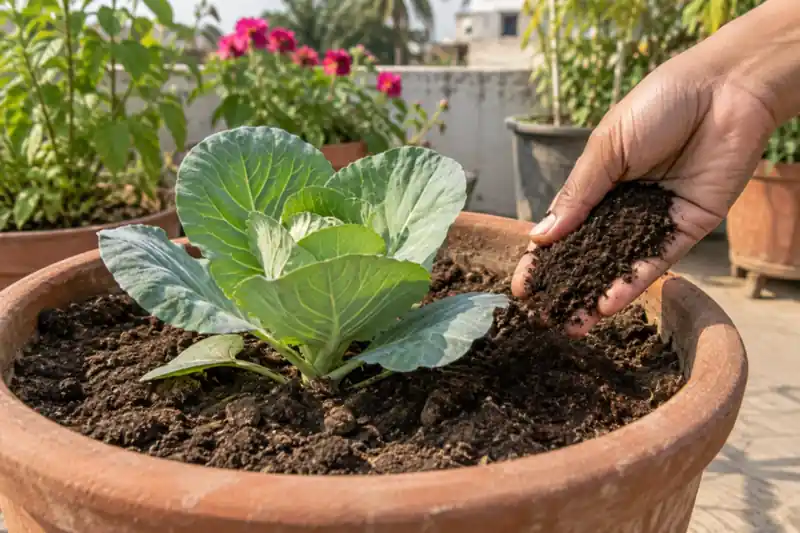
Chat on WhatsApp- Add a thin layer of vermicompost around the plant about three weeks after transplanting.
- Repeat every three to four weeks until the head starts firming up.
- Use a balanced organic plant food between compost feeds, following the product label for dose.
- Stop heavy feeding once the head is nearly full size.
Cabbage Pests and How to Manage Them
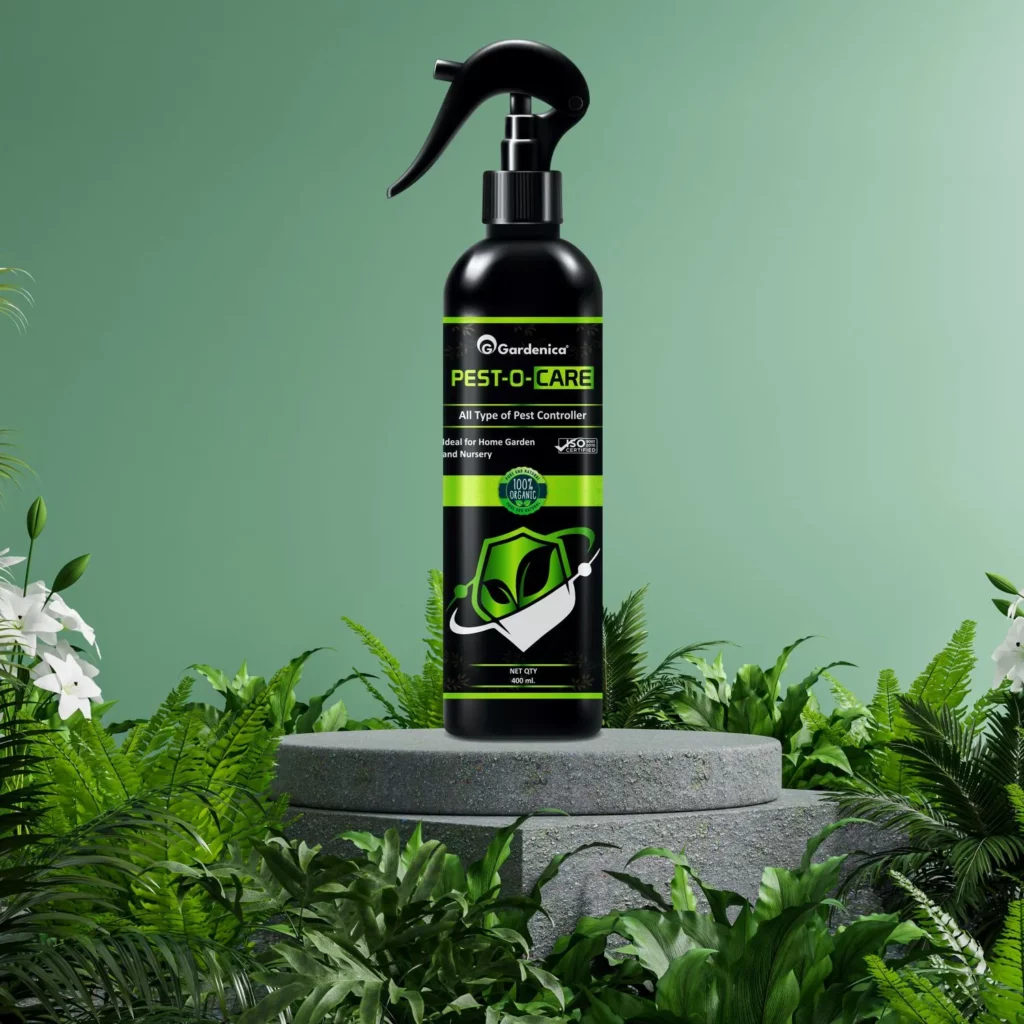
Cabbage attracts a few common pests, and container plants are easier to inspect than field crops. Check the underside of leaves every two or three days.
Caterpillars
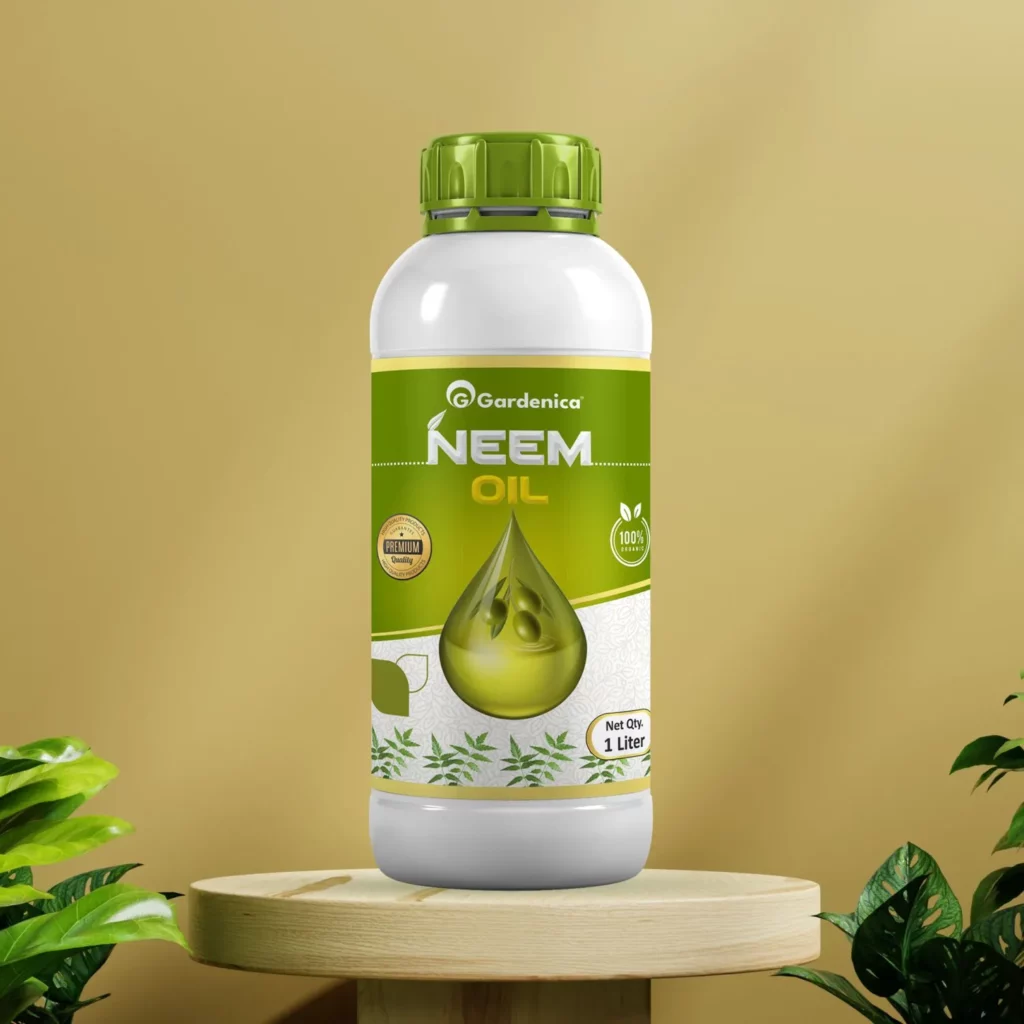
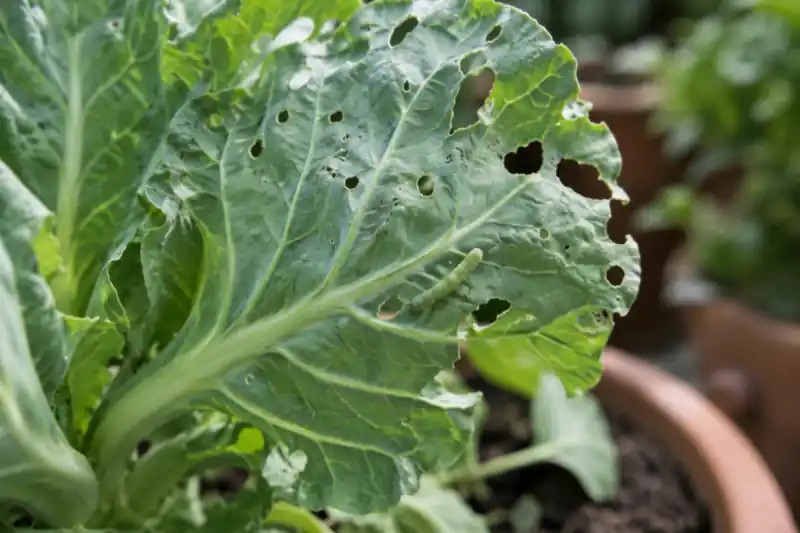
The small green larvae of the diamondback moth and the cabbage butterfly chew holes in leaves and can tunnel into the head. Pick them off by hand, remove egg clusters, and use a neem-based spray at the first sign of damage. Our guide to neem oil for plants explains safe mixing and spraying.
Aphids
Grey or green aphids cluster on young leaves and suck sap. A strong spray of water followed by neem spray usually controls them.
Prevention Habits
- Cover young plants with fine net if butterflies are active nearby.
- Spray in the evening and avoid spraying in strong sun.
- Remove yellow lower leaves so pests have fewer hiding spots.
When to Harvest Cabbage
Depending on the variety, cabbage is ready about 60 to 100 days after transplanting. Press the head gently; it should feel firm and solid. Cut the stem just below the head with a clean knife, leaving some outer leaves on the plant. Do not wait too long, because mature heads may split, especially after heavy watering or a warm spell.
Common Mistakes to Avoid
- Planting too late: Heads forming in warm weather stay loose and may bolt.
- Using small pots: Shallow containers dry out fast and limit head size.
- Uneven watering: Swinging between dry and soaked soil causes splitting.
- Too little sun: Shaded plants grow leggy and form small heads.
- Ignoring caterpillars: A few larvae can ruin a head within a week.
- Overfeeding late: Heavy nitrogen near harvest can make heads soft.
Frequently Asked Questions
Can I grow cabbage in a 10-inch pot?
A small compact variety may grow in a 10-inch pot, but heads are usually smaller. A 12 to 14 inch pot gives better results.
How long does cabbage take to grow in a pot?
Most varieties take about 60 to 100 days from transplanting, plus 4 to 6 weeks in the seedling tray.
Why is my cabbage not forming a head?
Common reasons are warm weather, low sunlight, crowded planting or poor nutrition. Late sowing is the most frequent cause in Indian homes.
Why did my cabbage head split?
Splitting usually follows uneven watering or leaving a mature head on the plant too long. Harvest once the head feels firm.
Can I grow cabbage on a balcony?
Yes, if the balcony gets at least 6 hours of direct sun. Choose a compact variety and a wide pot.
Which organic inputs help cabbage in pots?
Vermicompost, neem cake and a balanced organic plant food are common choices. Always follow the product label for doses.
Start Your Winter Cabbage Pot Today
With a wide pot, rich soil, full sun and steady watering, patta gobhi is a rewarding winter crop for any terrace. Keep feeding regular, watch for caterpillars early, and harvest when the head turns firm. To keep your plants well fed through the season, explore Gardenica Rich Fertilizer, or contact our team for help choosing the right products for your kitchen garden.
Looking for more?
Continue to our main page to explore products and services.