How to Grow Beetroot in Pots: A Chukandar Guide for Indian Homes
How to Grow Beetroot in Pots: A Chukandar Guide for Indian Homes
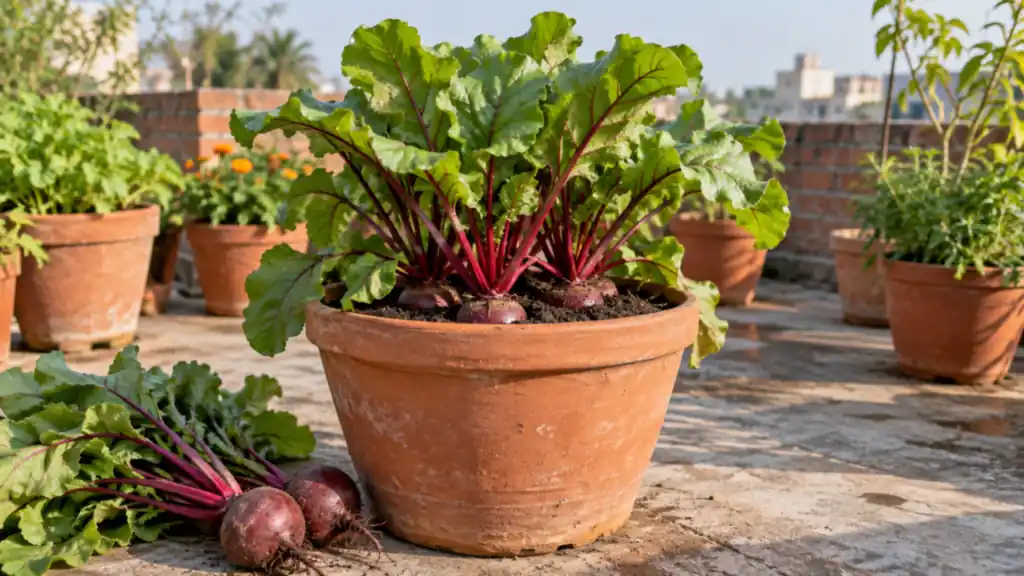
A pot of beetroot gives you two harvests from one sowing: tender leaves for sabzi and sweet, deep-red roots for salads, juice and halwa. Winter is the best time to grow beetroot in pots across most of India, and November is one of the easiest months to start. This guide walks you through choosing a container, sowing the knobbly seeds, feeding, watering and pulling your chukandar at the right size.
Best Season to Grow Beetroot in India
Beetroot is a cool-season root crop that needs no staking and is ready in about two months, which makes it a good choice for beginners.
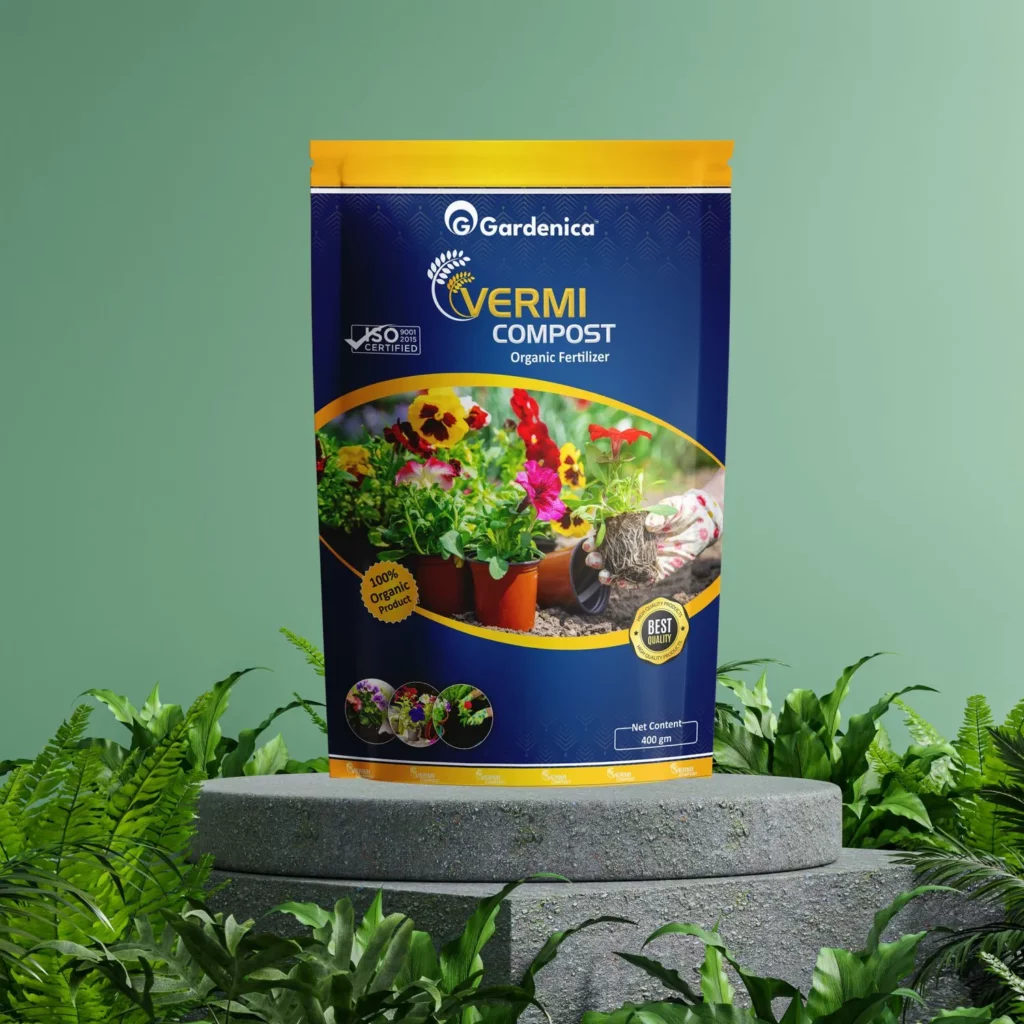
Read more: Explore Gardenica Vermi Compost
Sowing window by region
In the plains of north, west and central India, the main sowing window runs from about October to January, when days are mild and nights are cool. In hilly areas, growers usually sow in spring and summer. In milder southern cities, beetroot can be grown for much of the year, but roots tend to be sweeter and better coloured in the cooler months. If your terrace gets very hot by February, sow early so the crop matures before the heat arrives.
Choosing the Right Pot and Soil
The root swells just below the surface, so width matters more than great depth, though a deeper pot holds moisture better.
Pot size
- Depth of at least 25 to 30 cm (10 to 12 inches)
- Wide round pots, grow bags or rectangular planters work well
- A 12-inch wide pot can hold about 5 to 7 plants after thinning
- Drainage holes are essential; waterlogged soil leads to rot
Potting mix for beetroot
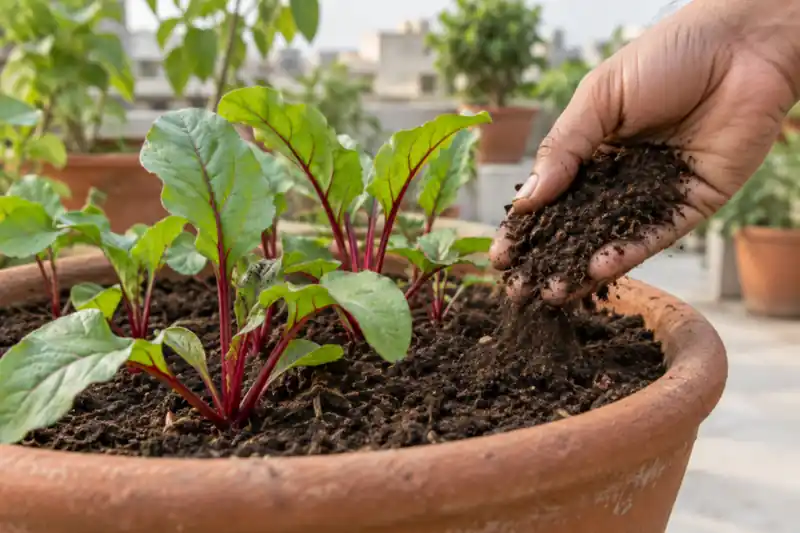
Use a loose, crumbly mix free of stones and clods, because hard soil gives small, misshapen roots. A simple blend is garden soil, well-rotted compost or vermicompost, and coco peat or sand for drainage. Our guide to potting mix for kitchen gardens explains the proportions in detail. Avoid fresh, uncomposted manure, which can cause forked roots and too much leafy growth.
How to Sow Beetroot Seeds in Pots
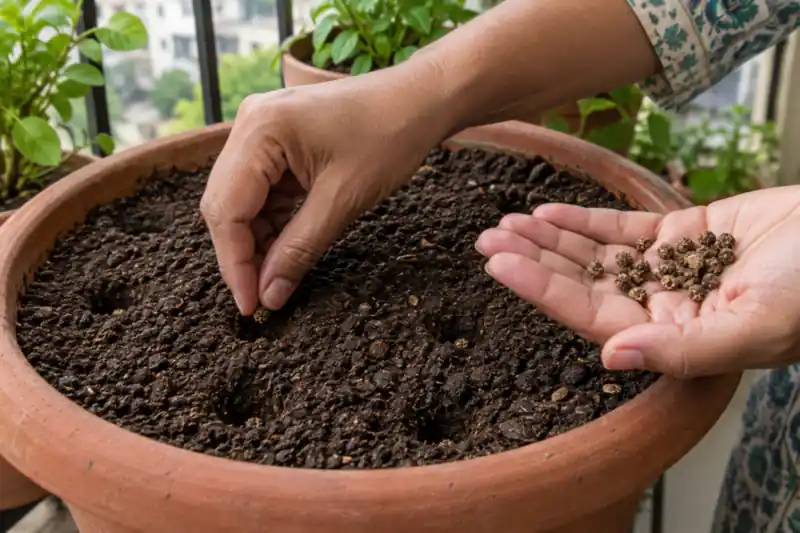
What looks like one beetroot seed is usually a dried cluster holding two to four seeds. That is why seedlings come up in small groups.
- Soak the seed clusters in plain water for 8 to 12 hours to soften the hard coat.
- Fill the pot with moist potting mix up to about 2 cm below the rim.
- Make holes about 1 to 1.5 cm deep and roughly 8 to 10 cm apart.
- Drop one seed cluster into each hole and cover lightly with mix.
- Water gently with a fine rose or spray so the seeds are not washed out.
- Keep the surface evenly moist; seedlings usually appear in about 7 to 14 days, faster in mild weather.
Thinning seedlings
When the seedlings have two or three true leaves, keep the strongest one in each spot and snip the rest at soil level with scissors. Pulling them can disturb the plant you keep. Thinned seedlings make good microgreens.
Sowing in batches
Sow a small pot every two to three weeks for a steady supply. If you are planning the rest of your winter pots, see our list of vegetables to grow in November.
Sunlight, Watering and Feeding
Beetroot grows best with at least 5 to 6 hours of direct sun. On a shaded balcony, plants will still grow but may produce more leaves and smaller roots.
Watering beetroot in containers
Even moisture is the key to smooth, tender roots. Water when the top 2 to 3 cm of soil feels dry, and water until a little drains from the bottom. Long dry spells followed by heavy watering can make roots woody or cause them to crack. In winter, check the soil before watering rather than following a fixed schedule.
Mulching and earthing up
A thin layer of dry leaves or straw on the soil surface helps hold moisture. If the top of a root is pushed above the soil, cover it lightly with mix to keep its colour even and prevent a hard, green shoulder.
A simple feeding plan
Too much nitrogen produces lush leaves with thin roots, while phosphorus and potassium support root development.
Have a question about this topic?
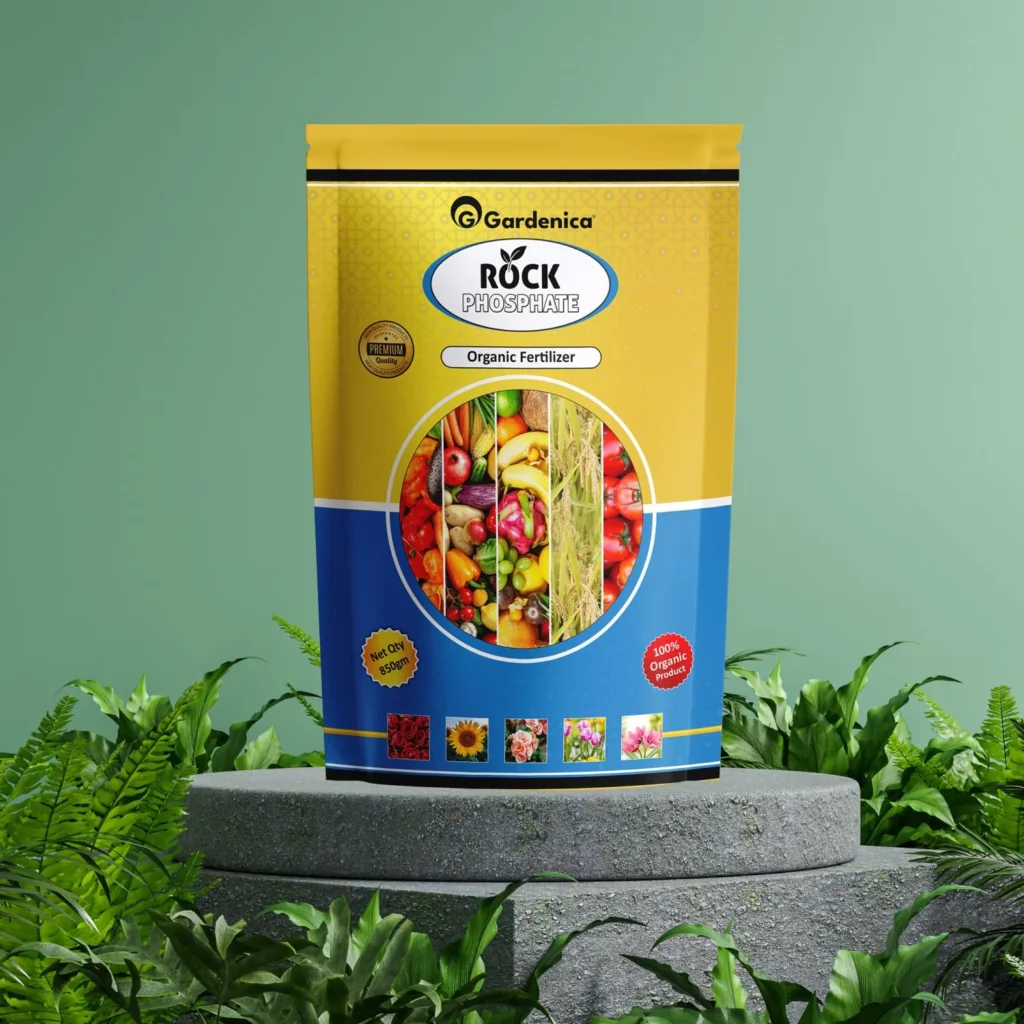
Chat on WhatsApp- At sowing: mix well-rotted compost or vermicompost into the potting mix. A small amount of rock phosphate in the base mix can support root growth.
- About 3 to 4 weeks after sowing: add a thin layer of vermicompost around the plants and water it in.
- Every 2 to 3 weeks after that: use a balanced organic plant food, following the product label for the amount.
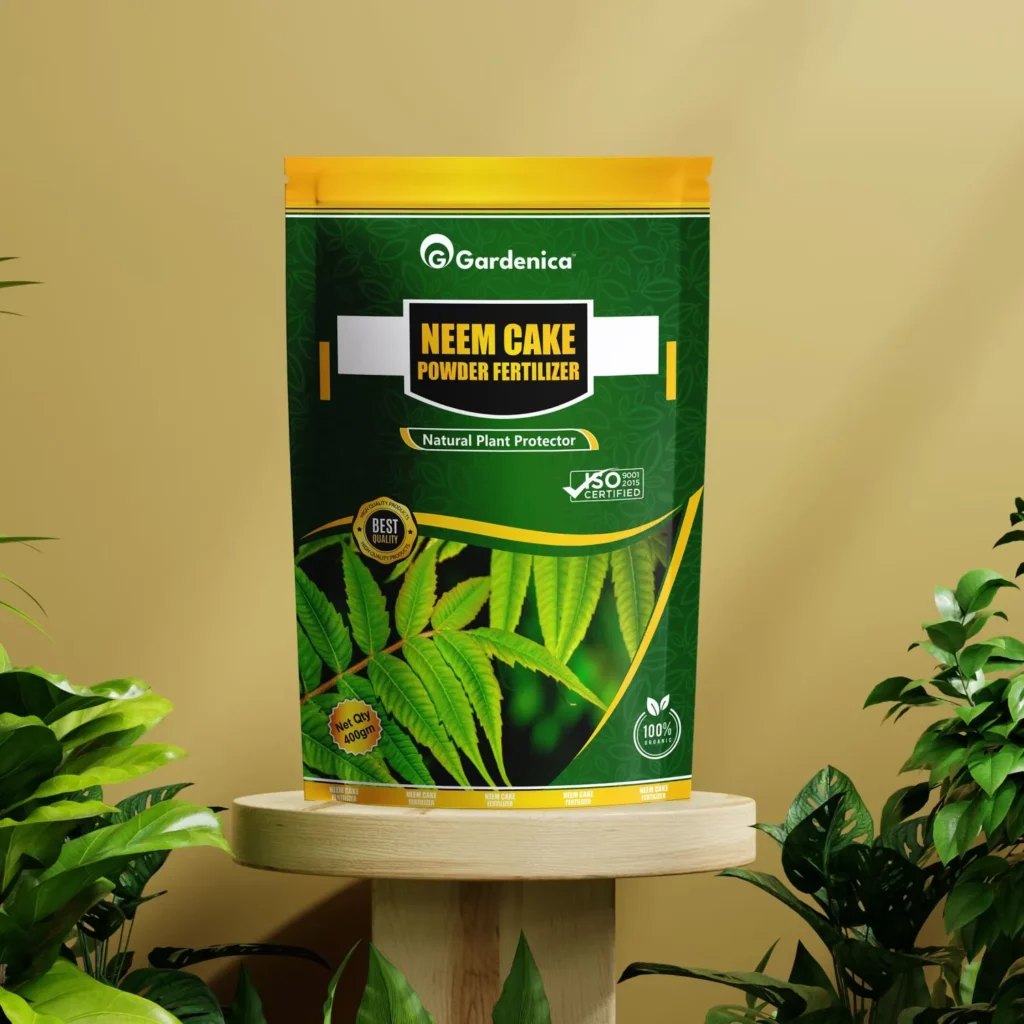
Many Indian gardeners also mix a little neem cake powder into the soil at planting; use the quantity given on the label.
Watch for boron shortage
Beetroot is sensitive to low boron, which shows as dark, corky patches inside the root. Rich compost usually supplies enough; if the problem repeats, refresh the potting mix rather than adding boron by guesswork.
Pests and Diseases to Watch For
Beetroot is fairly trouble-free in pots, but check the leaves every few days, especially the undersides.
Common pests
- Aphids: clusters of tiny green or black insects on young leaves. Wash them off with water or spray neem oil as per the label. Read more in our guide to aphids on plants.
- Leaf miners: pale, winding trails or blotches inside leaves. Pick and remove affected leaves early.
- Caterpillars: chewed holes in leaves. Hand-pick them in the evening.
Leaf spot and fungal problems
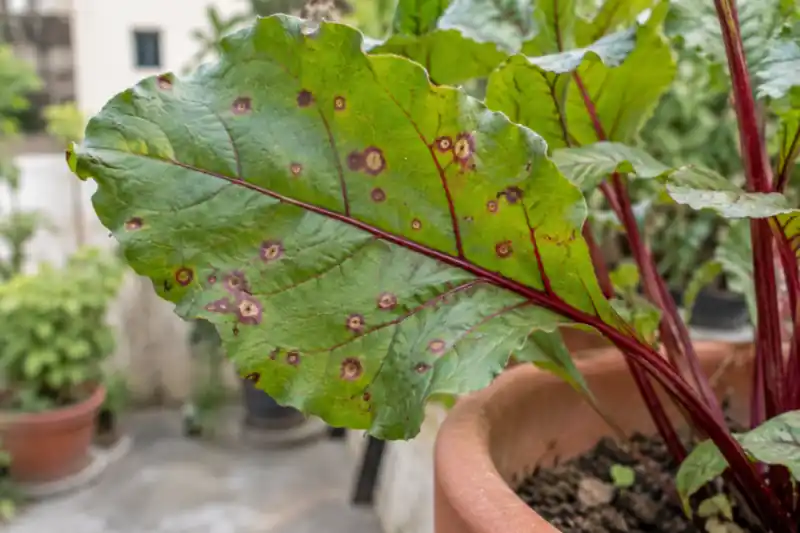
Cercospora leaf spot shows as small round spots with pale centres and reddish-purple borders. It spreads in humid weather and on crowded plants. Remove spotted leaves, water at the soil level instead of over the leaves, and keep enough space between plants for air to move. If the problem spreads, an organic fungal-care product used as per its label can help. Overwatered pots can also lead to damping off in seedlings and rot in roots.
When and How to Harvest Beetroot
Most varieties are ready about 55 to 70 days after sowing, depending on the variety and the weather.
- Brush the soil away from the top of a root to check its size.
- Harvest when roots are about 4 to 7 cm across. Larger roots can turn woody.
- Hold the leaves near the base and pull gently, loosening the soil with your fingers if needed.
- Twist off the leaves, leaving about 2 to 3 cm of stalk on the root to reduce bleeding of colour when cooking.
You can pick two or three outer leaves per plant while roots grow, but never strip a plant bare.
Common Mistakes When Growing Beetroot in Pots
- Skipping thinning: crowded seedlings compete and give tiny, twisted roots.
- Heavy, clay-rich soil: roots stay small and misshapen.
- Too much nitrogen: big leaves, small roots.
- Uneven watering: leads to cracked or woody beets.
- Sowing too late: plants caught in rising heat may bolt or give poor roots.
- Leaving roots in too long: oversized beets become fibrous.
If you already grow root crops, many of the same rules apply; our guide on how to grow carrots in pots covers similar soil and thinning tips.
Frequently Asked Questions
Can I grow beetroot from a store-bought beetroot?
The top of a store-bought beetroot can regrow leaves in water or soil, which you can eat, but it will not form a new root. For roots, sow seeds.
How many beetroots can I grow in one pot?
A 12-inch wide pot can usually hold about 5 to 7 plants spaced 8 to 10 cm apart after thinning. Wider planters hold more.
Why are my beetroot plants all leaves and no root?
The usual causes are too little sun, too much nitrogen, overcrowding or sowing in warm weather. Thin the plants and reduce nitrogen-rich feeds.
Why does my beetroot have white rings inside?
Light rings, called zoning, are often linked to uneven growth from temperature swings or irregular watering. The root is still safe to eat.
Can beetroot grow on a balcony with partial sun?
Yes, with at least 4 to 5 hours of direct sun you can still get a crop, though roots may be smaller and take longer.
Start Your Winter Beetroot Pot
A loose, compost-rich mix, steady watering and timely thinning are most of what beetroot needs. Begin with a well-prepared pot using Gardenica Vermi Compost, and if you have questions about feeding your winter vegetables, contact the Gardenica team.
Looking for more?
Continue to our main page to explore products and services.