Why Potted Plant Soil Becomes Hydrophobic and How to Fix It
Why Potted Plant Soil Becomes Hydrophobic and How to Fix It
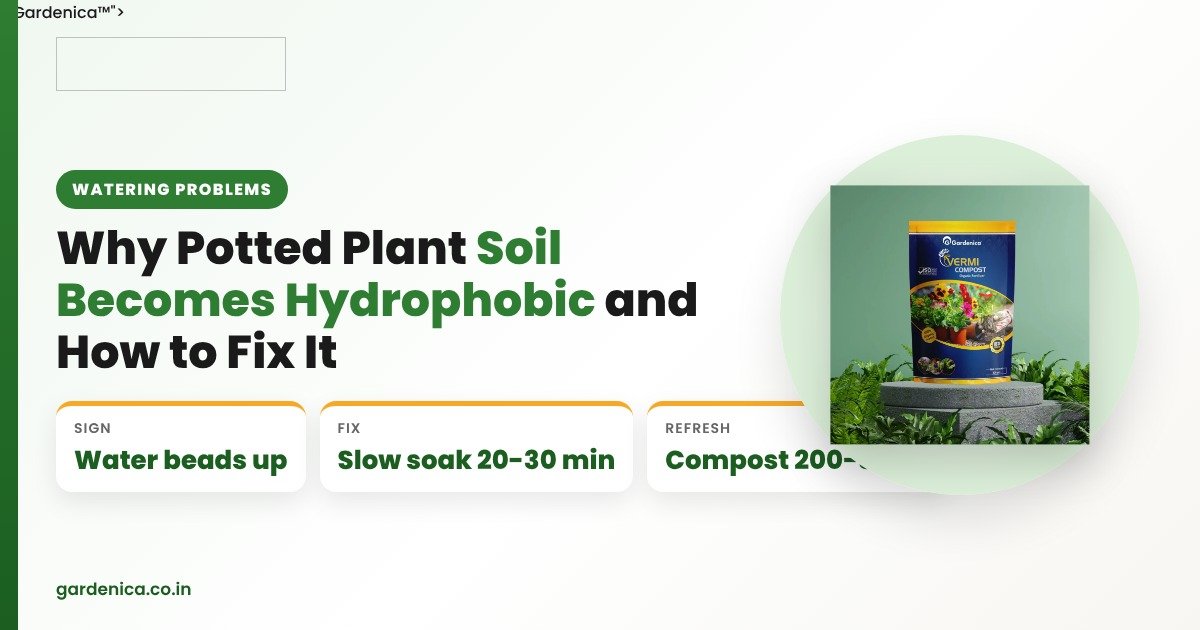
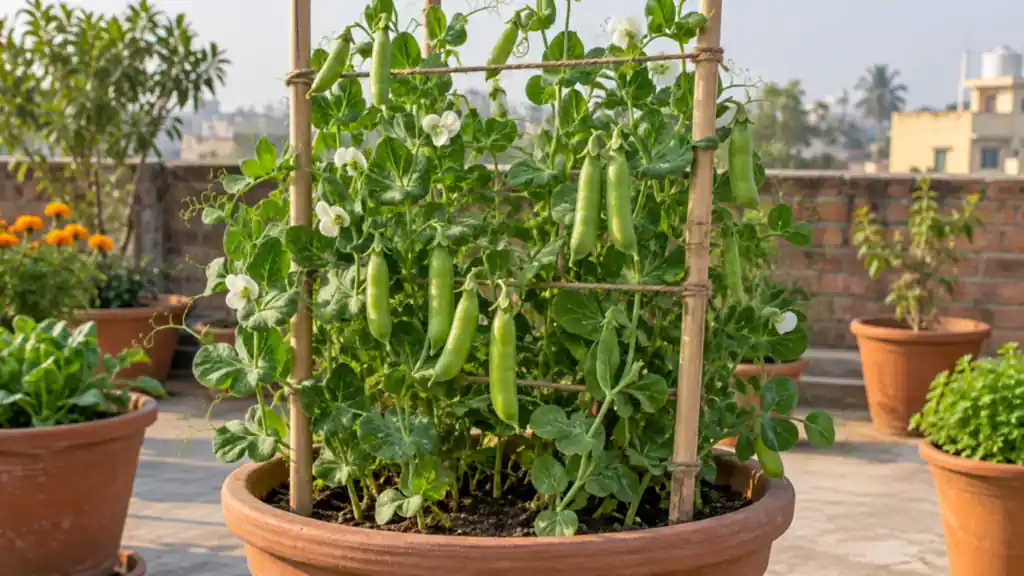
You water on time, every day, and still the plant looks thirsty. Leaves droop by noon, the pot feels light when you lift it, and the water beads on the surface or rushes straight out of the drainage holes. That is hydrophobic soil in pots: the mix has stopped taking water in, no matter how often you water.
This guide covers why a mix starts repelling water, a five-minute test to confirm it, the slow-soak fix, and the habits that stop it coming back.
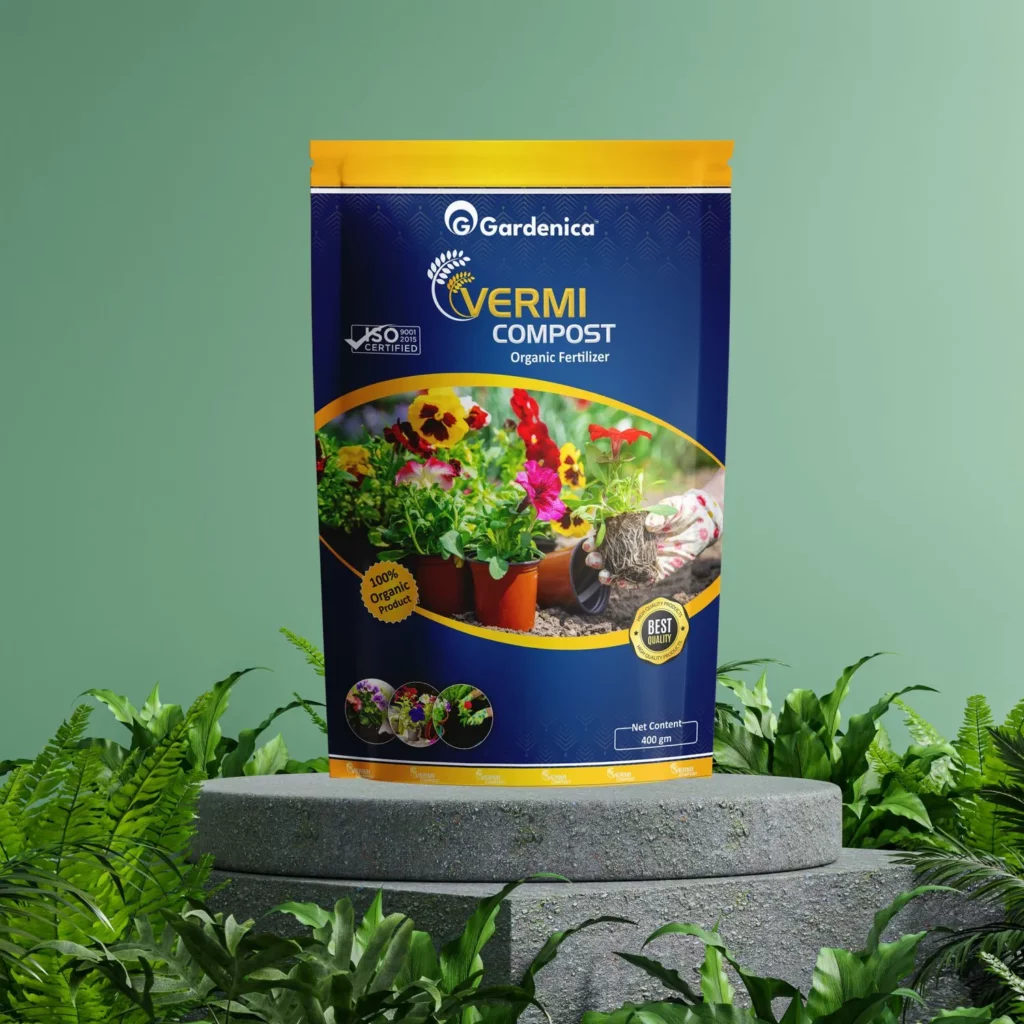
Read more: Explore Gardenica Vermi Compost
What Hydrophobic Soil Does
A healthy mix has air pockets and fine organic particles that pull water in sideways as well as downward. When a mix goes hydrophobic, each particle is coated in waxy or dusty material that water cannot spread over. Instead of soaking, water beads up and takes the easiest path: down the crack between the soil and the pot wall.

The plant suffers quietly. Water reaches only a narrow channel, so most of the root zone stays dry while the roots near the drainage holes stay wet. You get a plant that wilts in the afternoon sun, perks up after evening watering, and stalls with no pest to blame.
Six Signs Your Mix Has Stopped Wetting
Two or more of these pointing the same way means the mix, not the plant, is the problem.
- Beads on top. Water sits in round drops for a minute or more instead of sinking within seconds.
- Side-channel watering. Moisture shows only in a ring near the pot wall, and the middle stays dry.
- Light pots. A pot that should hold a litre lifts almost empty an hour after watering.
- Wilting after watering. Leaves still droop by midday though you watered that morning.
- Fast drainage. Water runs out of the holes in seconds, in a stream rather than a drip.
- Cracks at the edge. The mix has shrunk from the pot wall, leaving a gap all round.
Why Mixes Turn Water-Repellent
The mix dried out fully at least once. This is the big one. Peat and dry compost develop water-repellent surfaces when baked dry, and one neglected afternoon in May is enough. Ordinary watering cannot re-wet a fully dried peat mix, which is why the soak method below matters.
The mix has aged into dust. Organic matter shrinks over two or three seasons. Fluffy mix becomes a hard powder that sheds water and cracks in the sun. See How to refresh potting mix between seasons.
The Five-Minute Soak Test
Do this on one suspect pot before treating the whole terrace. It shows exactly where the water goes.
- Lift the pot first. Note how light it feels, then set it on a bucket stand so the holes stay clear.
- Pour in stages. Add one litre in three pours, waiting 30 seconds between them, and watch whether it sinks or pools.
- Time the drainage. Water leaving in under 10 seconds is travelling down a side channel, not through the mix.
- Weigh it again. Lift the pot after 20 minutes. A wetting pot gains weight; a hydrophobic one feels unchanged.
- Split one root ball if you can spare the plant. Dry powder inside a wet shell is the confirmation.
How to Re-Wet a Dry Pot Safely
Do not blast a bone-dry pot with a full watering can. The water runs off, or it floods the only wet channel and rots the roots sitting there.
- Loosen the crust. Scratch the top 2-3 cm with a hand fork to break the sealed surface. Stay out of the root zone.
- Set the pot in water. Stand it in a bucket with 5-8 cm of water, drainage holes down. Water moves upward instead of running off the top.
- Wait 20-30 minutes. Lift it occasionally. It is done when the pot feels heavy and the top looks dark and damp.
Fix the Mix So Water Spreads Evenly
Re-wetting gets you through today. The mix decides whether this comes back next month. Work these into the top 5 cm with a hand fork, then water lightly. Use the lower figure for a 10-12 inch pot and the higher for a 16-18 inch pot or a 20 litre grow bag.
- Vermi compost in the top layer (Amount (g per pot): 200-300; What it does: Adds particles that wet easily and hold moisture)
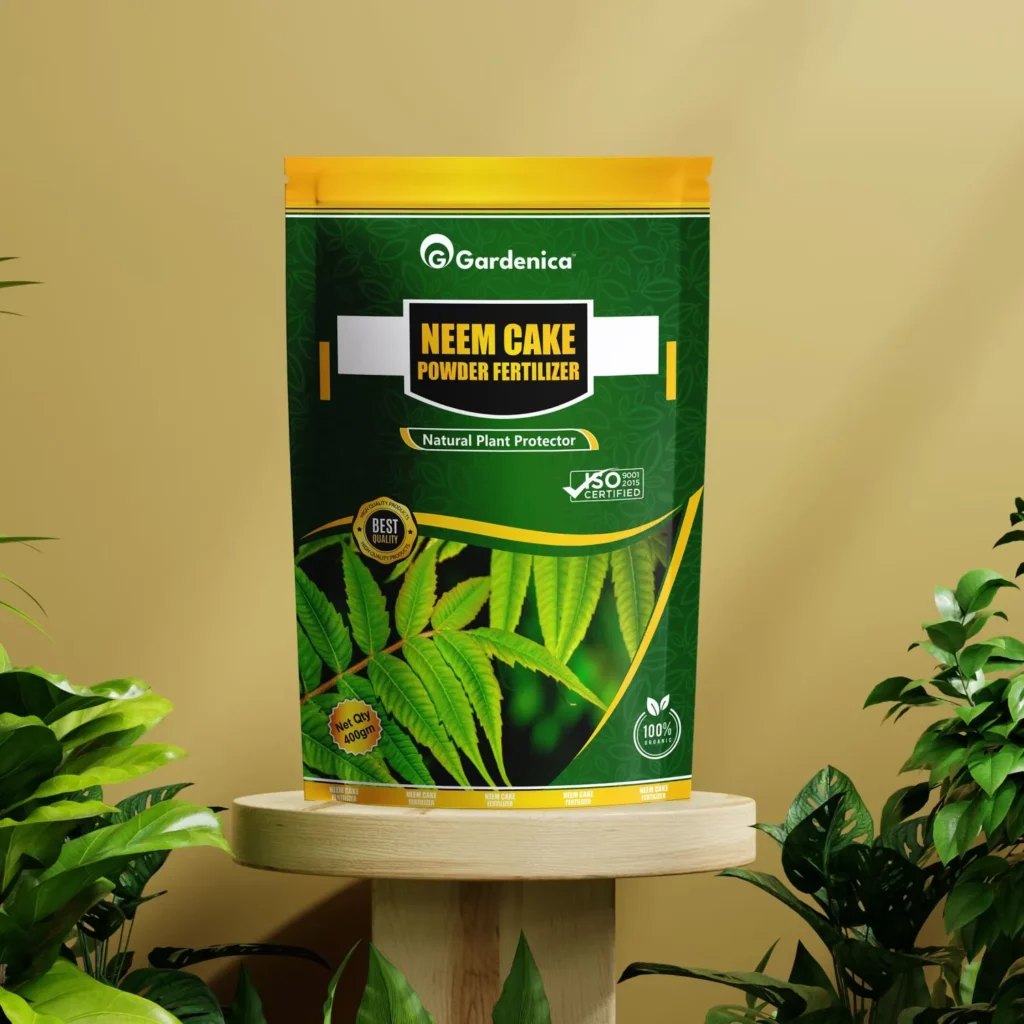
- Neem cake powder (Amount (g per pot): 60-80; What it does: Feeds microbes that keep the mix open)
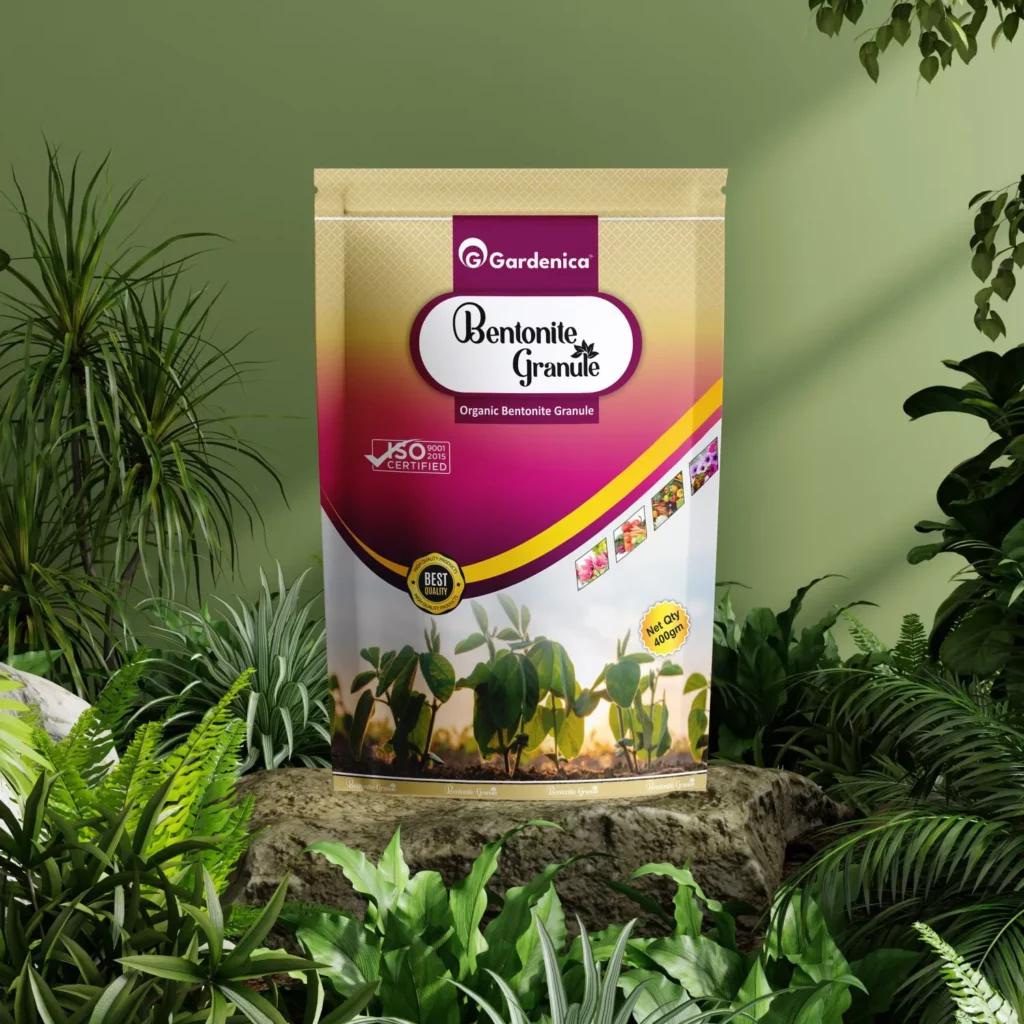
- Bentonite granules for sandy mixes (Amount (g per pot): 20-30; What it does: Holds moisture and slows drying)
Watering Habits That Cause It
Hydrophobic mix is usually a watering habit problem wearing a soil problem's clothes.
Have a question about this topic?
Chat on WhatsApp- Water in two rounds. Pour half, wait two minutes, pour the rest. Two small rounds sink in; one large pour runs off.
- Water at the base. A wet tomato or rose crown invites rot while the roots stay dry.
- Check with your finger, not the calendar. Two knuckles deep beats any fixed schedule.
- Never let pots go bone dry. One full dry-out in peak summer often starts the problem.
- Break the crust weekly. A light scratch with a hand fork stops the seal setting.
- Shield pots from radiant heat. Terracotta and black grow bags on tiles bake. Shade cloth helps.
Which Pots Are Most at Risk
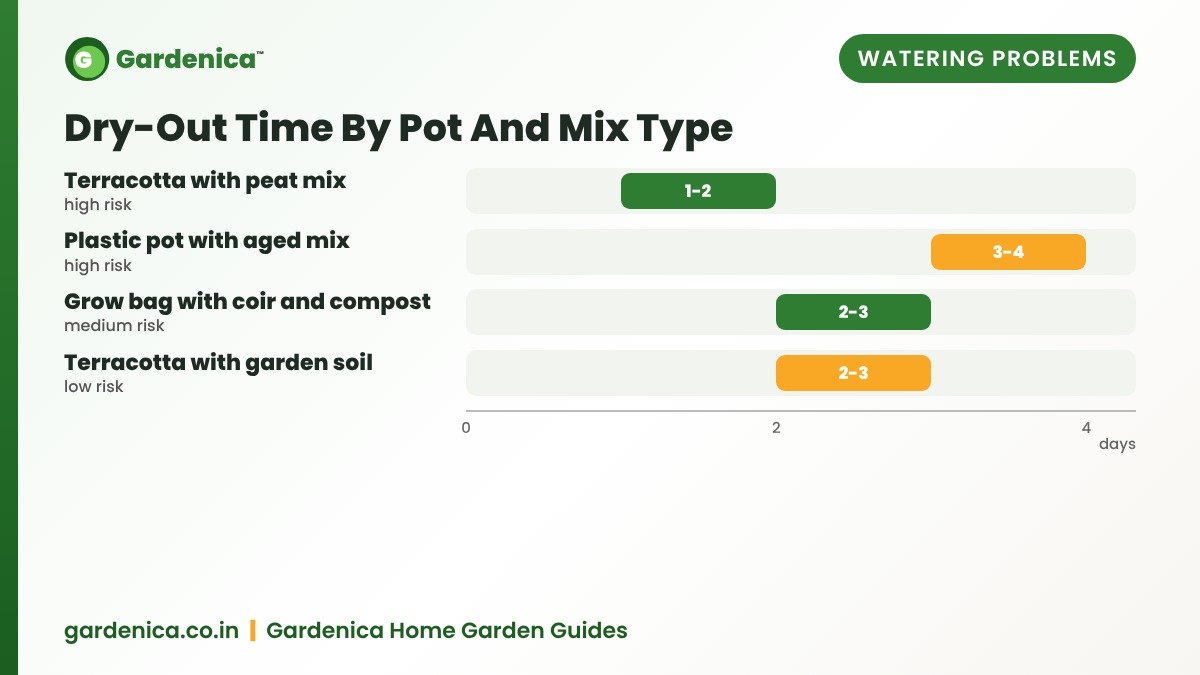
- Terracotta with peat mix (Days between dry-outs (summer): 1-2; Risk level: High)
- Plastic pot with aged mix (Days between dry-outs (summer): 3-4; Risk level: High)
- Grow bag with coir and compost (Days between dry-outs (summer): 2-3; Risk level: Medium)
- Terracotta with garden soil (Days between dry-outs (summer): 2-3; Risk level: Low)
Terracotta wicks moisture through its walls, so terracotta with a peat mix is the fastest route to this problem in summer. Plastic holds moisture longer, but the mix inside ages into dust faster. Grow bags dry from all sides and need frequent light watering rather than one heavy soak.
Safe Use at Home
- Wear gloves with old mix. Decomposing mix carries moulds worth keeping off your skin.
- Do bucket soaks outdoors. They stir up dust and gnats; keep them away from counters.
- Empty saucers every evening. Standing water in trays is a mosquito breeding site.
- Follow the label. Dose every amendment at the rate printed on its pack.
Frequently Asked Questions
How do I know if my potting mix is hydrophobic?
Pour a little water and watch. If it beads on the surface for more than a minute, or runs out of the holes in seconds while the middle stays dry, the mix has gone water-repellent.
Can I fix hydrophobic soil without repotting?
Yes, in most cases. Loosen the top crust, stand the pot in 5-8 cm of water for 20-30 minutes so moisture moves upward, drain it fully, then work vermi compost into the top layer.
How long does a bottom soak take?
Twenty to thirty minutes for a 12-inch pot, up to 45 minutes for a large grow bag. It is done when the pot feels heavy and the top looks damp.
Is bottom soaking bad for plants?
No, but never leave a pot in water overnight. That pushes air out and invites root rot. Drain a few minutes, then empty the tray.
Why does my soil dry out so fast in summer?
Pots on tiles lose water through their walls and surface all day. Terracotta and black grow bags dry fastest, often within a day. Shade cloth and coir mulch slow it down.
How often should I replace potting mix?
Refresh the top layer every season and repot with fresh mix every one to two seasons. Dusty mix that has shrunk below the rim keeps repelling water.
Does hard tap water cause hydrophobic soil?
It contributes. Calcium and magnesium leave a crust on the surface and particles, which sheds water over months. Breaking the crust weekly and adding compost keeps it small.
Conclusion
Hydrophobic soil in pots is a mix that dried out too hard and too often and never got refreshed. Confirm it with the soak test, re-wet slowly with a 20-30 minute bottom soak, then fix the mix with compost, a little neem cake and a surface mulch, and water in two rounds instead of one.
For a soil and feeding plan matched to your pots, Contact the Gardenica team on WhatsApp at +91 95120 17162.
Disclaimer: This article is general gardening information. Results vary with plant, pot, soil, weather and care. Always read and follow the product label.
Looking for more?
Continue to our main page to explore products and services.