How to Grow Brinjal in Pots: A Winter Guide for Indian Homes
How to Grow Brinjal in Pots: A Winter Guide for Indian Homes

Your brinjal plant looks perfect, thick stem, dark leaves, a handful of purple flowers open one morning and by evening three of them are on the ground, with no fruit to follow. If you have been chasing that, this guide on how to grow brinjal in pots covers what to change, from pot depth to the feeding switch at flowering.
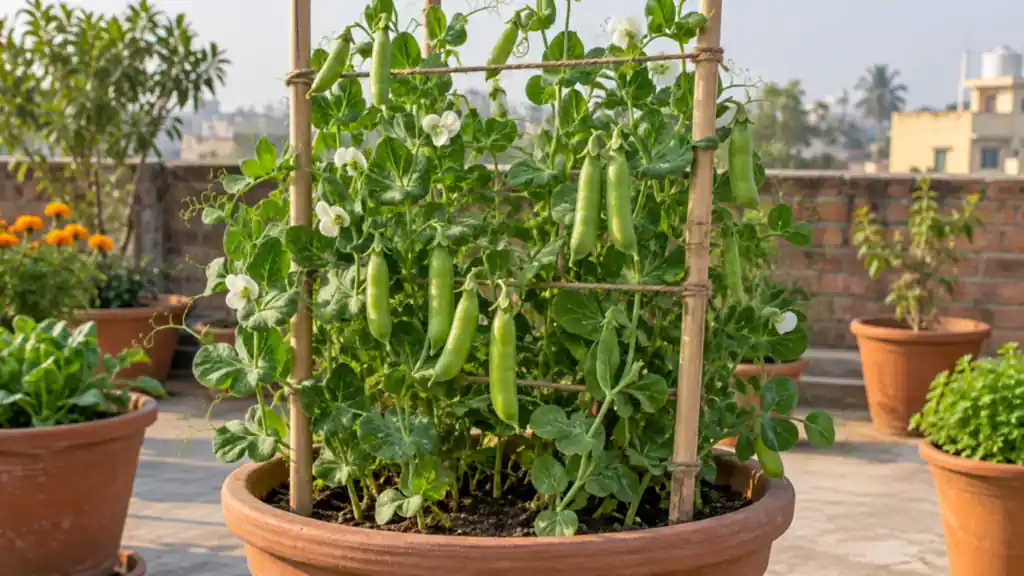
Brinjal (baingan) is one of the easiest vegetables for an Indian terrace or balcony, and a genuinely long crop. A nursery sown in December or January starts fruiting around February and can run through summer if you feed it and cut the fruit on time.
Read more: Explore Gardenica Rich Fertilizer
Why Brinjal Does Well in Winter Pots
Brinjal is a warm-season crop that hates waterlogged roots, so containers suit it: you control the mix and drainage yourself. In most plains, sow December to February under a poly tunnel, a covered balcony or a bright verandah. Coastal and South Indian homes with mild winters can start from October. In North Indian plains where December nights dip near 5-8 C, raise seedlings under cover and transplant once nights stay above 12-15 C.
Small green or green-striped types set fruit in clusters and crop for months. Compact round purple types give a few large fruits early. Long varieties need a taller stake and a bigger pot.
Pot, Grow Bag and Soil Mix
Pot size
One plant needs a container at least 40-45 cm deep and 40 cm wide, roughly 15-20 litres of soil. A 5 kg grow bag holds one dwarf plant but crops for fewer weeks; a 12 kg bag or a cut drum suits a full-size terrace plant. Terracotta breathes and suits humid coastal weather, while plastic or grow bags hold moisture better in dry North Indian summers.
The mix that drains
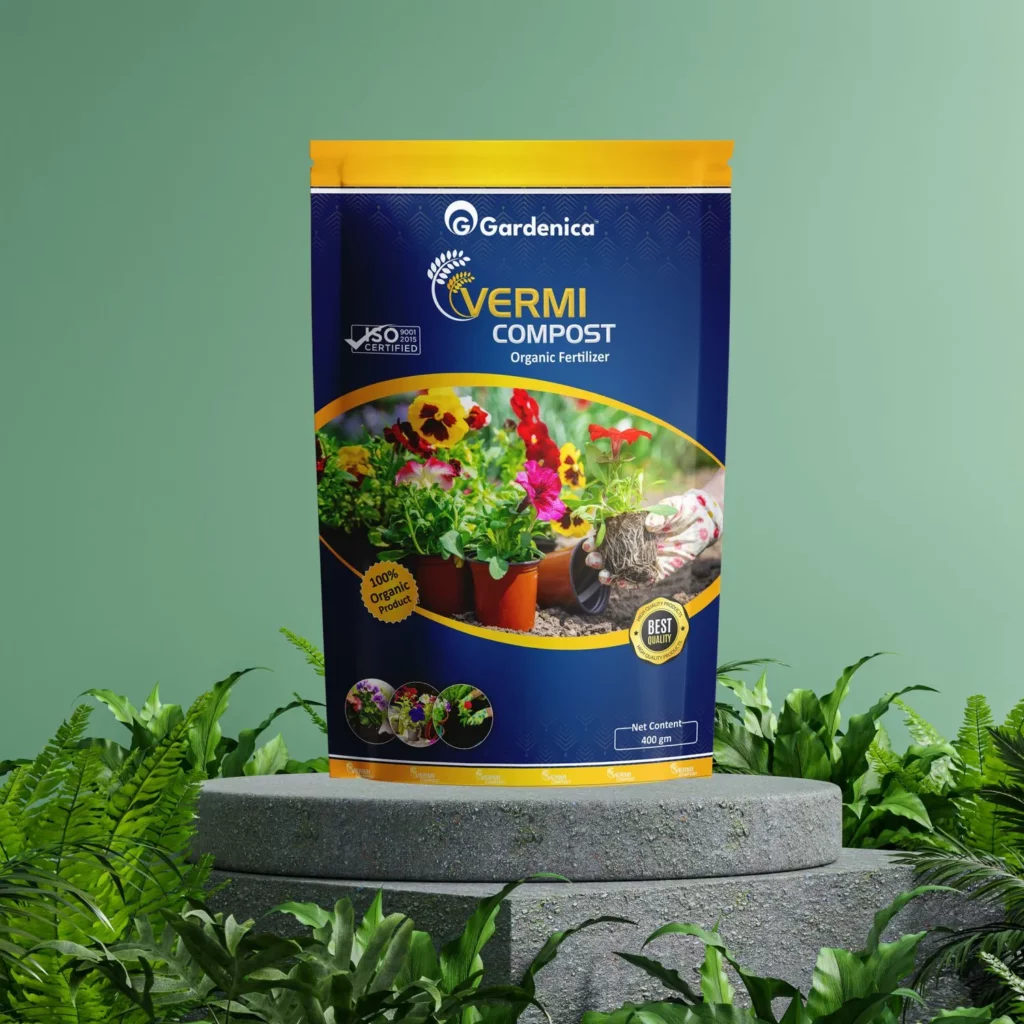
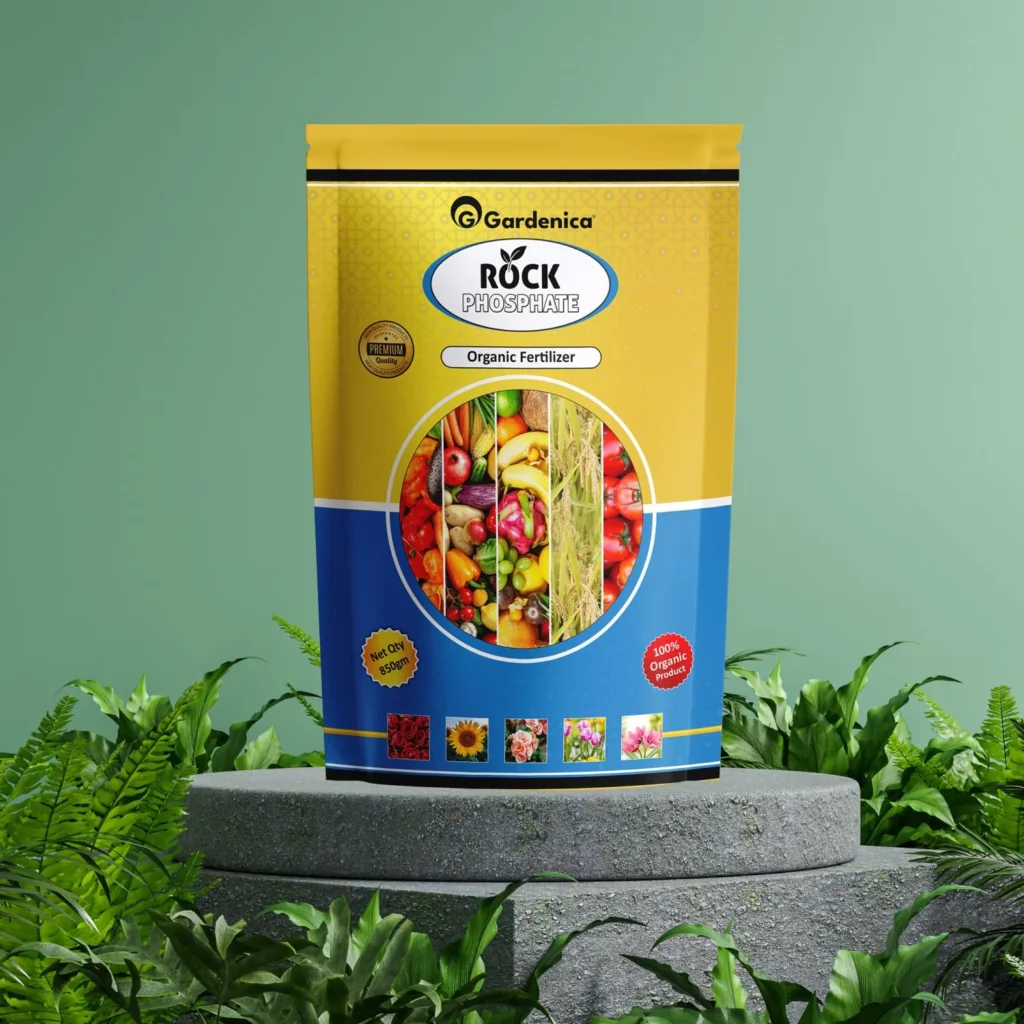
Use 40 % garden soil, 30 % vermicompost and 30 % coarse sand or cocopeat, with a handful of neem cake and one handful of rock phosphate mixed through the bag before planting. Rock phosphate goes in at the start because it works slowly and feeds roots and flower buds for weeks. Fill the pot two-thirds, water it the previous evening and transplant next morning. This potting mix guide for kitchen gardens shows the ratios we use.
Step by Step: Seed to First Fruit
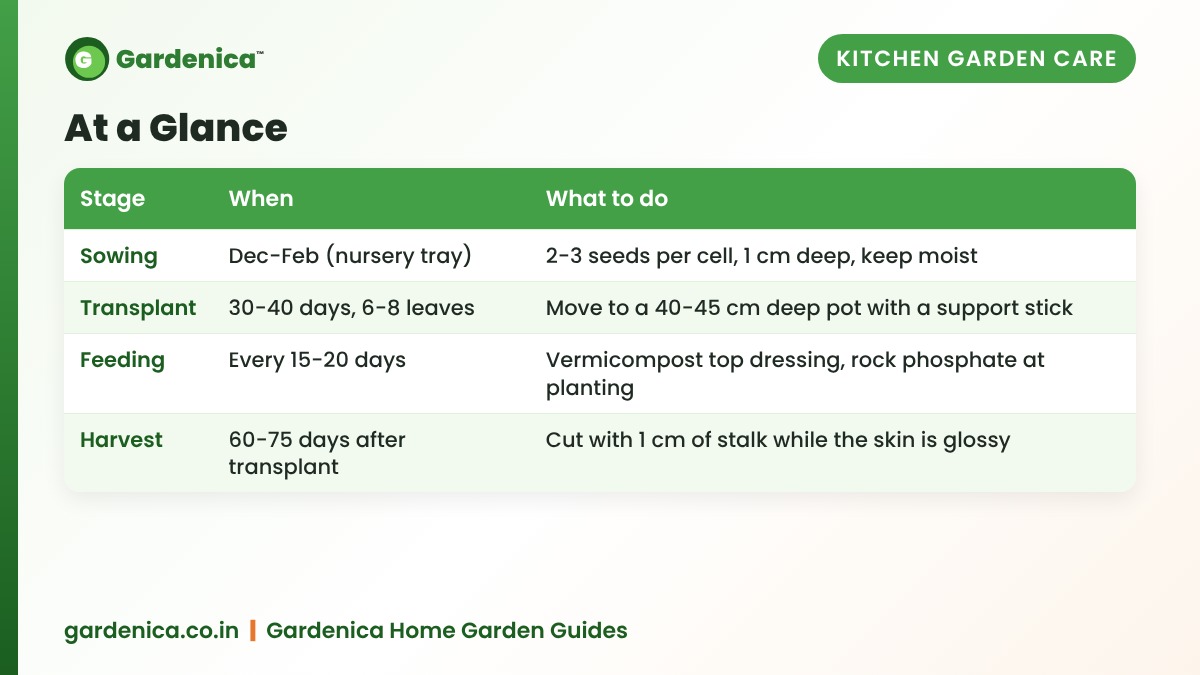
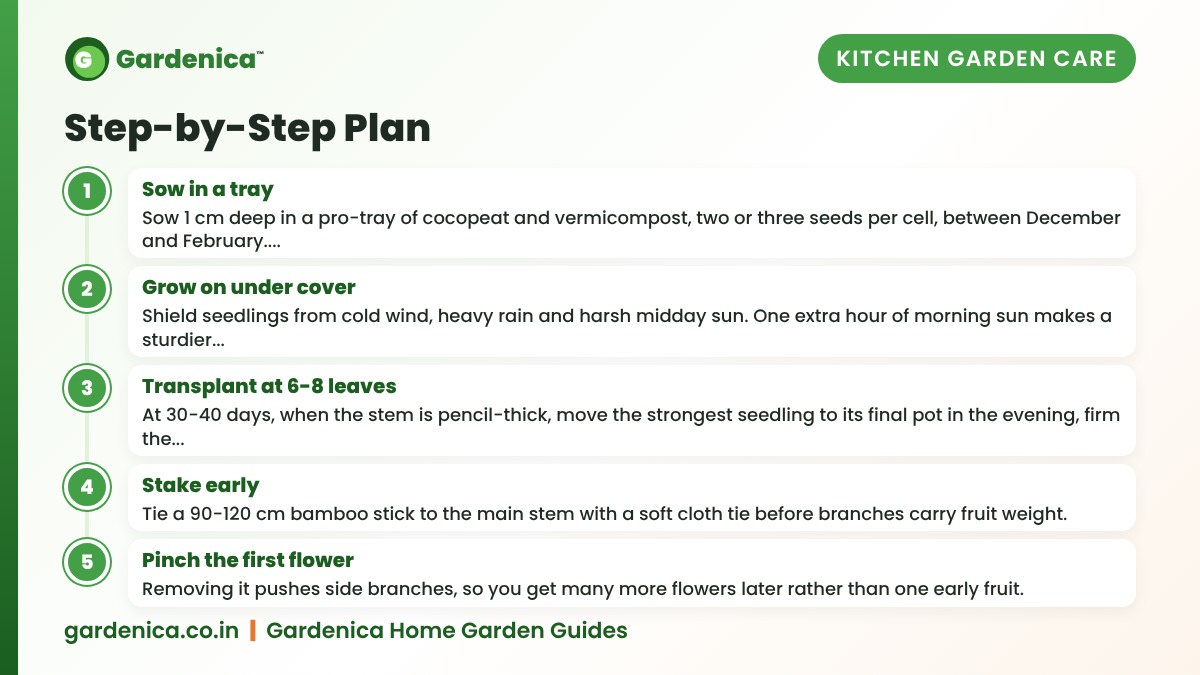
- Sow in a tray. Sow 1 cm deep in a pro-tray of cocopeat and vermicompost, two or three seeds per cell, between December and February. Germination takes 7-12 days.
- Grow on under cover. Shield seedlings from cold wind, heavy rain and harsh midday sun. One extra hour of morning sun makes a sturdier seedling than any feed.
- Transplant at 6-8 leaves. At 30-40 days, when the stem is pencil-thick, move the strongest seedling to its final pot in the evening, firm the soil and shade it for three days.
- Stake early. Tie a 90-120 cm bamboo stick to the main stem with a soft cloth tie before branches carry fruit weight.
- Pinch the first flower. Removing it pushes side branches, so you get many more flowers later rather than one early fruit.
- Switch the feed at flowering. Stop heavy nitrogen. Top dress vermicompost every 20-25 days and water seaweed extract at the dose on the label once a fortnight to support fruit set.
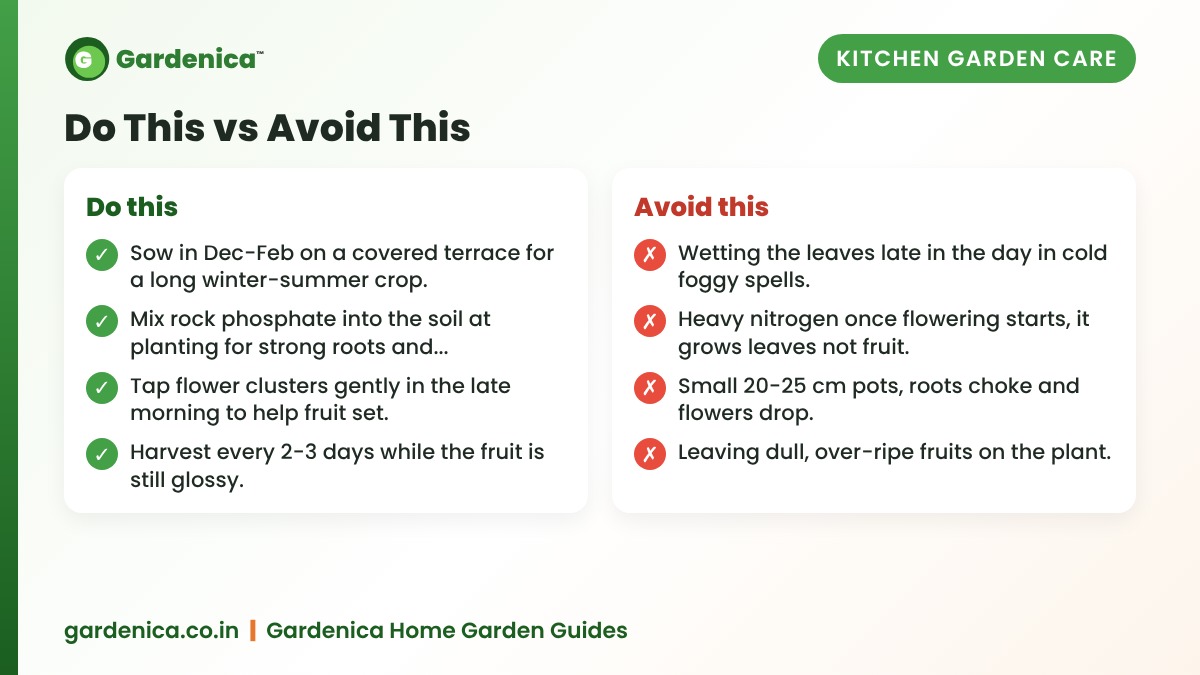
A brinjal plant that drops flowers is almost always too hot, too dry or fed too much nitrogen. Fix those three before buying anything else.
Watering, Sunlight and Feeding
Water when the top 2-3 cm of soil feels dry. On a Delhi terrace in January that is usually once every two days; on a Mumbai balcony in winter, check daily as the mix may stay damp. Water at the base in the morning so leaves dry before evening, which helps prevent the leaf spots that follow wet foliage in foggy weather. In summer a grow bag plant may need daily water, and a mulch of dry grass or cocopeat keeps roots cooler.
Give at least 6 hours of direct sun. Brinjal suffers most on a half-shaded balcony: flowers open, fail to set and drop. Keep the pot in the sunniest corner, away from a wall that throws shade after 11 am.
For feeding, a balanced feed such as Rich Fertilizer at the label dose every 15-20 days builds the frame in the first month. Once flowering starts, ease off nitrogen and add Garden Booster for nutrient uptake. After 8-10 weeks of picking, scratch 2-3 cm of fresh vermicompost into the surface and re-mulch; that alone extends the harvest. Never scatter granules against the stem, and never feed a thirsty plant. Water first, feed after.
Have a question about this topic?
Chat on WhatsAppWhy Brinjal Flowers Drop and How to Fix It
Days above about 35 C with dry wind make pollen unviable, so shade with a 50 % net in summer afternoons and keep soil evenly moist. Nights below 15 C also stop fruit set, which is why a January transplant on an open North Indian terrace may flower for a month with no fruit. Water swings, dry then flooded, make the plant shed buds. Nitrogen-heavy feeding grows leaves at the cost of fruit. On a closed balcony with no wind or insects, nothing moves the pollen, so tap each flower cluster gently between finger and thumb in the late morning, or flick the stake. Brinjal flowers are self-fertile and a small vibration is often enough.
For pests, in winter mostly aphids on plants and grubs that bore into fruit, spray neem oil at the label dose in the evening, covering leaf undersides, and remove any fruit with a hole.
Harvesting So the Plant Keeps Producing
Most types are ready 60-75 days after transplant, about 5-7 days after the flower opens. Pick when the skin is glossy and a nail sinks in with slight resistance. Dull, pale or puffy fruit is over-mature and seedy, and it tells the plant to stop. Cut with sharp scissors leaving 1 cm of stalk, never twist, and harvest every 2-3 days. A well-fed plant in a 15-20 litre pot can fruit from February to June.
Common Mistakes to Avoid
- Growing one plant in a 20-25 cm pot. Shallow roots mean flower drop and a crop that stalls after two pickings.
- Transplanting late, when the seedling is already flowering. Root check stalls the plant for weeks.
- Continuing heavy nitrogen after flowering, giving a leafy bush with few fruits.
- Watering late in the evening in winter, leaving wet leaves overnight in fog.
- Skipping the stake, then losing a fruit-laden branch in one summer storm.
- Leaving over-ripe fruit on the plant because it feels wasteful. It ends your own harvest.
Frequently Asked Questions
How many brinjal plants can I grow in one grow bag?
One per bag of 12 kg or larger, or one per 40-45 cm pot. Two crowded plants compete for root space, stay small and drop flowers.
What is the best month to sow brinjal in India?
December to February for a winter-summer crop in most plains. In mild coastal and South Indian climates, October-November works too. In the hills, sow February-March after the last frost.
Why is my brinjal plant flowering but not fruiting?
Usually temperature outside 15-35 C, dry wind, uneven watering, or no movement to shake pollen loose. Tap flowers in the late morning, shade from harsh afternoon sun and keep the soil evenly moist.
Is cow dung manure enough for brinjal in pots?
Well-rotted compost or vermicompost is a good base, but brinjal is a hungry, long-cropping plant. Add rock phosphate at planting and a balanced feed every 15-20 days, or yield falls by mid-summer.
How do I stop fruit-boring grubs?
Check leaf undersides twice a week in summer, remove eggs and grubs by hand, and spray neem oil at the label dose in the evening. Bag any fruit with a bore hole.
Can I grow brinjal in the same pot next season?
Yes, but replace at least half the soil, add fresh vermicompost and neem cake, and avoid the same family (tomato, chilli, brinjal) in that pot two years running.
Grow a Healthy Brinjal Pot This Winter
Deep pot, rock phosphate at planting, a feeding switch at flowering, six hours of sun and a gentle tap on the flowers covers most of what goes wrong. For a base feed that carries the plant to its last picking, see Rich Fertilizer, and for a mix that holds moisture without going heavy, Vermi Compost. For variety advice for your city, Contact the Gardenica team.
Looking for more?
Continue to our main page to explore products and services.