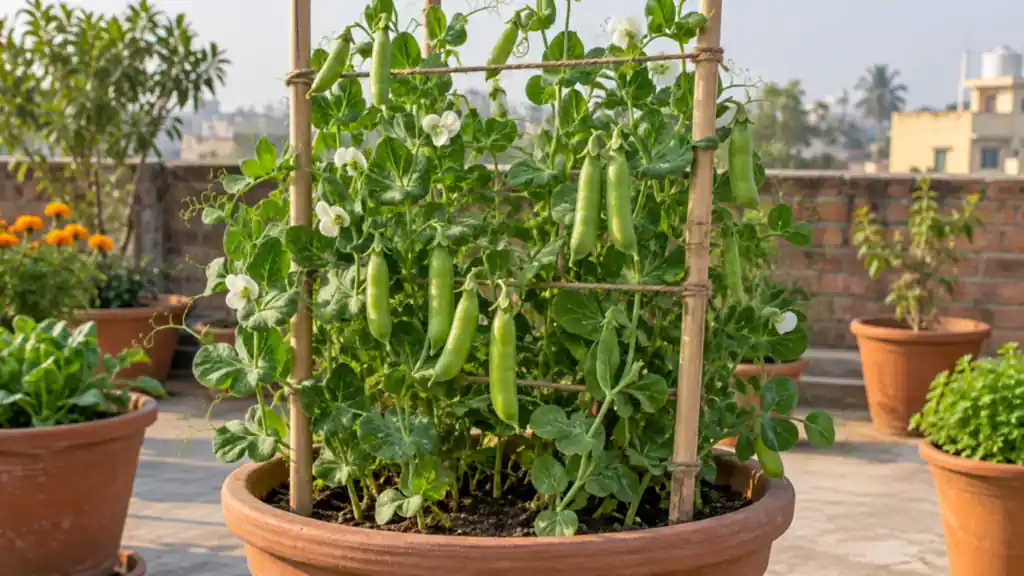
Why Okra Plants Drop Flowers: Fixes for Potted Bhindi
Why Okra Plants Drop Flowers: Fixes for Potted Bhindi
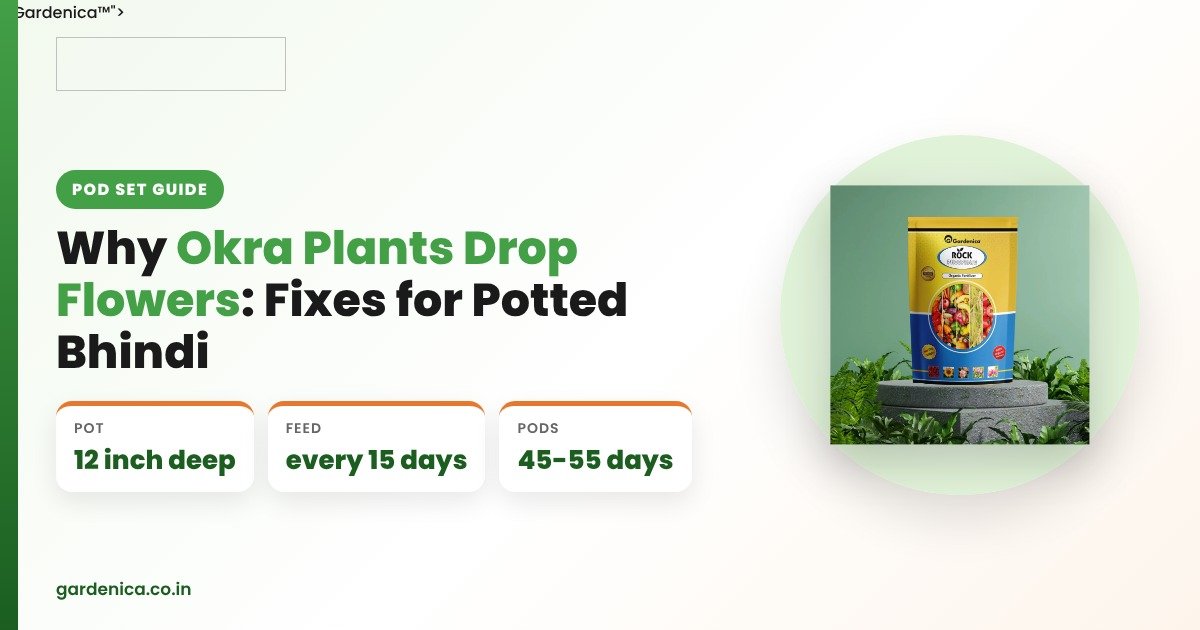
You water on time, the plant looks thick and green, the first yellow flowers open at dawn, and by evening the little pods have snapped off leaving bare stubs on the stem. When okra plants drop flowers in pots, the plant is not sick. Something in the pot is stopping that one-day flower from turning into a pod, and on a terrace in November or December you can usually find it in an hour.
This guide covers the pot setup for bhindi, then the reasons flowers fail to set and how to fix each one. It is written for 12-inch pots and grow bags on Indian terraces during the winter crop.
Read more: Explore Gardenica Rock Phosphate
How Okra Sets Pods in a Pot
Okra flowers stay open for only a few hours. The bud opens in the morning, and pollination has to happen before the heat of midday for the pod to swell. A poorly pollinated flower is dropped within a day, which is why the loss looks sudden.
Three things decide whether that flower holds: temperature during those hours, enough food to carry a pod, and steady moisture at the roots. A pot holds far less soil than a bed, so any of the three can slip on the same day. A plant with 8 to 10 leaves and a first flower is normal. A plant with 20 leaves and no pods means the pot is feeding leaves instead of fruit.
Get the Pot and Mix Right First
Most flower drop starts below the soil line. Okra sends a long taproot down early, and a shallow pot dries out at the wrong hour. Use a pot at least 12 inch deep and 12 inch wide, one plant per pot, or a 15 litre grow bag with two plants.
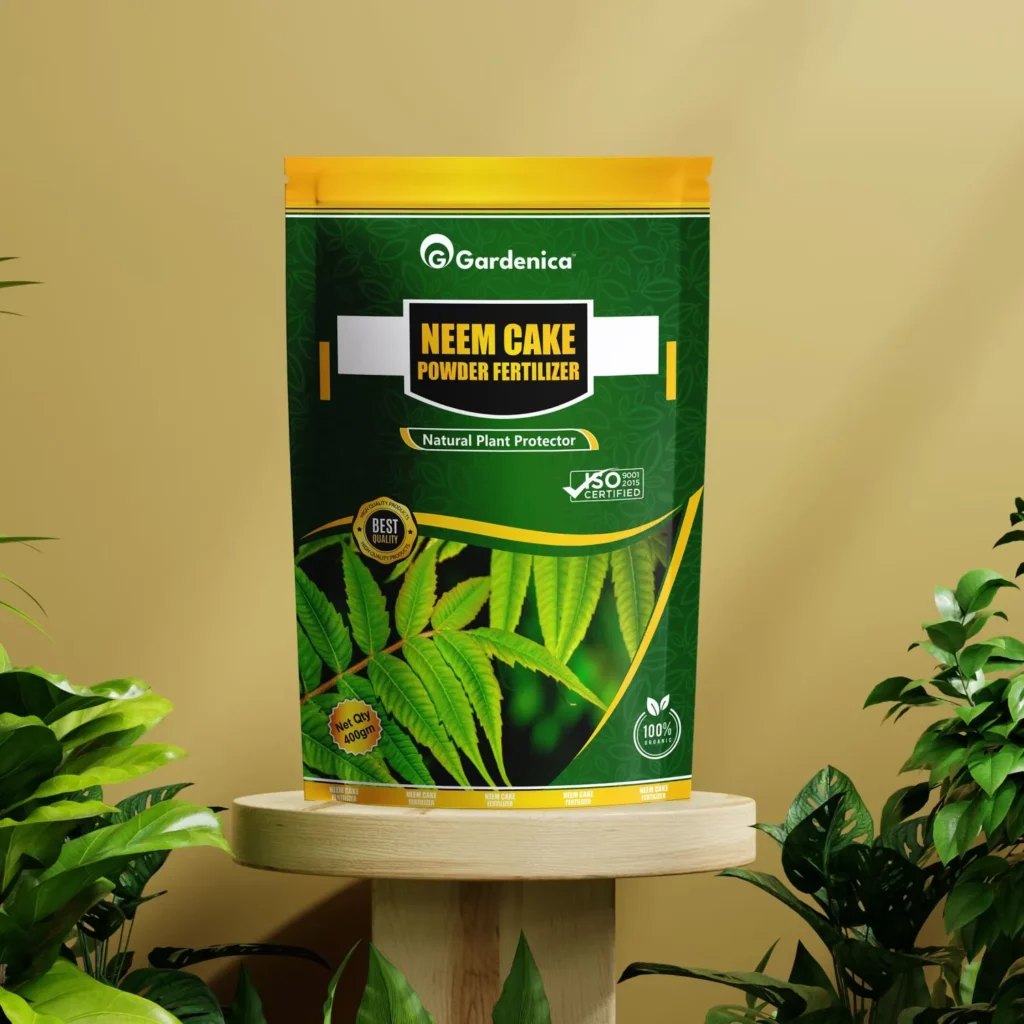
Mix five parts Potting mix for kitchen gardens with two parts vermicompost and one part cocopeat, and work a handful of Neem cake powder into each pot. Sow three seeds 2 cm deep and thin to the strongest seedling at 10 cm tall. Keep the pot in 6 to 7 hours of direct winter sun. For spacing and dates, this Guide to growing okra in pots covers the basics.
Six Steps to Steady Pod Set
- Sow at the right time. Sow in December or January for the main crop, or early November for early pods, with soil above 20 C.
- Choose depth over looks. A 12 inch pot with a drainage hole and a layer of coarse grit keeps the taproot moving down.
- Feed on a schedule. Start at 25 days after sowing and repeat every 15 days at the dose on the label, never more.
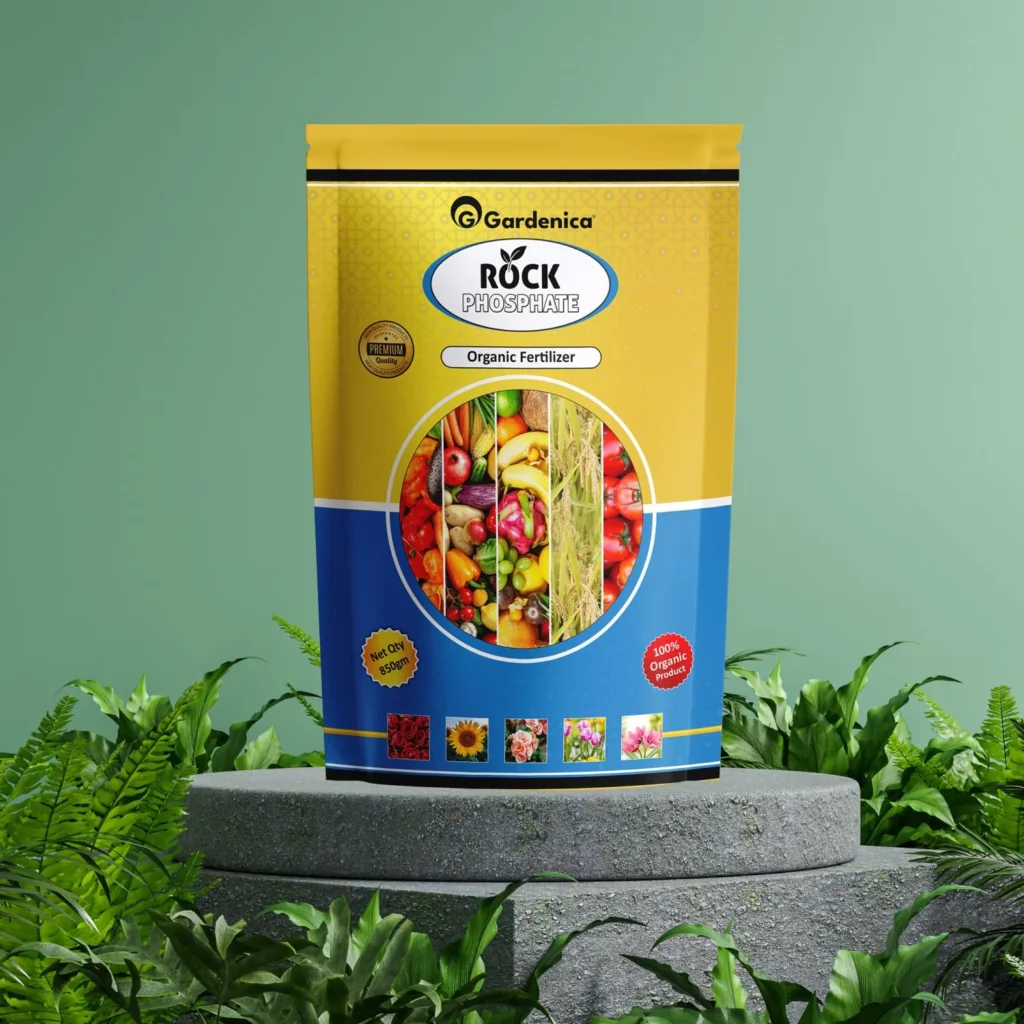
- Add phosphorus at flowering. Scratch a handful of Rock phosphate into the top 5 cm at first flower.
- Water before 9 am. One slow watering that drains from the bottom, then check the soil before the next.
- Harvest young pods. Pick 5 to 7 cm pods every second day so the plant keeps flowering.
A bhindi flower lives only a morning, so pod set is decided by the pot, not by the plant.
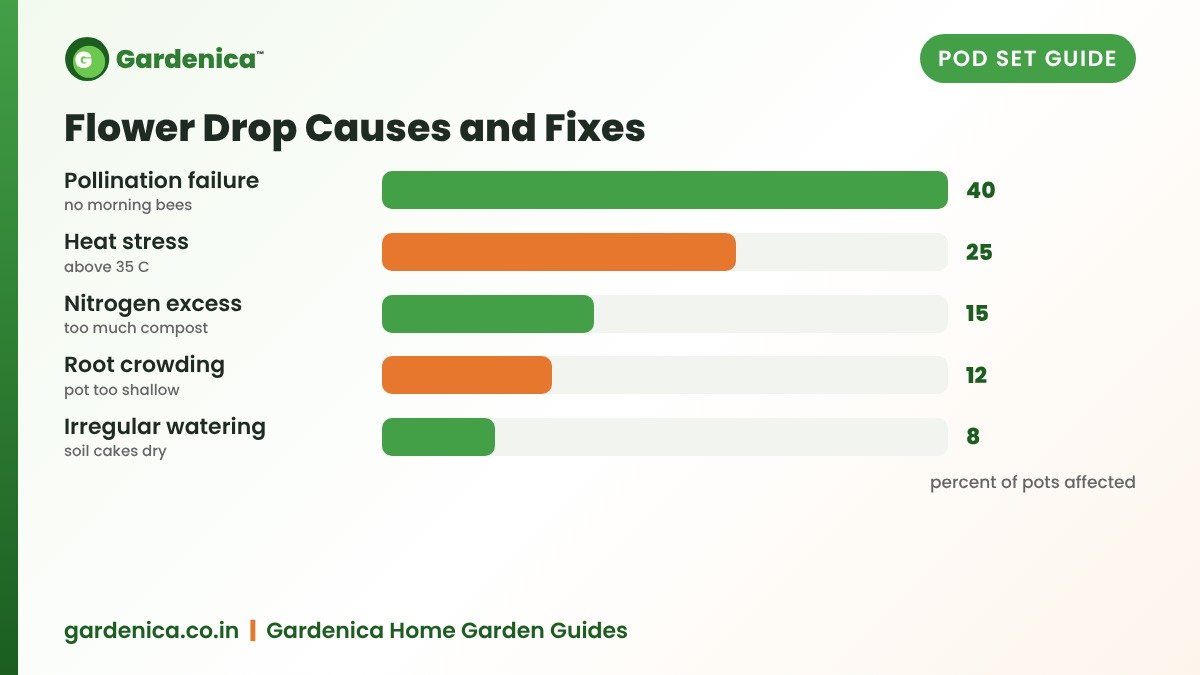
Flower Drop Causes and Fixes
Match what you see to the cause. Pollination failure is commonest on a closed balcony with no morning breeze. Heat stress hits when afternoon leaf temperature passes about 35 C, which happens even in December on a west-facing terrace. Too much nitrogen from fresh compost grows leaves and delays pods.
- Pollination failure (What You See: Flowers fall, no pod swelling; Fix: Grow 2 to 3 pots together, open the balcony by 8 am)
- Heat stress (What You See: Pods snap off on clear afternoons; Fix: Shade cloth after 2 pm, mulch the pot surface)
- Nitrogen excess (What You See: Dark leaves, 15 plus leaves, few flowers; Fix: Stop compost dressing, feed rock phosphate)
- Root crowding (What You See: Wilts by noon after watering; Fix: Repot into a 15 litre grow bag)
- Irregular watering (What You See: Soil cakes, flowers dry at the tip; Fix: Water before 9 am, add a 3 cm mulch)
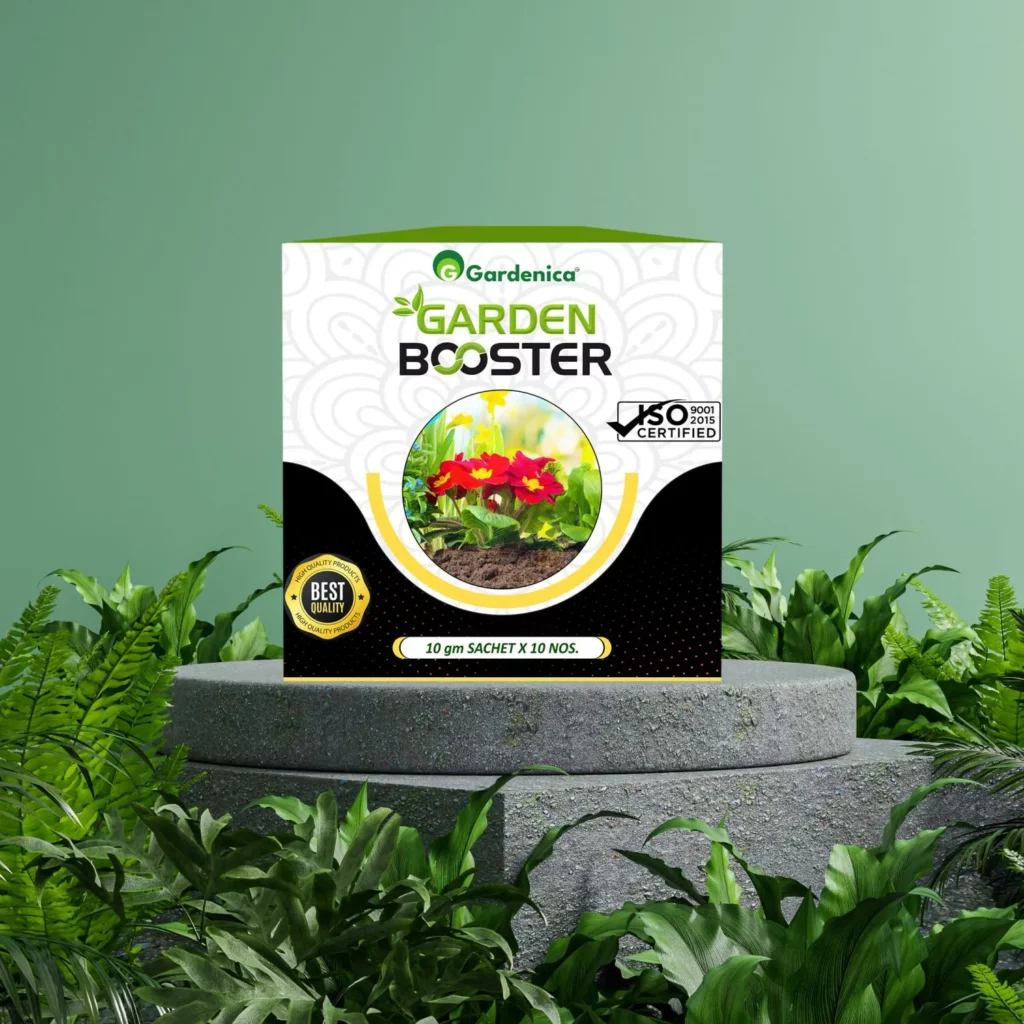
A Humic acid feed such as Garden Booster at the label dose every 15 days supports nutrient uptake in tired pot mix without pushing leaf growth.
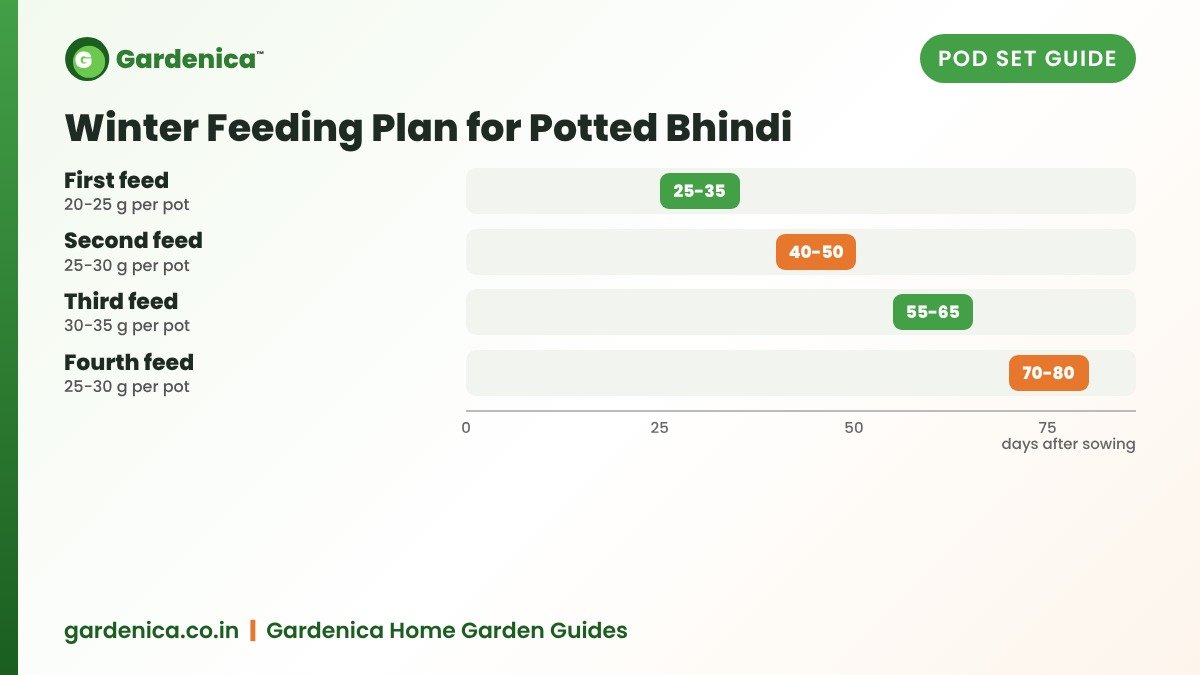
Winter Feeding Plan for Potted Bhindi
- 25 to 35 (Feed (g per 12 inch pot): 20-25)
- 40 to 50 (Feed (g per 12 inch pot): 25-30)
- 55 to 65 (Feed (g per 12 inch pot): 30-35)
- 70 to 80 (Feed (g per 12 inch pot): 25-30)
These are grams of a balanced organic feed per pot at 15-day intervals, and the dose on your pack takes priority. Keep nitrogen lower once the first flower opens, which is why the last step drops back to 25 to 30 g.
Watering and Mulch on a Terrace
Okra is drought tolerant in open ground and unforgiving in a pot. Water once in the morning until it runs from the drainage holes, then again only when the top 3 cm of soil feels dry. With hard tap water, let the can stand an hour, and water the soil rather than the flowers, since a wet stigma cannot take pollen.
A 3 cm mulch of dry grass clippings or coconut husk keeps surface roots cool. On a glass balcony, move the pots an arm's length inside the railing so reflected heat is not baking the flowers.
Have a question about this topic?
Chat on WhatsAppPests That Upset Pod Set
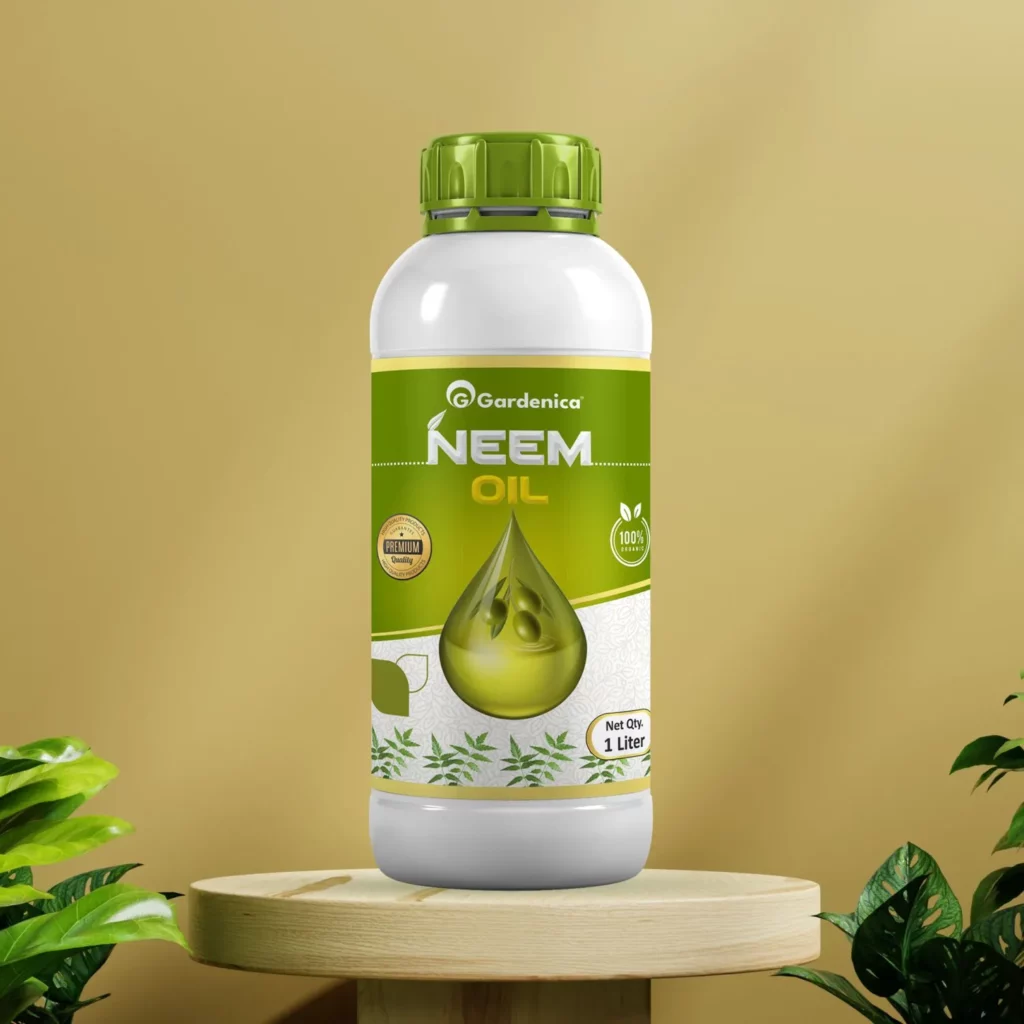
Thrips and jassids scar young pods and distort the growing tip, and the plant then aborts flowers. Look under leaves for silvery streaks or tiny jumping insects. Mix 5 ml Neem oil with a litre of water and a drop of mild soap, and spray leaf undersides in the evening. For heavier larval damage, Pest-O-Care at the label dose is the label-based option. Never spray open flowers at midday. The Neem oil method for terrace plants explains dilution and timing.
Safe Use at Home
- Wear gloves. Botanical sprays sting the eyes, and okra leaves scratch bare arms.
- Spray in the evening. Evening sprays keep bees off wet leaves.
- Keep children and pets back. Wait until the spray has dried before anyone touches the pots.
- Follow the label. Use every product at the dose printed on the pack, stored away from food.
Harvest for More Flowers
Pick pods at 5 to 7 cm, when they snap crisply, usually 45 to 55 days from sowing and then every second day. A pod left to turn big and fibrous tells the plant to stop making new flowers, which is the quiet reason a healthy-looking plant suddenly stops. Over a 60 to 70 day harvest, three to five pods per plant per week is a fair result in a 12 inch pot.
Frequently Asked Questions
Why are my okra flowers falling off without forming pods?
Most often the flower was not pollinated that morning, or afternoon heat went above about 35 C. Group two or three pots together, shade them after 2 pm and mulch the soil.
Should I pinch flowers off my okra plant?
No. Okra sets pods on the flowers it makes, so removing them removes your harvest.
How big a pot do I need for bhindi?
A pot at least 12 inch deep and 12 inch wide with one plant, or a 15 litre grow bag with two. Shallower pots dry out mid-morning and the first flowers drop.
What is the best fertilizer for okra in pots?
A balanced organic feed at the label dose every 15 days from 25 days after sowing, plus a handful of rock phosphate at first flower. Keep nitrogen low once flowering starts.
How often should I water potted okra in winter?
Once before 9 am until water drains from the bottom, then again only when the top 3 cm of soil is dry. In cold inland nights, every second day.
How long does okra take to grow in a pot?
First pods arrive 45 to 55 days from sowing in winter, and picking every second day keeps plants flowering for 60 to 70 days.
Why are my okra pods yellow and falling?
A pod that yellows and drops after swelling is usually a poorly pollinated flower or thrips damage at the base. Check under the leaves for silvery scars.
Conclusion
When okra plants drop flowers in pots, the fix is almost always in the pot: depth, steady morning water, phosphorus at flowering and a cooler root zone. Set a 12 inch pot in full winter sun, feed on the 15-day schedule above, and pick young pods every second day.
For phosphorus at flowering, Gardenica rock phosphate suits pot-grown bhindi, and you can Contact the Gardenica team on WhatsApp at +91 95120 17162 for a feeding plan for your terrace.
Disclaimer: This article is general gardening information. Results vary with plant, pot, soil, weather and care. Always read and follow the product label.
Looking for more?
Continue to our main page to explore products and services.