How to Grow Vinca in Pots: A Sadgiria Guide for Winter Flowers
How to Grow Vinca in Pots: A Sadgiria Guide for Winter Flowers

A vinca plant on a sunny Indian balcony keeps opening flowers from December to March with very little fuss. When yours stops blooming, the reason is usually too little sun, a pot that is too big, or a plant that was never pinched. This guide covers how to grow vinca in pots from seed or a cutting, the mix that keeps roots breathing, and the fixes for yellow leaves.
Vinca is sold as sadgiria, nudum or periwinkle, and the trailing kind on balcony edges is the same plant as the temple creeper. Winter suits it because it wants warm days and bright light rather than heavy moisture.
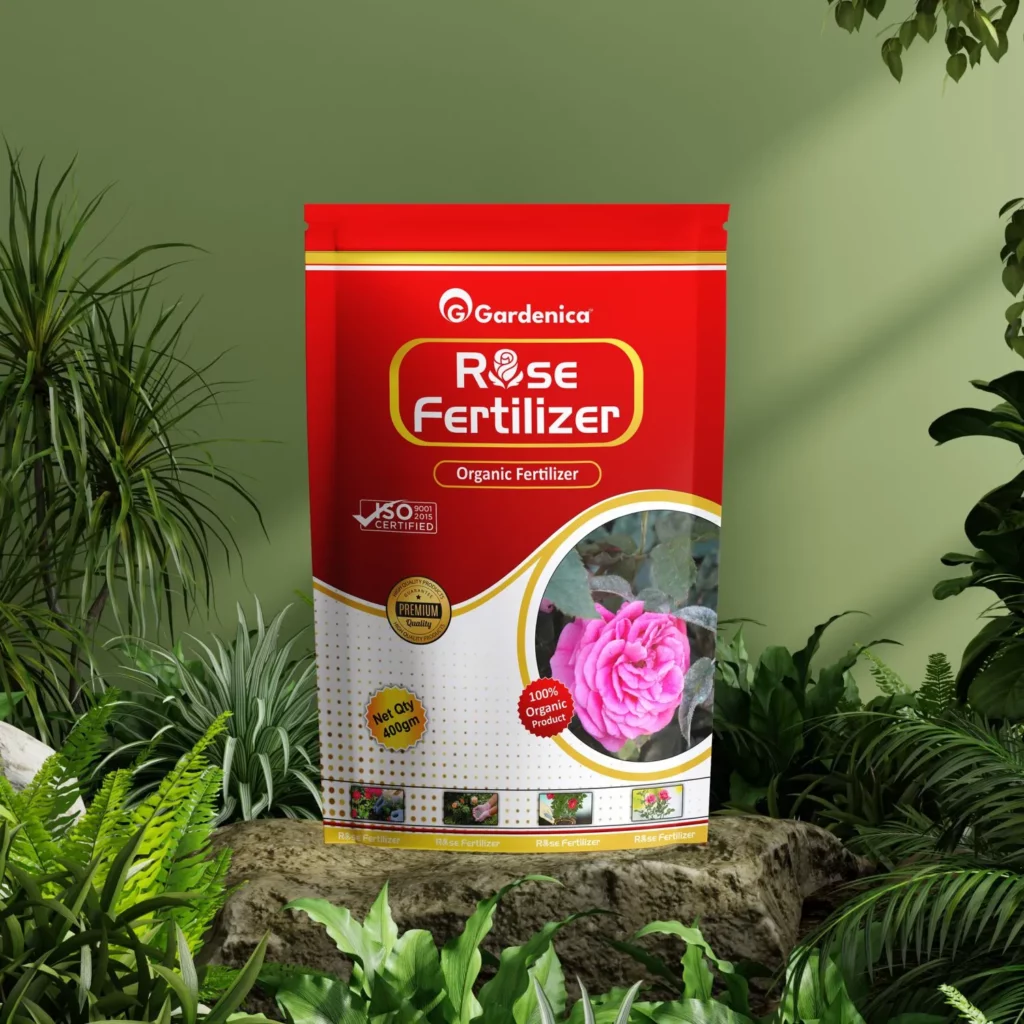
Read more: Explore Gardenica Rose Fertilizer
Why Vinca Suits Balconies
Vinca takes the hot, dry air that makes petunias droop on the same railing. In coastal Mumbai and Chennai it flowers almost year round, while in North India it slows in a January frost and picks up again in February. Upright types grow 30-45 cm tall into a bush, while trailing types run 60-90 cm along a railing. Seed germinates in a week, but a nursery plant gives flowers a month earlier.

Pot Size and Drainage
Vinca roots rot in soil that stays wet, so the pot matters more than the feed. A 10-inch pot is the sweet spot for one plant: enough soil to hold moisture through a sunny afternoon, small enough that the roots fill it and the plant shifts into flowering. Bigger pots stay wet and grow leaves instead of flowers. Clay suits it best because the walls dry out.
- 8-10 (Plants Per Pot: 1; Note: Best for flowering on a balcony)
- 10-12 (Plants Per Pot: 2; Note: Space the stems apart)
- 12-14 (Plants Per Pot: 3; Note: For a trailing ground cover)
Soil Mix That Drains Fast
A heavy garden-soil mix holds winter moisture against the stem and brings on stem rot, the usual reason a healthy-looking plant collapses overnight. Mix these by volume and moisten before potting:
- Two parts loam. Ordinary garden soil, sieved once.
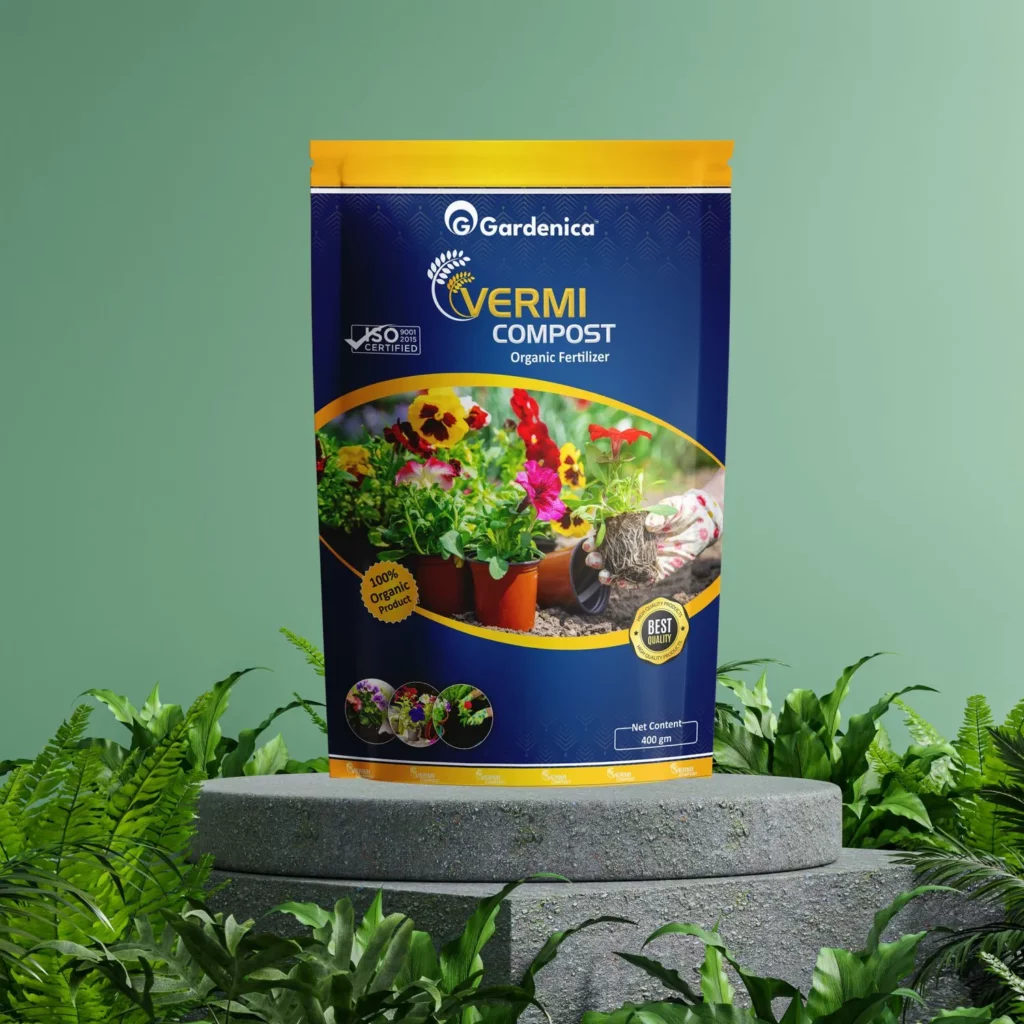
- One part vermicompost. Vermi compost feeds gently without making the mix soggy.
- One part coarse sand or perlite. This keeps the mix open; fine building sand will not.
- Half part cocopeat. Only if your tap water is hard.
Sunlight Is the Bloom Switch
This decides everything else. Vinca needs 5-6 hours of direct sun to set flowers. In shade it grows green, tall and almost flowerless, and no feed will fix that. A balcony with morning sun only can work if you move the pot to the sunniest corner by mid-October, when the sun drops lower. Rotate pots a quarter turn every third day, and take off any shade net.

Vinca will forgive an odd missed watering, but it will not forgive a shady corner.
Pinch and Prune for More Flowers
A single vinca stem flowers once at the tip and then sits there. Pinching forces two side branches, each carrying flowers, so a second pinch a fortnight later gives four to eight flowering branches instead of one.
- Pinch at four weeks. Remove the soft tip above the fourth leaf pair once 6-8 true leaves have opened.
- Pinch the side shoots. After 12-15 days, cut each new shoot above a leaf pair, leaving two or three leaves.
- Stop by late November. In North India stop by mid-November so energy goes into buds, not growth.
Feeding Schedule
Vinca is a light feeder, and too much nitrogen shows up within a fortnight as soft green growth with no buds. Follow the dose printed on each pack, and never feed a dry pot: water first, then feed.
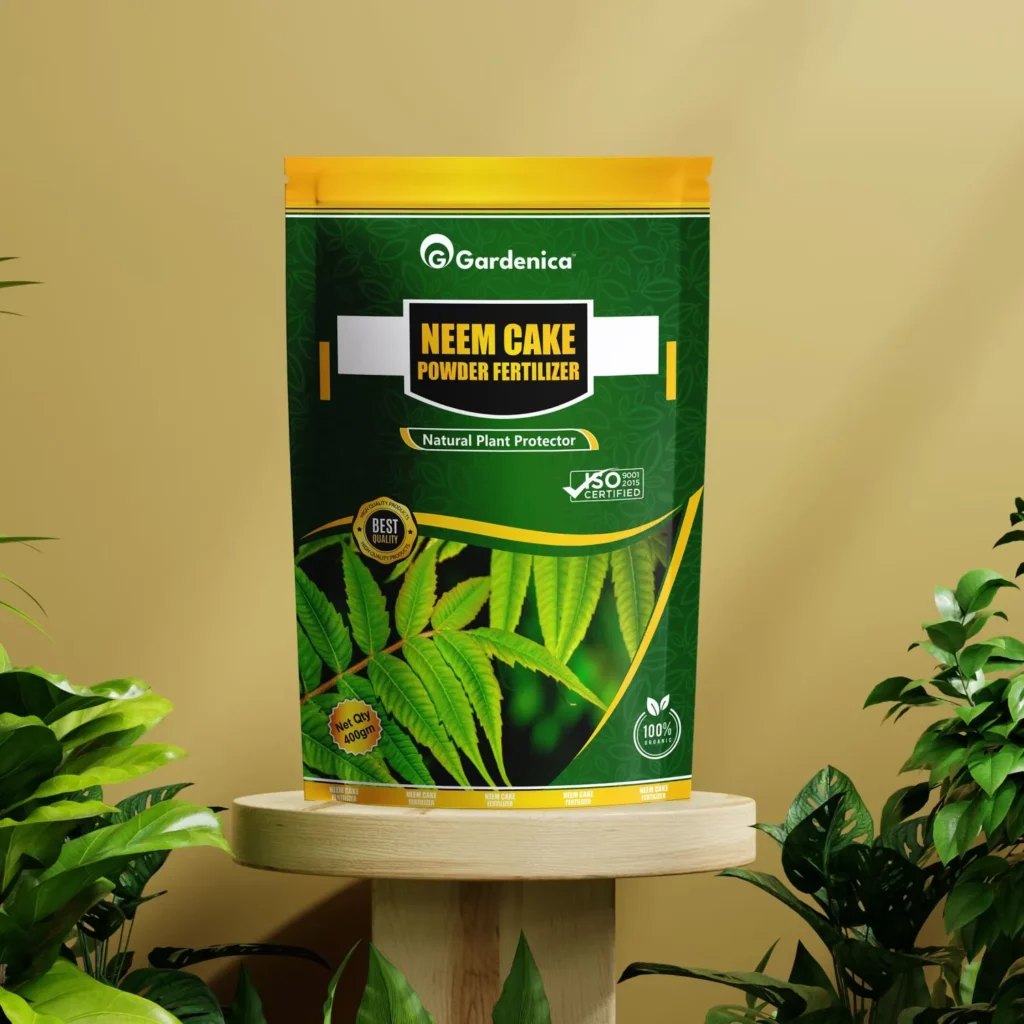
- Neem cake powder in the mix (Frequency (days): 45-60; Note: Mixed in at potting)
- Garden Booster (Frequency (days): 15-20; Note: Watered at the root)
- Rose Fertilizer (Frequency (days): 30; Note: From December onward)
- Seaweed extract (Frequency (days): 7-10; Note: Weak solution only)
Watering and Propagating
Water when the top 2 cm of the mix feels dry to a finger knuckle. On a North Indian terrace in January that is often every third day; on a sunny Pune balcony in February it can be daily. Winter over-watering is the fastest way to lose a vinca. Water at the root in the morning, and never leave a saucer full.
Fixing Vinca Problems
Diagnose by the leaf and the stem, then change one thing and wait a week before changing the next.
Have a question about this topic?
Chat on WhatsApp- No flowers, many leaves. Too much shade or too much nitrogen. Move the pot into full sun and drop the feed for three weeks.
- Yellow leaves, soft dark stem. Stem rot from wet soil. Empty the saucer and let the mix dry; see Root rot in potted plants.
- Sticky curled tips with black soot. Aphids on plants collect at growing tips. Spray a neem oil solution at the label dose in the evening, twice five days apart.
Safe Use at Home
Wear simple gardening gloves when pruning vinca, since the sap of the periwinkle family can irritate skin and is unpleasant in the eye; wash your hands afterwards. Keep cut stems and seed pods away from children and pets. Store feeds in their original labelled packs, closed and high up, and apply every product at the dose printed on its label.
What to Check Before You Buy
Nursery vinca is cheap, so a bad plant costs little but a wasted season costs months. Look at four things before paying.
- Pack size. Two or three 10-inch plants fill a railing run; buy one extra.
- Ingredients. A basic mix of loam, compost and sand is enough; skip a mix that is only cocopeat.
- Use per pot. One plant per 8-10 inch pot, and check the dose per litre printed on any feed.
Season Plan on a Terrace
Say you have four vinca pots along a Delhi balcony railing. In October you sow seed or pot up nursery plants and mix neem cake into the soil. November is pinching and hardening off into full sun. December brings the first flush. January frost weeks are the risky stretch: move pots in from the open edge, water only in warm morning hours, and skip feeding if the plant looks stalled. February is the best month and the time to take cuttings.
Frequently Asked Questions
How big should the pot be to grow vinca in pots?
A 10-inch pot for one plant is ideal. An 8-inch pot works for a dwarf type, and a 12-14 inch pot can take two or three trailing plants. Pots bigger than that hold too much winter water and the roots suffer.
How many hours of sun does vinca need to flower?
Five to six hours of direct sun. In less light the plant stays green and leafy and sets very few buds, which is the most common reason a balcony vinca never blooms.
When should I stop pinching my vinca plant?
Stop by late November in North India and by December in South India. After that the plant should spend its energy on buds, and a late pinch delays flowers by nearly a month.
Why are the leaves of my potted vinca turning yellow?
Soft yellowing with a dark lower stem means the soil is staying wet, so check the drainage holes and empty the saucer. Pale yellowing on dry soil usually points to feeding too strongly or too often.
Does vinca come back every year?
It is grown as a seasonal annual in most of India, though in coastal Mumbai and Chennai it can survive two winters. Take cuttings in February and raise fresh plants for the next winter.
Conclusion
To grow vinca in pots well, give it a 10-inch pot with a fast-draining mix, 5-6 hours of direct winter sun, two pinches before the buds form, and light feeding every two to four weeks. Fix problems one at a time, starting with water and sun. If your vinca has gone woody and stopped blooming, take cuttings now.
Start with two pots on the sunniest part of your balcony this month; Gardenica rose fertilizer plus a spoon of neem cake will carry them through the season, and for pot sizes or a mix for your city, Contact the Gardenica team on WhatsApp at +91 95120 17162.
Disclaimer: This article is general gardening information. Results vary with plant, pot, soil, weather and care. Always read and follow the product label.
Looking for more?
Continue to our main page to explore products and services.