Gladiolus in Pots: Plant Winter Bulbs Now for Spring Spikes
Gladiolus in Pots: Plant Winter Bulbs Now for Spring Spikes
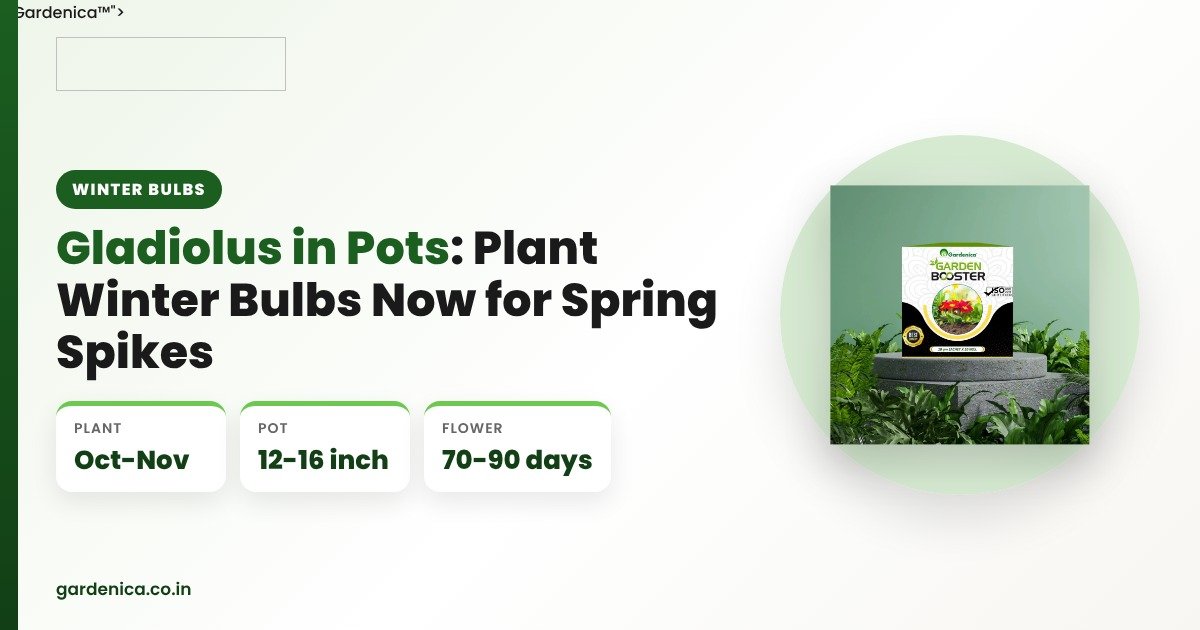
You bought a few gladiolus corms at the nursery, read "plant in winter" on the packet, and now they sit on the shelf while December slips away. That timing is the whole game with this flower. Planted in October or November, the corm roots in the cool soil and sends up a spike in 70-90 days. Planted in January, it often gives one thin stem and a bud that never opens.
This guide covers growing gladiolus (Winter Gandhraj) in pots on an Indian balcony or terrace: which corm size to pick, how deep to plant, the pot mix, the feeding and watering routine through winter, and how to stop a heavy spike from snapping in the wind.
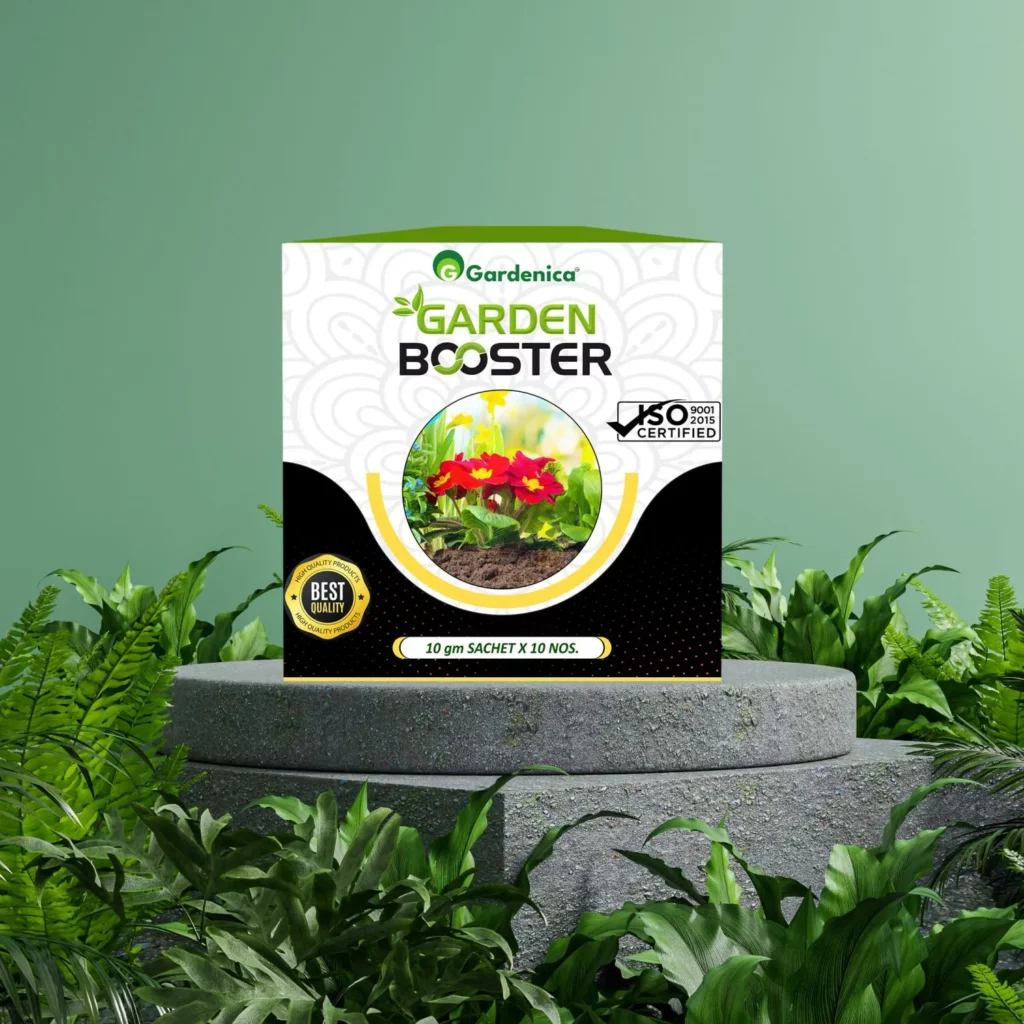
Read more: Explore Gardenica Garden Booster
Why November Planting Decides the Spike
Gladiolus needs 45-60 days of cool weather to build the flower bud inside the stem before the heat arrives. Night temperatures between 10-18°C do that work. Plant a corm in November and the bud sets in January, then the spike pushes out in February or March while nights are still cool. Plant the same corm in January and the bud forms in March heat, so it aborts or comes out pale and short.
Choosing Corms and the Right Pot
Inspect each corm before you spend anything. It should feel firm and heavy, dry on the outside, with a raised central bud and no powdery or sunken patches. A corm that squishes under thumb pressure is rotten and will only foul the pot.
- 6 inch pot. Two small corms, 3-4 cm each, for a compact window-box look.
- 10-12 inch pot. Three medium corms, 4-5 cm, the usual balcony choice.
- 14-16 inch pot or grow bag. Five to six large corms, 5 cm up, for a full flower stand.
The Potting Mix That Keeps Corms Alive
Corm rot is the most common reason a gladiolus pot goes silent, and it is nearly always a mix problem rather than a weather one. Garden soil alone holds water around the corm through December and turns it to mush. Build a mix that drains fast but does not dry out in a day, the same approach we cover in our Potting mix for kitchen gardens guide.
Planting Depth and Spacing Step by Step
Shallow planting is the second big failure. A corm planted 2 cm deep pushes up in the cold, tips over, and roots into air.
- Fill the pot halfway. Use the mix above, lightly firmed, no air pockets near the base.
- Set the corm pointed end up. Press it gently into the mix so the top of the corm sits 7-10 cm below the rim.
- Keep them apart. Space corms 10-12 cm across so leaves of neighbouring plants do not shade each other.
Watering Through Winter Without Rot
Water only when the top 2-3 cm of the mix feels dry. In December and January on a Delhi or Pune terrace that usually means once every 3-4 days, less on cloudy weeks. In February, as leaves multiply and the spike starts moving, the pot may need water daily.
Feeding for More Florets Per Spike
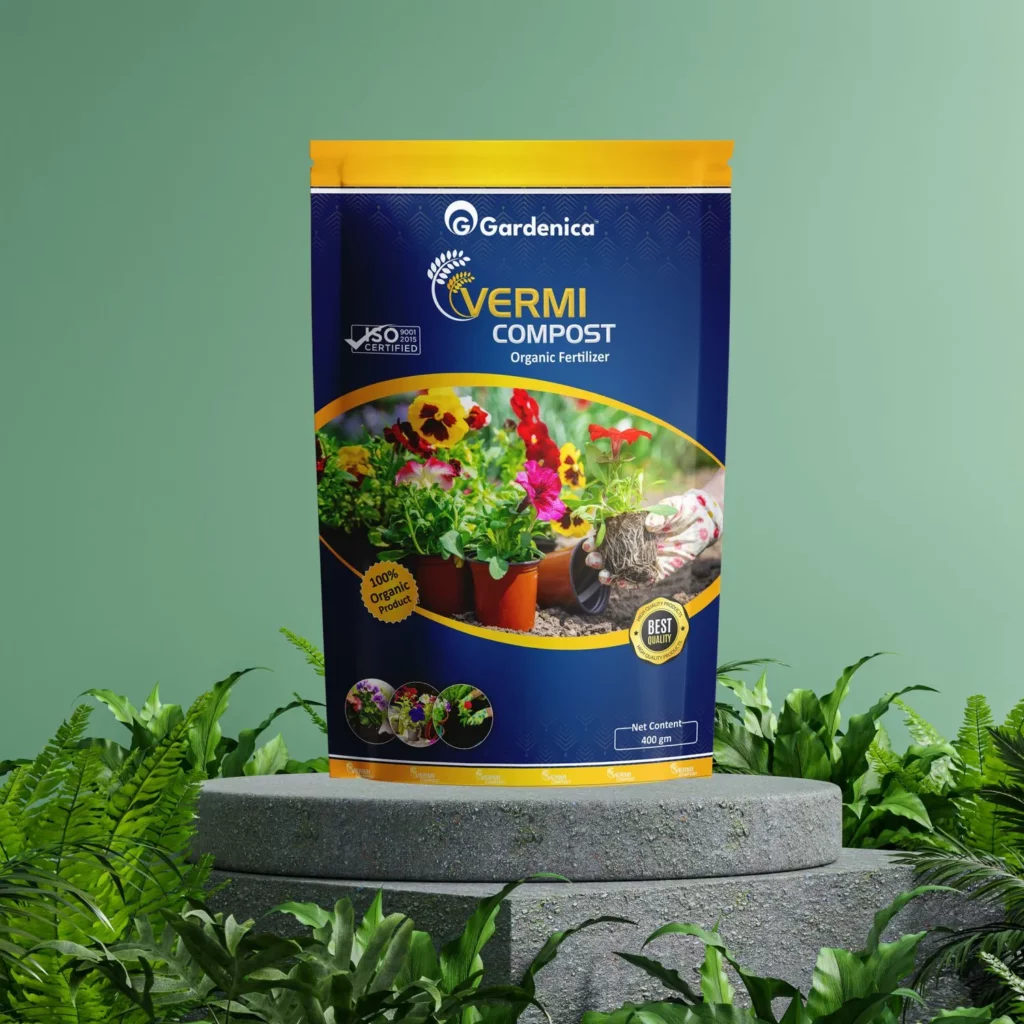
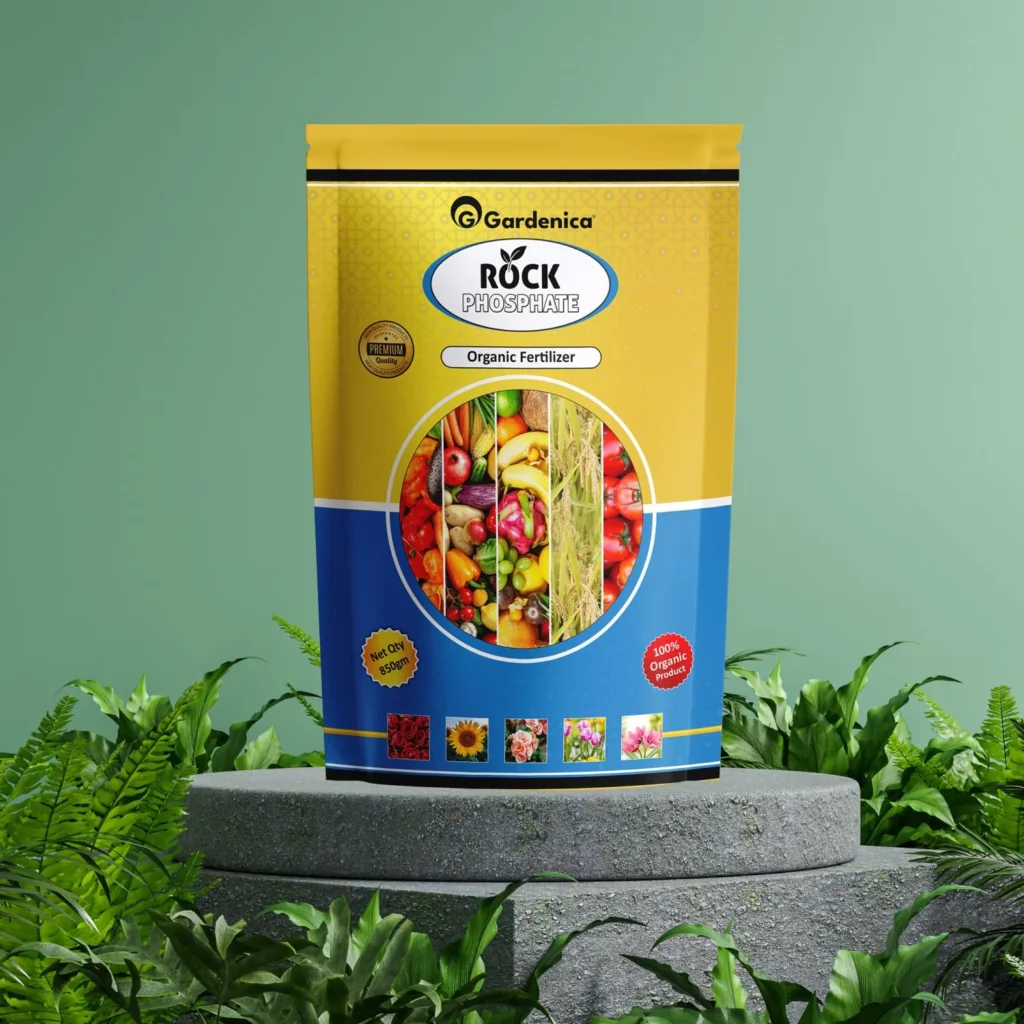
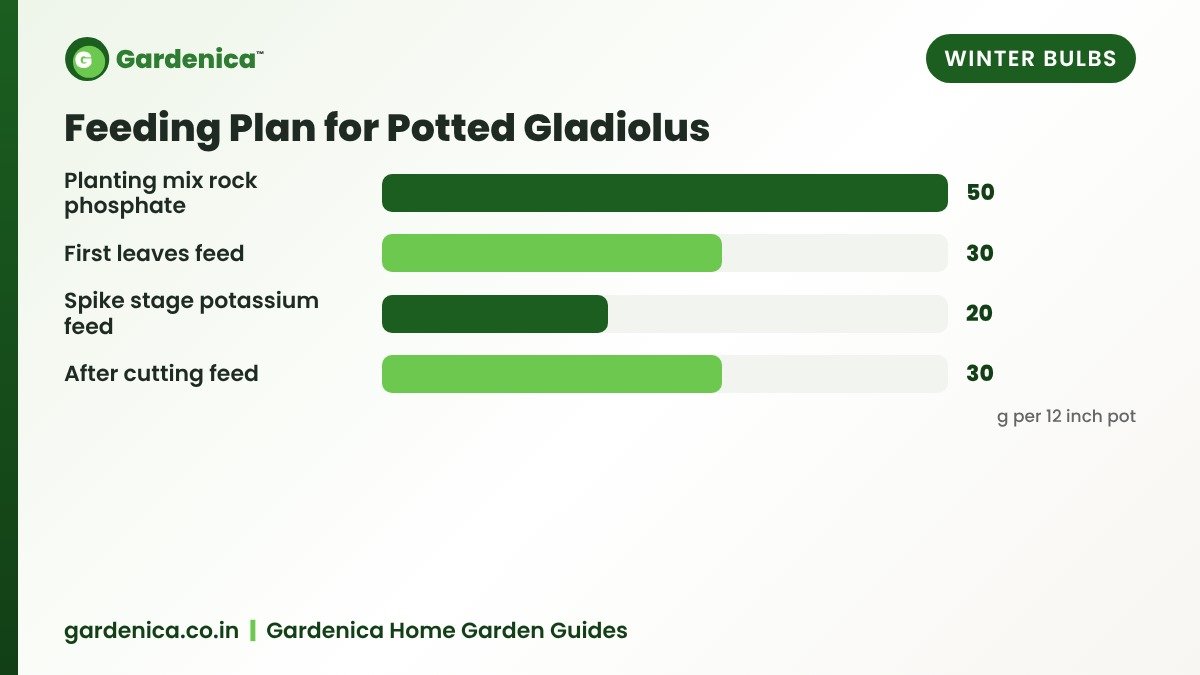
A corm feeds the first four leaves by itself. From then on, what you give shows up as floret count and stem thickness. Work 50 g of Bone meal or rock phosphate into the mix at planting for root and bud formation, then follow a schedule rather than guessing.
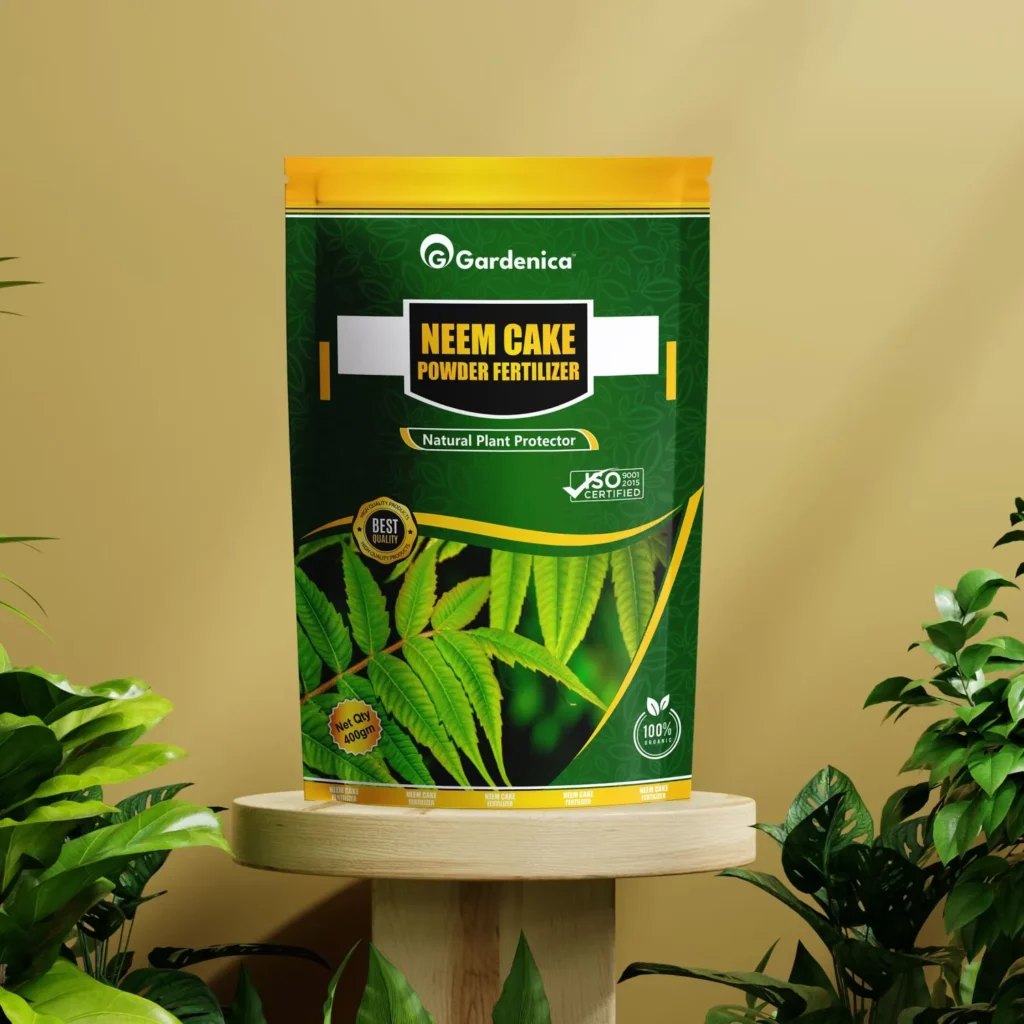
- Planting mix (Days From Planting: 0; Dose (g per 12 inch pot): 50 rock phosphate plus 100 neem cake)
- First leaves (Days From Planting: 25-30; Dose (g per 12 inch pot): 30 balanced organic feed)
- Six leaves (Days From Planting: 45-50; Dose (g per 12 inch pot): 30 balanced feed plus 50 garden booster)
Safe Use at Home
Wear gloves when handling corms and any product; corm skins and concentrated feeds irritate skin. Keep children and pets away from freshly treated pots, since corms are mildly toxic if chewed. Store products closed, labelled and out of reach, and never mix two products in one watering can. Read and follow the label on every pack, and keep spray work to a still evening.
What to Check Before You Buy
- Corm grade. Ask for 5 cm and above, sold by size rather than by weight.
- Pack count. Buy two or three more corms than you need, since a few never sprout.
- Pot depth. At least 12 inch deep, wider than tall is a mistake here.
Saving Corms for Next Winter
Once the flowers fade and the leaves begin to yellow, stop feeding and ease off water. Lift the corms after the leaves die back, cut the old stem off at the base, and shake the soil away. Dry them in shade for 2-3 weeks with good air movement, then peel the loose outer skin. Store in a mesh bag or a crate of dry sand in a cool, dry place, never in a sealed plastic box. A healthy mother corm often leaves one or two new cormels beside it; grow those on in a shallow tray for a season and they will carry a proper spike the next winter.
Have a question about this topic?
Chat on WhatsAppFrequently Asked Questions
When should I plant gladiolus corms in pots in India?
Plant in October and November in the plains, with a last late-November batch for staggered blooms. December planting still works in North India but pushes flowering into late March heat, which shortens the spikes.
How deep should gladiolus corms be planted in a pot?
Set the corm so its top sits 7-10 cm below the rim of a half-filled pot, then top up the mix as the plant grows. Shallow planting makes the plant fall over and root into air.
What size pot do I need for gladiolus?
Use a 12-16 inch deep pot for three to six large corms, or a 10-12 inch pot for three medium corms. Pots under 8 inch cannot hold enough depth for a tall spike to stay upright.
Why is my gladiolus giving leaves but no flower?
Usually a corm under 4 cm, fewer than 6 hours of direct sun, or late nitrogen. Move the pot into full sun, feed once at the six-leaf stage and keep the corm for the next winter.
How many days does gladiolus take to flower from a corm?
Large corms flower in 70-90 days in cool weather, and smaller ones in 90-110 days. Cold December weeks slow the schedule but improve bud quality.
Should I cut gladiolus flowers or leave them on the plant?
Cut the spike with a clean blade and leave at least three leaves behind. Cutting early in the day gives stems that last 7-10 days in a vase, and the remaining leaves refill the corm.
Can I reuse gladiolus corms next year?
Yes. Lift them after the leaves yellow, dry them in shade for 2-3 weeks, peel the loose skin and store in mesh or dry sand in a cool dry place. Discard any corm that feels soft or powdery.
Conclusion
Gladiolus in pots comes down to four decisions: a corm at least 4-5 cm across, a pot at least 12 inch deep, a mix that drains fast, and planting in October or November so the spike forms in 70-90 days of cool weather. Get those right and one pot gives a stem that fills a vase for a week. Plant a few pots two weeks apart and you will be cutting flowers from February through April instead of all at once.
Start with Garden Booster and a balanced organic feed in the store cupboard before your corms go into the pots, and Contact the Gardenica team on WhatsApp at +91 95120 17162 if you want a feeding plan for your balcony.
Disclaimer: This article is general gardening information. Results vary with plant, pot, soil, weather and care. Always read and follow the product label.
Looking for more?
Continue to our main page to explore products and services.