Kalanchoe Not Blooming: How to Fix It in Pots This Season
Kalanchoe Not Blooming: How to Fix It in Pots This Season

You bring a Kalanchoe home from the nursery in full flower and it looks perfect on the balcony rail. Six weeks later the flowers are gone, the plant looks healthy, and no new bud appears no matter how carefully you water. That is the usual complaint behind Kalanchoe not blooming, and in most Indian balconies the cause is light and water rather than a tired plant.
This guide covers the five reasons a potted Kalanchoe goes blind, how to tell which one applies to your pot, and the 45-60 day routine that brings buds back.
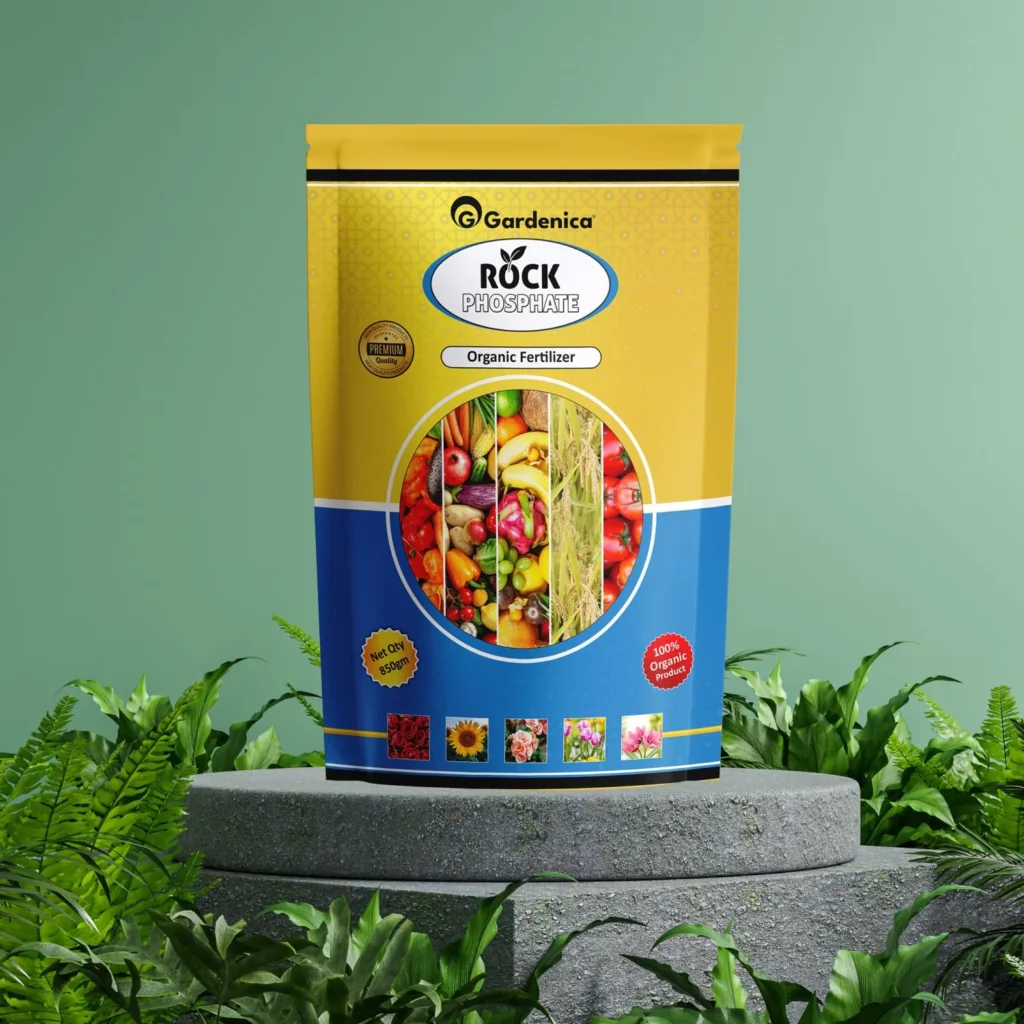
Read more: Explore Gardenica Rock Phosphate
What Your Kalanchoe Actually Needs
Kalanchoe (sold as Kalanchoe blossfeldiana) sets buds in response to day length. It is a short-day plant, so budding starts only when nights run long and uninterrupted. In Indian plains that window is roughly October to February, which is why nursery plants arrive in bud in November and stop by March.

Three conditions have to line up: 4-6 hours of direct winter sun, nights of 12-14 hours with no artificial light on the leaves, and a root run that is slightly tight rather than sitting in wet mix. Miss one and the plant keeps making leaves.
The Five Reasons Buds Never Start
Work through these in order. Most pots fail on the first two.
- Too little light. Below four hours of direct winter sun the plant grows soft, tall leaves and no buds, common on balconies shaded past 10 am.
- Night light breaks the dark period. A balcony tube light or porch bulb on from 7 pm resets the plant's clock.
- Watering on a schedule. Kalanchoe stores water in its leaves, so morning watering the way you would a tomato keeps roots saturated.
- Too much nitrogen. Fresh cow dung or a heavy vermicompost top-dressing pushes leafy growth and delays buds for weeks.
Give the Plant a Proper Dark Period
This is the fix that works on a plant that is otherwise happy and just refuses to flower.

- Pick the dates. Start in late November or December, after the old flush has finished.
- Keep the pot dark from 6 pm to 6 am. A closed utility room, a covered corridor or a cardboard box works. No light should land on the leaves.
- Water in the morning, before covering. Never cover a wet root ball, and make sure the pot drains freely.
Feed for Buds, Not Leaves
Kalanchoe is a light feeder. A 6-8 inch pot needs a spoonful of organics at the start of the season and very little after that, and the balance between phosphorus and nitrogen matters more than the quantity. Work the dry inputs into the top inch in November, water in, and leave it. Liquid feeds go at half the label strength, once a month.
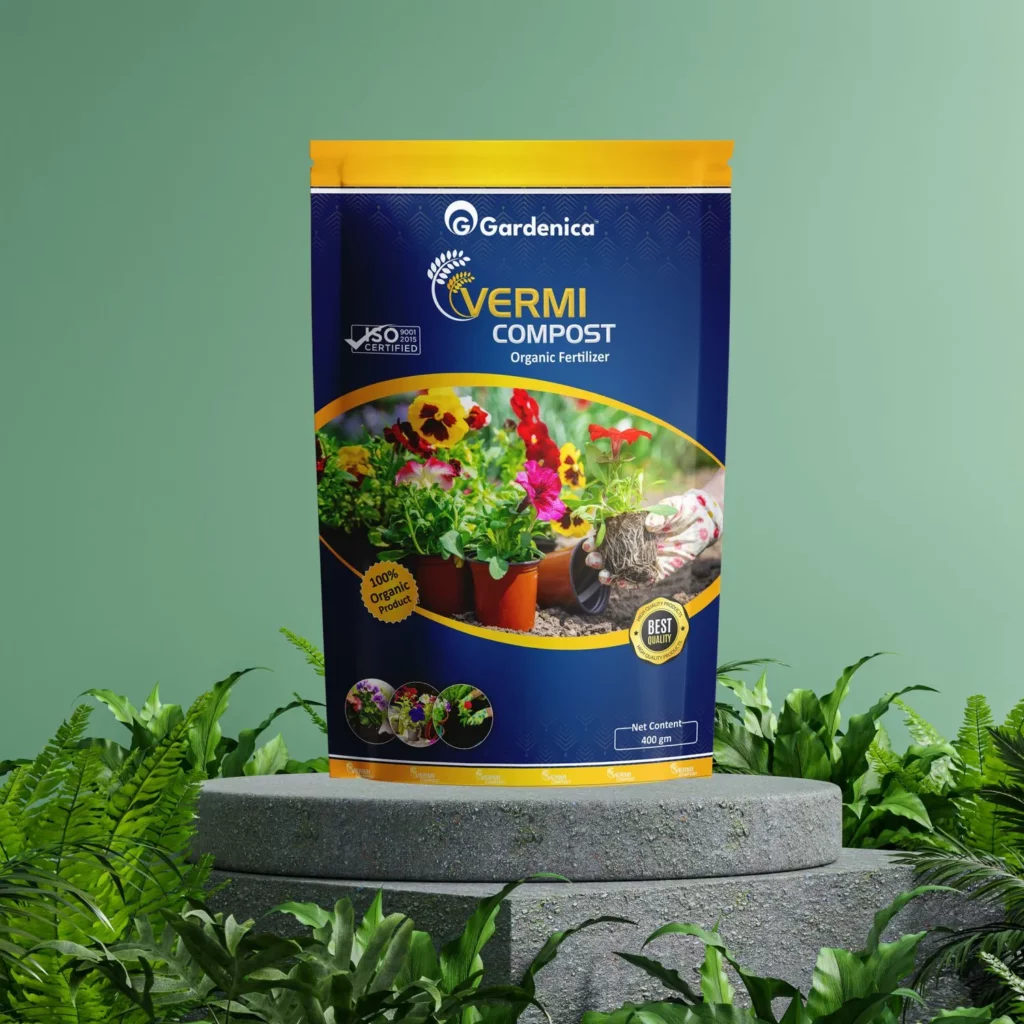
- Vermicompost (Dose (g): 100-150; When: Once, early November)
- Neem cake powder (Dose (g): 20-25; When: Once, with the vermicompost)
- Rock phosphate (Dose (g): 15-20; When: Once, early November)
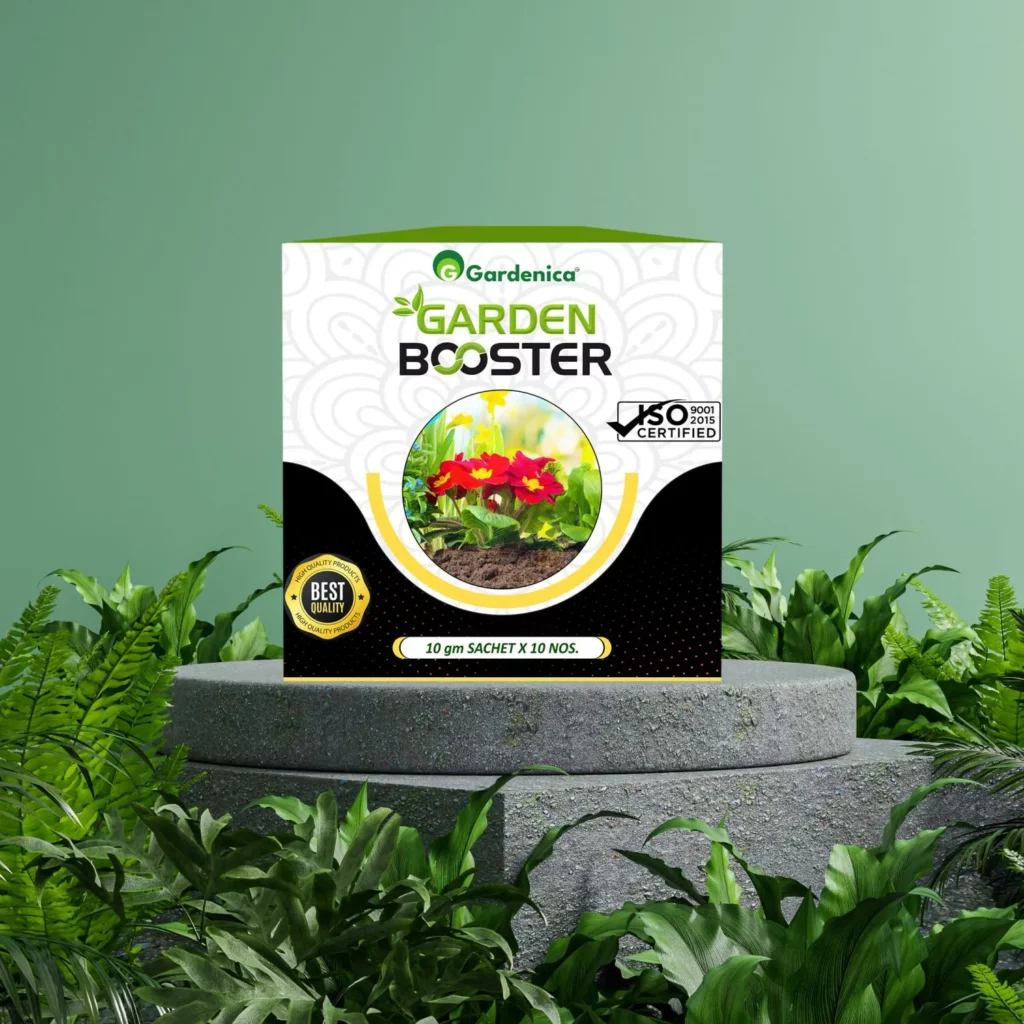
- Garden Booster (Dose (g): 5-10; When: Once a month)
Water Like a Succulent
Kalanchoe roots rot easily, and the plant signals thirst through its leaves rather than the soil surface.
- Feel the mix, do not read a calendar. Water when the top 2-3 inch is dry and the lower leaves feel slightly less firm.
- Water once, thoroughly. Soak till water runs from the holes, then empty the saucer.
- Cut back in the dark-period weeks. In December and January a balcony pot often needs water only every 5-7 days.
- Use morning water at room temperature. Cold tap water on a warm root ball can drop young buds.
Prune the Old Flush
A spent stem keeps feeding a seed capsule instead of a new bud, so deadheading matters even though the flowers fade cleanly.
- Pinch at the joint. Snap the flower stem where it meets the first pair of leaves. Do not leave a stub.
- Trim leggy shoots after the flush. Cutting back 2-3 inch of soft growth keeps the plant bushy and creates more bud tips.
- Remove lower yellowing leaves. These sit in the damp zone near the soil and are where rot starts.
- Do not hard-cut in bud season. Once bud dots show in January, leave the plant alone.
Pot Size and Mix
Kalanchoe flowers best when slightly pot-bound, and a 6-inch plant in a 10-inch pot spends its energy on roots and leaves. Use a 5-6 inch pot for a young plant and 6-8 inch for a flowering one, in terra cotta rather than plastic, with two clear drainage holes. Blend roughly 40 percent garden soil, 30 percent coarse sand and 30 percent compost so it drains like a cactus mix; a ready Potting mix for kitchen gardens works once you add an extra part of sand. Repot only after flowering, since root disturbance in bud season drops every bud, and keep the pot on a stand so a hot terrace floor does not bake the roots.
Have a question about this topic?
Chat on WhatsAppLate Bud Drop and Other Fixes
Sometimes the buds come and then fail. Match the sign to the cause before buying anything.
- Green tips, no colour after 8 weeks (Likely cause: Light or night light; What to do: Repeat the 30-45 day dark period, move to 5-6 hours sun)
- Buds yellow and drop (Likely cause: Cold draft; What to do: Keep away from AC ducts and open windows at night)
- Bud tips brown and dry (Likely cause: Thrips inside the bud; What to do: Inspect at dusk, remove damaged buds, spray at label dose)
Safe Use at Home
- Wear gloves when pruning. Kalanchoe sap irritates sensitive skin and brittle stems throw small fragments.
- Keep it away from pets and small children. The flowers are the tempting part.
- Read the label before spraying or feeding. Follow the printed dilution and never mix two products in one watering.
- Spray in the evening. Sun on a wet leaf in a winter afternoon scorches the edges.
Frequently Asked Questions
How long does it take for a kalanchoe to bloom again in a pot?
Expect 45-60 days from the start of the dark period to visible buds, and 60-75 days to open flowers, provided the plant gets 4-6 hours of direct winter sun and is not overwatered.
Should I cut off kalanchoe flowers after they fade?
Yes. Pinch the spent stem where it meets the first pair of leaves. Leaving it lets the plant set seed instead of pushing new buds.
Does kalanchoe need darkness to flower?
It is a short-day plant, so it needs 12-14 hours of uninterrupted darkness each night for 30-45 days to start buds. A balcony light left on at night is the most common reason this fails.
What is the best fertilizer for kalanchoe in pots?
A light feeding works best. Use about 100-150 g of vermicompost and 15-20 g of rock phosphate worked into the top layer of a 6-8 inch pot in November, then stop nitrogen from mid-December.
Why are my kalanchoe buds turning brown before opening?
Usually thrips inside the bud, or a dry, breezy spot. Inspect the cluster in evening light, remove damaged buds and spray a botanical product at the label dose.
Can I keep kalanchoe indoors on a windowsill?
Yes, on the sunniest south or west window you have, where it gets several hours of direct winter sun. Keep it out of any room where a light burns late into the night.
When should I repot a kalanchoe?
Only after flowering finishes, typically in February or early March. Repotting while buds are forming drops them, and the plant flowers best when slightly root-bound.
Conclusion
If your Kalanchoe not blooming problem came down to one thing, it is this: give long uninterrupted nights, lean phosphorus-forward feeding and a dry side of watering, and a healthy winter plant responds in 45-60 days. Prune the old flush at the leaf joint, keep the pot snug and gritty, and hold the routine through January before you judge it.
Run the dark-period routine on one pot this month so you can see the bud dots for yourself, then apply it to the rest. For the right phosphorus and compost inputs for your pot size, see Gardenica's product range or Contact the Gardenica team on WhatsApp at +91 95120 17162.
Disclaimer: This article is general gardening information. Results vary with plant, pot, soil, weather and care. Always read and follow the product label.
Looking for more?
Continue to our main page to explore products and services.