How to Use Humic Acid in Pots: Feeding Roots in Winter Pots
How to Use Humic Acid in Pots: Feeding Roots in Winter Pots

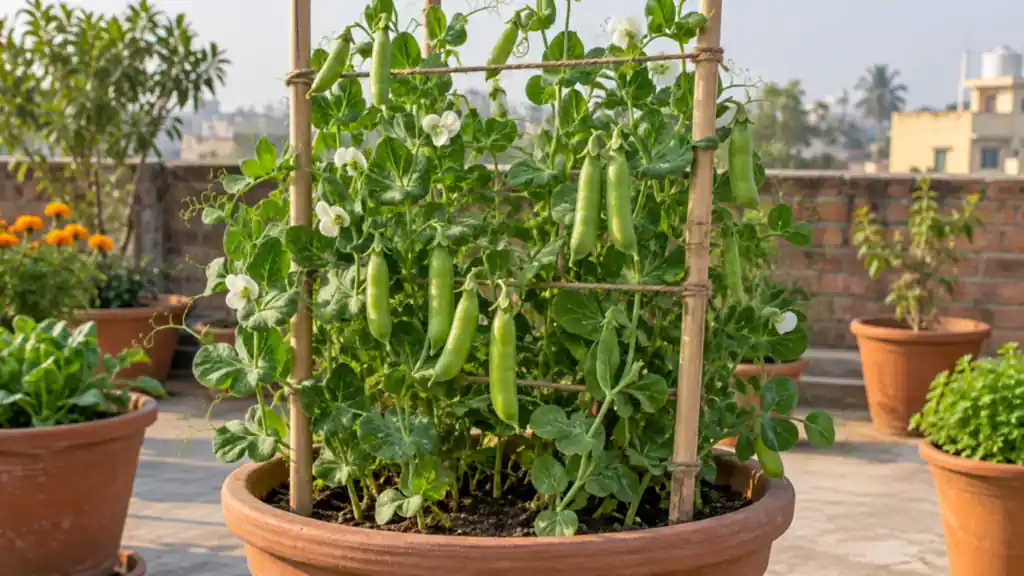
Winter on an Indian terrace does something quiet to your pots. The soil stays wet for two days, the roots stop pushing, and a tomato that grew three new leaves a week in October now shows one. Feeding more fertiliser then usually makes it worse, because the problem is not a shortage of food. It is that roots cannot reach the food already sitting in the mix.
That is where humic acid in pots earns its place. It is a soil conditioner from well-decomposed organic matter, and it works on the root zone: holding nutrients where roots can take them, loosening the film around old mix, and helping roots branch. Here is what it does in a pot, the dose by pot size, and a winter schedule you can follow.
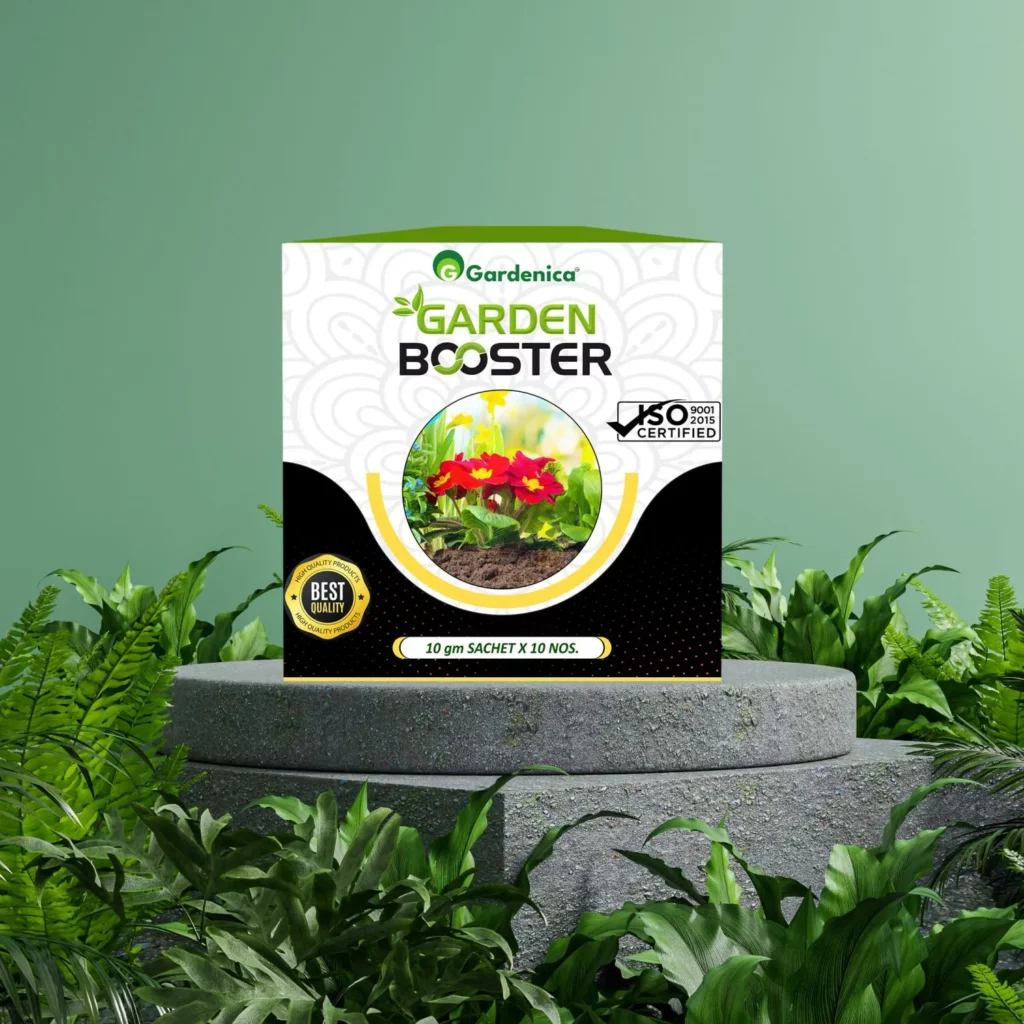
Read more: Explore Gardenica Garden Booster
What Humic Acid Does in a Pot
A pot is a closed system. There is no surrounding soil to borrow nutrients or microbes from, so whatever you mix in has to keep working for months. Humic acid helps that mix hold on to the nutrients you add instead of letting them wash out through the drainage hole.

- Nutrient holding. Humic particles carry charges that grip nutrients such as potassium, calcium and magnesium, so they stay in the mix instead of leaching away.
- Root branching. More side roots and healthier tip growth are commonly reported with humic amendments, which matters in the small volume of a pot.
- Soil texture. In tired, compacted mix it binds fine particles into small crumbs, so water and air move again.
Signs Your Pots Need It
Humic acid is easy to oversell, so look for signs you can see without digging anything up.
- White crust on the surface. Salt left behind by hard tap water and fertiliser.
- Water runs straight through. A pour that drains in seconds and leaves the middle of the root ball dry.
- Fertiliser stops showing. Same dose, same schedule, and the leaves stop responding.
- Mix gone grey and hard. A year-old mix that has shrunk away from the pot edge.
How to Apply It the Right Way
Humic acid comes as a black granule or powder that dissolves in water, or already blended into a product. The method is the same either way.
- Scratch the surface. Loosen the top 2-3 cm of mix by hand, without cutting visible roots.
- Measure the dry dose. Use the amount for your pot size from the table below, at the rate on the pack.
- Dissolve it first. Stir the powder into a mug of warm water, then top up to a full watering can.
- Water lightly beforehand. Damp mix makes the solution spread sideways instead of channeling down one crack.
- Apply on a winter morning. Give it as the day's watering in the sun, not on a cold evening.
Dose by Pot Size
More is not better. Heavy doses can tie up iron and coat roots in a film that slows them down. Treat these as starting points for the pack in your hand.

- 6-8 (Dry Dose (g per pot): 1-2)
- 10-12 (Dry Dose (g per pot): 3-5)
- 14-16 (Dry Dose (g per pot): 6-8)
- Grow bag (Dry Dose (g per pot): 15-20)
A 12-inch tomato pot takes about 3-5 g, roughly half a teaspoon, dissolved and watered in. A full grow bag takes 15-20 g. If your product is a liquid or a blend such as Garden Booster, follow its label rate instead of these gram figures.
Winter Feeding Schedule
December and January are slow months on most terraces. Roots are active but unhurried and the mix stays wet longer, so a light regular rhythm beats one heavy feed.
- Mix refresh (Days: 0; What to Do: Work dry granules into the top 3 cm)
- First drench (Days: 1-2; What to Do: Water in the measured dose)
- Second drench (Days: 15; What to Do: Repeat after a light plain watering)
- Third drench (Days: 30; What to Do: Repeat only if growth is still slow)
- Maintenance (Days: 45 onward; What to Do: Once a month until summer)
Pair It With the Right Inputs
Humic acid does one job well and works better beside inputs that do different jobs.
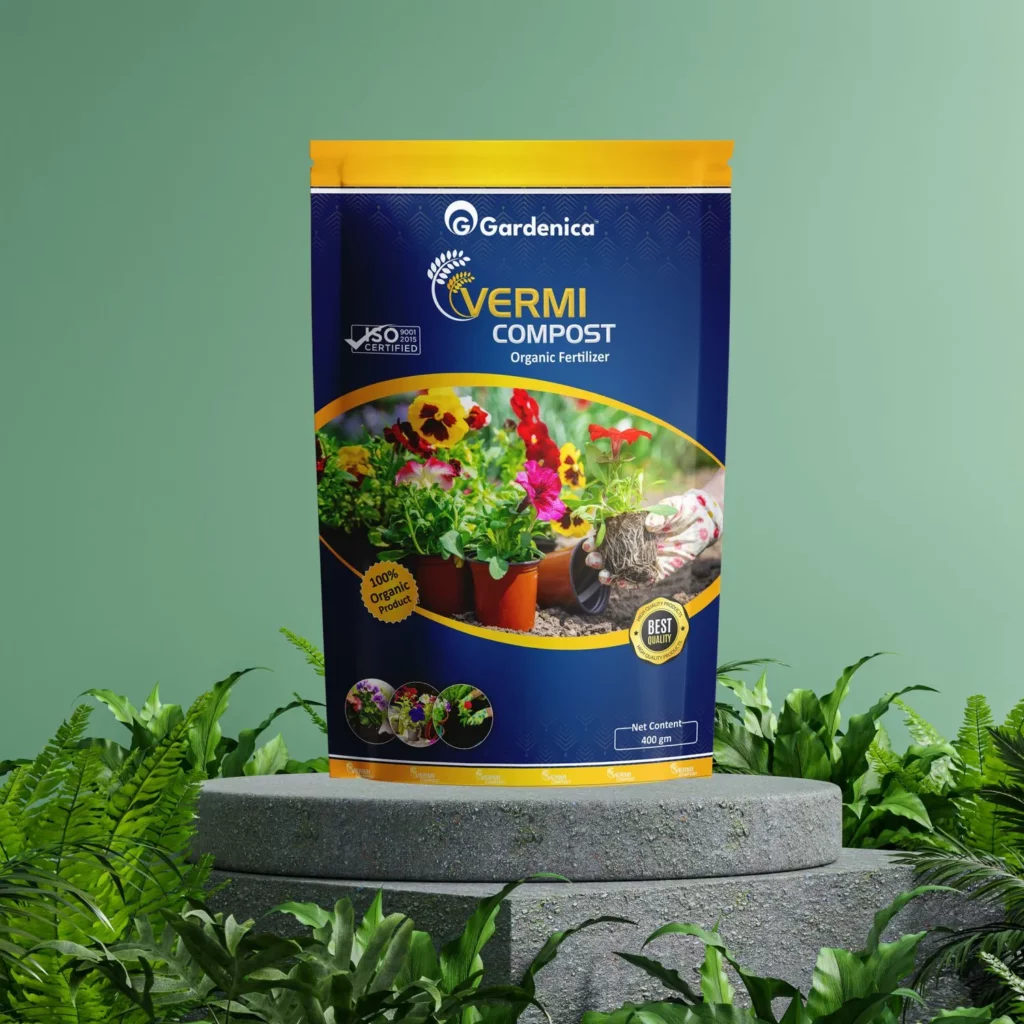
- Vermi Compost (What It Adds: Microbes and organic matter; Best Use: A quarter of any fresh mix)
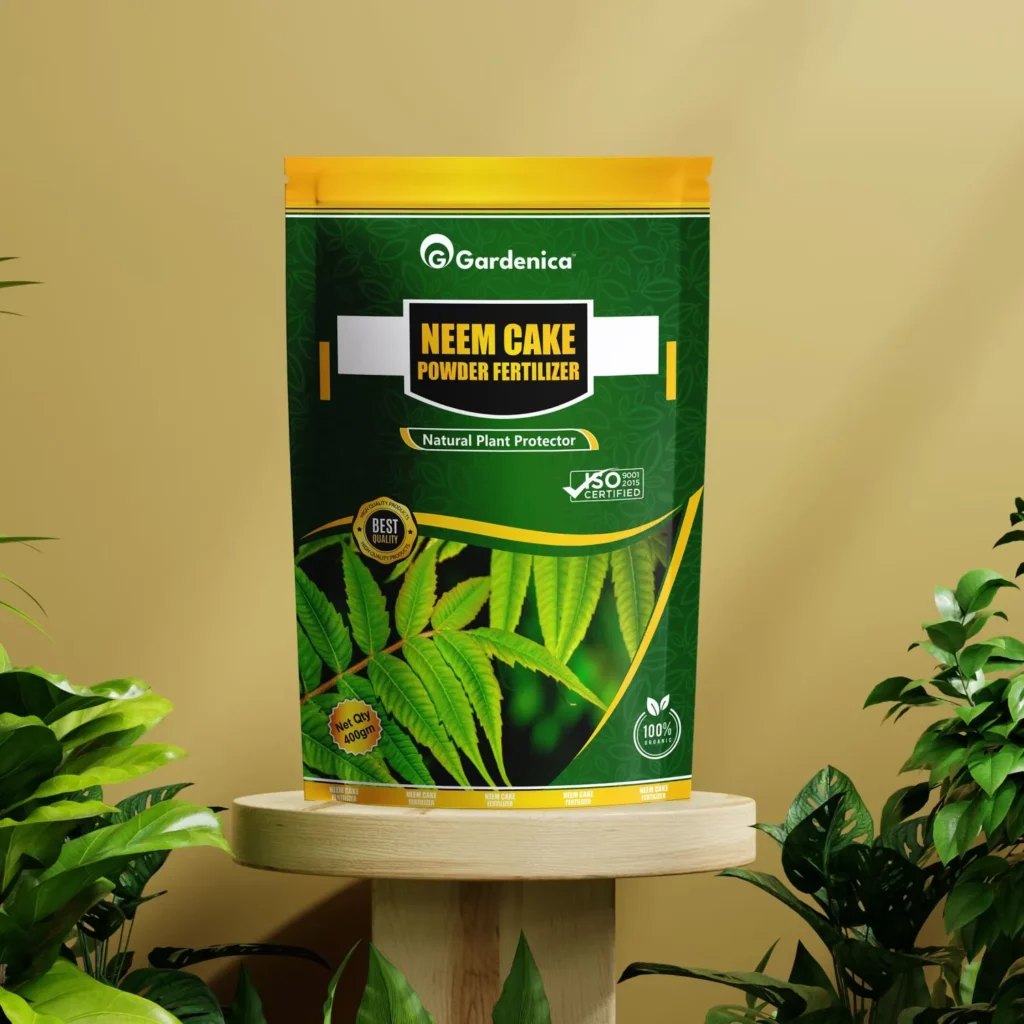
- Neem Cake Powder (What It Adds: Slow nitrogen; Best Use: Handful per pot, monthly)
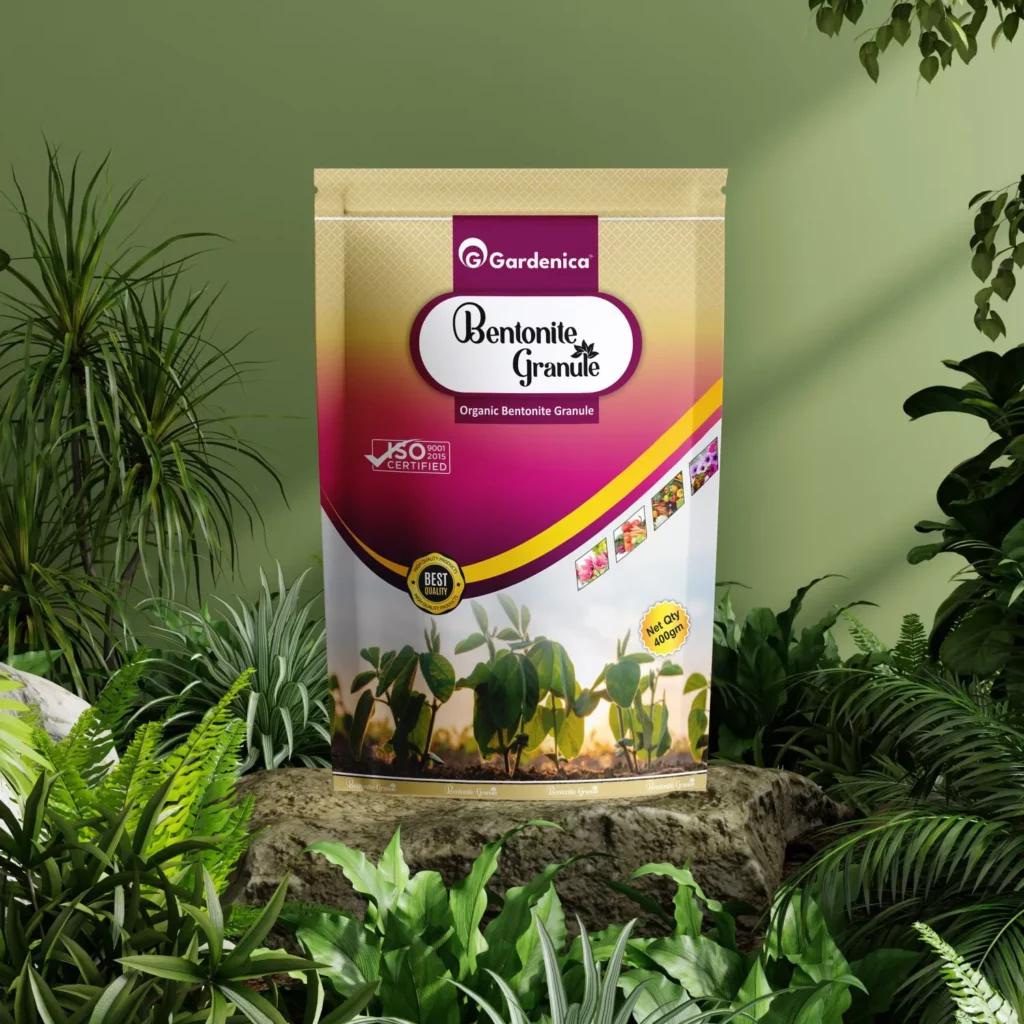
- Bentonite Granules (What It Adds: Structure and water holding; Best Use: Sandy or coco-heavy pots)
- Rock Phosphate (What It Adds: Phosphorus for roots and flowers; Best Use: Mixed in at planting)
Mistakes That Waste It
Most failures here are application failures.
- Dumping a heavy dose in one pot. It scorchs the surface and never reaches the roots.
- Treating it as a fertiliser. It carries very little nitrogen, so plants still need proper feeding.
- Applying to bone-dry mix. The solution runs down cracks and misses the root ball.
- Mixing it with alkaline products. Hard alkaline water can drop humic out of solution as a dark sludge.
- Expecting a week's result. Root response shows in 15-20 days.
One caution: humic acid will not rescue a pot with root rot. If the mix smells sour and stems go limp after watering, repot into fresh mix following How to treat root rot in potted plants.
Have a question about this topic?
Chat on WhatsAppSafe Use at Home
Humic powder is a dark, staining dust, so handle it like soil rather than a cleaner.
- Wear gloves. The powder sticks to skin and nails; it is messy rather than dangerous.
- Keep children and pets back until it dries. The wet solution is slippery on tiles.
- Store it sealed and dry. It drinks moisture from monsoon air and sets into a block.
- Read the label rate. The pack rate beats any general figure.
What to Check Before You Buy
A bag of granules and a bottle of liquid humate are not the same purchase.
- Pack size against pot count. A 500 g pack covers a dozen 12-inch pots for months at 3-5 g each.
- What is in it. Some are plain, others blend humic with micronutrients or seaweed, which changes how often you apply.
- Solubility. Powders that dissolve cleanly suit drenches; coarse granules are better worked in dry.
- Use per pot on the pack. Where the label and a general guide disagree, trust the label.
Frequently Asked Questions
Is humic acid a fertiliser for potted plants?
No. It carries very little plant food of its own. It works on the mix, holding nutrients and improving the root zone, so your regular fertiliser is used better. Keep feeding as usual.
How much humic acid should I use in a 12-inch pot?
About 3-5 g of dry product per pot, dissolved and applied as the day's watering, or the rate on your pack if it differs. Half a teaspoon is a fair estimate.
Can I use humic acid every week?
Not needed and not helpful. Once every 15 days through winter, then once a month in warmer months, is plenty. Heavy repeat dosing can tie up iron.
Is humic acid safe for vegetables and herbs I eat?
Yes, when applied to the soil at the label rate. It is a soil conditioner, not a leaf spray. Wash harvests as you normally would.
What is the difference between humic acid and vermicompost?
Vermicompost adds organic matter, microbes and some nutrients, and forms part of your mix. Humic acid is a concentrated fraction used in small amounts as a drench. They do different jobs and work well together.
When will I see a difference in my pots?
Usually in 15-20 days, first as better water movement through the mix, then as a fuller set of new leaves. If nothing changes after three applications, look at drainage, pot size or light.
Conclusion
Humic acid in pots is a conditioning step, not a shortcut. It helps tired mix hold nutrients, loosens around roots and makes the fertiliser you already spend on do more, which is exactly what a slow winter root season needs. Start with the dose for your pot size, keep a 15-day rhythm through December and January, and pair it with vermicompost and neem cake rather than replacing them.
For a ready-made humic and micronutrient blend, see Garden Booster, or Contact the Gardenica team on WhatsApp at +91 95120 17162.
Disclaimer: This article is general gardening information. Results vary with plant, pot, soil, weather and care. Always read and follow the product label.
Looking for more?
Continue to our main page to explore products and services.