How to Grow Amla in a Pot: Pot Size, Mix and Pollination
How to Grow Amla in a Pot: Pot Size, Mix and Pollination

Most terraces stop at tomatoes, chillies and a lemon tree. Amla (Indian gooseberry) is the pot fruit people forget. If you have been searching how to grow amla in a pot, the pot and the mix decide most of your success, not the fertiliser.
Why Amla Works in a Pot
Amla is a hardy tree of the Gujarat and Maharashtra belt, so 40-degree terrace summers do not bother it the way they bother citrus. It grows slowly, and a grafted plant stays under 6-8 feet for years.
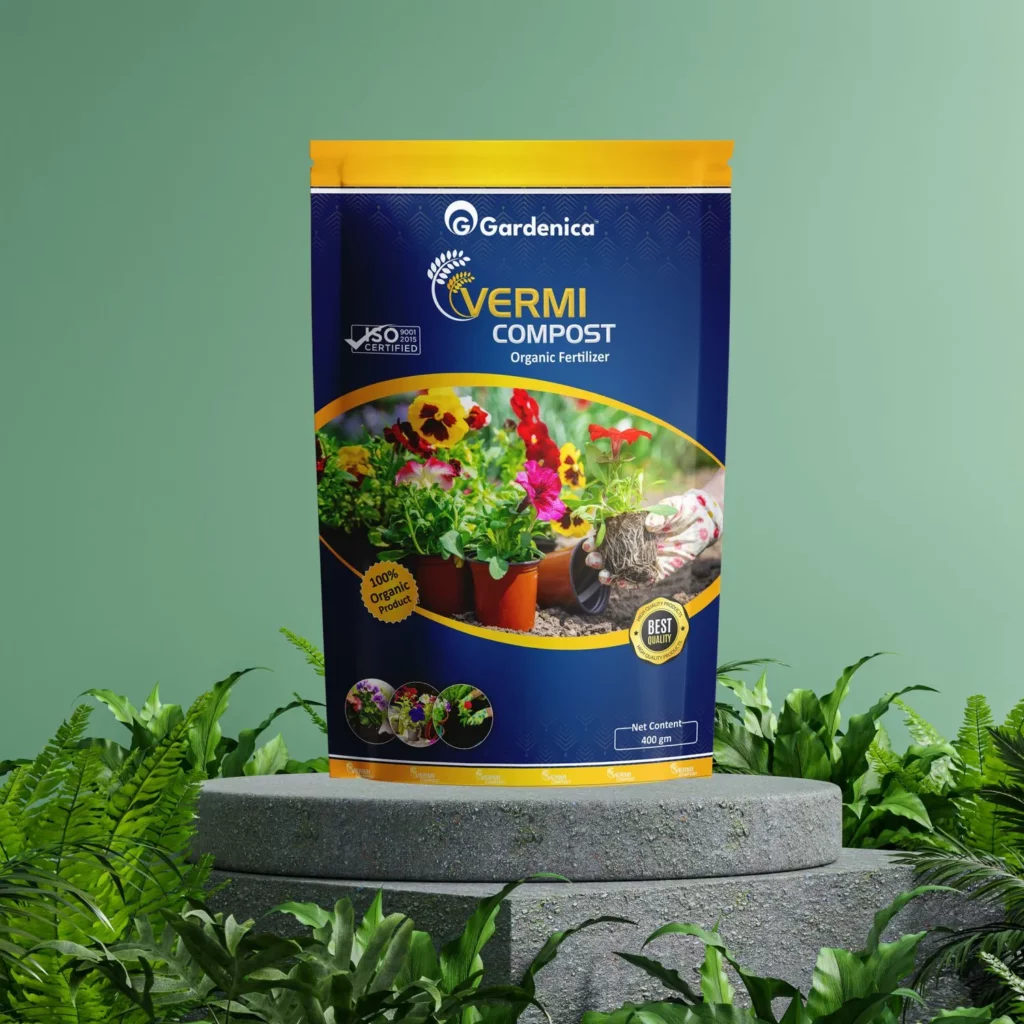
Read more: Explore Gardenica Vermi Compost
- Deep roots, small canopy. The taproot pushes down and branches stay compact, so a tall pot suits it better than a wide shallow one.
- Low water needs. Once roots hold the rootball, amla shrugs off a missed watering that would finish a tomato pot.
- Few feeds a year. Instead of fortnightly feeding, an amla pot wants a proper feed three or four times a year.
Pot Size and Potting Mix
Amla hates water standing at its roots, and most terrace failures come from a mix that stays wet. Choose the largest container your floor load allows, because soil volume sets both watering gaps and food storage.

- 16 (Soil volume (litres): 35-40; Note: First 1-2 years only)
- 20 (Soil volume (litres): 55-60; Note: Young grafted tree)
- 24 (Soil volume (litres): 80-90; Note: Long-term terrace pot)
- 30 (grow bag) (Soil volume (litres): 110-120; Note: Biggest crop per plant)
Start a sapling in the 16-inch pot and move up after a year, since a young rootball in a huge mass of wet mix roots slowly.
Planting the Sapling
Buy a grafted or budded plant of a local variety from a nearby nursery. Seed-grown plants take 6-8 years to fruit and grow too large for pots.
- Soak the rootball. Water the nursery bag an hour before planting so the ball comes out whole.
- Set the graft high. Keep the graft union 2-3 inch above the soil level; burying it invites rot.
- Fill and press. Press the mix in with your fingers, never stamp with your foot.
- Water to drainage. Water slowly until it runs freely from the holes.
- Stake loosely. Tie the trunk to a bamboo stake with a loose loop.
- Shade for 10 days. Keep the pot in bright shade, then move it into full sun.
Watering Through the Year
Water deeply and let the top two inches dry between waterings. On hard-water terraces, keep a drum open overnight so the chlorine drops off. Summer needs daily deep watering before 8 am, and a 24-inch pot may take 8-10 litres. In the monsoon, water only when the mix is dry. Winter needs a drink every 4-6 days.

The critical window runs from flowering to fruit set, roughly February to March. Drought stress drops the small fruits, and heavy watering at the same time drops them too. Mulch with dry leaves, using the dry-check method in this Watering kitchen garden plants guide.
Feeding Plan Month by Month
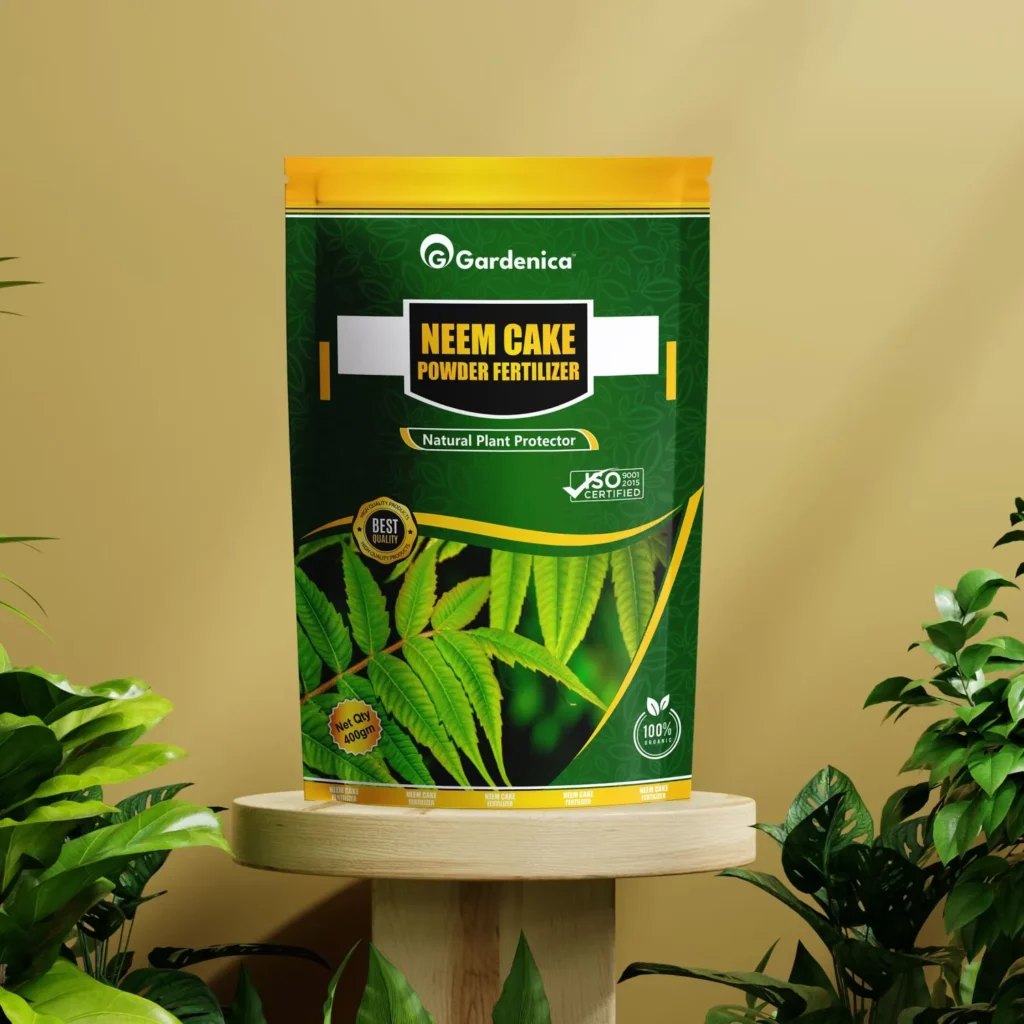
Amla is a light but steady feeder. Overfeeding, especially with plain nitrogen, gives long soft shoots and no flowers. Scratch dry inputs into the top 2-3 inch along the drip line, keep them off the trunk, then water in and mulch. Neem cake goes in at 60-80 g per pot in year one, 100-150 g in years 2-3, and 200-250 g from year four.
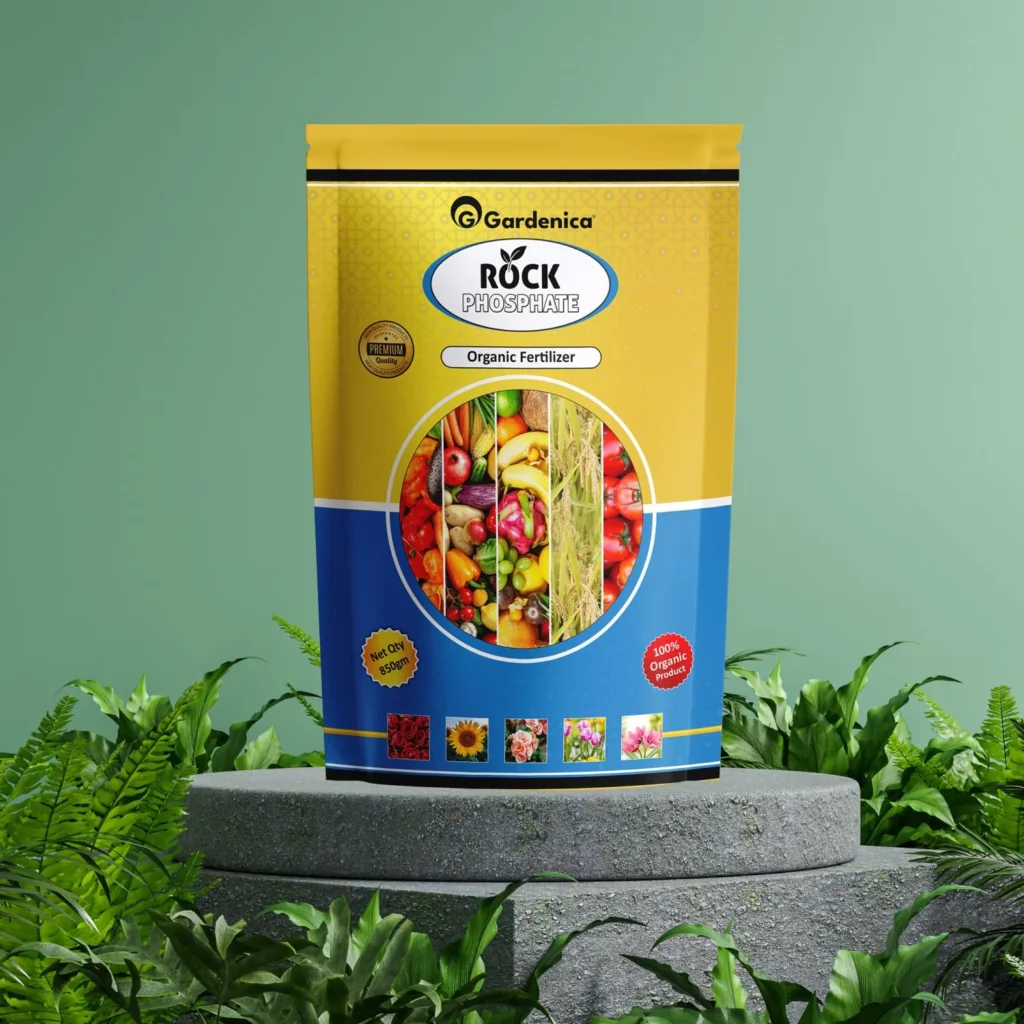
- 1 year (Vermicompost (g per pot): 200-250; Neem cake (g per pot): 60-80; Rock phosphate (g per pot): 40-50)
- 2-3 years (Vermicompost (g per pot): 400-500; Neem cake (g per pot): 100-150; Rock phosphate (g per pot): 60-80)
- 4 years and up (Vermicompost (g per pot): 700-1,000; Neem cake (g per pot): 200-250; Rock phosphate (g per pot): 100-120)
Pollination, the Step Most Growers Skip
Amla bears male and female flowers on the same tree, but they open at different times and the pollen is heavy and sticky. Wind does very little in it, so on a terrace with one tree most flowers go unpollinated. That is the real reason a potted amla flowers for weeks and sets three fruits.
Why Flowers or Small Fruits Fall Off
When an amla drops flowers or pea-sized fruits, the cause is stress inside a narrow window rather than disease.
- Temperature swing. A night below 10 degrees C or a hot dry wind during flowering both drop flowers; move the pot out of a windy corner.
- Moisture swing. Letting the pot go bone dry and then flooding it during fruit set is the commonest terrace mistake.
- Nitrogen excess. Lush shoots with few flowers mean the last feed was too heavy; hold it and give only phosphorus.
- Pot too small. A rootbound tree in a 14-inch pot cannot carry fruit; repot in the monsoon.
Pruning, Repotting and Winter Care
Prune after harvest in April or May. Remove crowded central branches to let light in, cut shoots rubbing the trunk, and keep the tree under 6 feet.
Have a question about this topic?
Chat on WhatsAppRepot or top-dress every 2-3 years in the first three weeks of the monsoon. Scraping off the outer one-third of the old rootball and refilling with fresh mix is safer than unpotting a big tree, and a little Bentonite in the refill holds moisture without making the mix heavy. In cold northern winters, wrap a pot in gunny during a frost week.
Safe Use at Home
- Wear gloves when working dry fertiliser into the mix, and wash hands after handling neem cake.
- Keep the dust down by working inputs into the mix rather than broadcasting powder on a windy terrace.
- Store packs shut, away from children and pets, and never decant into food containers.
- Follow the label, since doses printed on each pack take priority over numbers quoted here.
- Spray in the evening if you use a botanical spray such as Neem oil, and keep children and pets off the pot until it dries.
Harvest
Amla fruits 120-150 days after pollination, so the harvest runs February to April, earlier in the south. Pick firm, pale green, slightly ribbed fruit, since fully yellow ones go soft fast. A healthy 4-year-old pot gives 1-3 kg in a good year.
Frequently Asked Questions
Which amla variety is best for pots in India?
Choose a grafted plant of a local type such as Francis or Banarasi from a nursery in your own region. Ask for a budded plant in a pot, not a seedling.
How big a pot do I need to grow amla?
Start in a 16-inch pot and move to a 20 to 24-inch pot or a 30-inch grow bag by year two. Bigger soil volume means fewer watering lapses and a bigger crop.
How many years does potted amla take to fruit?
A grafted or budded plant usually flowers in the second or third year and gives a usable crop from year four. Seed-grown plants take 6 to 8 years and grow too large for pots.
Why is my amla tree flowering but not fruiting?
The flowers are going unpollinated. Amla pollen is heavy and wind cannot carry it well on a terrace with one tree. Tap a flowering branch over a plate and brush the pollen onto the female flowers for a week each morning.
Can I grow amla in a balcony with partial shade?
Not for fruit. The tree survives in part shade but needs 6 to 8 hours of direct sun to form and hold flowers.
When should I feed a potted amla tree?
Give the main feed of vermicompost and neem cake in October, rock phosphate in December or January before flowering, and a light feed during fruit set in February or March. Stop feeding after June.
Is amla a fast-growing tree?
It is slow to moderate, usually 30 to 45 cm a year in a pot, which is why it suits containers.
Conclusion
Growing amla in a pot comes down to a deep pot, an open free-draining mix, three steady feeds a year, and a soft brush between the flowers in February. Get those four right and one terrace tree carries fruit for years with far less fuss than your vegetable pots. Browse pot inputs on the Gardenica products page, or Contact the Gardenica team on WhatsApp at +91 95120 17162 for pot-mix help.
Disclaimer: This article is general gardening information. Results vary with plant, pot, soil, weather and care. Always read and follow the product label.
Looking for more?
Continue to our main page to explore products and services.