How to Grow Ridge Gourd in Pots: A Winter Terrace Guide
How to Grow Ridge Gourd in Pots: A Winter Terrace Guide

A terrace in Ahmedabad in December can hold three ridge gourd vines, and those vines can hand you a basket of tender tori every alternate day through February. The plant is not fussy about cold. It is fussy about root room, a strong trellis and steady water. Most terrace failures come from a 12-inch pot, a sagging support, or a vine left to crawl along the floor.
This guide covers how to grow ridge gourd in pots and grow bags on Indian terraces: the bag size that works, the winter sowing window, a feeding plan by the calendar, trellis height, and the fixes for flowers dropping and fruits that stop at three inches.
Read more: Explore Gardenica Vermi Compost
Why Ridge Gourd Works on a Terrace
Ridge gourd (tori, peerkangai, turai) climbs up instead of spreading out, which is what a terrace needs. One vine on a 6-7 foot trellis covers 30-40 square feet of growing area in a footprint of two square feet. Winter days of 20-28°C with cool nights suit its flowering.

Choose the Right Bag and Mix
A ridge gourd sends a deep tap root early, then a wide mat of feeder roots. Anything smaller than an 18-24 inch grow bag (15-20 litre) dries out faster than you can water it, and the vine drops the small fruits it cannot finish. One plant per bag, not two.
- Base bulk. Two parts garden soil or a coir and soil mix that holds shape without going muddy.
- Compost. One part Vermicompost worked through the whole bag.
- Slow food. Half a part Neem cake powder, which feeds gently between waterings.
Sow at the Right Time and Depth
In north and central India, sow in October and November for a winter harvest, or in late January for a pre-summer crop. On the coast and in south India, September and October work well. Expect the seed to split in 10-12 days, and hold off if nights sit below 12°C for days together.
- Soak the seeds. Keep them in water 8-12 hours in the shade, then wrap them in a damp cloth for a day until the shells just crack.
- Sow on the side. Push the seed 1 inch deep near the bag edge, pointed end down, so the root swings away from the wall.
- Cover loosely. Sprinkle dry mix over it and pat once. A hard crust traps the cotyledons.
Feed on a Simple Calendar
Build the soil once at the start, then feed little and often from the first open flower. For one plant in an 18-24 inch bag:

- Bag setup, before sowing (What to add: Neem cake powder; Dose (g per plant): 80-100)
- Bag setup, before sowing (What to add: Vermicompost; Dose (g per plant): 1500-2000)
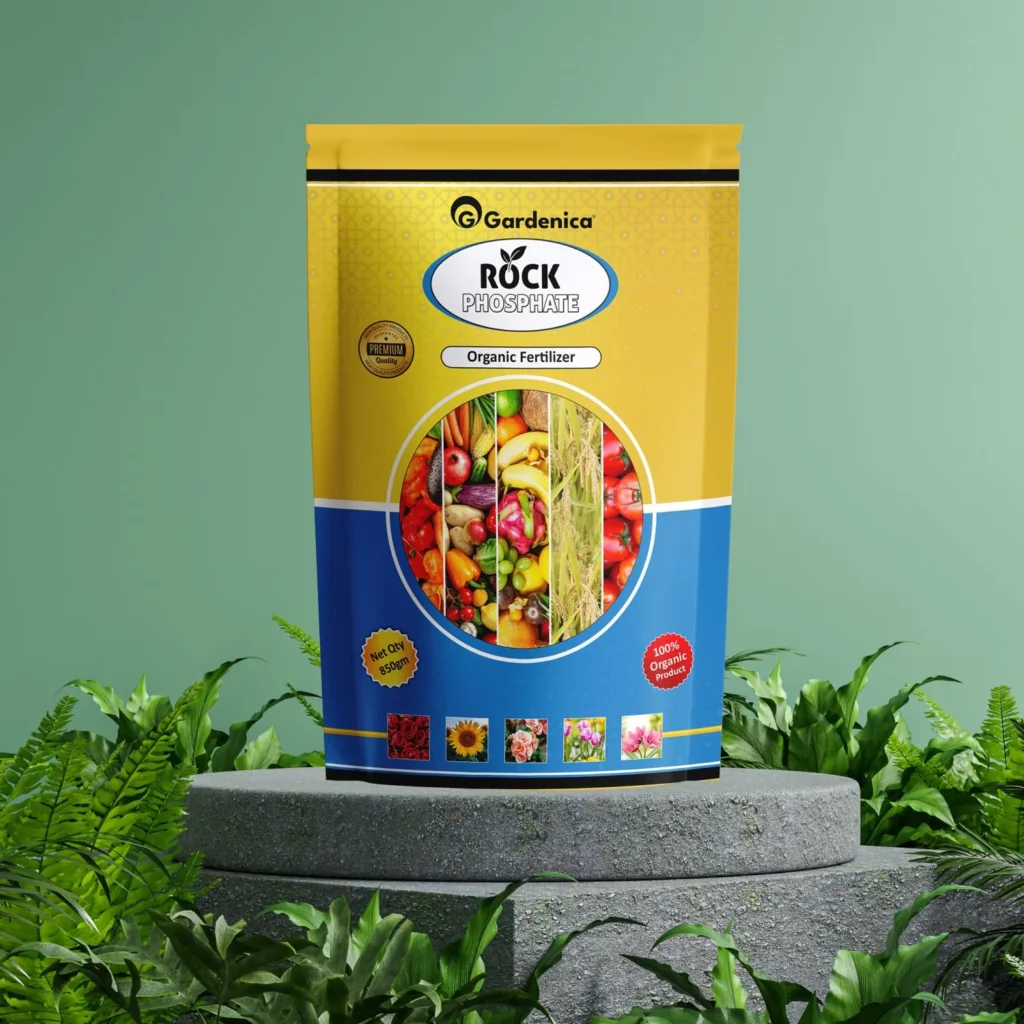
- Bag setup, before sowing (What to add: Rock phosphate; Dose (g per plant): 40-50)
- Every 15 days from flowering (What to add: Rich Fertilizer; Dose (g per plant): 20-25)
Train the Vine on a Strong Trellis
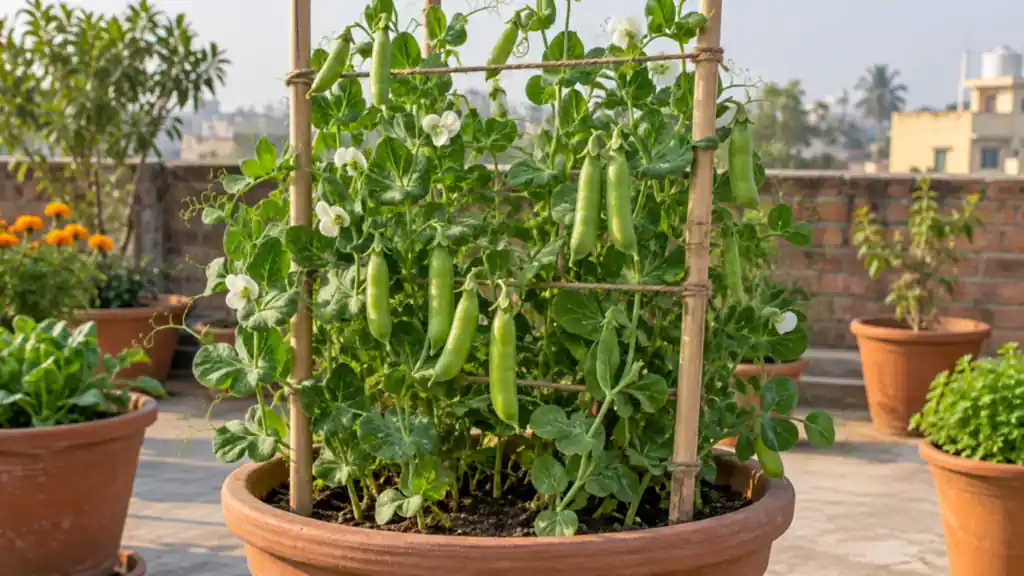
A string trellis that sags in week four takes down three fruits and a main shoot. Build the support before the vine needs it. Run a wall, rail or bamboo frame 6-7 feet high with cross lines every 12-14 inches. Tie the main stem loosely at the third node with a figure-of-eight knot, then let the side shoots find the mesh themselves. When a fruit sets, hang its stalk on a soft string loop so the weight rests on the trellis.
Water So the Vine Holds Its Fruit
The fruit is mostly water inside, so one dry afternoon in flowering can cost a whole cluster. Water deeply once a day in winter at the root zone, and twice on a windy February afternoon. In the first 10-12 days, keep the surface merely moist with a small can.
- Check with a finger. Push 2 inches in; if it is dry at that depth, water.
- Water to drainage. Stop when a little runs from the bottom, which means the root zone is wet.
- Keep leaves dry. Evening splash invites leaf spots, so water the soil.
Harvest at the Right Size
First fruits are ready 55-65 days after sowing, and a healthy vine keeps picking for 90-100 days. Pick at 8-10 inches, firm, with pale ridges and a skin a nail pierces easily. Two days more and the inside turns fibrous while the plant slows.
Have a question about this topic?
Chat on WhatsAppCut the stalk with a knife 1 inch from the vine rather than twisting it off, since a torn node invites rot. Pick in the morning, every alternate day. Every fruit left to swell tells the vine to stop setting new ones.
Fix Flowers Dropping and Small Fruits
When a vine flowers well and sets nothing, one of four things is usually behind it.
- Male flowers only for 30-35 days (Likely cause: Normal sex sequence; What to do: Wait; do not force feeding)
- Both flower types fall in heat (Likely cause: Poor pollination; What to do: Hand-pollinate before 9 am)
- Tiny fruits yellow and shrivel (Likely cause: Irregular watering; What to do: Water deeply at a fixed hour)
- Fruits stop at 2-3 inches (Likely cause: Weak vine, thin soil; What to do: Feed every 15 days, clear old fruit)
Safe Use at Home
- Wear gloves when mixing neem cake, rock phosphate and compost; the dust is gritty.
- Keep children and pets clear of the feeding area until the surface has dried.
- Read the label on every concentrate and never raise a dose thinking more works faster.
- Store packs closed and off the floor, away from kitchen shelves and sun.
What to Check Before You Buy
- Bag volume. Confirm 15-20 litre per vine; a 10-inch pot will not carry a ridge gourd.
- Inputs per plant. About 1.5-2 kg vermicompost, 80-100 g neem cake and 40-50 g rock phosphate for setup.
- Use per pot. A fortnightly feed of 20-25 g per plant beats one heavy monthly dose.
- Storage. Buy only what one season needs and keep the rest sealed and dry.
Frequently Asked Questions
What size grow bag is best for ridge gourd on a terrace?
Use an 18-24 inch grow bag holding 15-20 litres, with one plant per bag. Smaller bags dry out during a winter afternoon and the vine drops the small fruits it cannot finish.
When should I sow ridge gourd seeds in India?
Sow in October and November for a winter crop in north and central India, in September and October on the coast and in south India, and in late January for a pre-summer harvest. Seeds split in 10-12 days when nights stay above 12°C.
Why are my ridge gourd flowers falling off without setting fruit?
The first 30-35 days usually bring male flowers only, which is normal. After that, drop comes mainly from irregular watering or poor pollination, since the flowers open in the evening and close by morning. Hand-pollinate a male flower over a female one before 9 am.
How often should I feed ridge gourd in a pot?
Build the bag once at setup with vermicompost, neem cake and rock phosphate, then give a small root feed of 20-25 g per plant every 15 days from the first open flower until picking slows.
How many ridge gourd fruits will one plant give?
A vine in a full-size bag with a strong trellis usually carries fruit for 90-100 days, picked every alternate day from around day 55-65. It depends on the variety, sunlight and how steadily you water.
Does ridge gourd need a trellis?
Yes, a 6-7 foot frame with cross lines every 12-14 inches. Train the main stem up, pinch the leader at the top to push out side shoots, and hang each young fruit on a soft string loop.
Conclusion
To grow ridge gourd in pots well, give each vine an 18-24 inch bag of rich free-draining mix, a 6-7 foot trellis it cannot pull down, one deep watering at a fixed hour, and a light feed every 15 days once the first flower opens. Sow in October or November, pinch the leader at the top of the frame, and pick at 8-10 inches every alternate day. For the right inputs for your bags, Explore the Gardenica range or Contact the Gardenica team on WhatsApp at +91 95120 17162.
Disclaimer: This article is general gardening information. Results vary with plant, pot, soil, weather and care. Always read and follow the product label.
Looking for more?
Continue to our main page to explore products and services.