Chrysanthemum in Pots: Winter Blooming Plan for Indian Balconies
Chrysanthemum in Pots: Winter Blooming Plan for Indian Balconies

It is the first week of December and your chrysanthemum has been sitting in the same tight ball of green leaves since October. Not one bud. Meanwhile the neighbour's plant, bought from the same cart, is already showing purple tips. The difference is almost never the plant. It is the pinch dates, the pot and when the feeding changed.
Chrysanthemum (gulabgudi) is a short-day flower. It starts buds only once nights are long and cool, which in most of India means late November onwards. This guide covers the winter run for growing chrysanthemum in pots on a balcony or terrace: pot and mix, three pinches, a feeding plan that changes at bud set, and the fixes for budless plants.
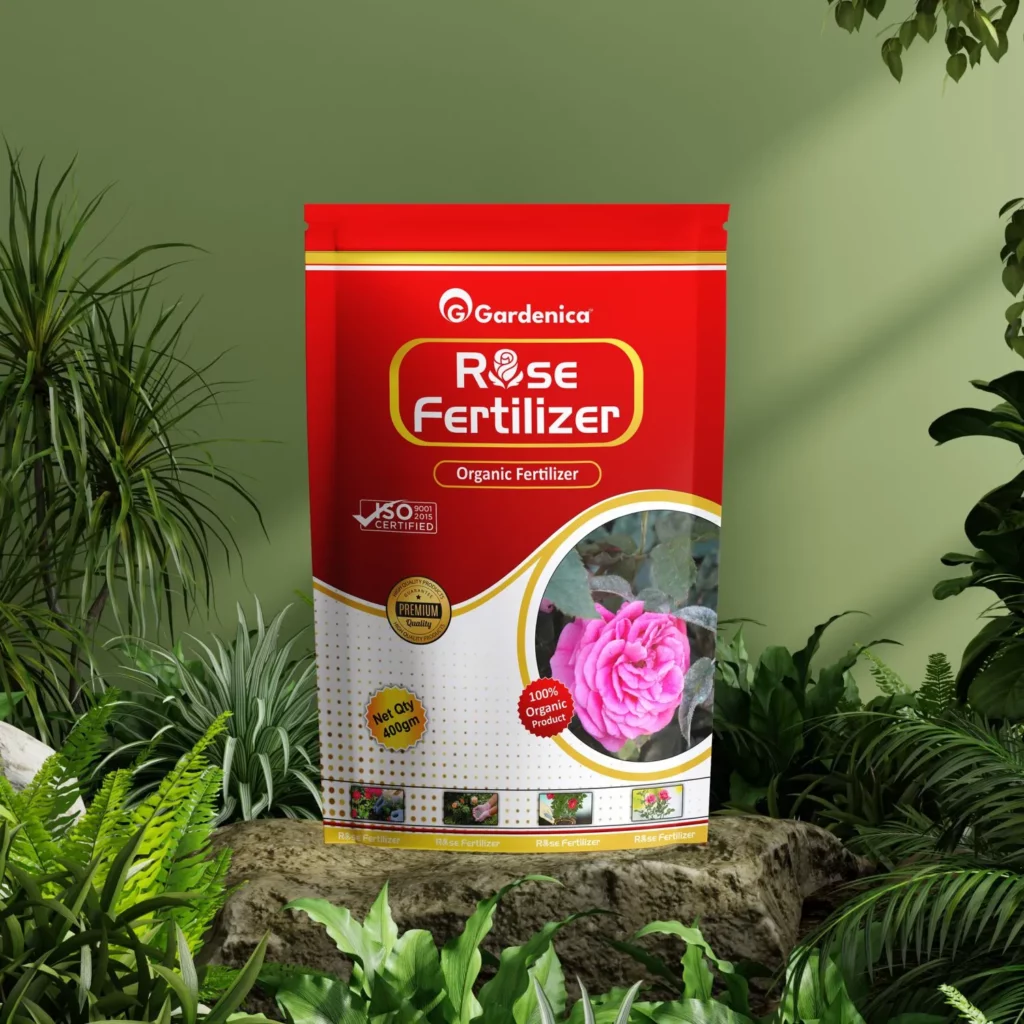
Read more: Explore Gardenica Rose Fertilizer
Why Winter Is the Right Season
Chrysanthemum behaves opposite to most balcony flowers. Long summer days keep it making leaves, and it waits for the shortening days of an Indian winter to switch to flowers. A cutting planted in September or October has time to build roots before that switch.

Cool nights also protect colour. Above roughly 30 C, buds abort and petals fade, which is why one variety looks brilliant in a Pune December and disappointing in April. North Indian terraces get a longer clear-sky flowering window; coastal winters run later but hold blooms into February.
Pot, Mix and Drainage
A 6-inch pot suits a young seedling, but a bushy pinched plant needs room. The roots spread sideways and dry out fast in a small container, and a dry pot in December stops growth even when the air feels cool.
- Fill two-thirds first. Set the pot where it will stay, because the plant gets heavy in bloom.
- Dampen the mix before planting. Wet soil settles evenly; dry soil leaves air pockets.
- Leave 5 cm of rim. That margin holds water during a busy morning.
- One plant per pot. Two seedlings in a 12-inch pot compete and both stay short.
The Three Pinches That Decide Flower Count
Pinching separates a compact pot carrying 25-40 heads from a leggy plant with six. Each pinch removes the growing tip and forces branching, and every new branch can hold a flower. Snap off the top 1.5-2 cm above a leaf pair with a sharp thumbnail rather than scissors, so the stem is not crushed.

- First pinch at 3-4 weeks. Once the plant has 5-6 true leaves and stands about 15 cm, remove the main tip. Expect side shoots within ten days.
- Second pinch at week 6. Trim each side shoot by 1.5-2 cm at the same height so the bush stays even.
- Third pinch at week 8-9. Only on a strong plant with no buds yet. Skip it on weak ones.
Watering Without Waterlogging
Water at the base in the morning and let the top centimetre dry between drinks. Leaves that stay wet overnight invite leaf spot, and misting does nothing for hydration.
Cool winter soil holds water far longer than the calendar suggests. A pot watered daily in October usually needs every 2-3 days in January. Lift the pot instead of guessing: light means thirsty, heavy means leave it.
Water the pot, not the leaves, and always check the weight before the clock.
Feeding Plan From Cutting to Bloom
Chrysanthemum is a heavy feeder, but the wrong feed at the wrong week gives leaves instead of flowers. Nitrogen belongs in the leaf-building weeks. Once buds set, phosphorus and potash matter more, which is where a flowering feed such as Rose Fertilizer fits. Use every product at the dose printed on its label.
- Cutting planted (week 0-3) (Feeding (per 12-inch pot): 30 g neem cake in the mix; What to watch: No other feed yet)
- Pinch stage (week 3-6) (Feeding (per 12-inch pot): Liquid feed every 15 days; What to watch: Dark green new leaves)
- Bud set (week 6-9) (Feeding (per 12-inch pot): Rose feed at label dose; What to watch: Tips swell, colour shows)
Staking and Pot Position
A pinched bush carrying forty buds will flop in one windy afternoon. Put a 60-90 cm bamboo stake in at week 4 and tie loosely with cloth strips, re-tieing weekly since a tight jute tie cuts into a growing stem.
Six hours of direct winter sun is the working minimum. Turn the pot a quarter every week so one side does not lean toward the light, and keep it away from a kitchen exhaust and from a wall that gives off heat late in the evening.
Have a question about this topic?
Chat on WhatsAppPruning After Flowers Fade
Do not throw the pot away when blooms finish in February. Chrysanthemum is a perennial and the same plant can give another season.
- Cut back. Remove every spent head and trim to 20-25 cm above the soil.
- Clear the surface. Pull off fallen leaves; they carry spots that reinfect new growth.
- Top-dress. Replace the top 5 cm of mix with fresh composted mix.
- Rest in shade. Keep the pot barely moist through the hot months.
- Restart in September. Cut back again, move into full sun, and take 8-10 cm cuttings from soft new shoots.
Fixing a Plant That Will Not Bud
Read the plant before changing anything. Most budless chrysanthemums come down to four causes.
- Too much shade. The plant never gets the light signal it needs. Shift it to the sunniest spot and wait three weeks.
- Late pinching or late planting. Buds were removed, or the plant was still rooting when days shortened.
- Nitrogen after bud set. Feeding through December keeps it leafy. Stop all nitrogen and water less.
- Night light. A balcony lamp left on all night interrupts the dark period the plant needs.
Safe Use at Home
Wear gloves when handling the foliage, as chrysanthemum leaves can irritate sensitive skin, and wash your hands after pinching. Keep feeding granules away from children and pets, store the pack closed, and never exceed the label dose. Avoid spraying anything on a hot afternoon or once buds show colour, since the petals mark easily.
Frequently Asked Questions
When should I plant chrysanthemum in pots in India?
Plant cuttings in September or October so roots are established before the short days of December trigger buds. In cold North Indian plains, early October planting under a covered balcony helps the plants get ahead.
How many times should I pinch a chrysanthemum plant?
Three pinches, at week 3-4, week 6 and week 8-9, then stop. Two are enough on a weak plant. Never pinch once the tips turn pointed and fat, because that pinch removes the flower.
Why is my chrysanthemum not flowering?
The usual reasons are too much shade, a pinch done too late, nitrogen feeding after bud set, or a balcony light left on through the night. Move the pot into at least six hours of direct winter sun and stop high-nitrogen feeds.
What size pot is best for chrysanthemum?
A 12-14 inch pot suits one bushy pinched plant. A single disbudded stem does well in 10-12 inches, and a young seedling can start in 6-8 inches before moving up after three or four weeks.
Can I grow chrysanthemum in a grow bag?
Yes, a 12-inch grow bag works if it has drainage holes and the mix stays open. Grow bags dry out faster than terracotta, so check the weight every morning in December and January.
What do I do after the flowers fade?
Cut the plant back to 20-25 cm, clear fallen leaves, replace the top 5 cm of mix and keep it in shade through summer. Take fresh cuttings from new shoots in September.
Which fertiliser helps chrysanthemum flower better?
Work neem cake into the mix at planting, feed a balanced liquid through the pinching weeks, then switch to a flowering feed such as a rose fertiliser at bud set, always at the label dose.
Conclusion
Chrysanthemum in pots comes down to a short calendar: plant in September or October, pinch three times before mid-November, feed nitrogen early and switch to a flowering feed at bud set, then water by weight rather than habit. Get those four right and one pot will carry dozens of heads from December into February.
Start with a single 12-inch pot this month. For a feeding plan matched to your pots, Contact the Gardenica team on WhatsApp at +91 95120 17162.
Disclaimer: This article is general gardening information. Results vary with plant, pot, soil, weather and care. Always read and follow the product label.
Looking for more?
Continue to our main page to explore products and services.